As technology evolves, the demand for faster and more efficient memory increases. In the realm of computing, DDR5 memory stands out as a significant leap forward. Renowned memory expert Dr. Allen Greene emphasizes this, stating, "DDR5 is not just an upgrade; it's a game changer for modern computing." With the upcoming release of our 2026 DDR5 memory guide, users can gain insights into making informed purchasing decisions.
Understanding DDR5 memory is crucial for both gamers and professionals. Its architecture delivers higher speeds and greater bandwidth compared to its predecessor, DDR4. However, potential buyers may find the variety of options overwhelming. Consumers often overlook important factors, which can lead to regret later. It's vital to consider compatibility, speed ratings, and price-to-performance ratios.
Navigating the DDR5 memory landscape requires knowledge and careful consideration. Our guide aims to empower you with reliable information, helping you to avoid common pitfalls. Don't rush into a purchase, as the right memory choice can significantly impact system performance. With the right insights from our DDR5 memory guide, you will be better prepared for the future of computing.
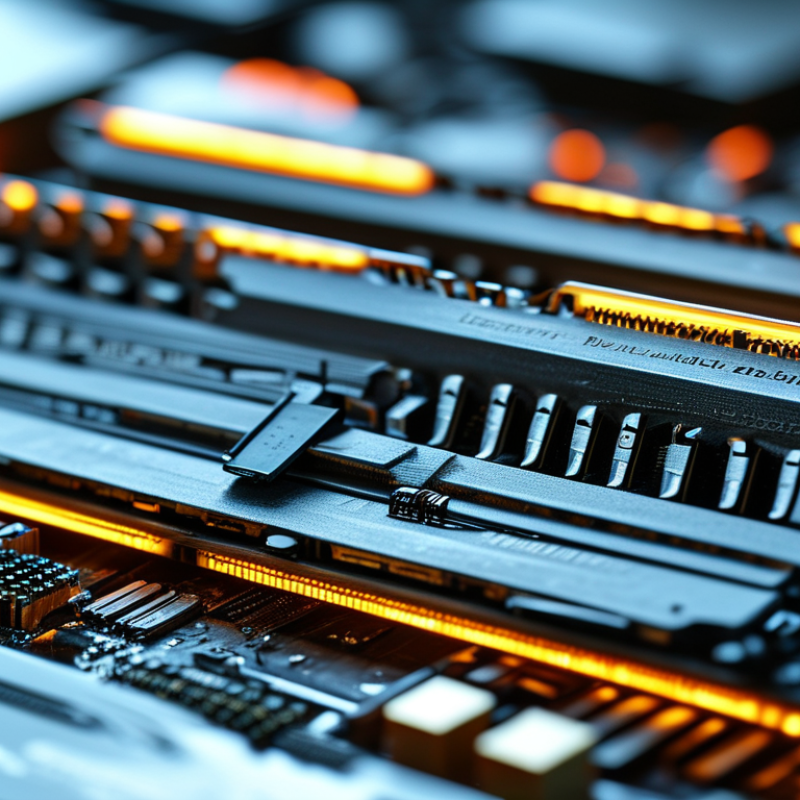
Understanding DDR5 Memory: Key Features and Benefits
DDR5 memory represents a significant advancement in data processing capabilities. It offers higher bandwidth and improved efficiency compared to its predecessor. With speeds reaching up to 8400 MT/s, DDR5 can support demanding applications like gaming, video editing, and machine learning. These features cater to both casual users and professionals seeking better performance.
One important aspect of DDR5 is its dual-channel architecture. This design allows for more data to be processed simultaneously. As a result, users experience faster load times and smoother multitasking. Additionally, DDR5 uses on-die error correction (ODECC). This enhances reliability, making data integrity more robust in critical applications.
While DDR5 presents clear advantages, it is essential to understand its limitations. Compatibility with existing motherboards may be an issue. Upgrading may also require new hardware, leading to increased costs. Users should weigh these considerations before purchasing. In addition, potential overclocking can lead to instability, which is worth reflecting on. Understanding these factors helps in making informed choices about DDR5 memory.
Comparing DDR5 to Previous Generations: What’s New?
When comparing DDR5 to previous generations, several key differences emerge. DDR5 memory offers higher bandwidth. This enhancement leads to faster data transfer rates. Users can expect improved performance, especially in gaming and multitasking scenarios. Latency, however, remains a conversation point. While DDR5 is faster, it's essential to weigh the impact of latency on certain applications.
The increased capacity per module in DDR5 is another significant upgrade. You can now find modules with 16GB or more. This expansion allows systems to handle larger workloads efficiently. More memory means better performance under heavy load, which is crucial for power users. Keep in mind, though, that not all motherboards support DDR5 yet.
Tip: Before purchasing, check your motherboard’s compatibility. Not all systems are ready for DDR5.
Another area to consider is power efficiency. DDR5 uses lower voltage compared to its predecessors, which can result in energy savings. Despite this, the technology is still evolving. Some users may experience issues with stability or heat management.
Tip: Monitor your system’s temperature after upgrading. This can help prevent potential overheating problems.
Investing in DDR5 is not just about immediate performance gains. It’s also an investment in future-proofing your setup. Consider how long you plan to keep your system. This thought process is vital for making the right choice.
Choosing the Right DDR5 Memory: Compatibility and Specifications
When choosing DDR5 memory, compatibility is crucial. Not all motherboards support DDR5, so verify socket types first. According to a recent report by DRAMeXchange, over 70% of new motherboards launched in 2023 are compatible with DDR5. This is a significant increase compared to previous generations. Look for specifications like frequency, which generally ranges from 4800 MHz to 6400 MHz. Higher frequencies lead to better performance but may come with increased costs.
Consider the capacity you need. Industry analysis shows that 16GB modules are becoming standard, but 32GB modules are gaining popularity for demanding applications. System requirements greatly influence this choice. For gaming or heavy multitasking, larger memory capacity may improve the experience. Additionally, check timings; lower latency can enhance speed, especially in gaming scenarios.
Remember, everything depends on your specific use case. If you plan to upgrade frequently, balancing price and performance is key. Investing in higher specifications now might save you money in the long run. Ultimately, ensure you cross-check compatibility details from reliable sources to avoid future issues. Keep in mind that as technology evolves, so do standards, and yesterday’s top performance may not hold tomorrow.
2026 DDR5 Memory Performance Comparison
This chart illustrates the memory bandwidth of various DDR5 memory speeds. As the data rate increases, the bandwidth also significantly improves, showcasing the potential performance benefits of higher-speed DDR5 memory modules.
Factors Affecting DDR5 Memory Pricing: A Buying Guide
When considering DDR5 memory, several factors impact pricing significantly. According to a report by DRAMeXchange, DDR5 prices have fluctuated, reflecting supply-demand dynamics. As of late 2023, market demand has surged, pushing prices higher. This trend may persist into 2026 as more high-performance applications require DDR5 capabilities.
One key aspect influencing prices is the production capacity of semiconductor manufacturers. With global chip shortages, supply constraints can lead to higher costs. The continued transition from older DDR types to DDR5 also plays a role. A report from IDC indicates a projected 25% year-over-year growth in DDR5 adoption rates, suggesting a possible tightening of supply. Interested buyers should stay informed about these shifts and potential delays in availability.
Additionally, timing your purchase can significantly affect pricing. Periods of high demand, like back-to-school and holiday shopping, often see spikes. Conversely, off-peak seasons may offer better deals. Monitoring market trends can guide purchasing decisions effectively. Many potential buyers overlook this crucial aspect, resulting in missed opportunities for savings. Understanding market behavior will help in making informed choices as we approach 2026.
Future Trends in DDR5 Memory Development: What to Expect
The DDR5 memory technology is evolving rapidly. By 2026, experts predict significant performance improvements. According to a report by TrendForce, DDR5 is expected to reach speeds of 8400 MT/s and beyond. This is a notable leap from DDR4, which maxes out around 3200 MT/s. Such enhancements will enable faster data transfer, benefitting high-performance computing and gaming.
Furthermore, energy efficiency will be another focal point in DDR5 development. The new memory standard reduces voltage from 1.2V to 1.1V, facilitating lower power consumption. A study by IDC suggests that this can help reduce operational costs for data centers. However, it’s important to acknowledge potential challenges. As manufacturers innovate, compatibility with existing systems may be a concern. Memory upgrades might require additional hardware. End-users must assess market readiness before investing heavily.
Finally, as more devices transition to DDR5, availability may fluctuate. The market could face shortages, especially during initial rollouts. Keeping informed through industry reports will be essential for buyers looking to make educated decisions. Understanding these trends empowers consumers to make the best choices in the evolving memory landscape.
2026 DDR5 Memory Guide: What You Need to Know for Purchasing
| Feature |
Current Standard |
Expected 2026 Standard |
Future Trends |
| Capacity |
8GB, 16GB, 32GB |
64GB, 128GB |
Higher capacities for gaming and data centers |
| Data Rate |
4800 MT/s |
7200 MT/s and higher |
Increase in speed for enhanced performance |
| Power Consumption |
1.1V |
0.9V |
Lower voltage for energy efficiency |
| Revamping Technologies |
Standard DRAM |
Advanced multi-channel architecture |
Improvements to multi-tasking capabilities |
| Latency |
CL40 |
CL30 |
Reduced latency for faster processing |
Conclusion
The "DDR5 Memory Guide" provides a comprehensive overview of the next-generation memory technology designed to enhance performance in computing and gaming. It begins by highlighting the key features and benefits of DDR5, such as increased bandwidth and improved power efficiency, which are crucial for modern applications. The guide also offers a comparison between DDR5 and its predecessors, detailing the advancements that set it apart.
In choosing the right DDR5 memory, users are advised to pay attention to compatibility and specifications to ensure optimal performance. Additionally, the article delves into factors affecting DDR5 memory pricing, serving as an essential buying guide for consumers. Finally, it explores future trends in DDR5 development, offering insights into what can be expected in the evolving landscape of memory technology. This comprehensive resource is designed to empower consumers with the knowledge needed for informed purchasing decisions.
 Novram
