Novram
Novram
Novram
Engineered for extreme data rates, superior thermal stability, and low dielectric loss in computing infrastructure
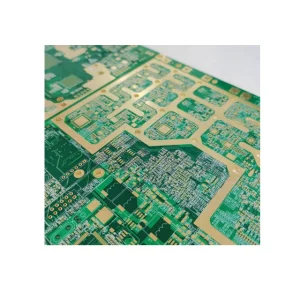
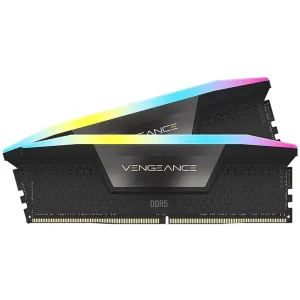
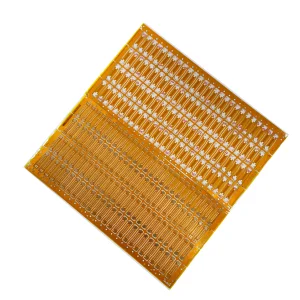
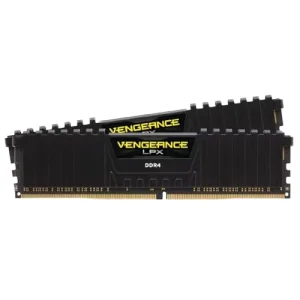
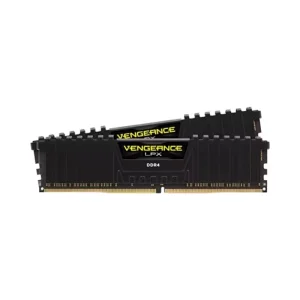
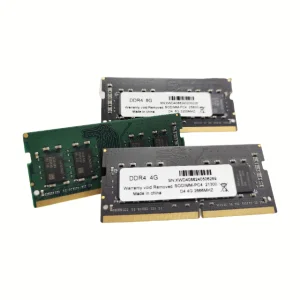
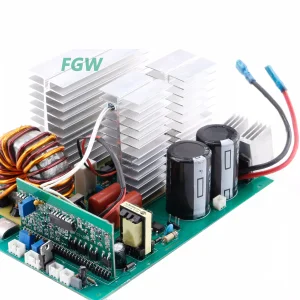
In modern RF, telecommunication, and high-performance server hardware design, High-Frequency PCBs act as the fundamental substrate that dictates system efficiency, signal decay profiles, and overall data latency. As clock rates break into gigahertz boundaries, standard FR-4 dielectric losses become intolerable. Our advanced line of hybrid pressure laminations resolves this bottleneck.
By integrating premium Rogers 4000 series (such as RO4350B or RO4003C) laminates directly with Shengyi FR4 High TG170 materials, we achieve a balance of premium high-frequency RF performance and cost efficiency. The Rogers layer carries high-speed microstrip or stripline routing with tight impedance control, while the Shengyi FR4 layer supplies mechanical support, power plane distribution, and control routing, lowering manufacturing expenses.
Dielectric dissipation factor ($D_f$ or loss tangent) describes the power loss due to electromagnetic energy dissipation into the board substrate. Standard FR-4 has a $D_f$ of ~0.015, which attenuates high GHz signals. Rogers 4000 series limits $D_f$ to less than 0.0037, ensuring maximum signal reach.
Stable $D_k$ (dielectric constant) across varying frequencies is critical to avoid signal dispersion. Our Rogers-Shengyi hybrid PCBs deliver exceptionally flat $D_k$ curves, vital for 5G millimetre-wave and high-frequency IoT applications.
Technical comparison between Rogers RF-grade laminates and Shengyi High-TG substrates
| Material Type & Designation | Dielectric Constant ($D_k$ @ 10 GHz) | Dissipation Factor ($D_f$ @ 10 GHz) | Glass Transition Temp ($T_g$, °C) | Thermal Conductivity (W/m/K) | Primary Industrial Use Case |
|---|---|---|---|---|---|
| Rogers RO4003C | 3.38 ± 0.05 | 0.0027 | > 280 | 0.71 | RF Amplifiers, Radar, Satellite Receivers |
| Rogers RO4350B | 3.48 ± 0.05 | 0.0037 | > 280 | 0.69 | 5G Base Stations, Telemetry, Power splitters |
| Shengyi FR4 High TG170 | 4.60 | 0.0150 | 170 | 0.45 | High density control layers, System supply distribution |
| Rogers & Shengyi Hybrid | Composite (Layer-Specific) | Selective (Optimized Layers) | Optimized Stackup (170-280+) | Variable (Enhanced) | Balanced Cost-to-Performance High-Speed Computing |
How our high-frequency PCBs and computational memory sub-assemblies drive critical sectors worldwide
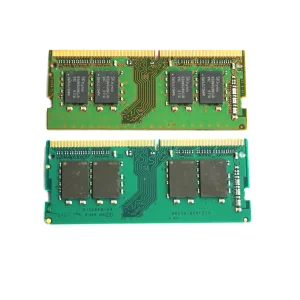
With the rapid scaling of localized computing, infrastructure hubs in Silicon Valley, Oregon, and Virginia deploy our hybrid Rogers/FR4 PCBs alongside low-latency DDR5 high-frequency memory modules. This minimizes data propagation delay, reducing signal errors at high speeds.
European automotive clusters require high-frequency radar sensors (operating at 24GHz and 77GHz). By using hybrid stack-ups, our European clients configure reliable transmitter and receiver geometries with low loss, meeting strict ISO/TS compliance standards.
Telecom deployments throughout China, Japan, and Korea demand cost-competitive, massive-MIMO antenna structures. Our hybrid substrates offer high power-handling capability, stable dielectric attributes, and a resilient design profile under varying outdoor temperatures.
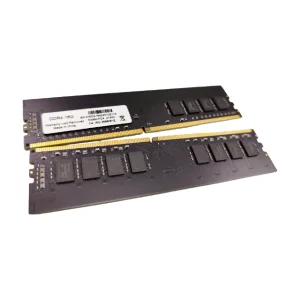
Modern high-speed hardware is not just a collection of isolated parts; it is a complex electromagnetic ecosystem. As clock frequencies climb, components like DDR5 Avengers Memory Modules and high-performance server cooling systems require precise design integration.
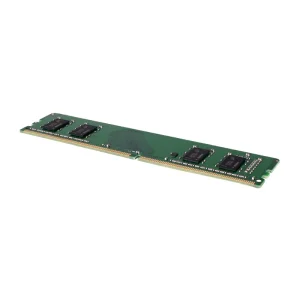
For example, memory modules processing data at 6800 MHz require high-frequency, multi-layer PCB design to control signal timing skew and crosstalk. High-speed signals running between the processor and the DDR5 slots need precise characteristic impedance (typically 40 or 50 ohms) maintained through custom PCB stack-ups.
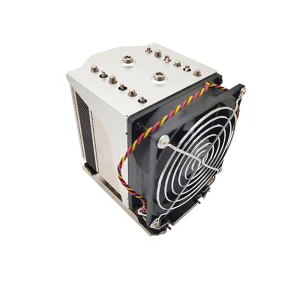
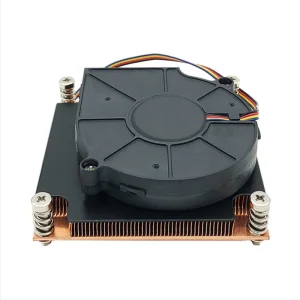
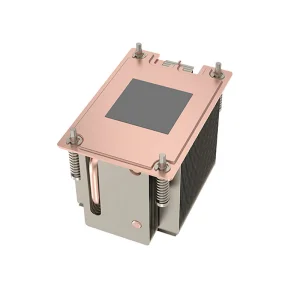
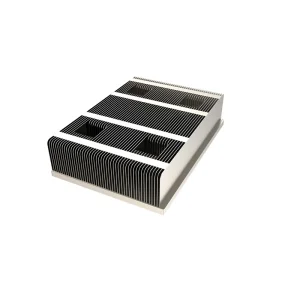
Additionally, power supply traces can heat up under high-frequency operation. Implementing custom thermal dissipation solutions, such as our high-performance 320W copper server heat sinks, helps prevent thermal throttling and structural delamination.
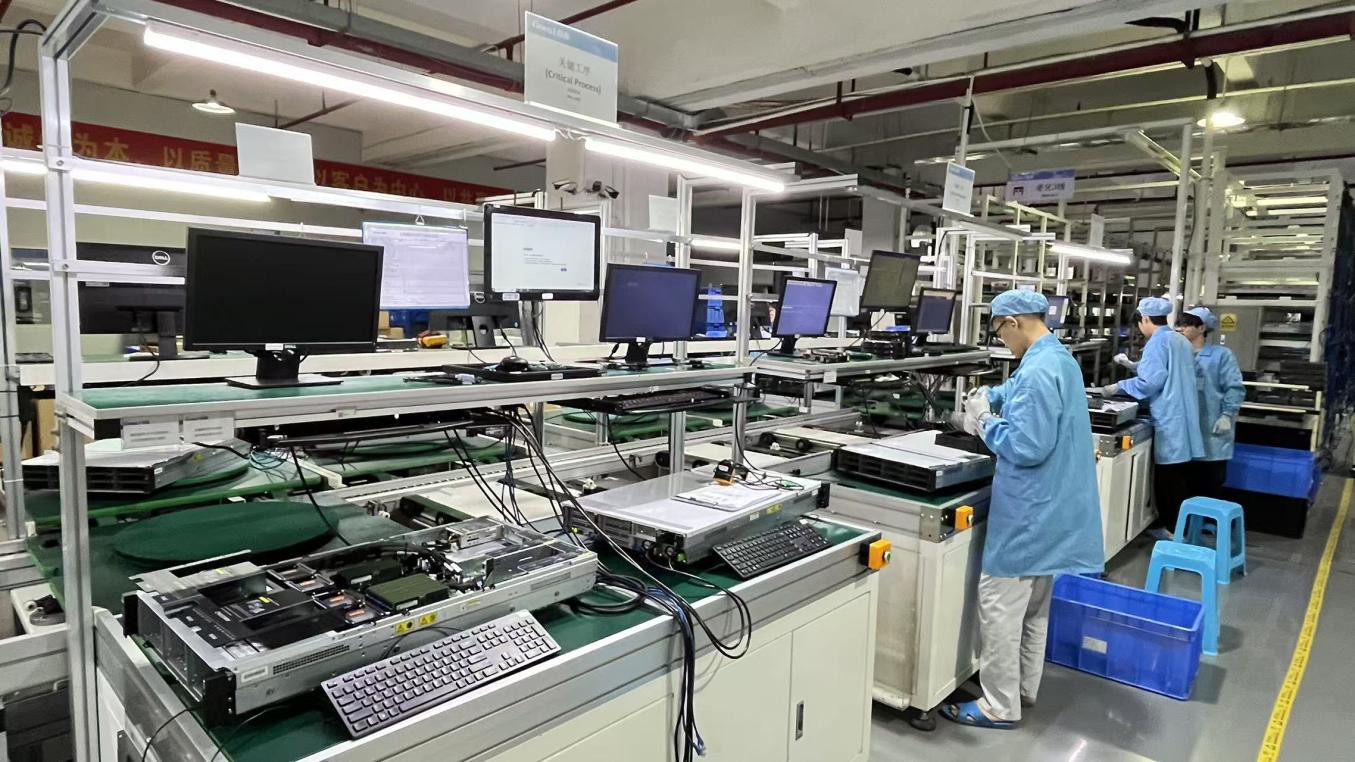
Strategic manufacturing scale, advanced material science, and global quality control infrastructure
Established in 2016 in Shenzhen, China, Novram Electronics Co., Ltd. designs and manufactures high-performance DRAM solutions, high-speed PCB assemblies, and thermal management hardware for OEM, ODM, and industrial clients.
With 9 years of industry experience and 7 years of export experience, Novram exports products to partners across more than 40 countries. Our operations are supported by a modern facility and a QA workflow featuring functional testing, compatibility testing, burn-in validation, and temperature aging.
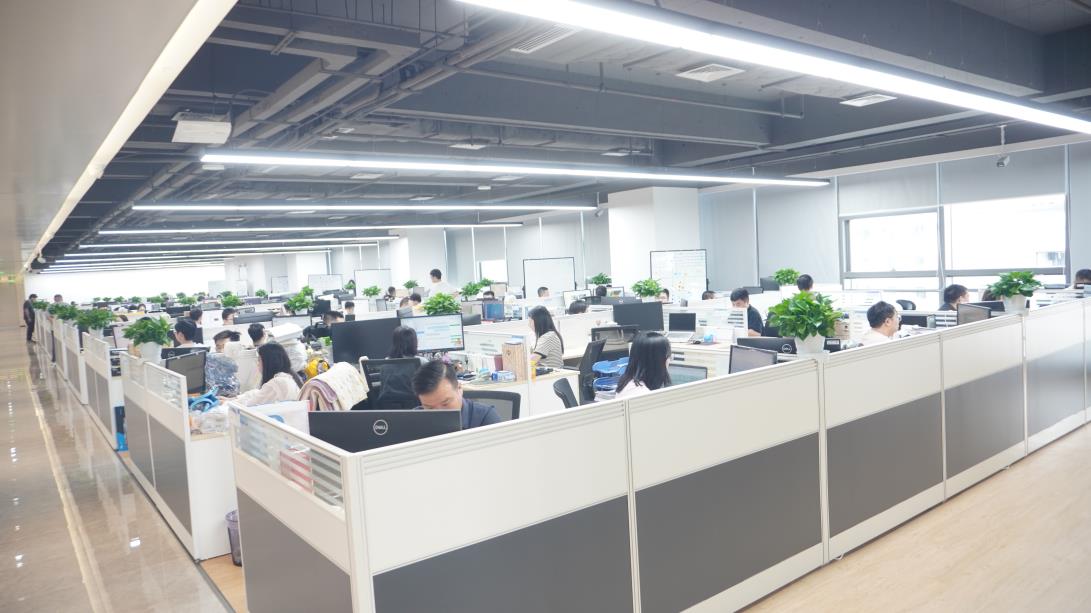
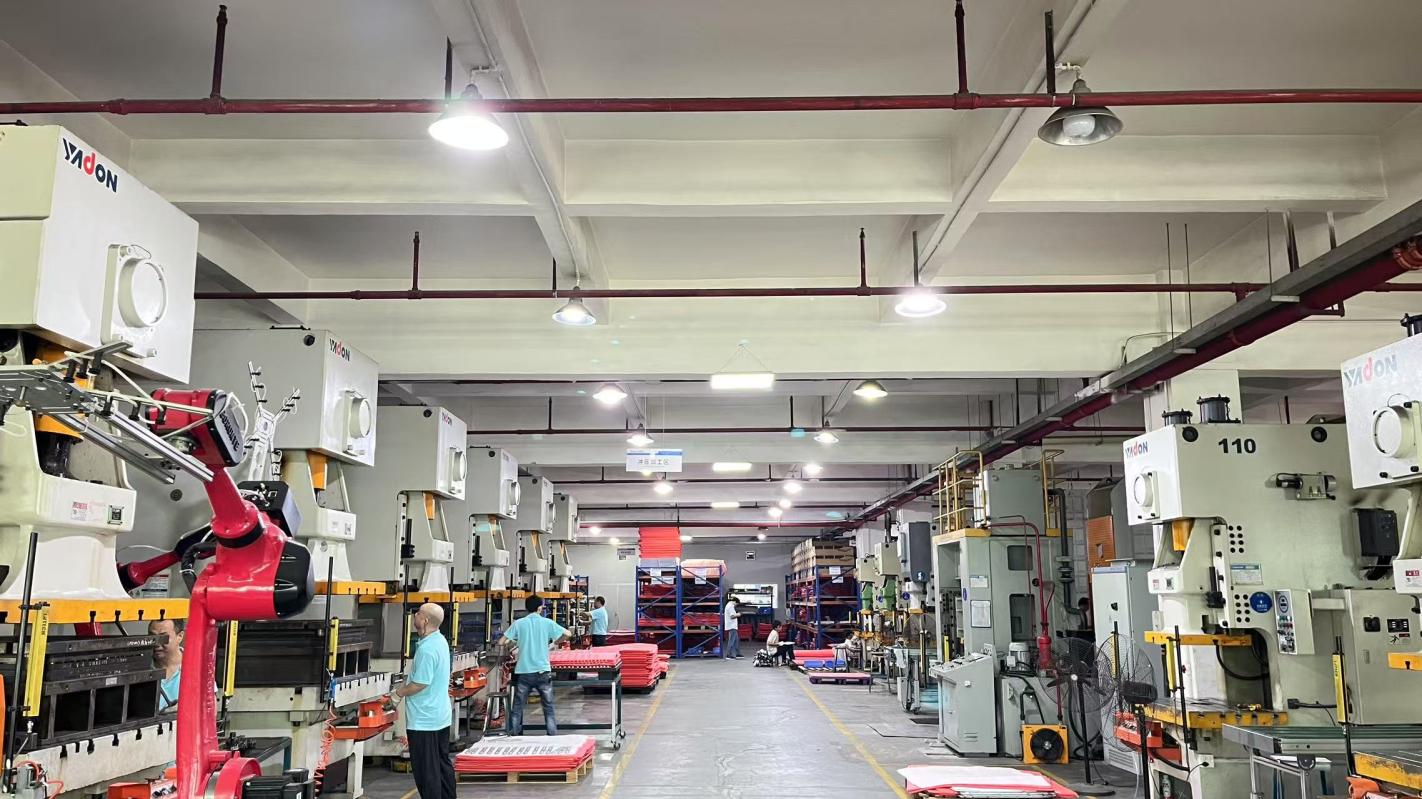
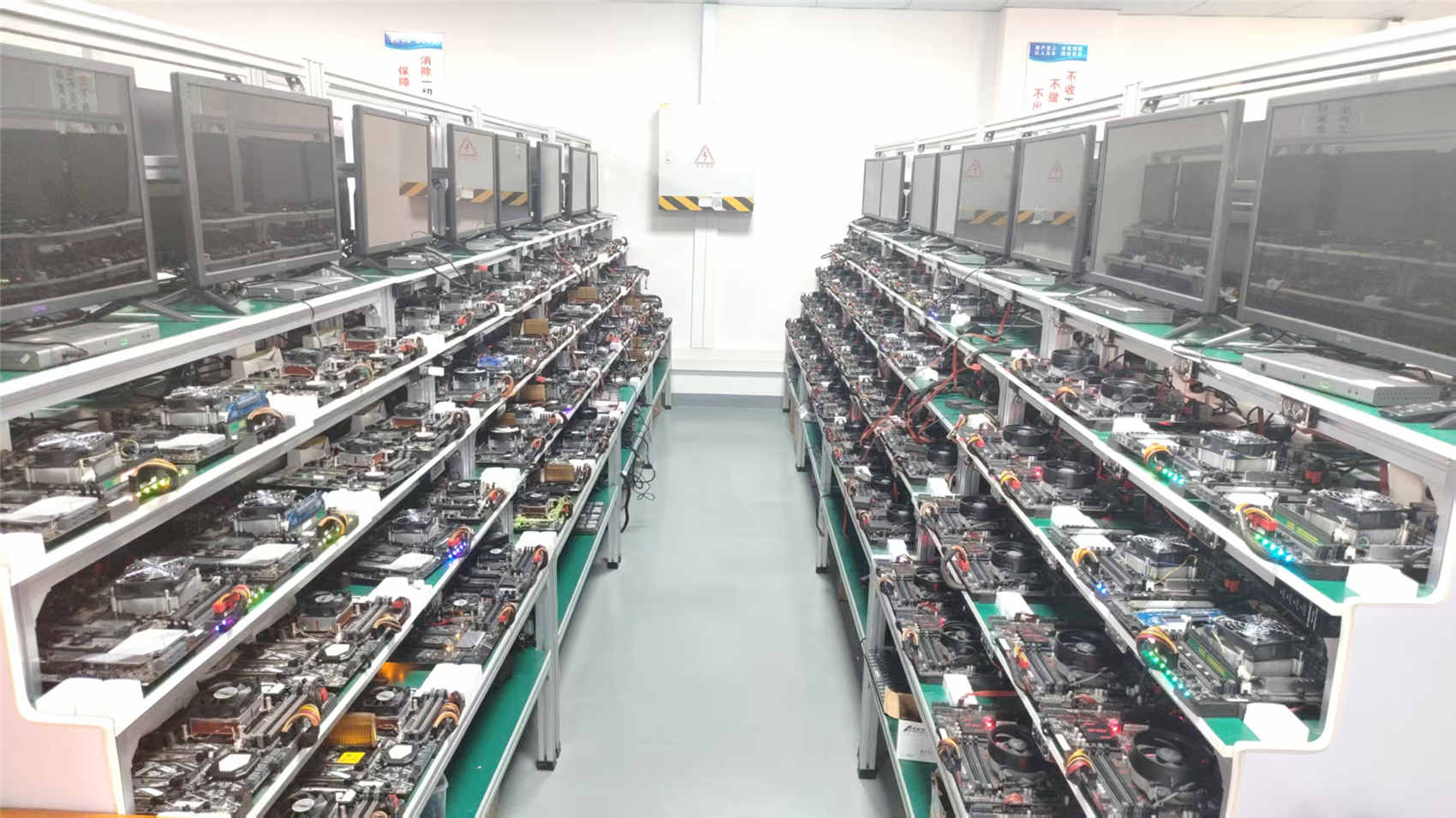
The production of Rogers-Shengyi hybrid PCBs requires specialized materials, precise drilling machinery, and cleanroom environments. Our facility is situated in Shenzhen, the global hub of electronic hardware, providing key advantages:
Because RF signals propagate along the outer boundary of the copper conductor (known as the *skin effect*), even minor copper surface roughness can cause signal loss.
We deploy automated optical inspection (AOI), time-domain reflectometry (TDR) for impedance validation, and high-frequency network analyzers to confirm that every batch of PCBs matches the targeted insertion loss specifications.
Innovating to support sub-100fs signal propagation delays and ultra-low loss requirements
Next-generation computing buses demand precise alignment between differential signal pairs. Our R&D efforts target glass-weave variations to prevent phase skew in high-speed transmission lines.
As enterprise network backbones transition to 224 Gbps per channel, we are developing substrates using ultra-low-profile copper foil (HVLP) to minimize skin effect losses.
We integrate copper coins and heavy-copper components directly into the PCB substrate layers, improving heat dissipation for power-dense systems.
High-frequency printed circuit boards must operate reliably under changing temperature and humidity conditions. Novram maintains strict quality management procedures:
To support global engineering cycles, Novram provides responsive technical and logistics assistance. Our customer support team helps resolve design and manufacturability issues, reducing time-to-market.
Whether you require custom firmware, tailored packaging, or specific impedance stack-up layouts, our 76 R&D engineers can adapt designs to your requirements. We support small prototyping runs as well as high-volume production.
Technical answers regarding materials, impedance tolerance, and manufacturing processes
Pure Rogers substrates provide excellent high-frequency characteristics but are more expensive and offer less mechanical rigidity than FR-4. A hybrid design places Rogers layers only where high-speed signals are routed, using cost-effective Shengyi High-TG FR4 for remaining layers, balancing performance and cost.
With our precision etching lines, laser microvia drilling, and continuous testing, we maintain standard impedance tolerances of ±10%, with capability down to ±5% upon request for highly critical RF routes.
Rogers materials and FR-4 have different Coefficients of Thermal Expansion (CTE). Our engineers optimize the stack-up balance and control lamination temperatures and pressures to minimize structural stress, preventing board warpage and delamination.
Yes. Our R&D center provides custom SPD configuration, BIOS compatibility adjustments, and specialized timing optimization for industrial or enterprise computing setups.
ENIG (Electroless Nickel Immersion Gold) is the standard selection because it provides a flat surface for component placement. For higher frequencies, we recommend ENEPIG or I-Silver (Immersion Silver) to reduce signal attenuation caused by the skin effect.
Reliable memory modules, heat sinks, and peripheral controllers for high-performance computing