Novram
Novram
Novram
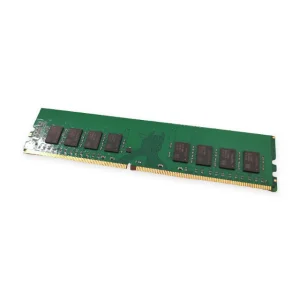
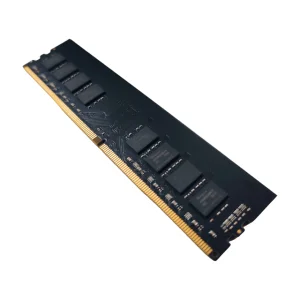
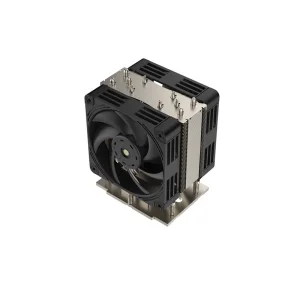
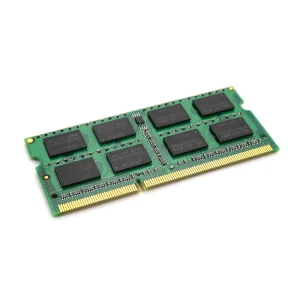
Explore our core thermal management and high-frequency memory modules manufactured under rigorous standard protocols.
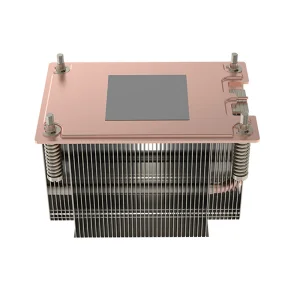
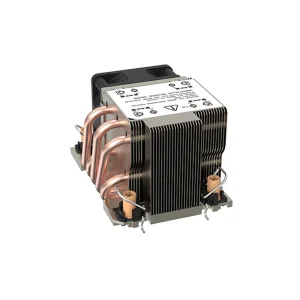
In the evolving landscape of electronics design, the management of excessive thermal energy has transitioned from a secondary consideration to the primary constraint governing device performance, longevity, and security. Standard FR4 glass epoxy substrates, despite their cost-efficiency and decades-long deployment dominance, suffer from poor thermal conductivity (ranging between 0.20 to 0.25 W/m·K). This represents a physical bottleneck for modern, highly packed semiconductor applications such as high-output LEDs, power conversion stages, dynamic memory subsystems, and enterprise CPU thermal enclosures.
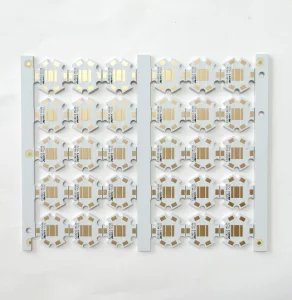
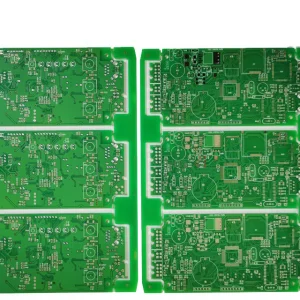
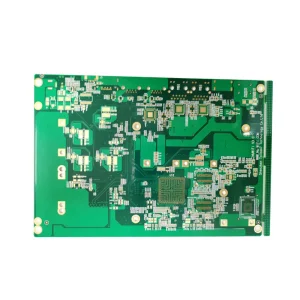
To address this critical limitation, Aluminum PCBs (commonly categorized under Insulated Metal Substrates - IMS) provide a highly effective solution. Comprising a layered architecture consisting of a circuit copper layer, a highly heat-conductive polymer dielectric layer, and an aluminum base substrate plate, these specialized boards enable rapid heat transfer from the active components directly to passive thermal management environments, such as heatsinks, fluid cooling channels, or cooling chassis configurations.
SEO Insight & Information Gain: Not all aluminum substrates are manufactured equal. Thermal management performance is dictated almost entirely by the formula and density of the dielectric layer. An OEM must balance dielectric thickness with dielectric breakdown voltage and raw thermal resistance metrics to select the appropriate board.
An aluminum PCB is characterized by its three-layer architecture designed to maximize thermal dissipation while maintaining electrical isolation:
A data-backed overview comparing standard engineering substrates to various aluminum classifications for global procurement specifications.
| Substrate Material Class | Thermal Conductivity (W/m·K) | Dielectric Strength (kV/mm) | Thermal Resistance (°C/W) | Glass Transition Temp. Tg (°C) | Primary Industrial Applications |
|---|---|---|---|---|---|
| Standard FR-4 Epoxy Glass | 0.25 - 0.35 | 30 - 40 | 0.85 - 1.25 | 130 - 180 | Low-power logic, general consumer boards, standard RAM modules |
| Standard Aluminum IMS (1060 Base) | 1.0 - 1.5 | 20 - 30 | 0.45 - 0.65 | 120 - 140 | General LED lighting, commercial backlight matrices, power converters |
| High Thermal Conductivity Aluminum (5052 Base) | 2.0 - 3.0 | 35 - 45 | 0.15 - 0.25 | 130 - 150 | Automotive headlamps, motor controllers, industrial power switches |
| Ultra-High Performance Copper/Al IMS (6061 Base) | 4.0 - 9.0 | 40 - 55 | 0.03 - 0.08 | 150 - 180 | Server power distribution, aerospace cooling, military high-speed systems |
Why industrial OEMs and enterprise electronics developers source high-performance metal substrates from Shenzhen and Southern China.
Southern China hosts a dense concentration of Copper Clad Laminate (CCL) manufacturers, chemical processing plants, and specialized metal alloy refiners. This allows us to source raw aluminum bases (such as AL-5052 and AL-6061) and high-conductivity dielectric materials with short lead times, keeping cost structures highly competitive.
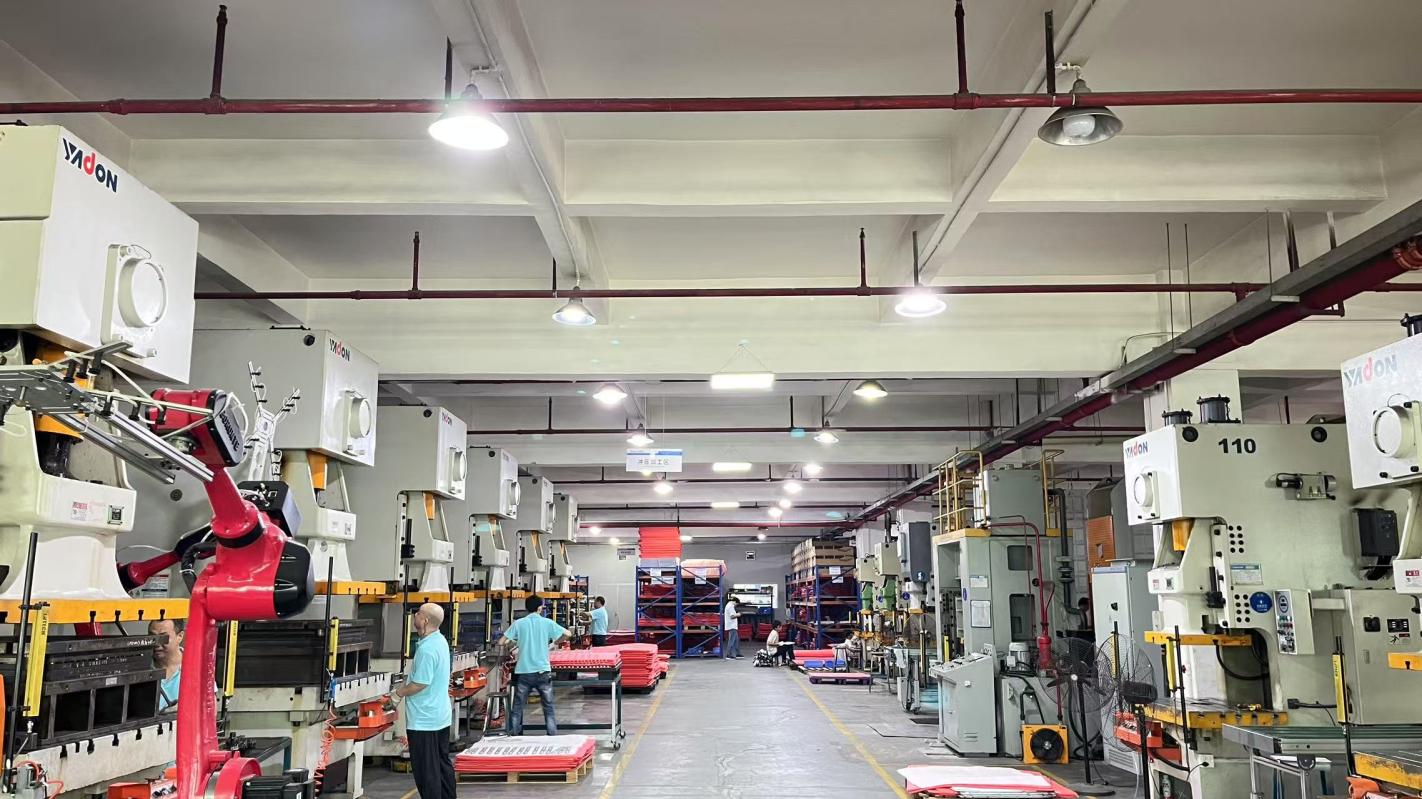
Processing rigid, heavy metal cores requires robust fabrication machinery. China's top-tier manufacturers utilize high-accuracy automated CNC routers and precise V-scoring machines. This setup prevents mechanical micro-cracks in the ceramic-filled dielectric layer, ensuring product safety during high-stress assembly and field operations.
Reputable manufacturers in China operate with ISO9001, UL (Underwriters Laboratories), and RoHS compliance. The integration of Flying Probe E-Test, automated optical inspection (AOI), and high-pot testing provides global engineering teams with reliable components that meet local regulatory standards.
In modern high-speed server environments, performance components are regularly subjected to elevated operating temperatures. The primary challenge is preventing the core temperature of power ICs, memory dies, and LED junctions from exceeding their maximum rated operating limits. Standard heat dissipation designs rely on passive conductive transfer through multi-layered thermal vias, which can introduce thermal impedance bottlenecks.
Aluminum PCBs bypass this limitation by eliminating the high-thermal-resistance FR4 substrate layer entirely from the primary heat path. The direct contact between the copper circuit foil, the high-conductivity dielectric layer, and the aluminum base sheet creates a low-thermal-resistance pathway. This enables efficient thermal energy dissipation away from key functional elements, preserving signal integrity and operational stability under load.
Integrating Advanced DRAM Memory Modules with Robust Thermal Substrate Engineering from Shenzhen, China
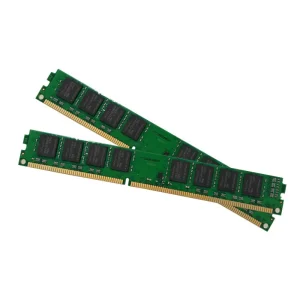
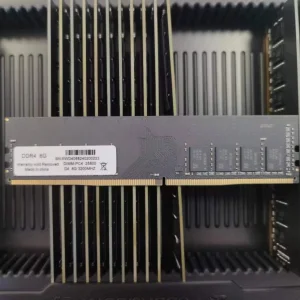
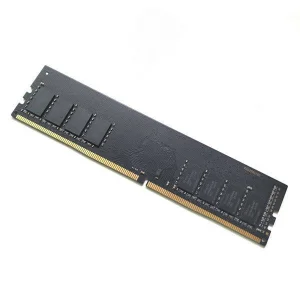
Novram Electronics Co., Ltd. is a professional DDR5 memory manufacturer based in Shenzhen, China, dedicated to delivering high-performance DRAM solutions for global OEM, ODM, and industrial customers. Established in 2016, the company has grown into a reliable supplier of DDR5 memory modules, serving partners across consumer electronics, industrial automation, embedded systems, gaming, and enterprise computing.
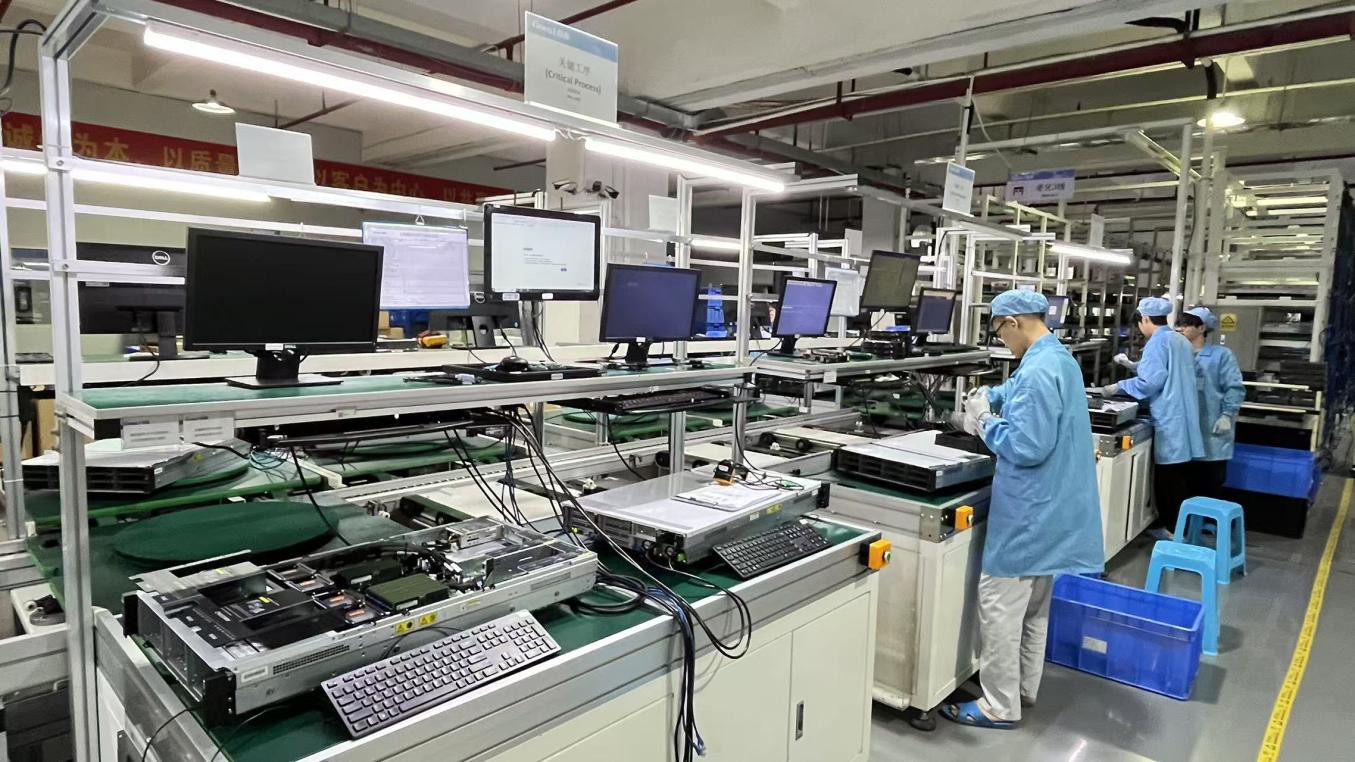
Operating from a modern 3,860㎡ manufacturing facility, Novram integrates advanced production equipment, strict quality management, and continuous R&D innovation to ensure every memory module meets international performance and reliability standards. Our experienced engineering team focuses on developing high-speed, stable, and energy-efficient DDR5 products for diverse computing applications.
With 9 years of industry experience and 7 years of export experience, Novram exports products to customers in more than 40 countries. The company achieves an annual export revenue of approximately US$18.6 million, supported by an efficient global supply chain and responsive customer service.
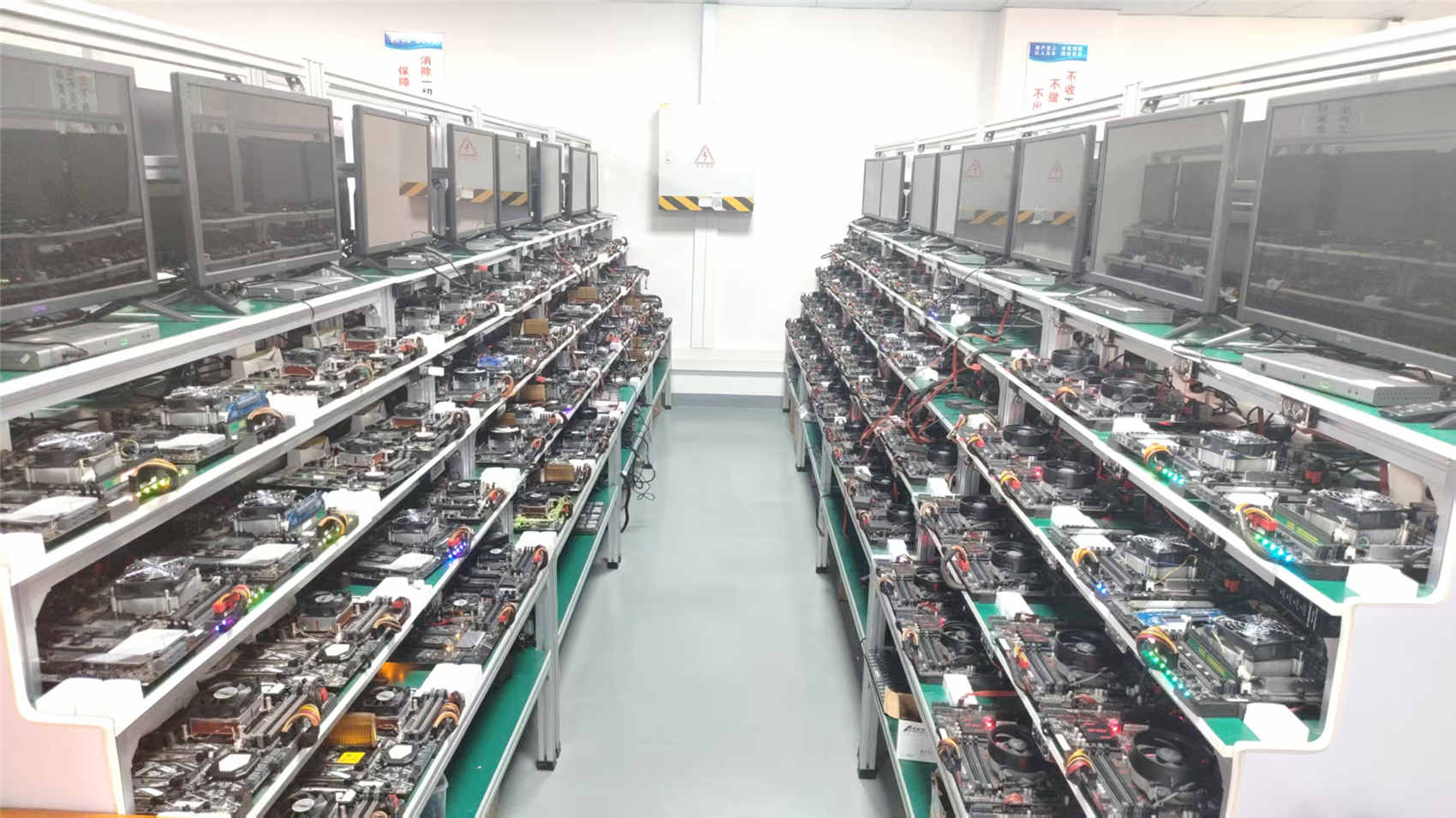
Quality is at the core of everything we do. Every DDR5 memory module undergoes 100% functional testing, compatibility testing, burn-in testing, temperature testing, and aging verification before shipment. Our quality control department consists of 42 professional inspectors, ensuring consistent product performance and long-term reliability.
Novram maintains strong partnerships with over 860 qualified supply chain partners, enabling stable production capacity and reliable component sourcing. Our primary customers include memory module brands, computer manufacturers, industrial PC companies, system integrators, distributors, wholesalers, and OEM/ODM partners worldwide.
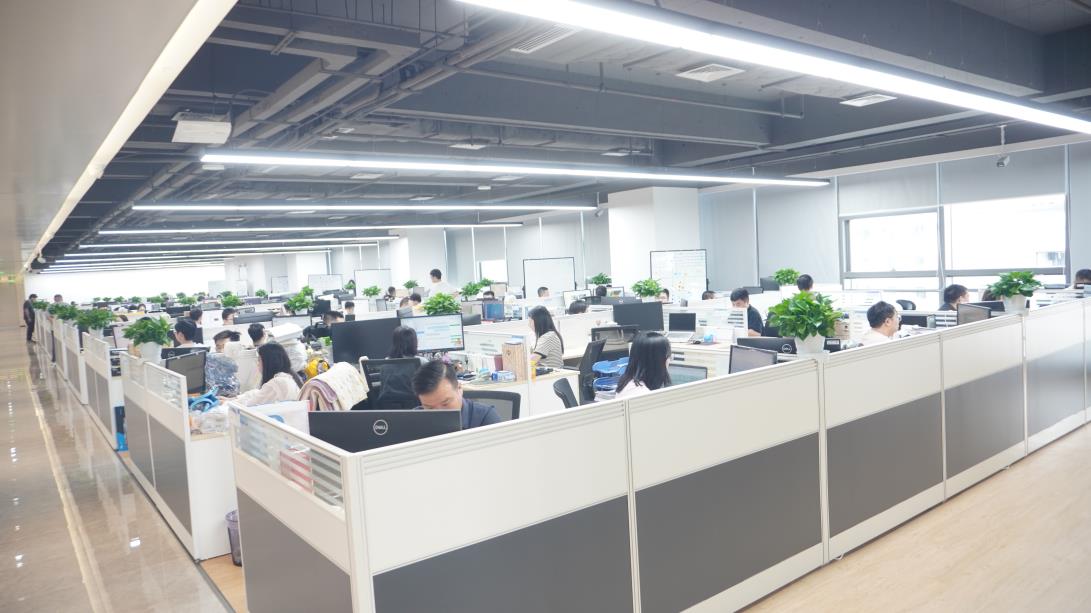
Innovation drives our competitiveness. Our dedicated R&D center is staffed by 76 experienced engineers, allowing us to introduce approximately 138 new products each year. We provide comprehensive OEM, ODM, private label, logo printing, packaging customization, capacity customization, firmware optimization, and product specification customization to meet different market requirements.
How technological advances are pushing the boundaries of mechanical and electrical design paradigms.
To reduce spatial dimensions, multi-layered layouts are shifting to hybrid FR4-aluminum structures, allowing logic controls and high-heat power elements to sit on a unified, cost-effective board assembly.
High-speed DDR5 platforms operate with tighter signaling margins. Utilizing thin metal cores provides a reliable ground plane shield that reduces electromagnetic interference (EMI) while maintaining low thermal resistance.
Environmental standards are driving the adoption of clean surface finishes like OSP (Organic Solderability Preservatives), Immersion Gold (ENIG), and Lead-Free Hot Air Solder Leveling (HASL) to satisfy green product initiatives.
Global procurement teams prioritize reliable sourcing and delivery schedules. The manufacturing cycle for customized metal substrates involves precise CNC milling, drilling, dielectric isolation layer lamination, copper circuitry formation, and surface plating. Managing these steps effectively requires deep material supply chains and robust logistics controls. Working with integrated suppliers located in primary logistics clusters (such as Shenzhen) helps control transit times, secure raw inputs, and maintain stable production capacity.
Answers to common questions regarding engineering specifications, thermal modeling, and metal substrate manufacturing.
Access our complete product line of memory modules, customized PCB fabrications, and cooling assemblies designed for global distribution.