Novram
Novram
Novram
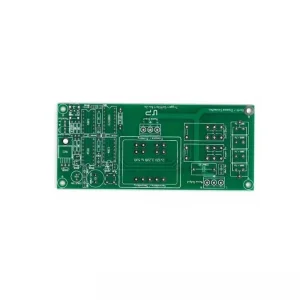
The global audio and video (AV) industry has experienced a paradigm shift, transitioning from baseband analog signals to ultra-high-definition (UHD) digital streams. High-performance printed circuit boards (PCBs) act as the silent bedrock supporting this complex digital migration. Whether processing 8K video streams at high frame rates or running real-time Spatial Audio algorithms, the demand for highly reliable, impedance-controlled, and EMI-shielded PCBs has skyrocketed across the automotive, broadcast media, smart home, and enterprise IT segments.
Professional broadcasting studios require zero-latency processing units. This necessitates PCBs utilizing advanced FR4 substrates or high-speed laminates with precise dielectric constants (Dk) to control trace impedance and preserve digital video integrity over 12G-SDI or VoIP networks.
Modern vehicles deploy multi-camera systems, digital clusters, and rear-seat entertainment. The PCBs must survive high temperatures, vibration, and stringent electromagnetic compatibility (EMC) regulations, making strict automotive-grade testing mandatory.
Audiophile decoders require pristine audio output. Eliminating the thermal and electromagnetic noise floor demands optimized PCB layout topologies, distinct separating of analog and digital ground planes, and specialized decoupling capacitor networks.
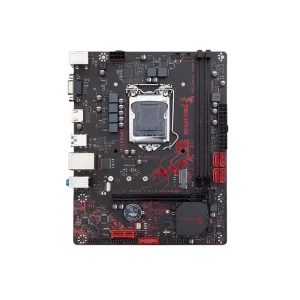
As AI integration accelerates edge processing, AV hardware increasingly integrates graphics coprocessors, DSP chips, and high-frequency memory blocks. This has unified PCB manufacturing with compute thermal management, forcing developers to look at the system holistically—addressing motherboard trace layouts, memory buffers, and passive/active cooling solutions simultaneously.
To design or source high-end AV electronic modules, manufacturers must address three core dimensions: Signal Integrity (SI), Electromagnetic Compatibility (EMC), and Thermal Equilibrium. Here is a technical breakdown of how Novram Electronics and partner networks architect high-performing AV assemblies.
Standard FR4 substrates can display excessive signal attenuation at gigahertz-range frequencies. High-frequency digital audio and video transmission rely on multi-layer stack-ups. In a typical 6-to-12 layer board, signal traces carrying HDMI 2.1 or high-definition audio data are sandwiched between solid ground planes. Impedance matching, typically calibrated to 50Ω single-ended and 100Ω differential, prevents reflections and jitter that compromise video frame rates or acoustic purity.
Crosstalk occurs when high-frequency digital trace lines run parallel to analog lines. To prevent the high-frequency clock signals of memory modules (like DDR4/DDR5) from bleeding hums or visual artifacts into audio/video paths, engineers employ the "3W rule" for trace spacing. Furthermore, stitching vias are placed along routing boundaries to establish virtual shielding walls, alongside physical metallic shielding cages mounted directly over the audio/video decoding chips.
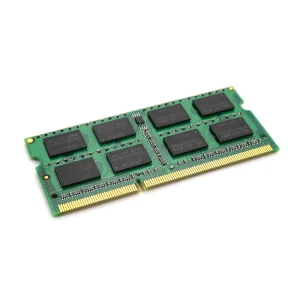
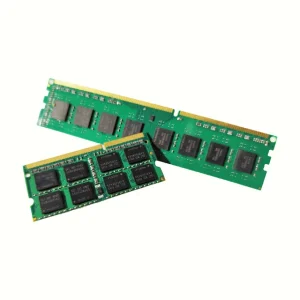
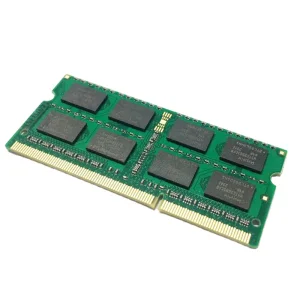
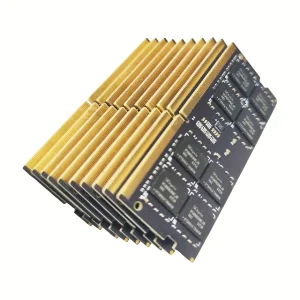
Modern AV hardware processors demand high dynamic current surges. A robust power delivery network utilizes low-ESR decoupling capacitors directly at the IC power pins to stabilize voltages. The integration of high-speed memory buffers (e.g. DDR4 or DDR5 RAM) requires precise, ultra-stable voltages to prevent memory corruption or bit flips that manifest as video dropouts or audible pops in the output stream.
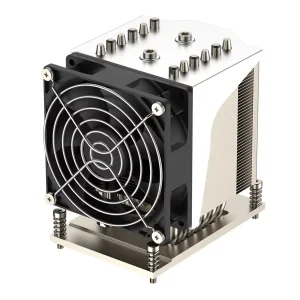
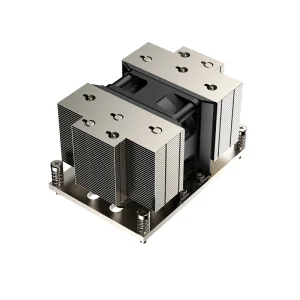
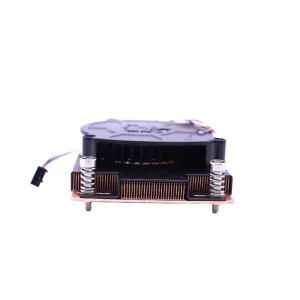
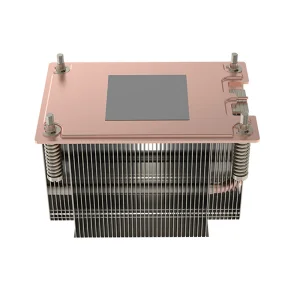
Processors driving AI upscaling, high-definition digital rendering, and multi-channel matrix routing generate substantial heat. Active air-cooling server fans and massive copper-base heatsinks (such as LGA4677, SP3, or AM5 configurations) are deployed to handle thermal loads ranging from 200W to 300W+. Efficient thermal design prevents thermal throttling, extending the lifespan of neighboring audio-decoding capacitors and DRAM storage blocks.
Novram Electronics Co., Ltd. is a professional DDR5 memory manufacturer based in Shenzhen, China, dedicated to delivering high-performance DRAM solutions for global OEM, ODM, and industrial customers. Established in 2016, the company has grown into a reliable supplier of DDR5 memory modules, serving partners across consumer electronics, industrial automation, embedded systems, gaming, and enterprise computing.
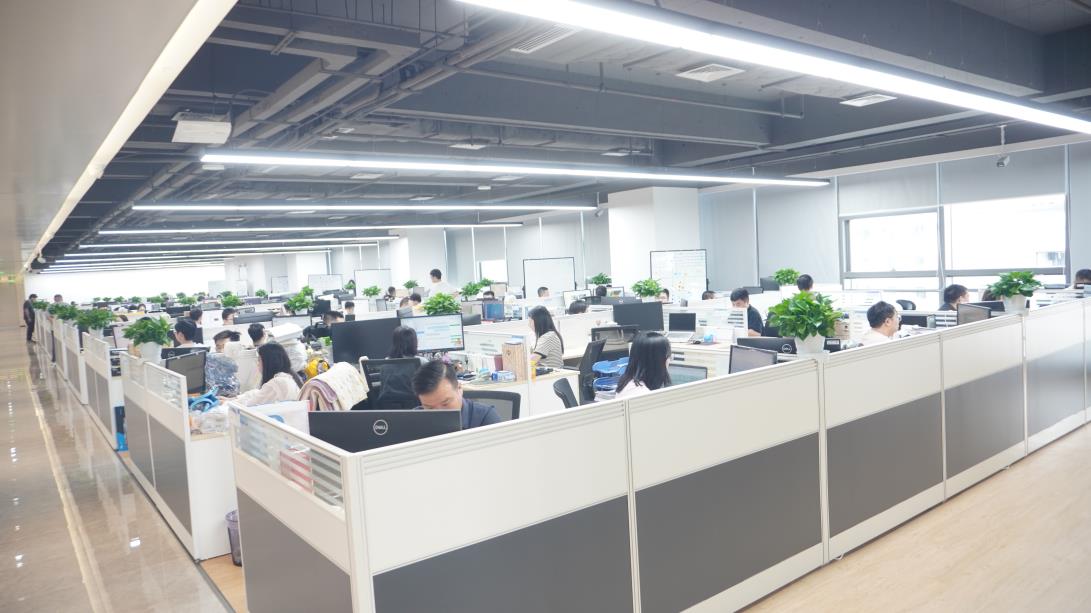
Operating from a modern 3,860㎡ manufacturing facility, Novram integrates advanced production equipment, strict quality management, and continuous R&D innovation to ensure every memory module meets international performance and reliability standards. Our experienced engineering team focuses on developing high-speed, stable, and energy-efficient DDR5 products for diverse computing applications.
With 9 years of industry experience and 7 years of export experience, Novram exports products to customers in more than 40 countries. The company achieves an annual export revenue of approximately US$18.6 million, supported by an efficient global supply chain and responsive customer service.
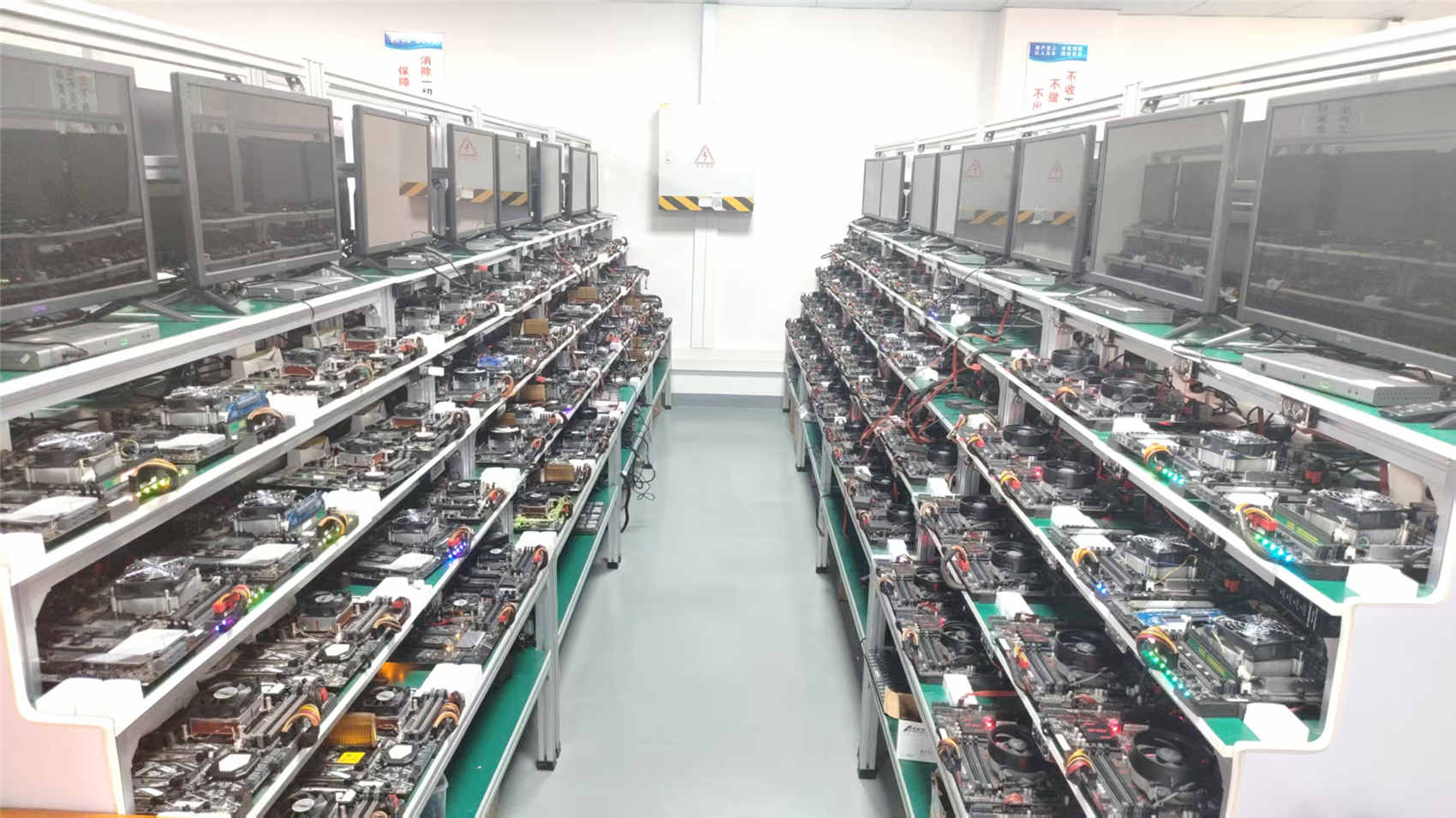
Quality is at the core of everything we do. Every DDR5 memory module undergoes 100% functional testing, compatibility testing, burn-in testing, temperature testing, and aging verification before shipment. Our quality control department consists of 42 professional inspectors, ensuring consistent product performance and long-term reliability.
Novram maintains strong partnerships with over 860 qualified supply chain partners, enabling stable production capacity and reliable component sourcing. Our primary customers include memory module brands, computer manufacturers, industrial PC companies, system integrators, distributors, wholesalers, and OEM/ODM partners worldwide.
Innovation drives our competitiveness. Our dedicated R&D center is staffed by 76 experienced engineers, allowing us to introduce approximately 138 new products each year. We provide comprehensive OEM, ODM, private label, logo printing, packaging customization, capacity customization, firmware optimization, and product specification customization to meet different market requirements.
Today, Novram continues to invest in advanced manufacturing technologies, strict quality assurance, and customer-focused innovation. Our mission is to become a trusted global partner for high-performance DDR5 memory solutions by delivering reliable products, flexible customization, competitive pricing, and professional technical support.


The convergence of artificial intelligence, edge computing, and real-time streaming interfaces is shaping the future of AV electronics. Multi-layer circuit assemblies are adapting to meet these evolving paradigms. The industry is progressing along several key fronts:
Processing uncompressed 8K at 120Hz requires bandwidths up to 48 Gbps. Next-generation AV boards utilize High-Density Interconnect (HDI) technology with microvias and ultra-thin copper structures to manage high-speed differential signal pathways safely.
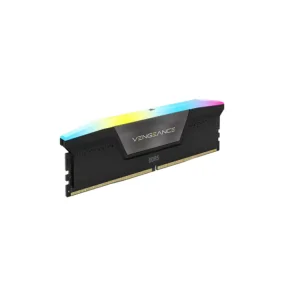
As video resolutions climb, buffering high-bandwidth data demands ultra-fast memory pipelines. Integrating high-speed DDR5 modules onto processing boards reduces frame buffering latency, ensuring fluid playback and glitch-free real-time rendering.
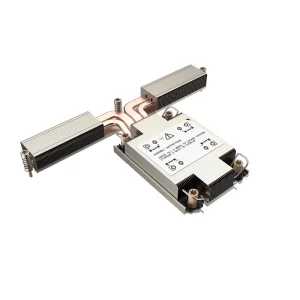
AV matrices running continuously require advanced thermal interface materials (TIMs) and cooling solutions. 300W+ server-grade copper vapor chamber heatsinks prevent overheating inside compact AV switchers and broadcast encoder cabinets.
Modern commercial infrastructure demands end-to-end hardware ecosystems. High-speed signal processing requires a combination of quality PCBs, robust processor nodes, and thermal control hardware. We support three primary macro industrial configurations:
Modern building complexes route audio and video over standard Ethernet networks. Processing these signals requires dedicated matrix distribution boards equipped with stable memory buffers (such as DDR4 or DDR5 RAM) and high-density processor sockets cooled by passive or active heatsinks. This configuration allows continuous 24/7 video wall rendering and audio synchronization across different zones without thermal degradation.
Real-time chroma keying, virtual studio production, and automatic camera tracking depend on hardware that can run AI models locally. By combining high-speed PCB layouts with active cooling solutions (like the LGA4677 or AM5 2U/4U coolers), production studios can operate heavy AI rendering systems reliably, avoiding system stalls or dropped frames during live broadcasts.
In high-fidelity home audio and professional recording studios, preserving analog audio purity is critical. Using isolated dual-sided FR4 PCBs coupled with specialized linear power supply circuits and silent cooling blocks keeps the signal-to-noise ratio (SNR) above 115dB. This limits the total harmonic distortion (THD) and preserves the original recording quality.
When sourcing PCBs for audio applications, focus on the manufacturer's ability to maintain tight trace impedance tolerances (within ±5% or better), implement dedicated analog/digital ground splits, design low-impedance power planes, and offer high-quality FR4 substrates with low loss tangents. The capability to assemble components with high positioning accuracy is also essential for maintaining clean signal routing and avoiding parasitic capacitance.
High-definition video rendering, 8K matrix switching, and real-time AI image enhancement generate significant thermal energy. Without active or high-efficiency passive cooling (such as Vapor Chamber heat pipes or 4-pin PWM server-grade fans), processors can quickly reach thermal limits, leading to frequency throttling, frame dropouts, or permanent component damage. Proper cooling keeps operating temperatures within safe limits, ensuring long-term system stability.
Digital video streams consist of massive packets of data that must be processed sequentially. Memory acts as the buffer reservoir. High-speed, low-latency DDR4 or DDR5 RAM modules allow processors to buffer multiple video frames seamlessly. DDR5, with its higher transfer speeds and dual-channel architecture, provides the bandwidth needed to handle uncompressed 4K and 8K streams without bottlenecking the system.
To ensure reliability, components must undergo comprehensive testing, including: 100% functional testing, automatic optical inspection (AOI), X-ray inspection for multi-layer vias, environmental temperature testing, burn-in validation under load, and compatibility testing with target hardware configurations. Novram Electronics utilizes 42 professional inspectors to manage quality control across all memory and PCB products before shipment.