Novram
Novram
Novram
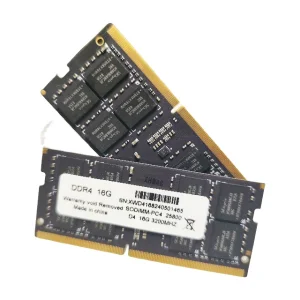
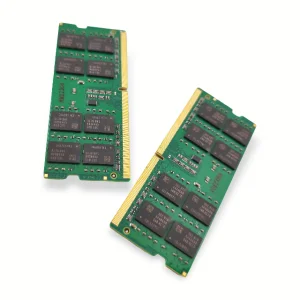
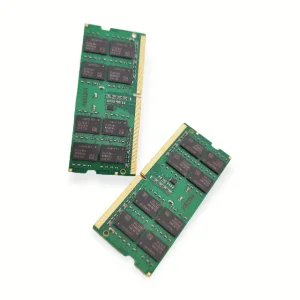
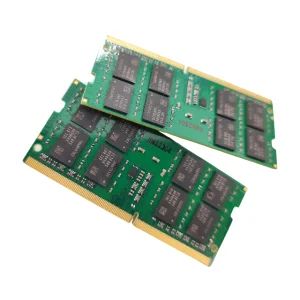
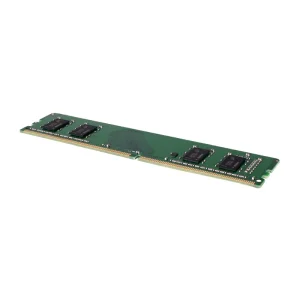
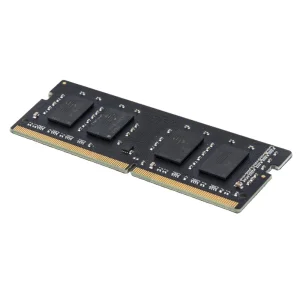
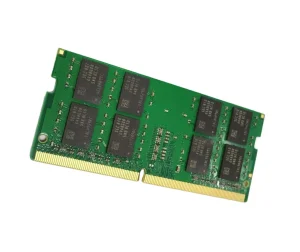
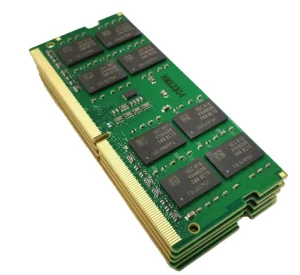
Factory-direct ready-to-ship laptop memory modules. Rigorously tested under 100% system loads.
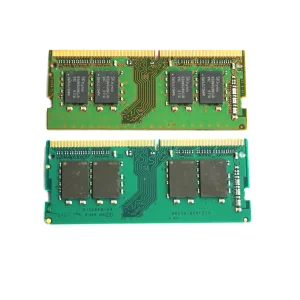
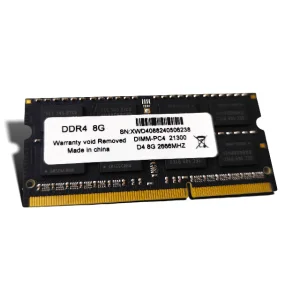
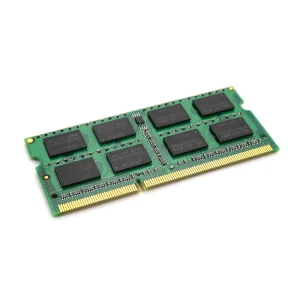
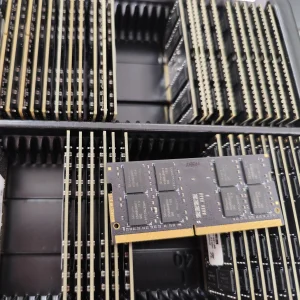
Decoding the technical evolution of Laptop DDR RAM from DDR3 to high-speed DDR5 platforms.
In the highly specialized realm of laptop assembly, industrial computing, and enterprise-grade embedded architectures, memory components function as the central nervous system. The evolution of SO-DIMM (Small Outline Dual In-line Memory Module) laptop memory demands strict adherence to physical limits, signal integrity, and thermal performance parameters. Modern factories must design layouts that satisfy the high constraints of shrinking motherboard footprints, while catering to the continuous increase in processing speeds.
Operating primarily at 1.5V (standard) or 1.35V (DDR3L), DDR3 remains a legacy standard utilized in specialized industrial terminals, legacy POS systems, and embedded computers. Providing frequencies like 1333MHz and 1600MHz, it provides reliable stability for non-intensive computing cycles.
Operating at a leaner 1.2V base, DDR4 laptop RAM covers a wide performance band (2133MHz to 3200MHz). Key improvements over DDR3 include cyclic redundancy checks (CRC) for data reliability, on-die termination (ODT), and write-leveling, making it the bedrock of contemporary commercial enterprise laptops.
Pushed to an ultra-efficient 1.1V, DDR5 transitions power management from the motherboard directly to the DIMM via a Power Management IC (PMIC). Incorporating On-Die ECC (Error Correction Code) and dual sub-channels, it starts at 4800MHz and stretches beyond 6000MHz to satisfy the intensive demands of AI-accelerated laptop computing.
For decades, ECC (Error-Correcting Code) was exclusive to high-end enterprise servers and workstations. However, as silicon processes shrink down to sub-10nm levels, individual memory cells become prone to spontaneous, radiation-induced single-bit errors. In the DDR5 generation, On-Die ECC is natively integrated on every single chip, allowing the memory to self-correct internal bit flips prior to sending data to the system processor. For enterprise laptop environments where system downtime means financial losses, this architectural upgrade offers a significant step up in system resilience.
Established in 2016, leading the semiconductor memory manufacturing sector in Shenzhen, China.
Novram Electronics Co., Ltd. is a professional DDR5 memory manufacturer based in Shenzhen, China, dedicated to delivering high-performance DRAM solutions for global OEM, ODM, and industrial customers. Established in 2016, the company has grown into a reliable supplier of DDR5 memory modules, serving partners across consumer electronics, industrial automation, embedded systems, gaming, and enterprise computing.
Operating from a modern 3,860㎡ manufacturing facility, Novram integrates advanced production equipment, strict quality management, and continuous R&D innovation to ensure every memory module meets international performance and reliability standards. Our experienced engineering team focuses on developing high-speed, stable, and energy-efficient DDR5 products for diverse computing applications.
With 9 years of industry experience and 7 years of export experience, Novram exports products to customers in more than 40 countries. The company achieves an annual export revenue of approximately US$18.6 million, supported by an efficient global supply chain and responsive customer service.
Quality is at the core of everything we do. Every DDR5 memory module undergoes 100% functional testing, compatibility testing, burn-in testing, temperature testing, and aging verification before shipment. Our quality control department consists of 42 professional inspectors, ensuring consistent product performance and long-term reliability.
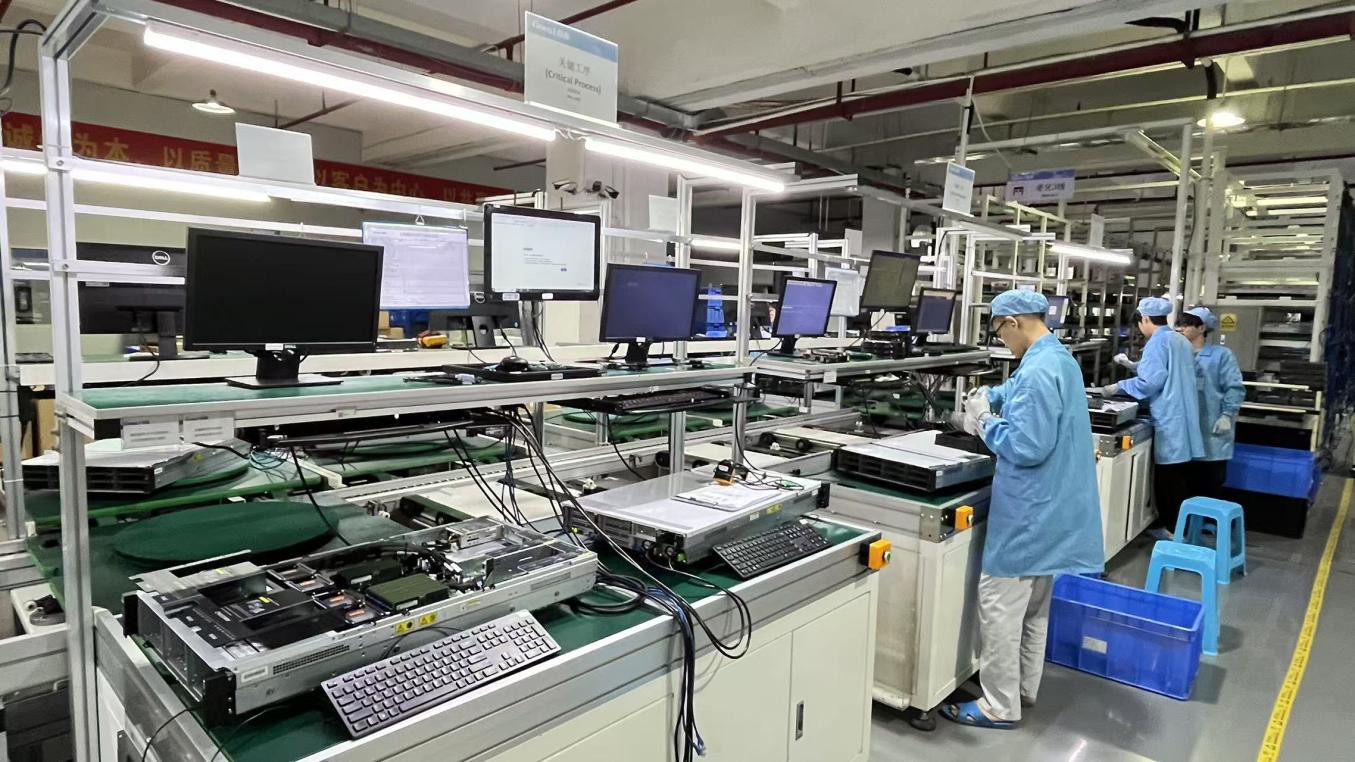
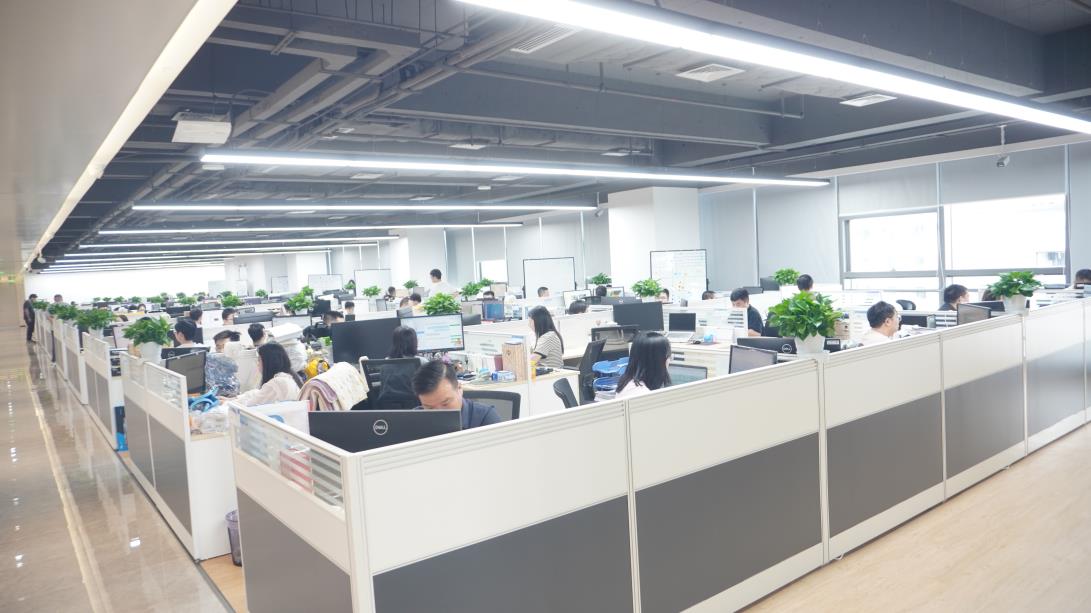
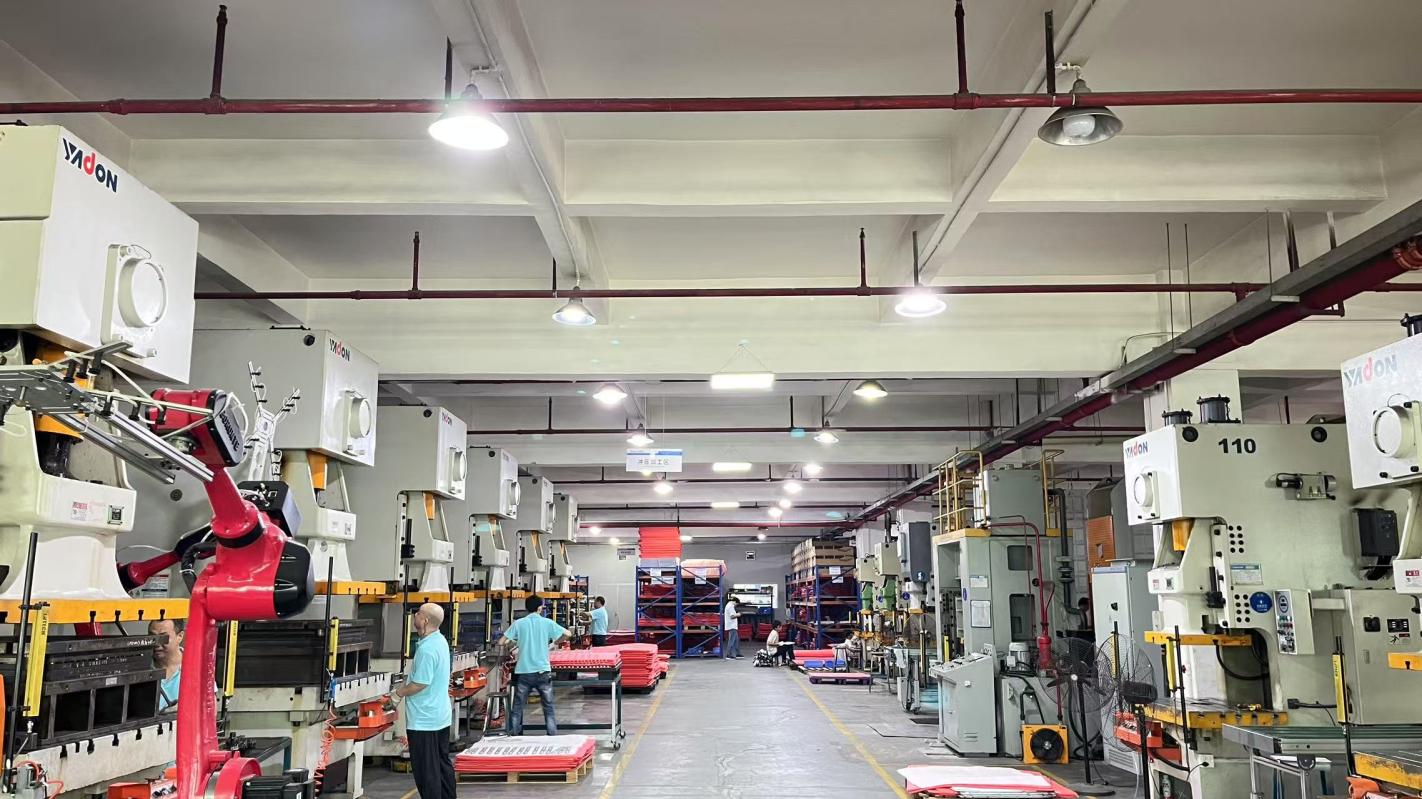
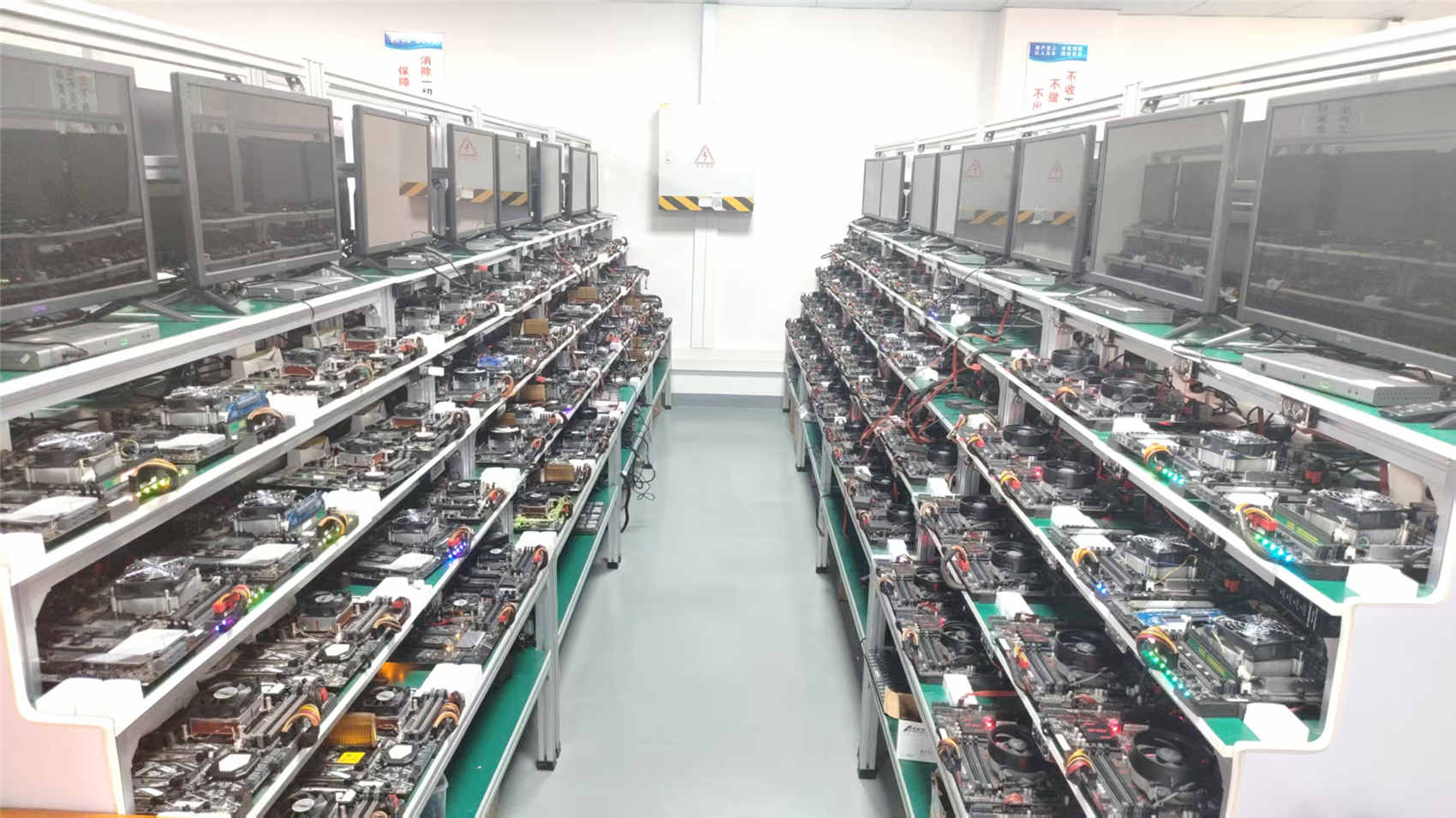
Novram maintains strong partnerships with over 860 qualified supply chain partners, enabling stable production capacity and reliable component sourcing. Our primary customers include memory module brands, computer manufacturers, industrial PC companies, system integrators, distributors, wholesalers, and OEM/ODM partners worldwide. Innovation drives our competitiveness. Our dedicated R&D center is staffed by 76 experienced engineers, allowing us to introduce approximately 138 new products each year. We provide comprehensive OEM, ODM, private label, logo printing, packaging customization, capacity customization, firmware optimization, and product specification customization to meet different market requirements.
The strategic supply chain advantages of Shenzen-based high-density SMT manufacturing.
Shenzhen hosts the most concentrated semiconductor assembly, testing, and packaging (OSAT) ecosystem in the world. As a dedicated laptop DDR RAM factory, Novram taps directly into localized access for multi-layer PCBs, high-reliability PMICs, passive components (MLCCs), and thermal dissipation materials. This proximity cuts design-to-prototype cycles down from months to a matter of days.
Reliable Chinese RAM manufacturers maintain direct relationships with major global silicon foundries. Through strict supply agreements, companies like Novram secure original, grade-A dies from industry giants, ensuring that every finished laptop memory module matches JEDEC compliance and achieves stable, long-term operational longevity.
By using fully automated Siemens and Yamaha SMT (Surface Mount Technology) placement lines, factories in China minimize manual placement errors. Advanced solder paste inspection (SPI), automated optical inspection (AOI), and in-circuit testing (ICT) ensure high yields, delivering major cost savings back to global buyers.
Unlike global tier-1 brand conglomerates with rigid, inflexible production schedules, China-based factories excel in agile production. Whether you need customized industrial SPD firmware configurations, ruggedized high-temperature underfill coatings, or specialized private label packaging, the manufacturing workflow adapts to custom specifications.
A rigorous methodology for B2B procurement managers to evaluate and audit DDR RAM manufacturers.
For corporate purchasing departments, importing electronics at scale requires deep compliance oversight. Memory modules are sensitive to electrostatic discharge (ESD), storage temperature fluctuations, and assembly variances. The following blueprint highlights key criteria for auditing a prospective Laptop DDR RAM memory factory:
The rise of the AI PC has shifted requirements for client-side device architectures. Edge-based Large Language Models (LLMs) demand rapid memory throughput to prevent CPU bottlenecks. Consequently, purchasing agents are shifting requests toward 16GB and 32GB DDR5 modules running at 5600MHz to 6000MHz. At the same time, specialized industrial sectors require custom SPD (Serial Presence Detect) firmware profiles, allowing modules to run reliably inside Fanless PCs, rugged military tablets, and automated CNC controllers under variable voltage environments.
Addressing technical, logistics, and production inquiries for bulk B2B memory procurement.
High-compatibility modules built to extend hardware service lifecycles.