Novram
Novram
Novram
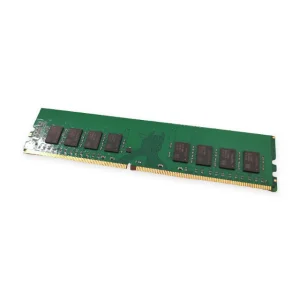
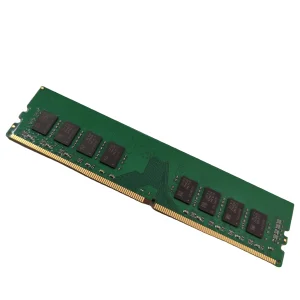
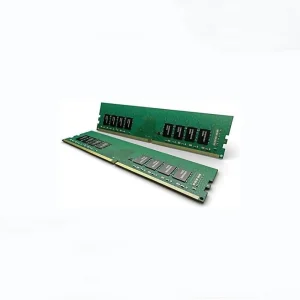
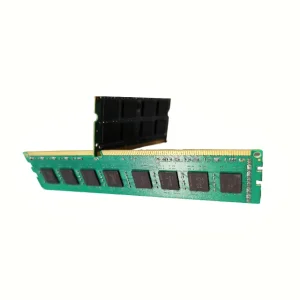
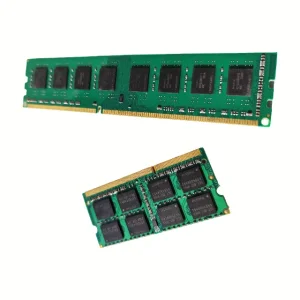
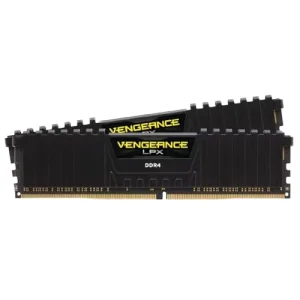
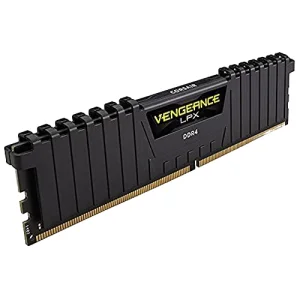
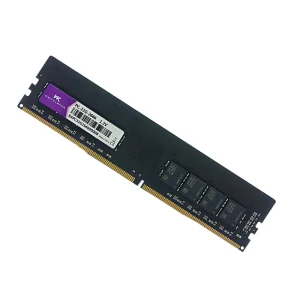
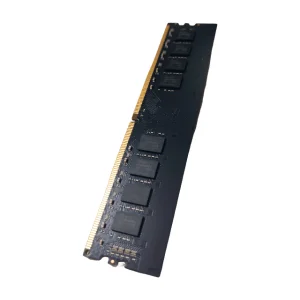
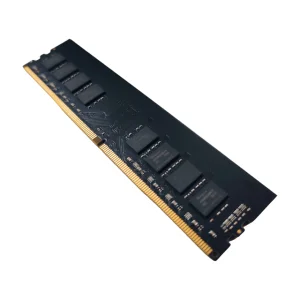
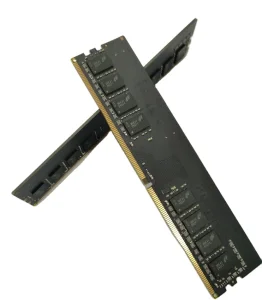
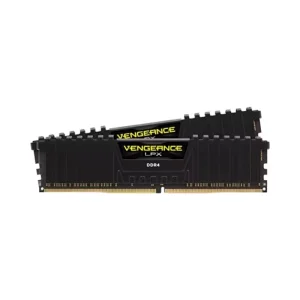
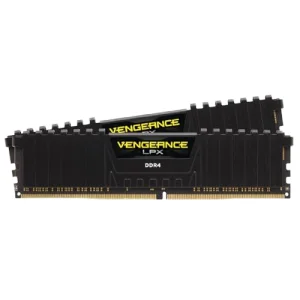
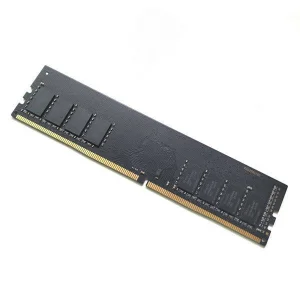
In the rapidly shifting landscape of modern silicon architecture, DDR4 RAM memory remains the fundamental infrastructure supporting global computational infrastructure. While newer standards like DDR5 are gaining footing in bleeding-edge client platforms, DDR4 stands as the undisputed market leader in stability, thermal efficiency, cost-to-performance ratio, and hardware compatibility. Industrial control systems, edge servers, commercial workspaces, and localized automation frameworks rely heavily on the mature, highly predictable operational characteristics of DDR4.
Globally, procurement strategies have shifted. Rather than immediately chasing higher frequencies that increase motherboard engineering complexity and overall hardware budget envelopes, system design houses focus on high-yield, long-lifecycle memory components. From micro-computers driving diagnostic machinery in medical laboratories to robust high-density desktops managing multi-threaded logistics pipelines in North American distribution hubs, DDR4 memory modules offer the perfect balance of latency control and structural thermal limits.
Evaluating desktop and laptop platforms requires a thorough understanding of speed thresholds, pin geometry, and power structures. While consumer focus often shifts to raw transfer frequency, industrial applications require deep assessment of JEDEC compliance profiles, signal termination resistance (ODT), and CAS Latency. The table below represents standard specifications for the primary DDR4 tiers manufactured at our advanced Shenzhen plant.
| Memory Generation | Standard Frequency | Bandwidth (Per Module) | Voltage Required | Primary Latency Profiles | Recommended Deployment |
|---|---|---|---|---|---|
| DDR4 (PC4-19200) | 2400 MHz | 19.2 GB/s | 1.2V | CL17-17-17 | Legacy Industrial PC, POS System |
| DDR4 (PC4-21300) | 2666 MHz | 21.3 GB/s | 1.2V | CL19-19-19 | Corporate Desktop, Thin Client |
| DDR4 (PC4-25600) | 3200 MHz | 25.6 GB/s | 1.2V | CL22-22-22 | Enterprise Workspace, Heavy Workstation |
| DDR4 (Custom Oc/XMP) | 3600 MHz | 28.8 GB/s | 1.35V | CL16-18-18 / CL18-22-22 | Gaming Station, Custom Graphics Rendering |
By utilizing multi-layer PCB design configurations (ranging from 8 to 10 layers for consumer standard and 10 to 12 layers for industrial server-grade applications), we minimize cross-talk and preserve electromagnetic compliance. This careful physical structure prevents high-frequency logic failures during extended operation.
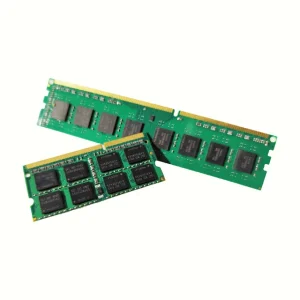
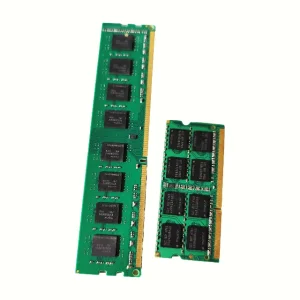
Novram Electronics Co., Ltd. is a leading name in high-performance DRAM memory module manufacturing. While we are highly regarded as a progressive DDR5 memory manufacturer, we sustain a robust, high-volume production output of desktop DDR4 and laptop memory units to fulfill the vast global market demand. Headquartered in Shenzhen, China, we are dedicated to providing state-of-the-art DRAM solutions for OEM, ODM, and industrial enterprises worldwide.
Since our founding in 2016, Novram has grown into a reliable cornerstone supplier in the silicon memory industry. Operating from a modern 3,860㎡ manufacturing facility, we integrate advanced automated placement machinery (SMT lines), strict thermal chambers, and next-generation testing software. This infrastructure ensures that every memory module leaving our plant meets international standards for speed and reliability.
Backed by 9 years of industry experience and 7 years of export history, we have optimized our supply chains to ship smoothly to over 40 countries. Our annual export revenue has reached approximately US$18.6 million, proving our commercial reliability and operational scale.
Our engineering focus is driven by innovation. With a dedicated R&D center staffed by 76 experienced engineers, we design, test, and release approximately 138 new products each year. This capability allows us to provide comprehensive customization services, including custom SPD configuration, thermal-heatsink styling, logic optimization for legacy motherboards, and bespoke OEM packaging.
At Novram Electronics, quality is an active methodology, not just a label. Every module undergoes a thorough quality process led by our 42 professional inspectors. This workflow includes 100% functional testing under modern operating systems, compatibility testing across multiple chipsets (Intel, AMD, and diverse ARM-based industrial boards), burn-in testing to prevent infant mortality failure modes, and long-term aging verification inside heated test cabinets.
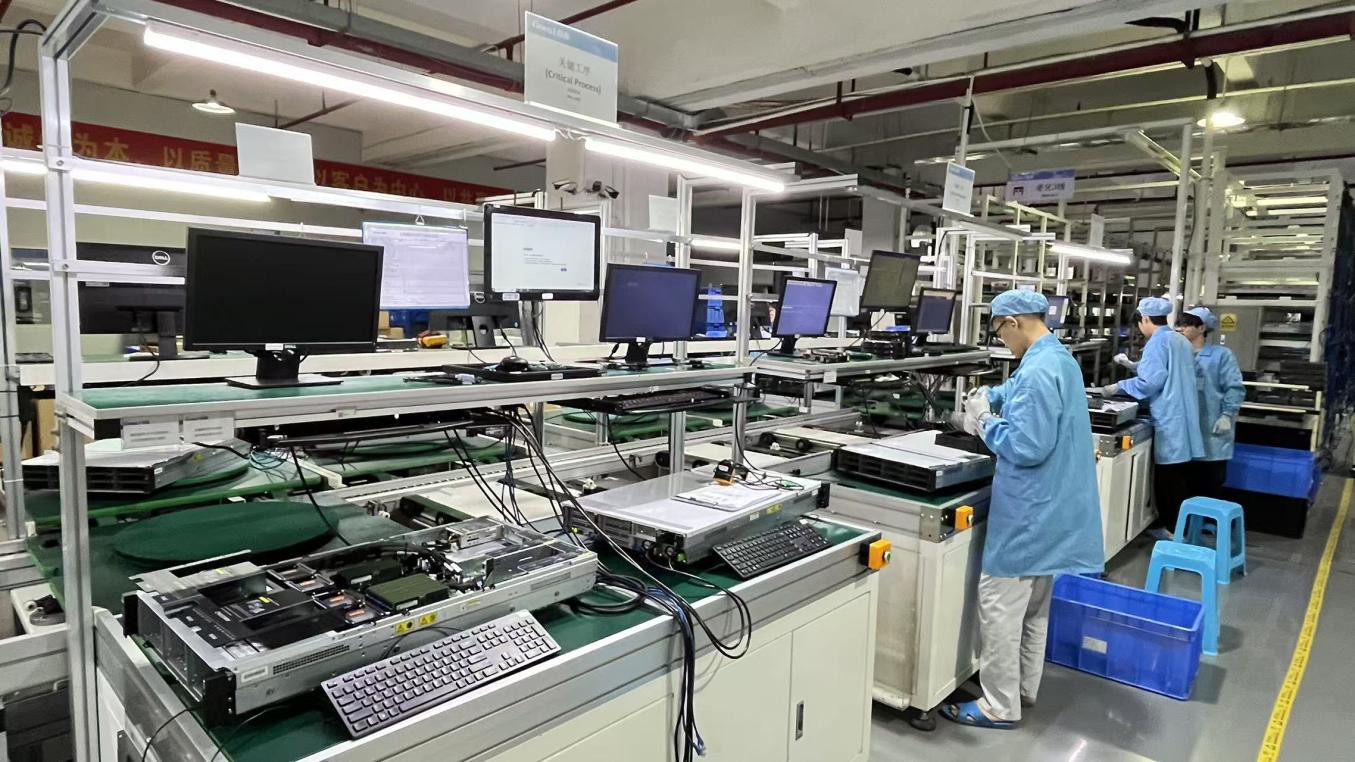

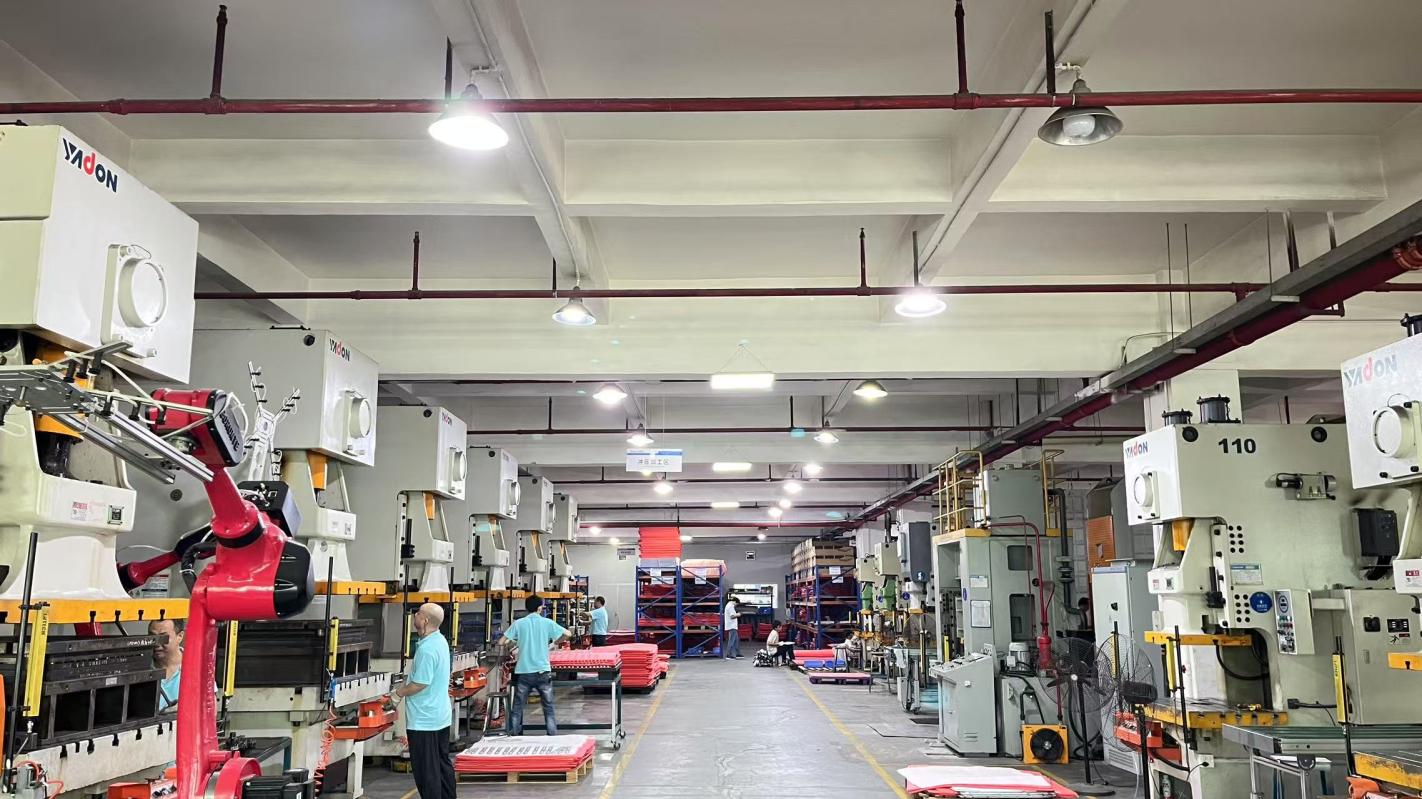
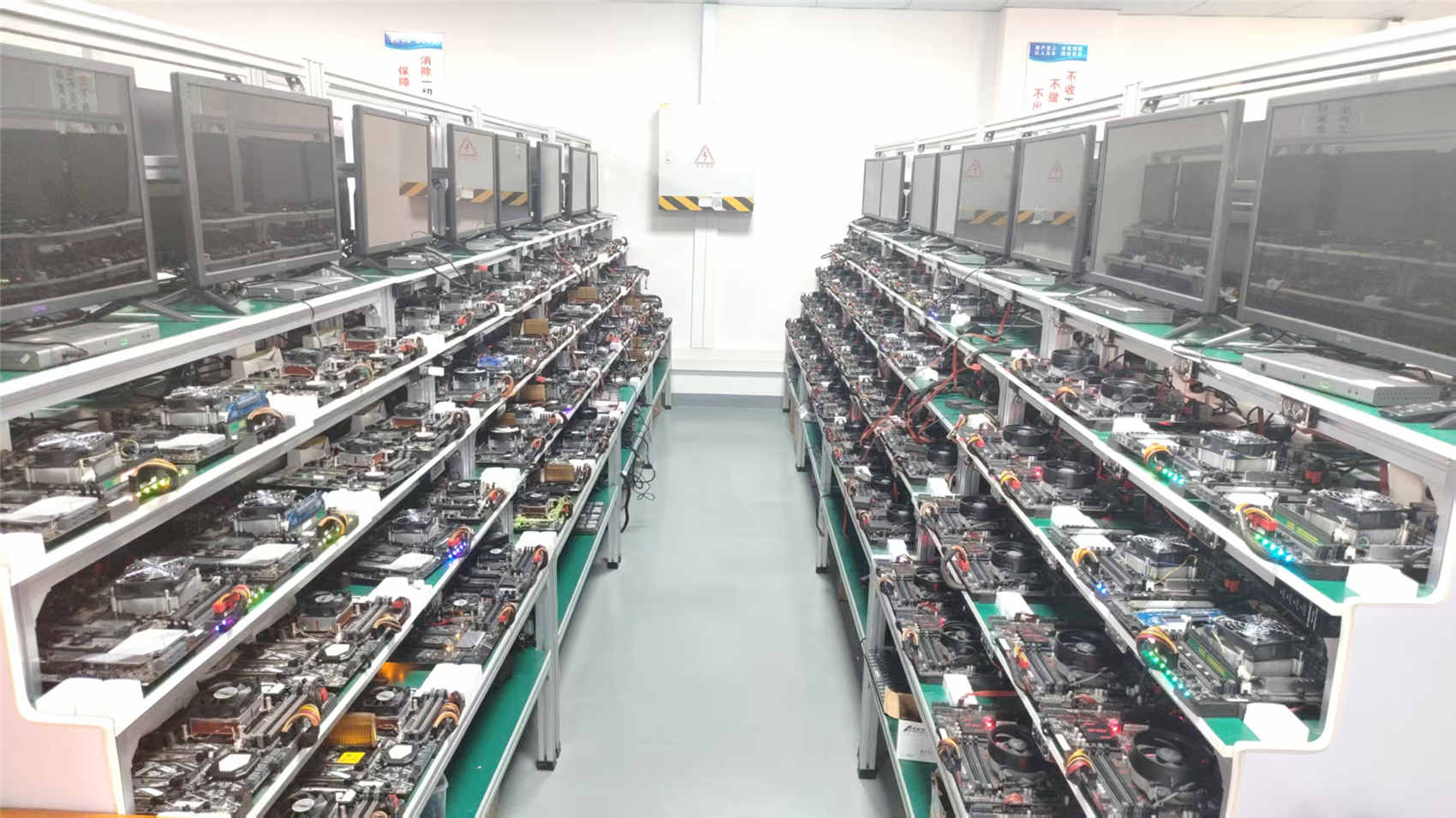
By collaborating with 860 qualified supply chain partners, we secure high-grade DRAM chips (packaged by Samsung, Micron, and SK Hynix) alongside high-TG PCBs and high-durability gold fingers. Our manufacturing practices meet RoHS and CE regulatory standards, ensuring seamless deployment in global markets.
As memory technologies advance, the transition from DDR4 to DDR5 is progressing gradually. Industrial applications rely on long planning cycles, often requiring active maintenance of DDR4 systems until 2030 or later. We address this transition through a dual-production development strategy:
We secure long-term wafer allocations for DDR4 dies from key semiconductor fabs. This ensures that system integrators and defense, medical, or railway contractors can source identical memory modules for years, avoiding costly re-certification cycles.
We are progressively transitioning our high-bandwidth product lines to DDR5. By sharing our SMT capacity, packaging, and validation platforms across both generations, we help clients adapt to new processor architectures as they deploy.
Modern compute infrastructure operates under highly varied environmental conditions. Memory requirements vary widely by application: