Novram Novram

Best DDR5 Memory for Gaming PC What to Look For?

Time:2026-07-23 Author:Ethan
0%

In the realm of gaming, the choice of memory plays a pivotal role. DDR5 for gaming PC represents the latest advancement in speed and efficiency. Industry expert Dr. Emily Tran once stated, "With DDR5, gamers can unlock unprecedented performance and embrace smoother gameplay." This sentiment reflects the growing shift towards DDR5 memory.

As gamers seek the best experience, understanding DDR5's benefits is essential. This new standard brings faster data transfer rates, improving load times and overall performance. However, not all DDR5 modules are created equal. Gamers must consider factors such as latency, speed, and compatibility with their systems.

While many enthusiasts rush to upgrade, it's important to reflect on the actual benefits. Not every game utilizes DDR5's full potential yet. Balancing expectations and investments is crucial. As you consider DDR5 for gaming PC, stay informed and choose wisely.
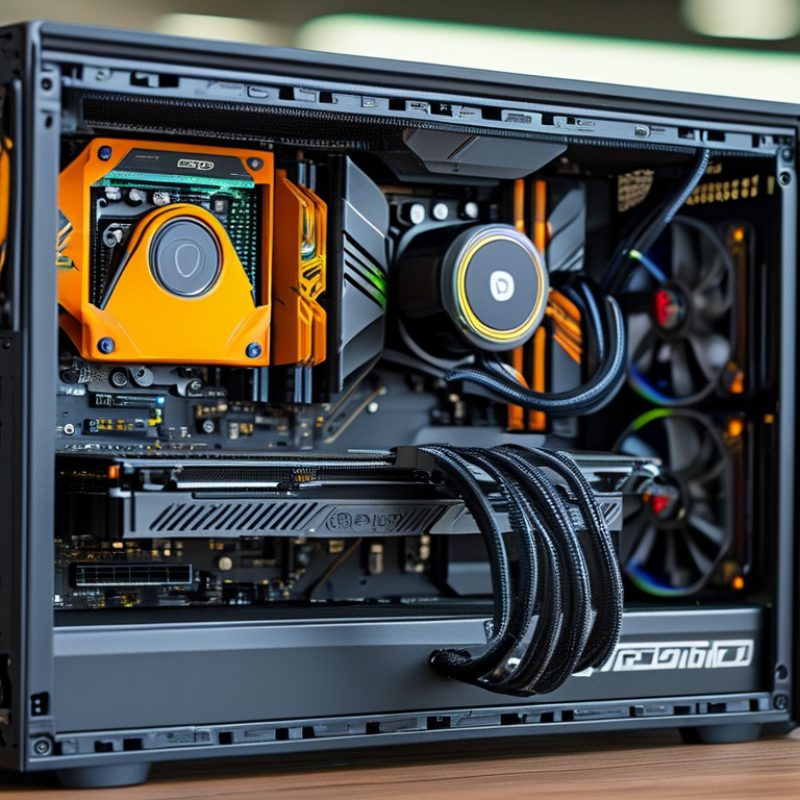
Best DDR5 Memory for Gaming PC What to Look For?

What is DDR5 Memory and How Does It Compare to DDR4?

DDR5 memory represents a significant leap in technology compared to its predecessor, DDR4. Designed for high-performance applications, DDR5 provides increased bandwidth and speed. It offers 4800 MT/s as a standard baseline, while DDR4 typically maxes out at 3200 MT/s. This increase allows for faster data rates, which enhances overall system performance, especially in gaming and demanding applications.

One notable improvement is the efficiency and scalability of DDR5. It supports larger capacities per module, achieving up to 64GB per DIMM. This is a considerable enhancement over DDR4, which generally maxes out around 32GB. Less power consumption is an added benefit. DDR5 operates at 1.1V, a reduction from DDR4's 1.2V, contributing to less heat generation.

Nonetheless, DDR5 also presents challenges. Compatibility issues may arise, as motherboards designed for DDR4 cannot support DDR5. Transitioning to DDR5 may require a complete system overhaul, which can be costly. Moreover, while the theoretical speeds are impressive, real-world gains depend on other components, such as the CPU and GPU. Users should weigh these factors carefully when considering an upgrade to DDR5 memory.

Key Specifications to Consider When Selecting DDR5 Memory for Gaming

When selecting DDR5 memory for your gaming PC, several key specifications come into play. Understanding these can significantly enhance your gaming experience. One essential aspect is the memory speed, measured in megahertz (MHz). Higher speeds typically lead to better performance, especially in memory-intensive games. Look for modules with a minimum of 4800 MHz for optimal results.

Another important factor is the capacity. For most gaming setups, 16GB is the baseline. However, 32GB might be ideal for those looking to future-proof their system. Keep in mind that having more RAM doesn't always guarantee better performance. Game optimization and workload are crucial.

Tips: Always check compatibility with your motherboard. Many users overlook this detail, leading to frustrating experiences. Additionally, consider the latency ratings, expressed as CL numbers. Lower latency can provide snappier performance. Remember, while chasing specs, balance is key. Don't only focus on numbers; actual user feedback can reveal insights about real-world performance.

DDR5 Memory Specifications for Gaming PCs

Impact of DDR5 Speed and Latency on Gaming Performance Indicators

When choosing DDR5 memory for your gaming PC, it's crucial to understand the impact of speed and latency on performance. Higher speeds can significantly enhance data transfer rates, making games run smoother. However, this is not the whole story. Greater speeds often come with increased latency. This means that while the data moves quickly, the time it takes to access that data may increase.

For gamers, latency matters. It affects the responsiveness of your game. A memory module with a lower latency will allow your system to access information faster, which can enhance overall gameplay. Yet, seeking the fastest speed without considering latency might not yield the best results. Gamers may experience sluggish responses, causing friction in gameplay even with high-speed memory.

Ultimately, finding the right balance between speed and latency is essential. It's important to consider your gaming needs. Some games may benefit more from speed, while others rely heavily on latency. Regularly assessing your system's performance will inform future upgrades. Understanding these factors can lead to a more enjoyable gaming experience.

Compatibility Factors: Ensuring DDR5 Memory Works with Your Gaming PC

When choosing DDR5 memory for your gaming PC, compatibility is crucial. Not all motherboards support DDR5, so check your motherboard specifications carefully. Look for the supported memory types listed in the manual. Many older boards are only compatible with DDR4 memory. Ensuring compatibility prevents unnecessary performance issues.

Tips for ensuring compatibility include checking the CPU socket type. Different CPUs support different memory technologies. Additionally, verify that the memory speed aligns with your motherboard’s capabilities. Overclocking might be possible, but stability is essential. Some users may experience crashes or instability if they push their hardware too far.

Another factor to consider is the memory capacity. Aim for at least 16GB for modern gaming. However, moving to 32GB ensures smoother multitasking and future-proofing your setup. Players should balance capacity with speed; high-frequency RAM improves performance but may not justify the cost for all. Reflect on your gaming needs, as simpler games might run well on lesser specifications.

Top Brands and Models of DDR5 Memory Recommended for Gamers

When selecting DDR5 memory for your gaming PC, several key factors come into play. Understanding the specifications first is crucial. Look for DDR5 RAM with high data rates, ideally starting from 4800 MT/s and above. Recent studies indicate that faster RAM can enhance gameplay experiences significantly, reducing load times and improving overall system responsiveness.

Not all brands offer the same reliability and performance. According to industry reports, top brands in the memory market often leverage advanced thermal management features. This ensures the RAM runs efficiently under heavy gaming loads. Gamers should pay attention to models that support XMP (Extreme Memory Profile) for easy overclocking. However, it’s essential to check compatibility with the motherboard. Misaligned specifications can lead to underperformance.

Moreover, it’s worth noting that while high capacity RAM, such as 32GB or 64GB, is tempting, most games run well with 16GB. Temper your expectations based on your gaming habits. A balanced approach between capacity and speed can yield the best value. Emphasizing performance while avoiding unnecessary expenditure requires careful consideration. Remember, choosing the right memory is an investment in your gaming future.

Best DDR5 Memory for Gaming PC - Specifications and Performance

Model Capacity Speed Latency Price
Model A 16GB 5600 MHz CL36 $90
Model B 32GB 6000 MHz CL40 $150
Model C 16GB 4800 MHz CL40 $80
Model D 32GB 6400 MHz CL32 $170
Model E 64GB 5200 MHz CL38 $300

FAQS

: What is DDR5 memory?

: DDR5 memory is a high-performance technology that improves speed and bandwidth compared to DDR4 memory.

How fast is DDR5 memory?

DDR5 has standard speeds of 4800 MT/s, while DDR4 maxes out at 3200 MT/s.

What are the capacity benefits of DDR5?

DDR5 supports modules up to 64GB, doubling DDR4's typical 32GB limit, enhancing multitasking.

Does DDR5 consume less power?

Yes, DDR5 operates at 1.1V, which is lower than DDR4's 1.2V, reducing heat generation.

Are there any compatibility issues with DDR5?

Yes, DDR4 motherboards cannot support DDR5, potentially requiring a complete system upgrade.

How does latency affect gaming performance?

Lower latency leads to quicker data access, improving game responsiveness and overall gameplay experience.

Is more RAM always beneficial for gaming?

Not necessarily. More RAM doesn't guarantee better performance; game optimization is equally important.

What specs should I consider for gaming memory?

Focus on memory speed (minimum 4800 MHz) and capacity (16GB to 32GB), ensuring motherboard compatibility.

Can high speeds negatively affect latency?

Yes, higher speeds can result in increased latency, which may slow down data access during gameplay.

How can I ensure my DDR5 upgrade is worthwhile?

Regularly assess performance needs and user feedback to find the right balance between speed and latency.

Conclusion

DDR5 memory represents a significant advancement over DDR4, offering improved bandwidth and efficiency that benefits gaming performance. When selecting DDR5 for gaming PC, it's crucial to consider key specifications such as speed, latency, and capacity, as these factors directly influence gaming responsiveness and frame rates. Higher speeds can lead to better performance in demanding games, while lower latency can enhance overall system responsiveness.

Additionally, compatibility is a vital aspect; gamers must ensure that the chosen DDR5 memory works seamlessly with their existing hardware. By assessing these specifications and compatibility factors, gamers can make informed decisions to maximize their gaming experience. Ultimately, understanding the impact of DDR5 speed and latency on performance indicators will guide gamers in selecting the best DDR5 for gaming PC, ensuring optimal gameplay and system performance.

Ethan

Ethan

Ethan is a seasoned marketing professional with a deep expertise in our company's innovative product line. With a passion for sharing knowledge and insights, he takes the lead in regularly updating our corporate blog, where he explores industry trends, product features, and effective marketing......