Choosing the right memory for your system can be challenging. The debate of Server RAM vs desktop RAM is a crucial one. According to a recent report from TechInsights, server RAM is designed to handle more intense workloads and provides higher reliability. Experts like Dr. Emily Carter, a leading specialist in computer hardware, assert, “Understanding the differences in RAM types is vital for optimizing performance.”
Server RAM typically offers error-correcting code (ECC) features, which prevent data corruption. Desktop RAM, on the other hand, focuses on speed and efficiency for everyday tasks. While desktop RAM can achieve higher speeds, it lacks the robustness required for server tasks. This distinction is crucial, especially for businesses relying on server performance.
Many businesses overlook the specifics of server RAM, mistakenly believing any RAM can suffice for critical applications. This can lead to performance bottlenecks. As systems evolve, focusing on the right memory type for your workload becomes increasingly important. The Server RAM vs desktop RAM conversation is ongoing, and it’s essential to stay informed.
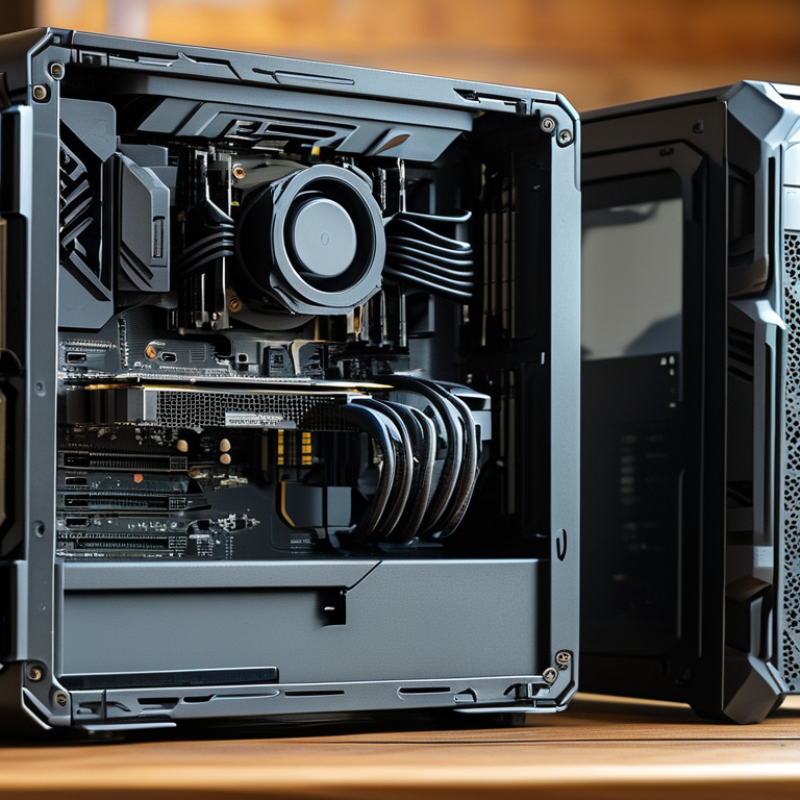
Understanding the Differences Between Server RAM and Desktop RAM
When considering RAM for your system, understanding the differences between server RAM and desktop RAM is crucial. Server RAM is designed for stability and performance under heavy loads. It is ideal for multitasking and running resource-intensive applications. Desktop RAM, on the other hand, focuses on speed and efficiency for everyday tasks. It is optimized for gaming and typical home use.
Server RAM typically features error-correcting code (ECC), which helps identify and fix data corruption. This is essential for systems requiring high reliability. In contrast, desktop RAM often lacks this feature, making it less stable under pressure. While desktop RAM may suffice for casual use, it can struggle with demanding applications. The choice of RAM will depend on your specific needs and intended use.
Choosing between the two types involves understanding your workflow and potential future requirements. If you run virtual machines or manage extensive databases, server RAM is likely the better choice. Yet, for gamers or home office users, quality desktop RAM may be more appropriate. Weighing your priorities can lead to a more informed decision.
Key Specifications to Consider for Server RAM Selection
When selecting server RAM, several key specifications demand attention. ECC (Error-Correcting Code) memory is essential for servers. ECC RAM identifies and corrects errors, enhancing stability. According to industry reports, about 68% of server users prioritize ECC for mission-critical applications. For desktop users, non-ECC RAM suffices for everyday tasks but lacks the same reliability.
Another vital aspect is capacity. Server RAM typically offers larger capacities, up to 1TB, while desktop RAM peaks at 64GB. This difference matters for workloads involving virtualization and multiple applications. A recent survey shows that 52% of IT decision-makers view RAM capacity as a critical factor in server performance. Additionally, consider speed and bandwidth. Server RAM often supports higher speeds, which can significantly impact data processing.
Latency is also crucial but often overlooked. Servers may require lower latency to manage heavy loads efficiently. While desktop systems often have higher latency values, a server should aim for tighter timings to reduce bottlenecks. Many organizations fail to balance these specs properly, leading to underperforming setups. Recognizing these elements can help ensure you select the right RAM for your specific needs.
2026 Best Server RAM vs Desktop RAM - Key Specifications
Evaluating Performance Needs: When to Choose Server RAM
When deciding between server RAM and desktop RAM, performance needs play a crucial role. Server RAM is typically designed for high-demand environments. It's built to handle multiple tasks simultaneously without compromising stability. Research shows that server RAM can improve data integrity and reduce downtime in critical systems. For instance, studies indicate that servers equipped with ECC (Error-Correcting Code) memory can experience up to 40% fewer errors during data processing. This is vital for applications that require continuous operation.
Desktop RAM offers adequate performance for standard applications and gaming. However, the requirements of intensive workloads often exceed what desktop RAM can provide. Server RAM usually has a higher capacity and faster data rates. An evaluation from industry reports highlights that server systems with 64 GB of RAM significantly outperform their desktop counterparts in heavy multitasking scenarios. Users should carefully assess their workloads. If tasks involve data-intensive applications or virtualization, server RAM might be more appropriate.
The choice also depends on future needs. Investments in server-grade memory can be more expensive, yet may save costs in the long run. A miscalculation here could lead to performance bottlenecks or wasted resources. Understanding specific requirements is fundamental to making the right decision. Each setup has its strengths and weaknesses, and careful planning is essential for optimal performance.
Cost vs. Performance: Analyzing Budget Constraints
When choosing between server RAM and desktop RAM, budget constraints play a crucial role. Server RAM often comes with a higher price tag but offers superior performance. This is important for applications requiring consistent uptime and reliability. Desktop RAM, however, may suffice for everyday tasks and light gaming. Understanding your specific needs can help align your purchase with your budget.
Budget considerations often lead to compromises. Higher-end server RAM can enhance data bandwidth and speed. Yet, for home users, especially casual gamers, spending on premium RAM might feel unnecessary. Look at your usage patterns. If you rarely push your system's limits, standard desktop RAM could be the more cost-effective choice.
Tips: Always assess what tasks you plan to perform. Will you run multiple applications simultaneously? If so, a more robust RAM option may be wise. Also, consider the lifespan of components. Investing in quality may save you replacement costs later. Remember, every choice carries trade-offs. Make sure you pick what aligns best with both your needs and your finances.
Real-World Use Cases: Identifying Your Ideal RAM Solution
Choosing between server RAM and desktop RAM depends heavily on your specific use case. Server RAM is designed for stability and uptime, essential for environments that handle numerous requests. It often features error-correcting code (ECC), reducing the risk of data corruption. This is crucial for applications like databases and virtual machines.
On the other hand, desktop RAM is built for speed and agility. It's ideal for gaming, graphic design, and everyday tasks. If you need quick access to data and high bandwidth for applications, desktop RAM excels. However, it lacks the error correction found in server RAM, which may lead to issues in mission-critical situations.
When assessing your needs, consider your workload and environment. High-performance workloads may benefit from server RAM for reliability. Yet, for general use, desktop RAM provides the necessary speed without breaking the bank. Analyzing real-world scenarios can help you make the right choice. Understand your requirements and balance performance with reliability.
FAQS
ECC helps identify and fix data corruption, ensuring high reliability in critical systems.
Consider server RAM for virtual machines or extensive databases that require high stability and multitasking capabilities.
Yes, desktop RAM performs well for gaming and typical home use but may struggle with demanding applications.
Server RAM can reduce errors and improve data integrity, leading to fewer downtime incidents in critical environments.
Evaluate your workflow, workload intensity, and potential future needs to make an informed decision.
Yes, although it’s more expensive upfront, server RAM may save costs by preventing future performance bottlenecks.
Server RAM typically has higher capacity and faster data rates, offering better performance for heavy multitasking.
A miscalculation could lead to performance issues or inefficient use of resources, impacting overall system functionality.
Yes, understanding specific requirements and planning is essential for optimal performance in any setup.
Conclusion
The article "2026 Best Server RAM vs Desktop RAM: Which is Right for You?" delves into the critical distinctions between Server RAM and desktop RAM to help users make informed decisions based on their unique needs. It begins by elucidating the fundamental differences in architecture and functionality between the two types of RAM, highlighting specifications that matter most when selecting Server RAM.
As performance requirements vary significantly, the article assesses scenarios where Server RAM may outperform desktop RAM, particularly in environments demanding high reliability and efficiency. Moreover, it analyzes the cost versus performance considerations, guiding users to balance their budget constraints with their performance needs. Finally, through real-world use cases, readers can better identify their ideal RAM solution, ultimately clarifying the essential question of Server RAM vs desktop RAM for their specific applications.
 Novram
