 Novram
Novram
Novram
When comparing DDR5 latency vs DDR4, many enthusiasts seek clarity. DDR5 promises advancements, but does it deliver? Latency is a crucial metric for performance. DDR4 has established itself as a reliable choice for numerous applications. Yet, DDR5 claims to outperform its predecessor, especially in high-demand scenarios.
Understanding these differences is essential for informed decisions. DDR5 offers higher bandwidth and improved speeds. However, its latency may not be significantly lower than that of DDR4. This nuance affects performance, impacting gamers and content creators alike.
Choosing the right memory type is not straightforward. Users must consider their specific needs and workloads. For some, the advanced features of DDR5 may seem appealing. For others, sticking with the established DDR4 might be wise. Balancing the benefits and drawbacks of each memory type involves thoughtful reflection.
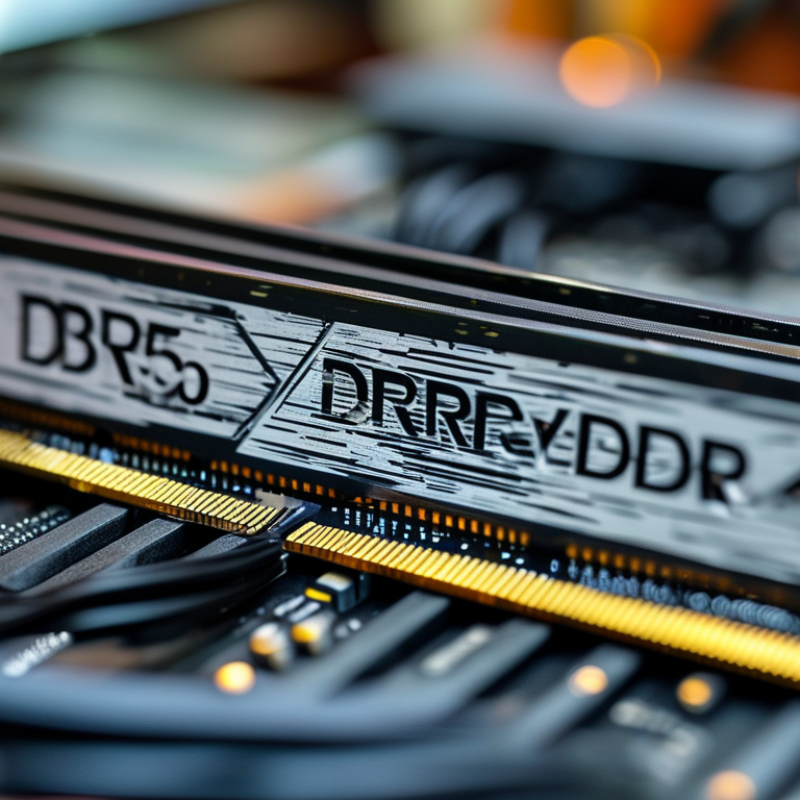
DDR5 memory introduces significant advancements over its predecessor, DDR4. One of the most notable features is the increased bandwidth. DDR5 can theoretically reach 6400 MT/s, while DDR4 maxes out at around 3200 MT/s. This doubling in speed allows for improved performance in applications requiring high data rates, such as gaming and video editing.
Latency, however, remains a crucial factor. DDR5 has higher latency than DDR4, primarily because of its greater complexity. Reports indicate that DDR5 latency can be around 40-50 ns, compared to DDR4’s average of 30-40 ns. This latency may impact tasks relying on quick memory access. Users should evaluate their workload to determine if the speed gains outweigh the latency penalties.
Furthermore, DDR5 supports increased capacity per module, allowing for larger RAM configurations. This is beneficial for multitasking, as applications become increasingly memory-intensive. Current industry insights suggest that while DDR5 is the future, for certain users, DDR4 may still provide satisfactory performance. Balancing speed and latency is essential when making a choice.
| Feature | DDR4 | DDR5 |
|---|---|---|
| Data Rate | 2133 - 3200 MT/s | 4800 - 8400 MT/s |
| Latency (CL) | 15-16 | 30-40 |
| Bandwidth | 25.6 GB/s | 76.8 GB/s |
| Voltage | 1.2V | 1.1V |
| ECC Support | Optional | Yes |
| Channel Architecture | 1 Channel per DIMM | 2 Channels per DIMM |
: DDR4 has a latency of about 15-20 ns. DDR5 has a higher latency, around 30-40 ns.
Not necessarily. DDR5 has higher bandwidth that compensates for the increased latency, improving performance.
DDR4 maxes out at 3200 MT/s, while DDR5 can exceed 4800 MT/s.
Gamers might benefit more from DDR5 due to its higher speeds and bandwidth.
Yes, for basic computing, DDR4 can be sufficient and is widely compatible with existing systems.
Evaluate specific workload requirements and potential future demands before deciding on DDR4 or DDR5.
Yes, there may be challenges with older motherboards when transitioning to DDR5.
It can be, especially for demanding tasks, but users should consider their budget and current system capabilities.
Balance between immediate computing needs and future requirements is key for a smooth upgrade.
Potentially, if future software demands are considered, choosing DDR5 may save issues down the line.
The article "DDR5 Latency vs DDR4: Which is Better for Your Needs?" delves into the key advancements introduced with DDR5, highlighting its features and improvements over DDR4. A comparative analysis of DDR5 latency vs DDR4 demonstrates that while DDR5 offers higher bandwidth and efficiency, latency differences may impact certain applications and gaming experiences. The technical specifications reveal that DDR5 maintains competitive latency levels despite its enhancements.
Additionally, the article examines the performance implications of latency on gaming and various applications, suggesting that the choice between DDR4 and DDR5 may depend on specific use cases. The cost analysis raises questions about whether the investment in DDR5 is justified, while the discussion on future-proofing indicates that DDR5 may provide longer-term compatibility for advancing technology. Ultimately, understanding DDR5 latency vs DDR4 is crucial for making informed decisions tailored to individual needs and preferences.
