What is DRAM memory? This question holds significant importance for global buyers aiming to understand this vital technology. DRAM, or Dynamic Random Access Memory, plays a crucial role in electronic devices. It serves as a temporary storage area, facilitating rapid data access. The speed and efficiency of DRAM significantly influence device performance.
Global buyers must consider various factors when selecting DRAM. Understanding specifications like speed, capacity, and power consumption is essential. Each of these aspects can impact overall system performance. However, navigating the DRAM market can be overwhelming. The diverse options available may lead to confusion, especially for less experienced buyers.
As technology advances, the demand for DRAM increases. Buyers must stay informed about trends and innovations in the market. A keen eye on industry developments can help in making better purchasing decisions. The intricacies of what DRAM memory entails are not just technical; they shape the user experience in everyday devices. Engaging with industry experts can illuminate the complexities involved. Understanding what DRAM memory truly entails is not merely beneficial; it is essential for making informed choices in today's fast-paced tech landscape.
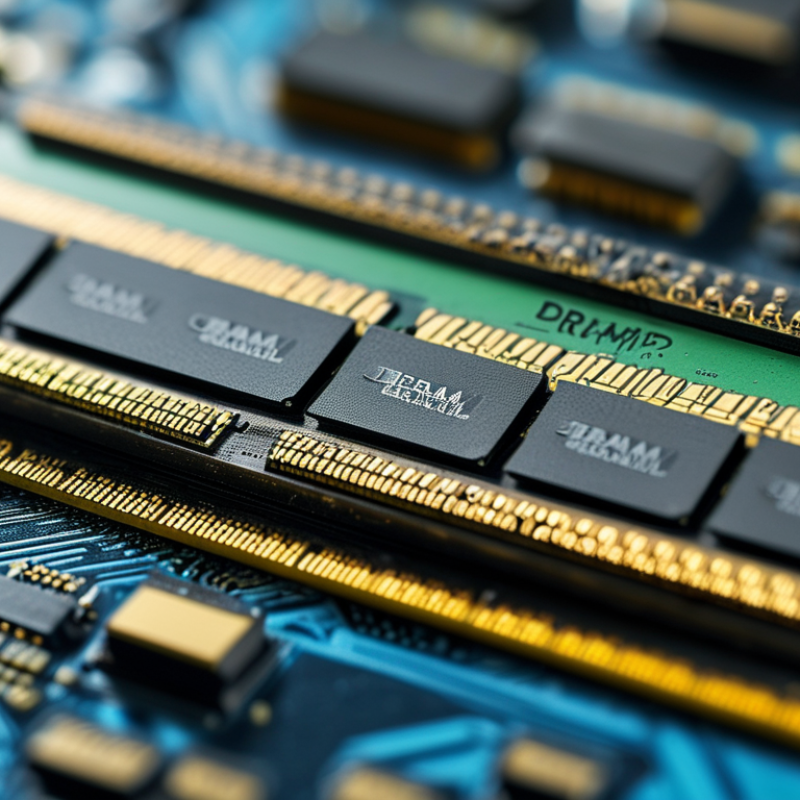
Understanding DRAM Memory: Basics and Functionality
Dynamic Random-Access Memory (DRAM) is a critical component in modern computing systems. It plays a key role in performance and efficiency. By storing data in capacitors, it provides quick access, allowing the CPU to retrieve information rapidly. Market research suggests that DRAM demand will increase by 20% annually, driven largely by the rise of AI and cloud computing. This trend highlights its importance in various applications.
Understanding the functionality of DRAM is essential for buyers. It operates by refreshing data thousands of times per second. This impacts power consumption and speed. Industry reports indicate that energy-efficient DRAM variants can reduce power usage by up to 40%. Consequently, selecting the right DRAM type can influence a system's overall performance significantly.
However, challenges exist in the DRAM market. Price fluctuations can occur based on supply chain disruptions and production capacities. Additionally, not all DRAM types are suited for every application. Buyers need to analyze specific requirements carefully. Balancing performance, cost, and power consumption is crucial. Connecting with reliable sources or experts can help navigate this complex landscape effectively.
Types of DRAM: A Comprehensive Overview
When it comes to DRAM memory, understanding the different types is crucial. DRAM, or Dynamic Random-Access Memory, is known for its speed and efficiency. Various types of DRAM cater to specific needs in computing. For instance, DDR (Double Data Rate) is widely used in personal computers. This type transfers data on both the rising and falling edges of the clock cycle, enhancing performance.
LPDDR (Low Power DDR) is another type designed for mobile devices. It focuses on conserving energy while providing reliable speed. This type is essential for smartphones and tablets. Meanwhile, GDDR (Graphics DDR) is optimized for graphics processing units. It features higher bandwidth, ideal for gaming and professional graphics work. Each type serves a unique purpose, reflecting the diverse landscape of technology.
However, choosing the right DRAM type can be tricky. Factors like speed, power consumption, and capacity all play a role. Misunderstanding specifications may lead to suboptimal performance. It's essential to weigh these considerations carefully. Not all options will suit every application. Buyers must assess their specific requirements before making decisions. This careful evaluation is a vital part of the purchasing process, ensuring long-term satisfaction with the selected DRAM.
Key Factors to Consider When Buying DRAM
When considering DRAM memory, several key factors play a crucial role. First, data speed and bandwidth are essential. According to research from DRAMeXchange, the average data transfer rate in the industry has seen a significant increase, now often exceeding 20 GB/s for newer modules. This improvement enhances overall system performance, especially for gaming and graphics applications.
Another critical factor is capacity. Many recent systems require 16GB to 32GB of DRAM to function optimally. Research indicates that as applications become more demanding, users are increasingly opting for higher-capacity modules. However, over-specifying capacity can lead to unnecessary costs, making it essential to match memory needs with actual usage.
When it comes to compatibility, understanding the specific requirements of your motherboard is vital. Not all systems can support the latest DRAM standards, such as DDR5. This mismatch can lead to wasted investment. It's worth noting that while newer isn’t always better, finding the right balance among speed, capacity, and compatibility often requires in-depth analysis. This approach ensures reliable performance without overspending.
Impact of DRAM on System Performance
DRAM (Dynamic Random-Access Memory) significantly affects system performance. It is crucial for the speed and efficiency of computing devices. According to a report by DRAMeXchange, DRAM holds about 40% of the total manufacturing costs in smartphones, laptops, and servers. This figure highlights the importance of selecting the right DRAM for optimal performance.
Low latency and high bandwidth are the key benefits of DRAM. These features directly enhance data transfer speeds. As systems become more data-intensive, the demand for high-performance DRAM increases. For instance, a study from IDC indicates that as applications grow, memory requirements could rise by up to 25% annually in data centers. This statistic raises questions about future scalability and whether current DRAM technology can meet these evolving needs.
Despite its advantages, it's essential to consider the challenges associated with DRAM. Issues like thermal management and power consumption continue to impact performance. Testing under various operational conditions is crucial. Buyers must evaluate their specific needs carefully. Relying on industry data and expert analysis is vital for informed decisions. Remember, not all DRAM brands or models perform equally under stress. Understanding these factors leads to better investment in system memory.
Future Trends in DRAM Technology and Market Dynamics
The future of DRAM technology is evolving rapidly. Innovations are addressing increasing data demands across various sectors. One key trend is the shift towards higher capacities and speeds. As applications require more memory, manufacturers are innovating to provide efficient solutions that enhance performance.
Market dynamics play a significant role in shaping DRAM technology. Economic factors, such as supply chain constraints and geopolitical influences, create uncertainty. Buyers must stay informed about these fluctuations, as they can affect pricing and availability. Collaborations within the industry are essential to navigate these challenges effectively.
Additionally, environmental considerations are becoming crucial. Sustainable practices in manufacturing processes are increasingly necessary. Companies are exploring ways to reduce waste and energy consumption. This movement towards greener production is not just beneficial; it is becoming a market expectation. Balancing technological advancement and environmental responsibility will be a challenge for industry players.
FAQS
M and its primary function?
DRAM performance affects speed and power consumption. The right type can significantly enhance overall system efficiency.
Demand for DRAM is expected to rise by 20% annually. This is largely due to AI and cloud computing growth.
Price fluctuations and supply chain disruptions create challenges. Not all DRAM types are suitable for every application.
Buyers should analyze specific requirements. Balancing performance, cost, and power consumption is essential for making effective choices.
Innovations are leading to higher capacities and speeds. Manufacturers are developing efficient solutions to meet increasing data needs.
Economic dynamics can affect pricing and availability. Buyers need to stay informed about market fluctuations.
Sustainable practices are necessary to minimize waste. They are becoming a market expectation amid growing environmental concerns.
A balance between technology and environmental accountability is crucial. Industry players face challenges in achieving this harmony.
DRAM refreshes data thousands of times per second. This frequent refreshing impacts its power usage and speed.
Conclusion
DRAM memory, or Dynamic Random Access Memory, plays a crucial role in modern computing by temporarily storing data that the CPU needs to access quickly. Understanding DRAM memory involves examining its basic functionality and the various types available, such as SDRAM, DDR, and LPDDR, each catering to different performance and power requirements.
When buying DRAM, several key factors must be considered, such as capacity, speed, and compatibility with the existing system. The impact of DRAM on overall system performance cannot be overstated, as faster and larger memory can significantly enhance processing capabilities. Additionally, the future trends in DRAM technology indicate a continuing evolution towards higher capacities, faster speeds, and more energy-efficient solutions, driven by the increasing demands of applications and computing environments.
 Novram
