Novram
When it comes to computer memory modules, understanding the differences between Registered DIMM and UDIMM is essential. Both types serve unique purposes in various computing environments. Registered DIMM vs UDIMM not only affects performance but also impacts system stability and reliability.
Registered DIMMs feature a buffer that helps manage data flow and reduce electrical load. This makes them ideal for servers and high-performance applications. In contrast, UDIMMs are unbuffered and provide direct access to the memory controller, which is suitable for consumer-grade systems. The trade-offs in these configurations can influence both speed and reliability.
Choosing the right memory type can be challenging. Registered DIMMs cater to professionals seeking stability, while UDIMMs appeal to everyday users. Understanding these distinctions can enhance your efficiency when designing or upgrading a system. An informed choice can elevate your setup, but the nuances between these memory types require careful consideration.
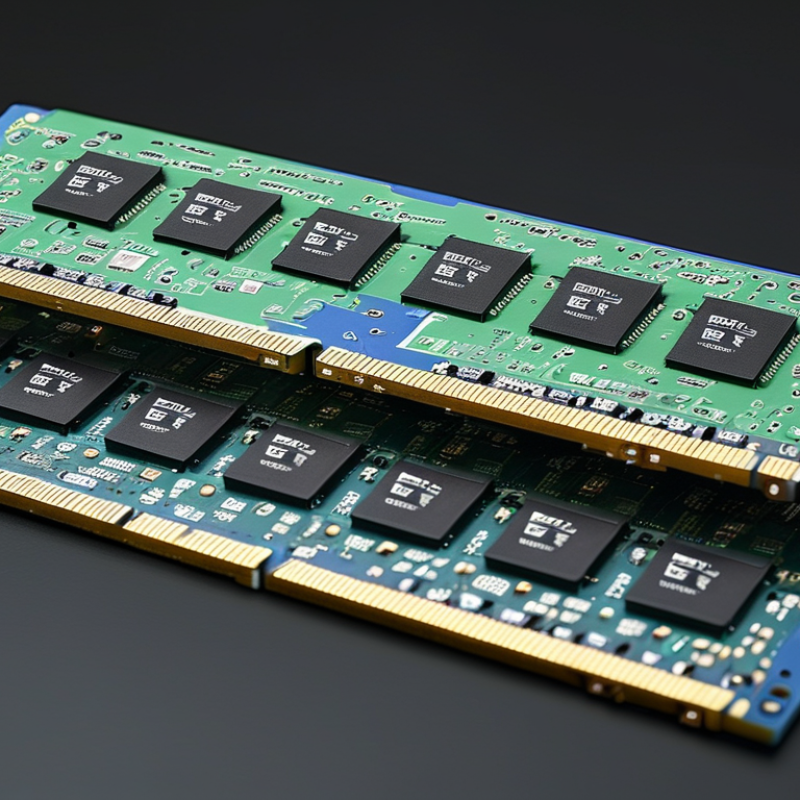
When comparing Registered DIMM and UDIMM, it’s essential to understand their differences in memory architecture. Registered DIMM incorporates a register between the DRAM modules and the memory controller. This helps in stabilizing the signals and allows for more memory modules to be connected. As a result, Registered DIMM can support larger memory capacities, making it suitable for servers and high-performance applications.
On the other hand, UDIMM lacks this register, connecting directly to the memory controller. This leads to lower latency but reduces the overall capacity. UDIMM is commonly used in consumer desktops and laptops. With fewer components, it’s often simpler to manage. However, this simplicity can lead to potential limitations in scalability.
Registered DIMM is preferred in environments requiring high reliability and performance. In contrast, UDIMM is adequate for everyday computing needs. The choice between them depends on the specific requirements of the setup. Users should reflect on their priorities, whether it's speed or capacity, to make an informed decision. Each architecture has its own merits and challenges, emphasizing the significance of understanding these differences.
Registered DIMM (RDIMM) and Unbuffered DIMM (UDIMM) serve distinct roles in memory performance. RDIMMs typically offer higher reliability and stability. They achieve this through a register chip that relieves load on the memory controller, enhancing signal integrity. This design allows for increased memory capacity, which is crucial for servers and high-performance computing environments. Industry reports indicate that RDIMMs support larger capacities per slot, often exceeding 128GB, compared to UDIMMs, which usually max out around 32GB.
When considering application performance, RDIMMs excel in multi-channel configurations. They are better suited for workloads that demand consistent data throughput. This is partially due to their ability to support higher clock speeds without losing data integrity. However, UDIMMs might have an edge in latency-sensitive applications. Their direct connection to the memory controller leads to slightly faster response times in certain scenarios.
Data from the Memory Technology Standards Committee shows that RDIMMs can achieve a bandwidth increase of up to 40% under heavy loads. This is vital for memory-intensive applications, where every bit of performance counts.
It's important to assess your specific needs before deciding on DIMM types. Cost and compatibility are critical factors. High performance often comes with a higher price tag. Balancing performance and budget can be challenging. Consider workload demands carefully.
Registered DIMM (RDIMM) and unbuffered DIMM (UDIMM) are two prevalent types of memory modules. Their differences significantly impact power management and overall system performance. RDIMMs incorporate additional buffering components. This allows them to manage power more efficiently under heavy workloads. By using a registered chip, they enhance stability in multi-channel configurations, particularly in servers and workstations.
In contrast, UDIMMs are simpler with no buffering. They draw power directly from the memory controller. This design makes UDIMMs less power-efficient in larger setups. However, they consume less power in smaller systems, making them suitable for consumer desktops. Overall, while UDIMMs can offer slightly faster speeds for smaller volumes, RDIMMs excel in power management under demanding conditions.
Power management features are crucial. RDIMMs employ features like dynamic voltage scaling. This adjusts power consumption based on workload, ensuring efficiency. Meanwhile, UDIMMs require a constant power draw, regardless of usage changes. The choice between these two types often depends on system needs. Understanding these differences can lead to better performance decisions in diverse computing environments.
| Feature | Registered DIMM | UDIMM |
|---|---|---|
| Buffering | Yes, contains a register | No buffering |
| Memory Capacity | Supports larger capacities, up to 128 GB per DIMM | Limited to smaller capacities, typically up to 32 GB per DIMM |
| Performance | Better performance in multi-processor systems | Optimized for single CPU usage |
| Power Consumption | Generally higher due to the additional register | Lower power consumption |
| Cost | Typically more expensive | Generally less expensive |
| Usage | Commonly used in servers and workstations | Often used in desktops and laptops |
| Latency | Higher latency due to the buffering | Lower latency |
| ECC Support | Usually supports ECC (Error-Correcting Code) | Can support ECC, but often used without |
| Implementation Complexity | More complex due to registers | Simpler design |
| Heat Generation | May generate more heat due to higher power | Generally generates less heat |
When comparing Registered DIMM (RDIMM) and Unbuffered DIMM (UDIMM), understanding compatibility and use cases is essential. RDIMMs are typically used in servers and workstations demanding high reliability and performance. They have a Register, which stabilizes the memory bus and allows support for larger memory capacities. According to a recent study by IDC, RDIMMs can scale up to 128GB per module, making them ideal for data-intensive applications.
On the other hand, UDIMMs are more common in consumer-grade systems and desktops. They lack the register component, which simplifies layout and reduces cost. A report by Jon Peddie Research indicates that UDIMMs are adequate for gaming and office applications, where extreme performance is not a priority. This makes UDIMMs a popular choice for general use cases where cost-effectiveness is crucial.
Choosing between RDIMM and UDIMM depends on your specific needs. If you require expansion and more memory capacity, RDIMM is the way to go. However, if budget constraints and everyday tasks are your primary concern, UDIMM serves well. Understanding these differences is vital but not always straightforward. Memory modules have unique features that might not be immediately apparent, necessitating deeper research. Keeping up with industry reports can enhance decision-making when selecting memory types.
When comparing Registered DIMM and UDIMM, cost differences emerge as a significant factor. Registered DIMMs are typically more expensive due to their added components and architecture. Analysis from market research indicates that they can cost up to 30% more than UDIMMs. This price increase results from the need for a register that buffers the data signals, thereby enhancing stability for high-density memory configurations in servers and workstations.
On the other hand, UDIMMs are more cost-effective, appealing to budget-conscious consumers. They are simpler in design, which directly translates to lower production costs. According to industry reports, the average price of UDIMM is steadily declining, making them increasingly accessible for everyday applications. However, this cost-saving can sometimes mean sacrificing reliability and performance under heavy loads, which many users may overlook.
Understanding these dynamics is vital for making informed purchasing decisions. For example, the increased reliability of registered DIMMs can justify their higher cost in enterprise environments, where performance is critical. However, in less demanding scenarios, the cost-effectiveness of UDIMMs presents a more attractive option. Balancing costs with performance needs remains a nuanced challenge for consumers navigating the memory landscape.
: Registered DIMM has a register that stabilizes signals, while UDIMM connects directly to the controller.
Registered DIMM supports larger capacities, often exceeding 128GB, making it ideal for high-performance applications.
RDIMMs offer higher reliability and stability, while UDIMMs provide lower latency in some scenarios.
Registered DIMM is preferred in servers and environments requiring high reliability and performance.
UDIMM is suitable for everyday computing, but may not perform as well under heavy memory loads.
UDIMM typically has slightly faster response times due to its direct connection to the memory controller.
Users should reflect on priorities like speed, capacity, cost, and specific workload demands before deciding.
Yes, Registered DIMM often has a higher price tag due to its enhanced performance features.
Using the wrong DIMM can lead to performance limitations and may not meet your system requirements.
It's crucial as each type has unique merits and challenges that affect overall system performance.
The article "China Top 10 Differences Between Registered DIMM and UDIMM" explores the key distinctions between registered DIMMs (RDIMMs) and unbuffered DIMMs (UDIMMs). It highlights the differences in memory architecture, noting that RDIMMs feature additional buffering that enhances stability and scalability in multi-processor systems, while UDIMMs offer lower latency and are typically used in simpler configurations.
Performance characteristics are also examined, with RDIMMs generally providing better performance in demanding environments, whereas UDIMMs are sufficient for standard applications. The article further delves into power management features, compatibility scenarios, and economic factors influencing the choice between Registered DIMM vs UDIMM. Ultimately, understanding these differences helps users select the appropriate memory module for their specific needs, balancing performance, cost, and application requirements.
