Understanding DDR5 memory speed is essential for enhancing computer performance. Dr. Emily Chen, a leading expert in memory technology, states, “DDR5 memory speed is not just numbers; it truly impacts everyday computing.” This highlights the importance of grasping the specifics about DDR5 memory speed explained.
DDR5 offers substantial improvements over its predecessor, DDR4. It operates at higher frequencies, which translates to faster data transfer rates. This can significantly affect gaming, content creation, and multitasking. Users often overlook these benefits, focusing instead on specifications that don’t fully reflect real-world performance.
However, navigating DDR5 can be complex. Many factors influence actual speeds, such as timing and compatibility with motherboards. Users might find themselves questioning if they truly need the latest memory technology. Understanding the intricacies of DDR5 memory speed explained can guide them in making better decisions that suit their needs and budgets.
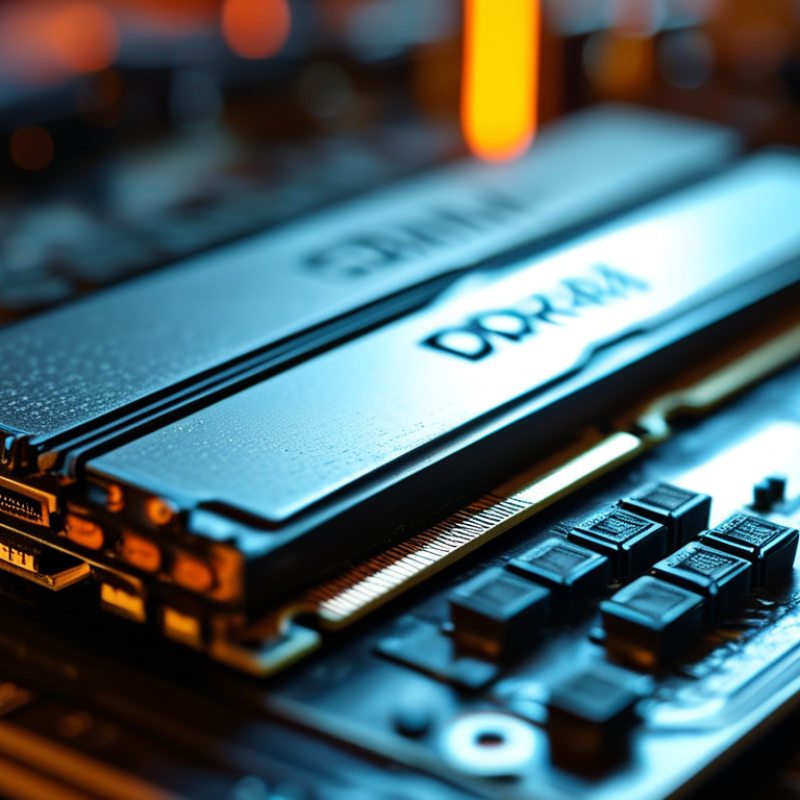
Understanding DDR5 Memory: Key Specifications and Features
DDR5 memory brings significant improvements in performance and efficiency. Understanding its key specifications is crucial for maximizing benefits. One notable feature of DDR5 is its increased bandwidth, which can reach up to 6400 MT/s. This enhancement allows for faster data transfer rates compared to previous generations.
Another important specification is the increased capacity per module. DDR5 supports up to 64 GB per DIMM. This expansion is vital for demanding applications like gaming and content creation. However, not all systems fully utilize this capacity. Users must ensure their motherboards and chipsets support these configurations.
Latency remains an essential factor to consider as well. While higher speeds can enhance performance, they can also introduce latency challenges. Balancing speed and latency is key for optimal system performance. Users should evaluate their specific needs and workloads before investing in DDR5.
Comparing DDR5 Speed to Previous Generations: A Performance Leap
The leap from DDR4 to DDR5 memory significantly impacts performance.
DDR5 starts with a base speed of 4800 MT/s. In comparison, DDR4 typically ranges from 2133 to 3200 MT/s.
This shift leads to nearly double the data rate and bandwidth.
According to industry reports from the JEDEC organization, DDR5 can reach speeds of up to 8400 MT/s,
pushing the envelope for future applications.
Latency is a crucial factor in memory performance.
Although DDR5 provides higher speeds, it does come with slight latency increases.
Some users report that the real-world impact of increased latency can overshadow the benefits of higher speeds,
creating mixed results in performance benchmarks. Nevertheless, for tasks requiring high bandwidth,
such as video editing and gaming, the advantages of DDR5 become apparent.
Another point of reflection is compatibility.
Existing motherboards cannot support DDR5. This change may limit upgrade paths for some users.
Additionally, early adopters might experience higher prices and availability issues.
These factors necessitate careful consideration before transitioning to DDR5.
The performance leap is significant, but the overall impact varies based on individual use cases.
Impact of DDR5 Latency on Real-World Application Performance
The latency of DDR5 memory significantly affects real-world application performance.
DDR5 offers higher speeds, but these come with varying latency levels. Lower latency can enhance responsiveness in applications,
particularly for gamers and content creators. When executing demanding tasks,
even a slight increase in latency may slow down performance. For gamers, a 1 ms delay could mean the difference
between winning or losing.
Real-world applications like video editing and 3D rendering benefit from the high bandwidth that DDR5 provides.
Yet, if latency is too high, processes may become sluggish. Users often notice this sluggishness during multitasking.
A high latency situation can lead to longer load times and a less efficient workflow. This illustrates the delicate balance
between speed and latency.
Choosing DDR5 requires careful consideration of both metrics. Not all tasks require maximum speed. Sometimes, prioritizing
lower latency can yield better performance in specific applications. Users should test different configurations to find what
works best for their needs. Understanding these nuances is key in making informed choices for system upgrades.
Overclocking DDR5: Maximizing Speed for Enhanced Gaming Experiences
Overclocking DDR5 memory can significantly enhance gaming performance. Many gamers seek higher speeds for smoother gameplay and better graphics. However, pushing the limits requires careful consideration. Each module has its own specifications and tolerances. Knowing these figures is essential before you start.
First, you’ll want to ensure your motherboard supports the overclocking feature. This can be a complex topic, as not all motherboards are created equal. Check compatibility and user forums for reports on successful overclocking experiences. Heat management is another vital aspect. More speed often leads to excess heat, which can damage components over time.
Testing stability after making adjustments is crucial. Use benchmarking tools to evaluate performance changes. Be ready to dial back settings if system crashes occur. This trial-and-error method can lead to greater insights. Ultimately, patience and research will guide you toward achieving the best results with your DDR5 memory.
How to Understand DDR5 Memory Speed for Better Performance? - Overclocking DDR5: Maximizing Speed for Enhanced Gaming Experiences
| Specification |
Value |
Impact on Performance |
| Base Clock Speed |
4800 MT/s |
Improves data transfer rates significantly over DDR4. |
| Overclocking Potential |
6000 MT/s - 8000 MT/s |
Further enhances gaming performance and responsiveness. |
| Latency (CL) |
36-40 |
Lower latency contributes to faster performance in demanding applications. |
| Voltage |
1.1V |
Lower voltage reduces heat generation, improving overall system stability. |
| Data Bandwidth |
38.4 GB/s |
Higher bandwidth enables smoother multitasking and gaming experiences. |
| Capacity per Module |
8 GB - 64 GB |
More RAM capacity improves the ability to handle multiple applications. |
Calculating Bandwidth and Efficiency: Optimizing Your DDR5 Setup
When optimizing your DDR5 memory setup, understanding bandwidth and efficiency is crucial. DDR5 memory offers significant improvements over its predecessor, with data rates starting from 4800 MT/s and expected to reach over 8400 MT/s. This increase can dramatically enhance applications requiring high memory bandwidth, such as gaming and professional content creation. According to industry reports, DDR5 can deliver double the data rate and bandwidth per pin compared to DDR4, making it an attractive option for performance-focused users.
Calculating bandwidth requires knowledge of both the memory's data rate and its width. DDR5 modules typically have a 64-bit width. By multiplying the data rate by the width, you get the theoretical maximum bandwidth. For example, at 4800 MT/s, the bandwidth reaches 38.4 GB/s. However, real-world application can be less than theoretical due to overhead and latency factors. It's essential to reflect on these inefficiencies, as they can impact overall system performance.
Furthermore, adjusting memory timings and voltage can help unlock the full potential of DDR5 memory. Poorly optimized settings might lead to lower efficiency and speed discrepancies. Many experienced users suggest starting with manufacturer defaults and gradually fine-tuning for optimal results while monitoring system stability. The balance between performance and reliability is key to a successful DDR5 deployment.
FAQS
: DDR5 memory can reach a bandwidth of up to 6400 MT/s. This allows for faster data transfers.
DDR5 supports up to 64 GB per DIMM, beneficial for demanding applications like gaming.
Latency affects real-world performance significantly. High latency can slow down tasks, even with high speeds.
Yes, to utilize DDR5's full potential, ensure that your motherboard and chipset are compatible.
Overclocking can enhance gaming performance but comes with risks, such as increased heat and instability.
Effective heat management is crucial. Excess heat can damage components, so ensure proper cooling solutions are in place.
It depends on your tasks. Some applications benefit more from lower latency than maximum speed.
Use benchmarking tools after adjustments to evaluate performance changes. Be prepared to revert settings if needed.
Evaluate both speed and latency based on your specific workloads. Testing different configurations is beneficial.
Potentially. It's important to check the warranty terms for your memory and motherboard before proceeding.
Conclusion
The article "How to Understand DDR5 Memory Speed for Better Performance?" delves into the critical aspects of DDR5 memory, highlighting its key specifications and features that distinguish it from previous generations. With a focus on DDR5 memory speed explained, it emphasizes the remarkable performance leap that DDR5 offers, particularly in terms of bandwidth and efficiency. By analyzing the impact of latency on real-world application performance, the article provides insights into how these factors can affect user experience, especially in gaming scenarios.
Moreover, the discussion of overclocking DDR5 unveils strategies for maximizing memory speed to enhance gaming experiences further. By understanding how to calculate bandwidth and optimize setups, users can make informed decisions to unlock the full potential of their DDR5 memory, ultimately leading to superior performance in demanding tasks.
 Novram
