Novram
Novram
Novram
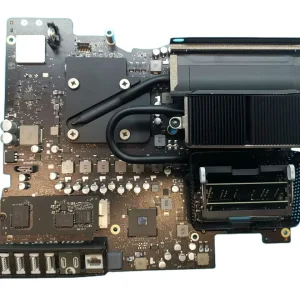
High-reliability DRAM, robust motherboards, and passive thermal cooling units engineered for industrial edge servers and automotive applications.
How domestic integration, robust supply chains, and specialized high-speed memory systems fuel the next generation of smart vehicles.
The global automotive industry is undergoing a structural transition toward Software-Defined Vehicles (SDVs). Today's vehicles are no longer merely mechanical machines; they are mobile data centers that process terabytes of information in real time. From Advanced Driver Assistance Systems (ADAS) and autonomous driving compute engines to In-Vehicle Infotainment (IVI) systems, the demand for fast, reliable, and thermally resilient electronics has surged exponentially.
As the world's leading manufacturing hub for consumer and industrial electronics, China has established a highly sophisticated ecosystem for Automotive Electronics. This goes beyond assembly; it encompasses chip packaging, multi-layer high-density PCB fabrication, high-speed memory module integration, and precision thermal hardware design. By sourcing from top-tier Chinese manufacturers, global Tier-1 suppliers and OEMs gain access to unrivaled economies of scale, swift prototyping pipelines, and cutting-edge technical integrations.
Whether it is managing the thermal load of an autonomous driving controller via advanced vapor chamber passive heat sinks or ensuring zero-latency telematics processing through ECC (Error-Correcting Code) DDR4 and DDR5 memory, the underlying hardware must meet rigorous structural standards. Automotive environments present extreme temperature fluctuations (-40°C to +105°C), constant vibrational stress, and electromagnetic interference (EMI), requiring custom-engineered components that exceed standard desktop specifications.
The major technological shifts dictating the procurement of semiconductor devices, storage solutions, and hardware cooling configurations.
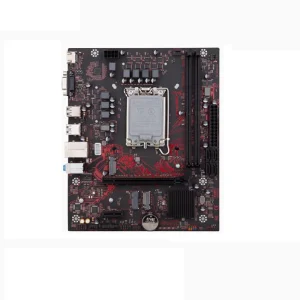
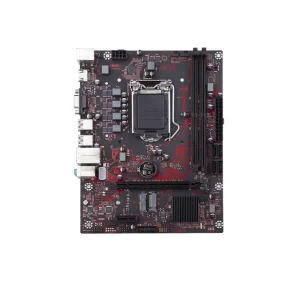
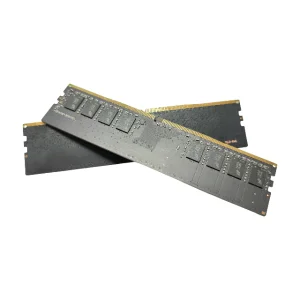
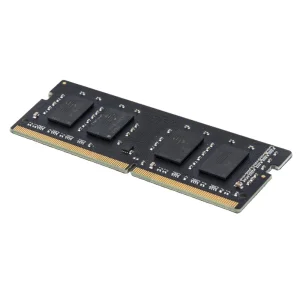
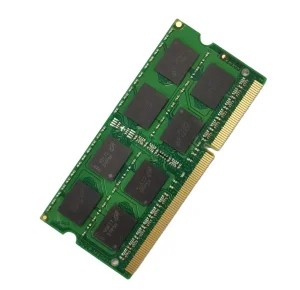
Modern vehicle architectures are shifting from centralized ECUs to decentralized zone controllers. This requires localized, compact server-grade computing boards equipped with reliable memory arrays (such as industrial DDR4/DDR5 modules) to make localized, millisecond-level driving decisions without relying solely on cloud connectivity.
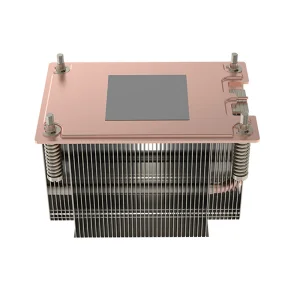
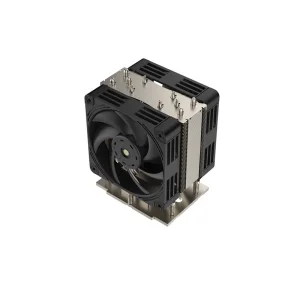
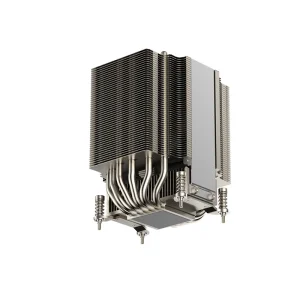
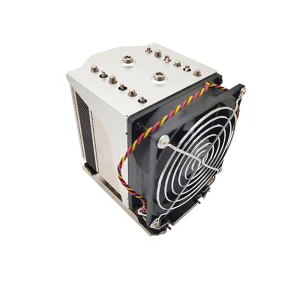
High-powered vehicle processors running ADAS algorithms generate massive thermal output. Passive cooling solutions, including multi-heatpipe passive coolers and specialized copper heatsinks, are critical to ensuring system longevity, preventing thermal throttling, and avoiding catastrophic failure in drive-assist modules.
Global automotive buyers demand strict adherence to standards such as AEC-Q100 and ISO 26262. Hardware manufacturers must implement 100% testing matrixes, including severe temperature cycling, burn-in testing, and structural integrity analysis, ensuring failure rates are minimized to parts-per-million levels.
A premier manufacturer of high-performance DRAM solutions and industrial computing hardware based in Shenzhen, China.
Novram Electronics Co., Ltd. is a professional DDR5 memory manufacturer based in Shenzhen, China, dedicated to delivering high-performance DRAM solutions for global OEM, ODM, and industrial customers. Established in 2016, the company has grown into a reliable supplier of DDR5 memory modules, serving partners across consumer electronics, industrial automation, embedded systems, gaming, and enterprise computing.
Operating from a modern 3,860㎡ manufacturing facility, Novram integrates advanced production equipment, strict quality management, and continuous R&D innovation to ensure every memory module meets international performance and reliability standards. Our experienced engineering team focuses on developing high-speed, stable, and energy-efficient DDR5 products for diverse computing applications.
With 9 years of industry experience and 7 years of export experience, Novram exports products to customers in more than 40 countries. The company achieves an annual export revenue of approximately US$18.6 million, supported by an efficient global supply chain and responsive customer service.
Quality is at the core of everything we do. Every DDR5 memory module undergoes 100% functional testing, compatibility testing, burn-in testing, temperature testing, and aging verification before shipment. Our quality control department consists of 42 professional inspectors, ensuring consistent product performance and long-term reliability.
Novram maintains strong partnerships with over 860 qualified supply chain partners, enabling stable production capacity and reliable component sourcing. Our primary customers include memory module brands, computer manufacturers, industrial PC companies, system integrators, distributors, wholesalers, and OEM/ODM partners worldwide.
Innovation drives our competitiveness. Our dedicated R&D center is staffed by 76 experienced engineers, allowing us to introduce approximately 138 new products each year. We provide comprehensive OEM, ODM, private label, logo printing, packaging customization, capacity customization, firmware optimization, and product specification customization to meet different market requirements.
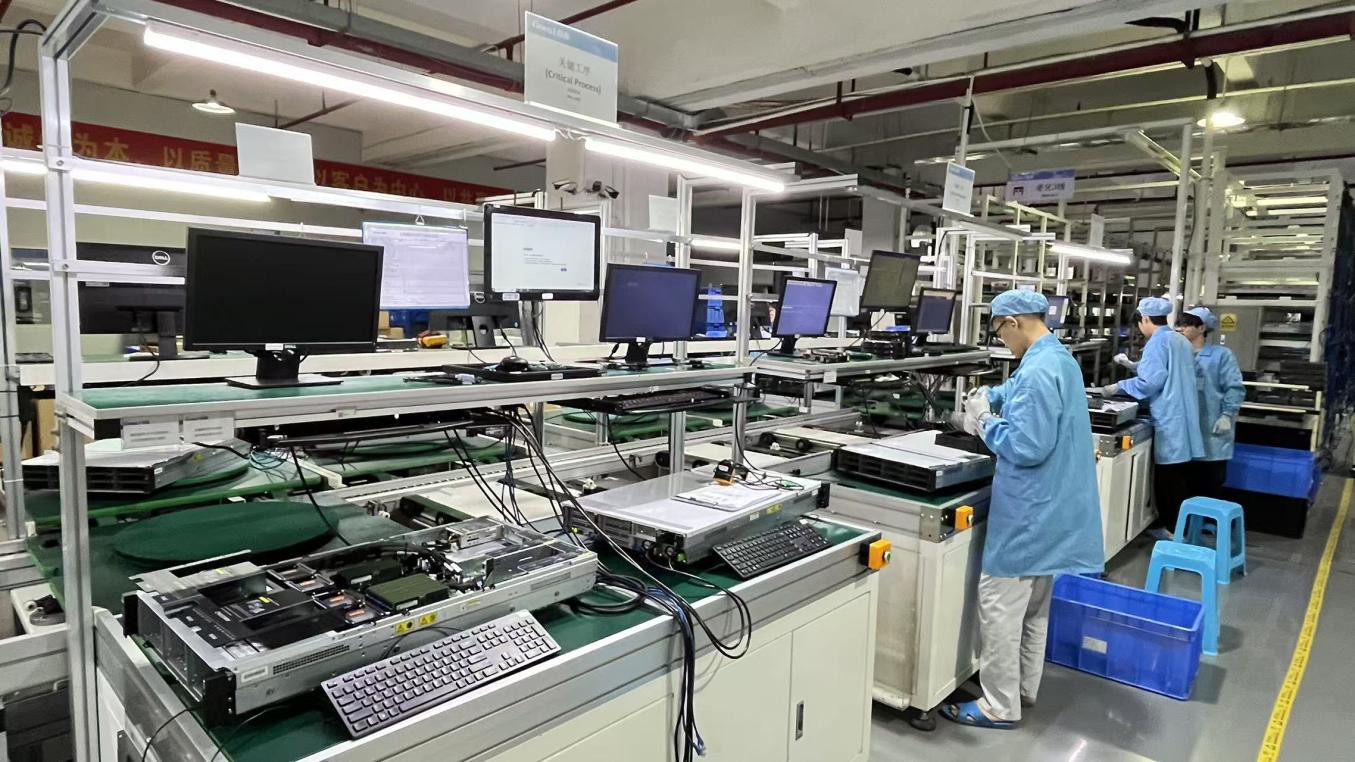
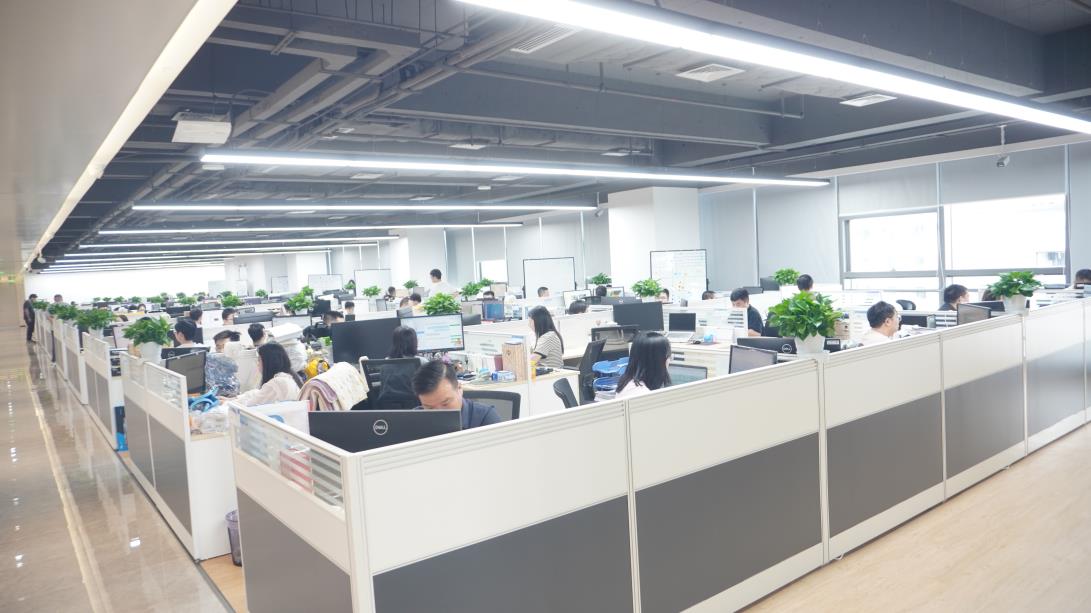
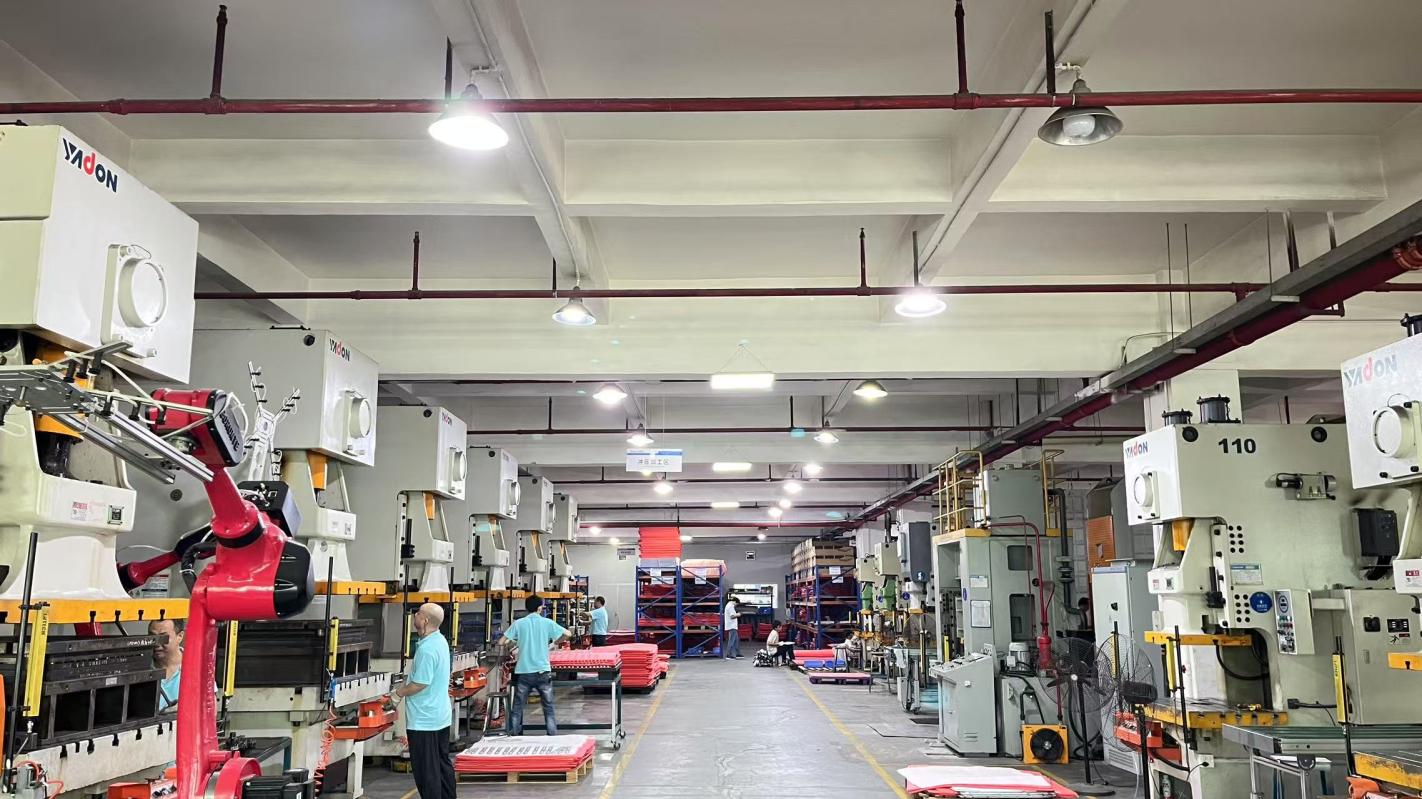
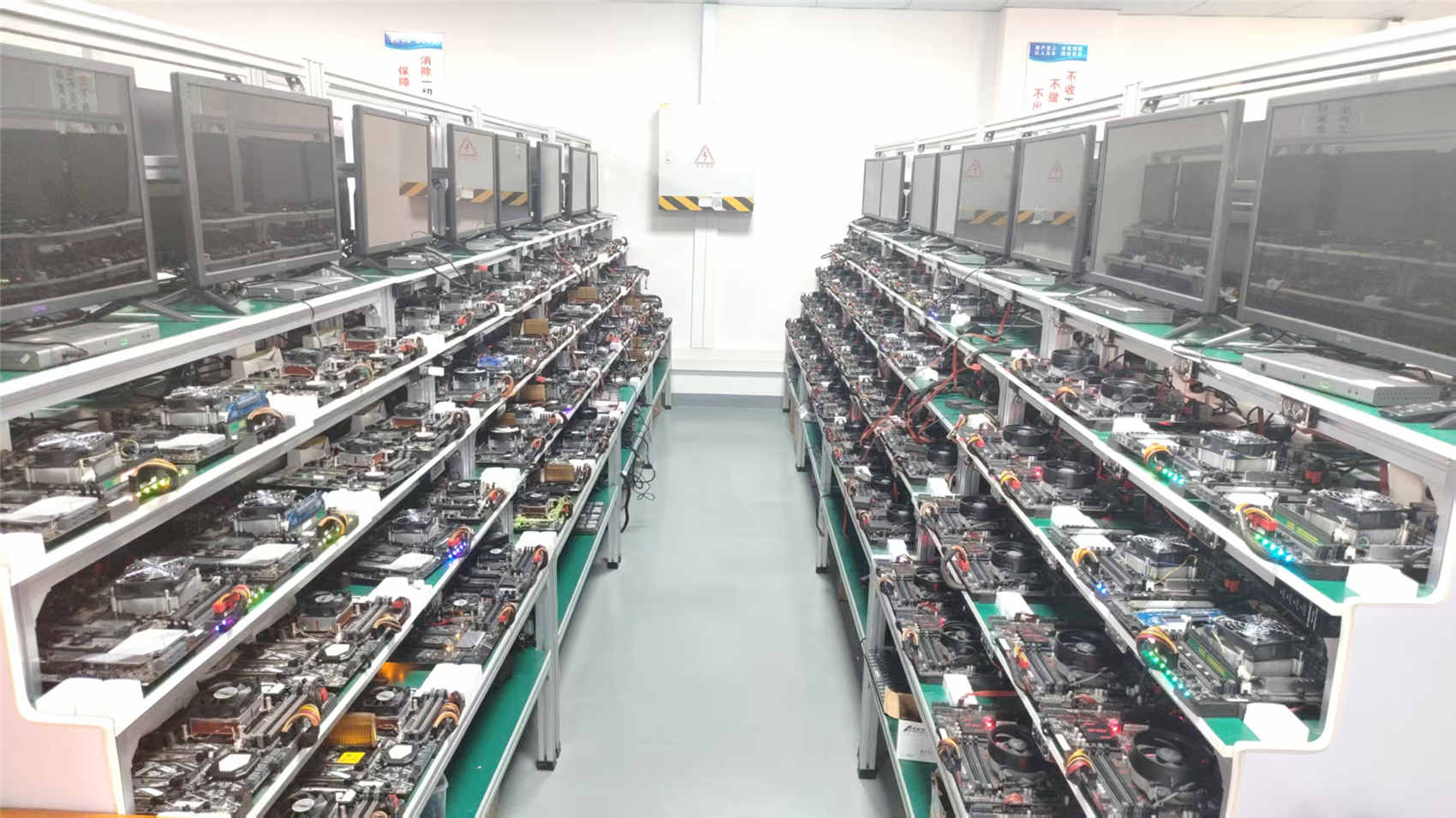
Bridging consumer-grade innovations with the high-reliability demands of modern edge systems, transport machinery, and vehicle computers.
Global procurers sourcing components out of China require highly adaptable manufacturing partners. Standard PC hardware and industrial electronics often serve as the structural blueprints for specialized vehicular infrastructure. Novram’s dual strengths in high-performance memory (DRAM) assembly and passive thermal radiators provide a unified, highly optimized solution for global electronic sourcing needs.
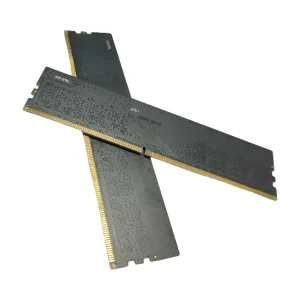
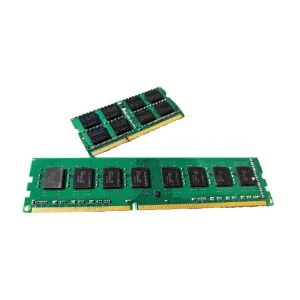
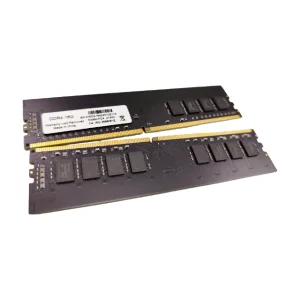
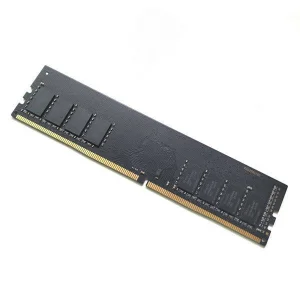
Modern infotainment displays demand massive, high-speed temporary storage to run complex navigation systems, display high-resolution UI elements, and handle multi-device Bluetooth/Wi-Fi feeds. High-speed DDR4 & DDR5 memory modules act as the processing buffer, preventing latency spikes and frame drops.
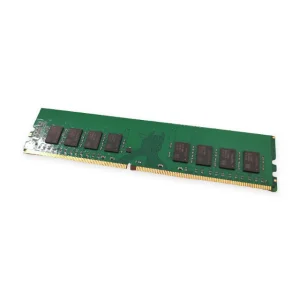
Truck fleets, long-haul logistics fleets, and smart buses rely on localized compute nodes to store log data, route plans, and safety metrics. These nodes utilize high-density server-grade cooling systems and ECC (Error Correction) RAM modules to run continuously without overheating or crashing under harsh road vibrations.
In-vehicle computing enclosures are often tightly sealed to prevent water, dust, and humidity ingress. Active fan-based cooling is highly prone to failure under these conditions. Passive heatsinks and vapor chambers (like 2U passive cooler solutions) are essential to dissipate heat away from core chips to the vehicle chassis.
Direct answers from our engineering and export departments to assist global procurement managers in optimizing their supply chain.
A1: While consumer DRAM focus is on cost-effective high speed, automotive-grade memory modules require compliance with AEC-Q100 standards, featuring operating ranges of -40°C to +105°C. They undergo specialized underfill processes to resist solder-joint cracks caused by road vibration and feature strict ECC error-checking mechanisms to avoid data corruption in autonomous driving systems.
A2: Fans contain moving parts that are highly susceptible to dust buildup, moisture ingress, and mechanical failure over years of continuous vehicle operation. Passive cooling solutions, utilizing advanced vapor chambers (such as passive VC3 heatpipe coolers), transfer thermal energy solely through phase-change mechanics and metal conduction, offering near-zero wear and tear over a typical 10-to-15-year automotive product lifecycle.
A3: Novram enforces a rigorous five-step testing framework: 100% functional checking, multi-motherboard compatibility screening, high-temperature chamber burn-in testing, precise voltage tolerance sweeps, and environmental aging verification. Our team of 42 professional inspectors keeps defect rates under strict parts-per-million (PPM) thresholds before any custom-packaged cargo leaves our facility.
A4: We offer extensive hardware custom options, including: customized PCB layouts for tight spatial configurations, customized firmware/SPD timing tuning for specific host motherboards, private labeling/logo etching, custom high-conductivity thermal paste applications, and integrated thermal-dissipation brackets designed for high-stress server enclosures.
A5: Shenzhen is the epicenter of the global electronic supply chain. Novram operates alongside 860+ qualified supply partners, allowing us to source raw PCB substrates, premium DRAM IC wafers, heatpipes, and electronic components in days rather than weeks. This translates to vastly faster prototype development and highly scalable volume production cycles for international buyers.
A6: Level 3 to Level 5 autonomous driving compute platforms require massive memory bandwidth (exceeding 300 GB/s) to process multiple high-resolution LiDAR, radar, and camera streams simultaneously. DDR5 modules provide double the bandwidth of DDR4, along with on-die ECC functionality, making them the new standard for centralized vehicle computing servers and next-generation smart cockpits.
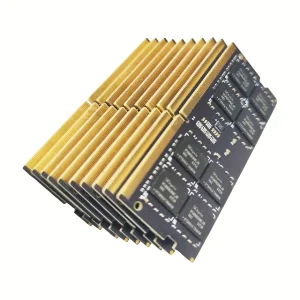
High-capacity server RAM modules, motherboard units, and specialized heat sinks tailored for enterprise storage and edge computing.