Novram
Novram
Novram
Explore our top-tier server-grade DDR modules, thermal architectures, and high-performance computing chipsets designed for zero-dropout operation.
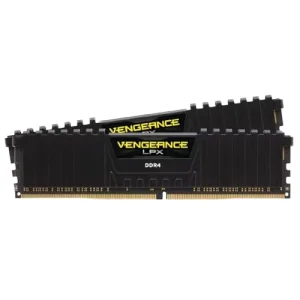
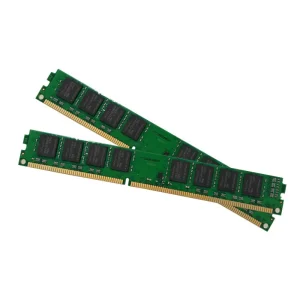
In high-density server configurations, cloud computing installations, and industrial automation environments, raw computational speed means nothing without power stability. As architectures advance toward DDR5 SDRAM and complex multi-rail PCB topologies, the demands placed on voltage regulation have evolved exponentially.
As a leading pioneer in high-precision voltage regulation integration, Novram Electronics Co., Ltd. bridge the gap between structural power management and high-frequency data transmission. Operating out of Shenzhen, China’s silicon innovation hub, we manufacture and export state-of-the-art power components, custom modules, and advanced thermal dissipation components that form the backbone of next-generation enterprise hardware.
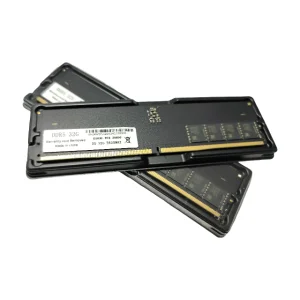
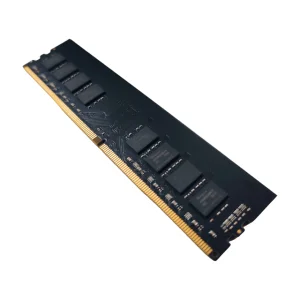
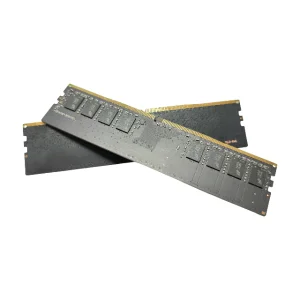
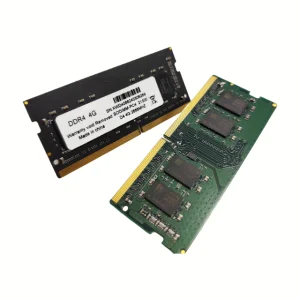
Historically, desktop and server motherboards managed voltage step-down and regulation through complex motherboard-level Voltage Regulator Modules (VRMs). With the advent of DDR5 technology, the industry saw a paradigm shift. Power regulation moved directly onto the memory module via a dedicated Power Management Integrated Circuit (PMIC).
"By relocating the voltage regulator from the motherboard to the DIMM, system designers reduce power losses, mitigate signal noise, and gain dynamic software control over voltage profiles under massive computational loads."
Novram Electronics designs and integrates these integrated regulators, ensuring optimal transient response, lower thermal profiles, and sustained efficiency levels exceeding 92% across variable workloads.
How advanced voltage regulation, smart PMICs, and high-frequency DRAM interfaces are redefining modern hardware standards.
Decentralization of voltage regulation enables precise control. Localized PMICs on memory modules and processor packages reduce the length of voltage transmission paths, suppressing parasitics, ripples, and voltage droops in multi-core server environments.
Modern workloads demand instantaneous dynamic power scaling. Modern voltage regulators adjust input currents within microseconds to prevent system crashes during compute-heavy neural network training, maintaining signal margin integrity.
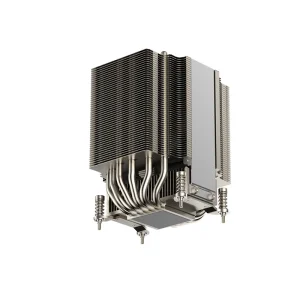
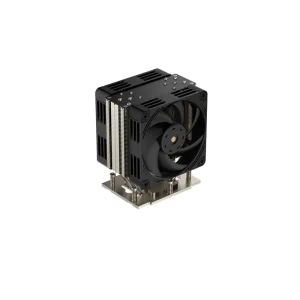
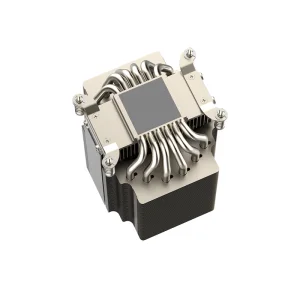
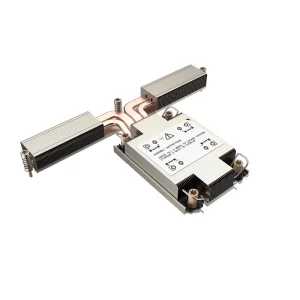
Because PMICs emit heat on the module itself, advanced passive extruded aluminum radiators and custom water cooling server heatsinks (such as our SP5 and LGA4677 models) have transitioned from option to absolute operational necessity.
Enterprise electronics procurement involves balancing reliability, compliance, long-term component availability, and competitive pricing structures.
For procurement officers, hardware design leads, and enterprise system builders, partnering with a supplier that maintains deep vertical control over the manufacturing and component lifecycle is critical. Whether you are scaling an edge computing platform, building industrial PCs, or outfitting hyperscale cloud data centers, you require components that have undergone severe stress-testing and quality validation before arrival.
Novram Electronics provides an agile sourcing model, utilizing a deep network of vetted supply partners, continuous in-house quality control testing, and full technical documentation to streamline compliance audits and speed up time-to-market.
Decade-long experience, structural capacity, and rigorous validation metrics underpinning our industry-leading reputation.
Our dedicated Quality Control department utilizes 42 professional inspectors operating high-speed automated testers to execute our comprehensive, five-tier reliability process on every single batch prior to shipment:
Validating dynamic timing parameters, active voltage thresholds, and clock-edge margins under standard operating frequencies.
Cross-platform validation across hundreds of target hardware profiles, including Intel, AMD, and major enterprise system motherboards.
Running systems under elevated workloads for prolonged periods to trigger and isolate early-stage solid-state component failures.
Industrial electronics manufacturing requires high speed without sacrificing quality. China's manufacturing ecosystem provides high integration levels that optimize pricing and delivery.
At Novram Electronics Co., Ltd., we combine this geographic structural advantage with smart Factory 4.0 automation. Through our partnerships with over 860 qualified supply chain partners, we maintain constant component sourcing and inventory levels even during volatile global supply fluctuations. Our plant houses high-speed automated SMT assembly lines, optical inspection (AOI) stations, and environmental testing chambers.
By optimizing assembly pathways, consolidating component sourcing, and automating high-speed inspection processes, we minimize manufacturing defects, shorten lead times, and lower production costs for global distributors and OEMs.
Take an inside look at our state-of-the-art testing, validation, and design rooms in Shenzhen, China.
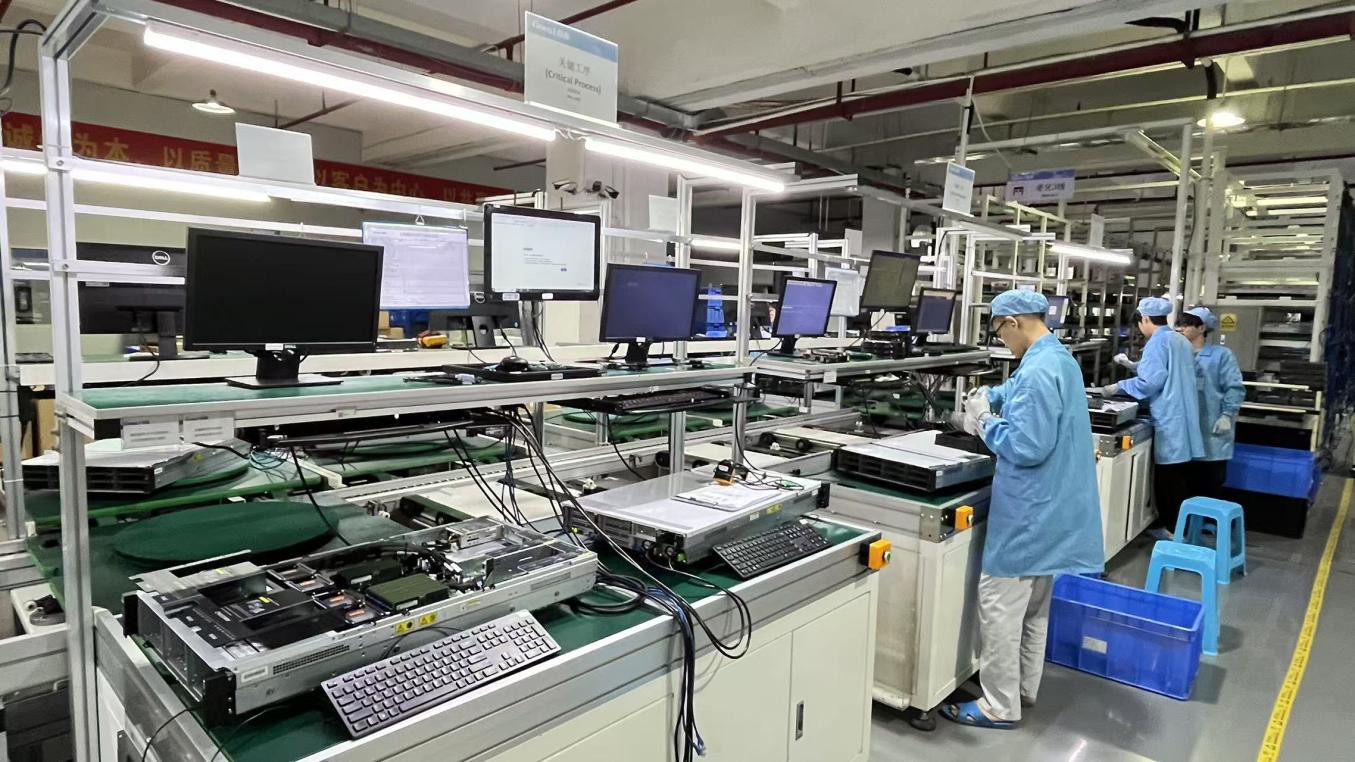
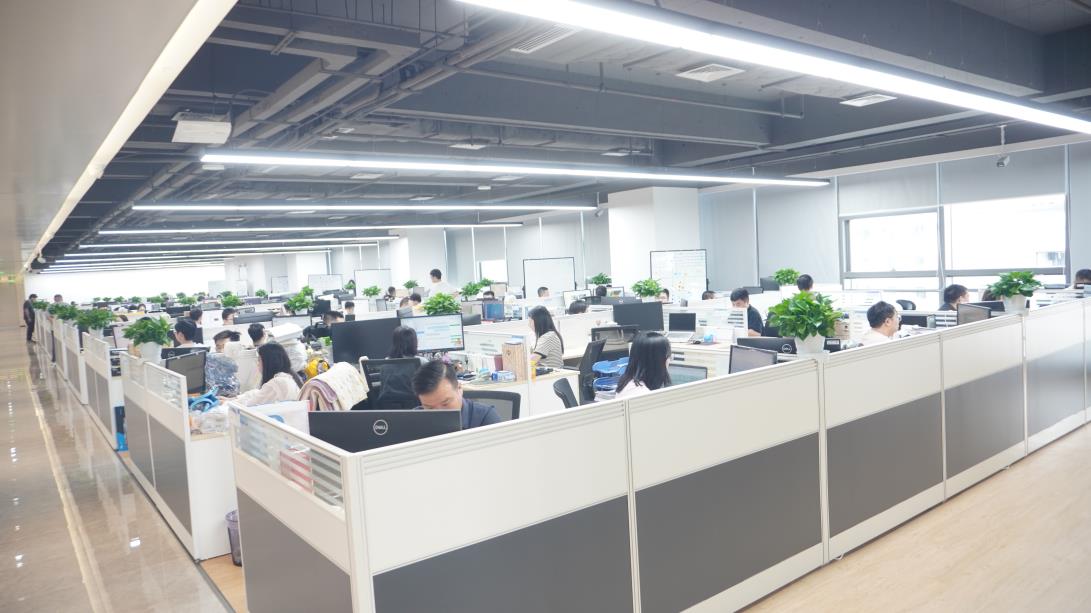
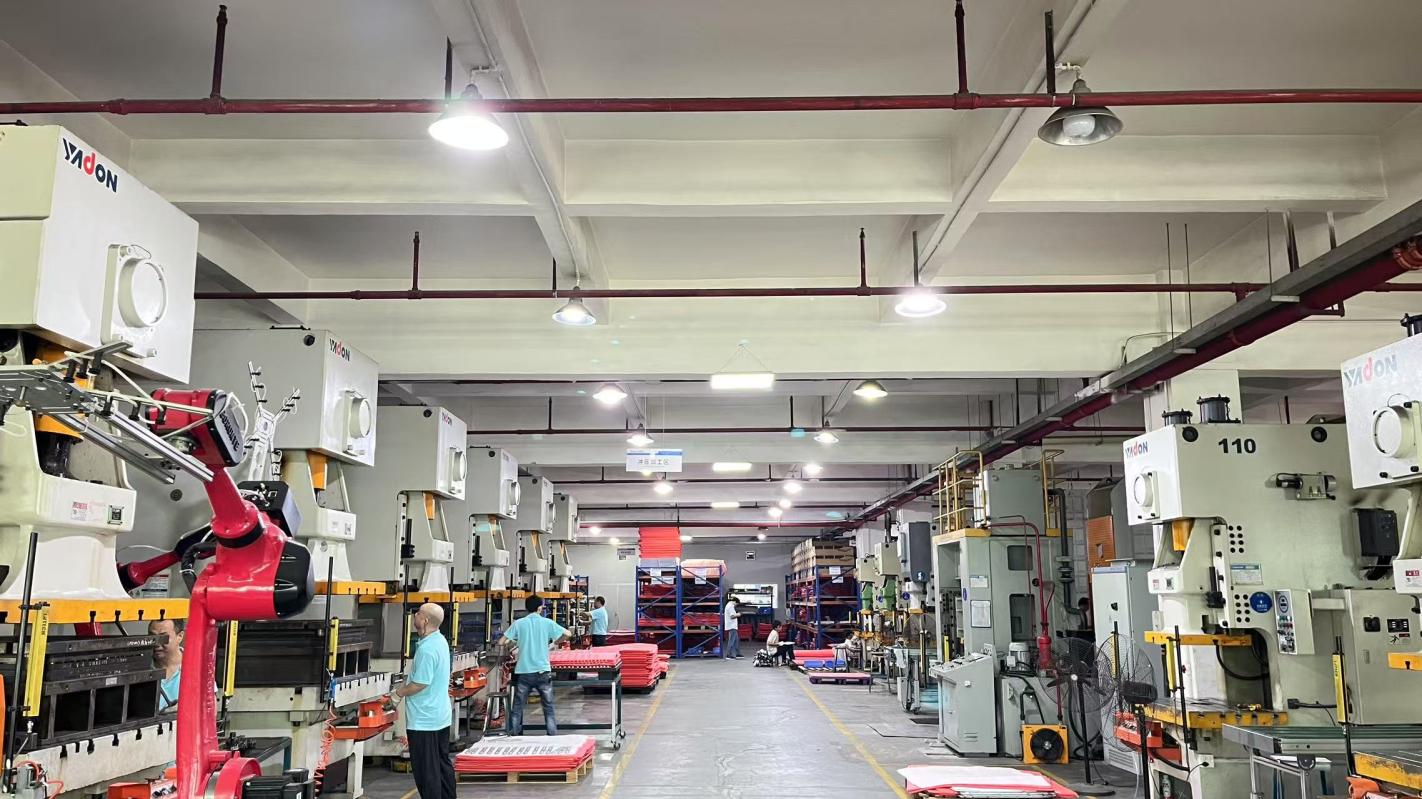
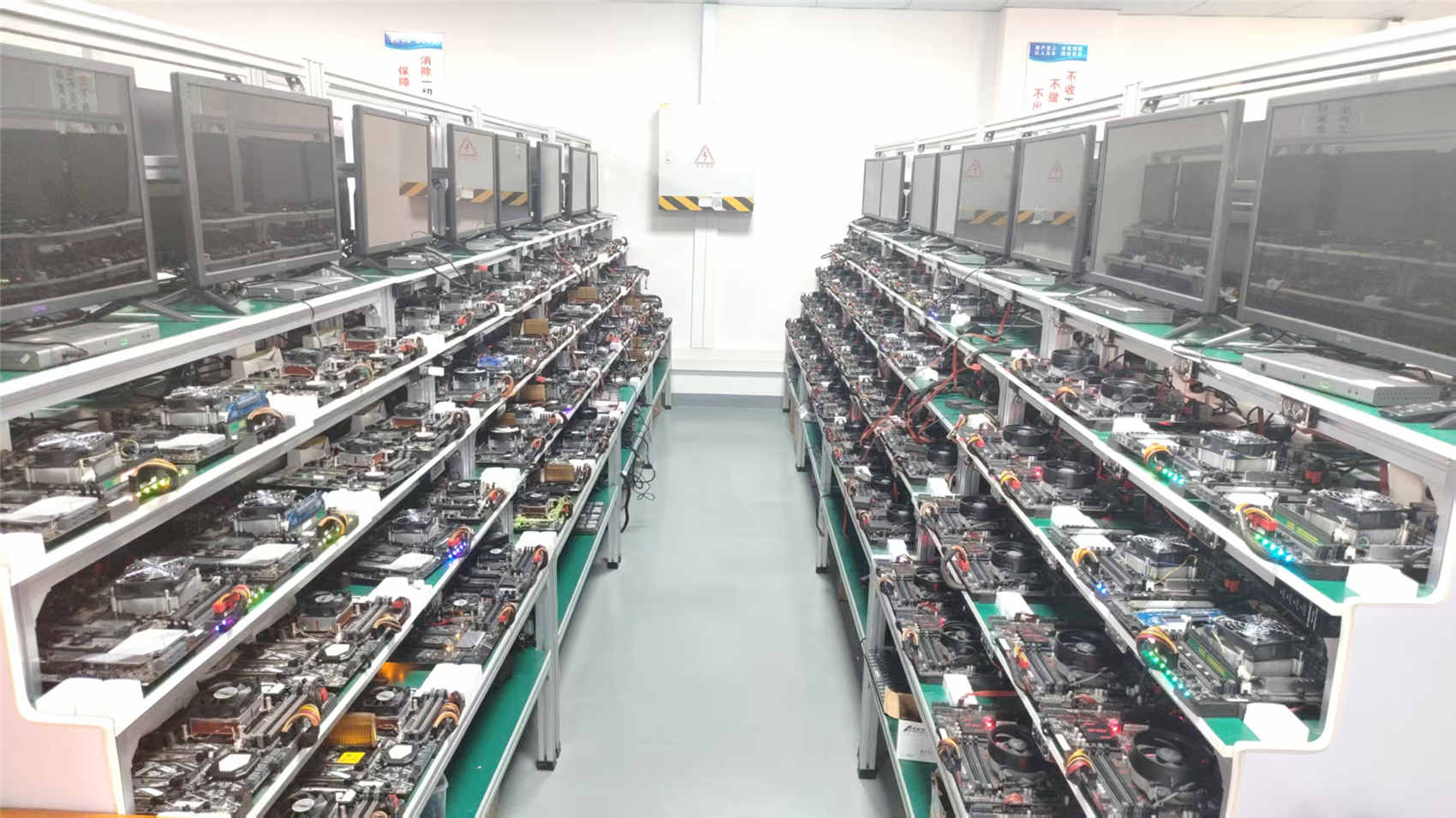
Where our voltage regulation precision, structural heatsinks, and advanced memory architectures operate globally.
Industrial computing systems deployed at the edge operate in challenging environments with temperature variations and inconsistent supply voltage. Our power-efficient memory modules and compact PMICs ensure uninterrupted uptime in automated factory machines, field sensors, and transportation hubs.
Hyperscale cloud data centers require maximum processing power per rack unit. Modern servers require low-profile, high-efficiency heatsinks (like our passive extruded designs) combined with clean power delivery to prevent localized hotspots and maintain system performance.
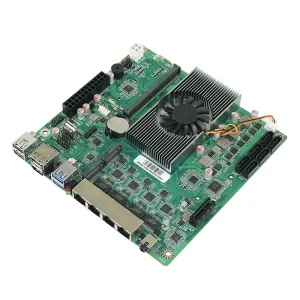
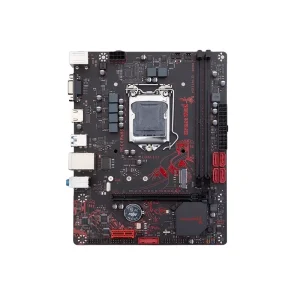
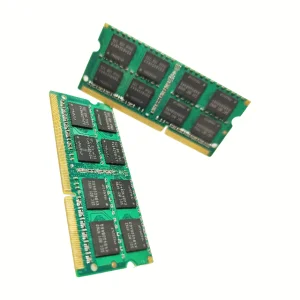
System integrators building customized ITX and Mini-PC terminals rely on our Motherboards and custom-configured memory arrays. Features like onboard firmware optimization and flexible physical profiles allow our products to fit into tight designs, such as medical diagnostic equipment and digital signage.
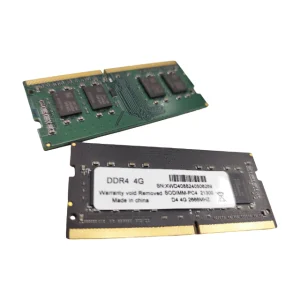
In high-speed digital electronics, managing supply voltage levels is a primary design challenge. When data rates cross the 4800 MT/s mark, traditional power distribution networks (PDNs) face physical limitations. In legacy DDR4 memory systems, the motherboard hosted the VRM, step-down circuits, and inductors. The regulated voltages had to travel through PCB traces, connector pins, and DIMM contacts before reaching the DRAM chips. This long path increased the risk of electromagnetic interference (EMI) and power losses.
To address this, JEDEC relocated power management for DDR5 memory directly onto the DIMM using a Power Management IC (PMIC). Operating at 12V, the PMIC steps down the voltage to the required 1.1V VDD, VDDQ, and 1.8V VPP levels. Relocating the regulator helps reduce the noise and ripple that can cause bit errors in high-speed data transmission.
While moving the PMIC to the DIMM improves voltage regulation, it creates a localized heat source on the memory module. Unlike memory chips, which draw power in fast pulses, the PMIC converts voltage continuously, generating steady thermal energy. In high-density server configurations with close module spacing, the thermal load from the PMIC can affect the surrounding memory chips.
Novram Electronics solves this by designing integrated thermal management solutions. Our high-conductivity aluminum heatsinks and custom heat spreaders are engineered to draw heat away from the PMIC and memory chips. By pairing high-performance memory modules with matched thermal spreaders, we keep operating temperatures within safe limits, reducing thermal throttling and extending component lifespans.
Modern server CPUs and GPUs frequently transition between low-power idle states and high-performance computing bursts. These rapid shifts require the power delivery network to respond quickly to changes in load current. If the voltage regulator's transient response is too slow, the supply voltage can drop below the minimum required level, leading to data corruption or system crashes. Conversely, a voltage overshoot can cause long-term wear on the silicon.
Novram Electronics' engineering team focuses on optimizing the control loops of our power management and memory modules. By tuning the onboard passive components (capacitors and inductors) and adjusting the PMIC's internal parameters, we achieve rapid transient response times. This optimization keeps supply voltages stable within millivolts of target values, even during heavy processing loads like real-time database queries, machine learning, and high-frequency financial calculations.
Technical answers directly from Novram's Lead Design & Systems Integration Engineers.
Industrial Motherboards, active CPU cooling solutions, and high-performance server components for global integration.