Novram
Novram
Novram
In the era of hyper-connected computing, the performance of wireless devices hinges upon the architectural integrity of the integrated RF components. Original Equipment Manufacturers (OEMs) and Original Design Manufacturers (ODMs) globally face the critical challenge of selecting reliable hardware foundations. The modern IoT landscape demands high stability, low power, and compliant transceiver standards.
Whether deploying systems in industrial automation, enterprise cloud infrastructure, or localized consumer systems, selecting an expert Wi-Fi Modules Factory & Exporter involves evaluating complex technical parameters, regulatory compliance, and fabrication scalability. This whitepaper analyzes these elements, aligning manufacturing excellence with global technological integration requirements.
Reliable hardware execution in IoT edge nodes relies on four foundational pillars:
Shenzhen, China stands as the epicenter of global semiconductor packaging and high-frequency RF assembly. Operating within this hardware ecosystem, factories achieve unmatched time-to-market speed by sourcing raw chipsets, sub-components, and antennas with minimal lead times.
By leveraging advanced PCB fabrication methodologies, Chinese exporters optimize layout geometries, antenna patterns, and shielding parameters to match client hardware envelopes without escalating unit costs.
Top-tier exporters house state-of-the-art RF chambers for over-the-air (OTA) calibration, emission profiling, and harmonic validation, accelerating approval processes across target markets.
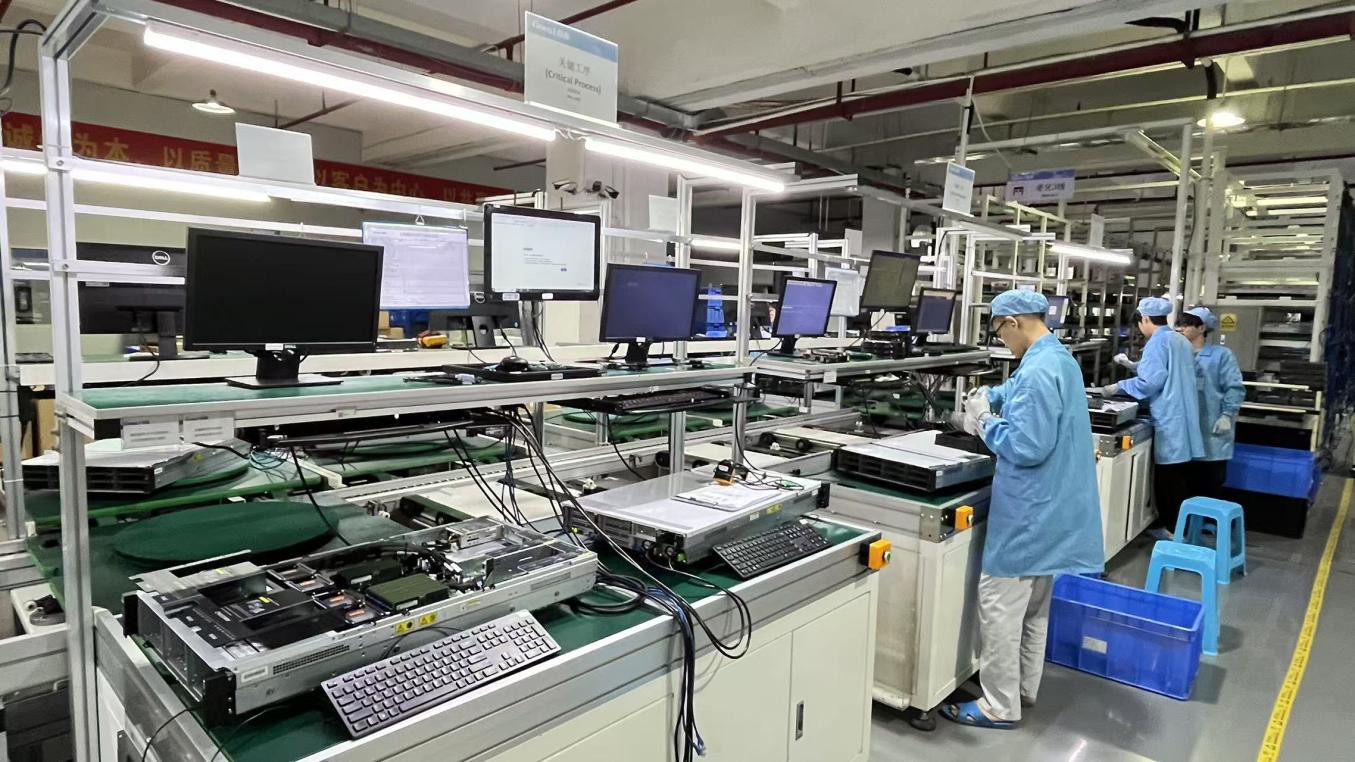
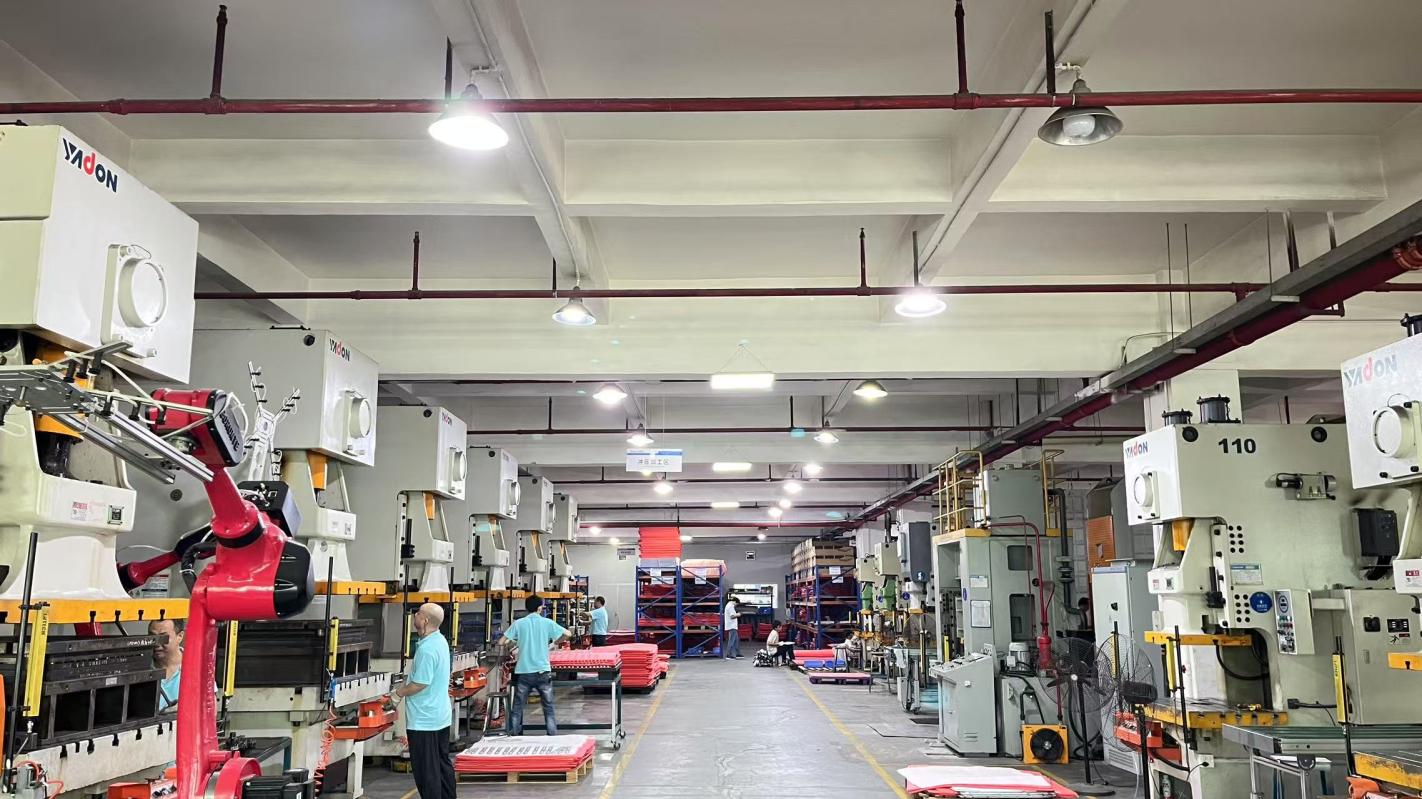
Established in 2016, Novram Electronics Co., Ltd. is a specialized electronics and memory manufacturer based in Shenzhen, China. Over our 9 years of industry experience, we have built a reputation as a trusted manufacturing partner for global enterprise platforms, system integrators, and OEM/ODM clients. Our primary production facility spans a modern 3,860㎡ layout, housing SMT lines, RF calibration setups, and environmental testing chambers.
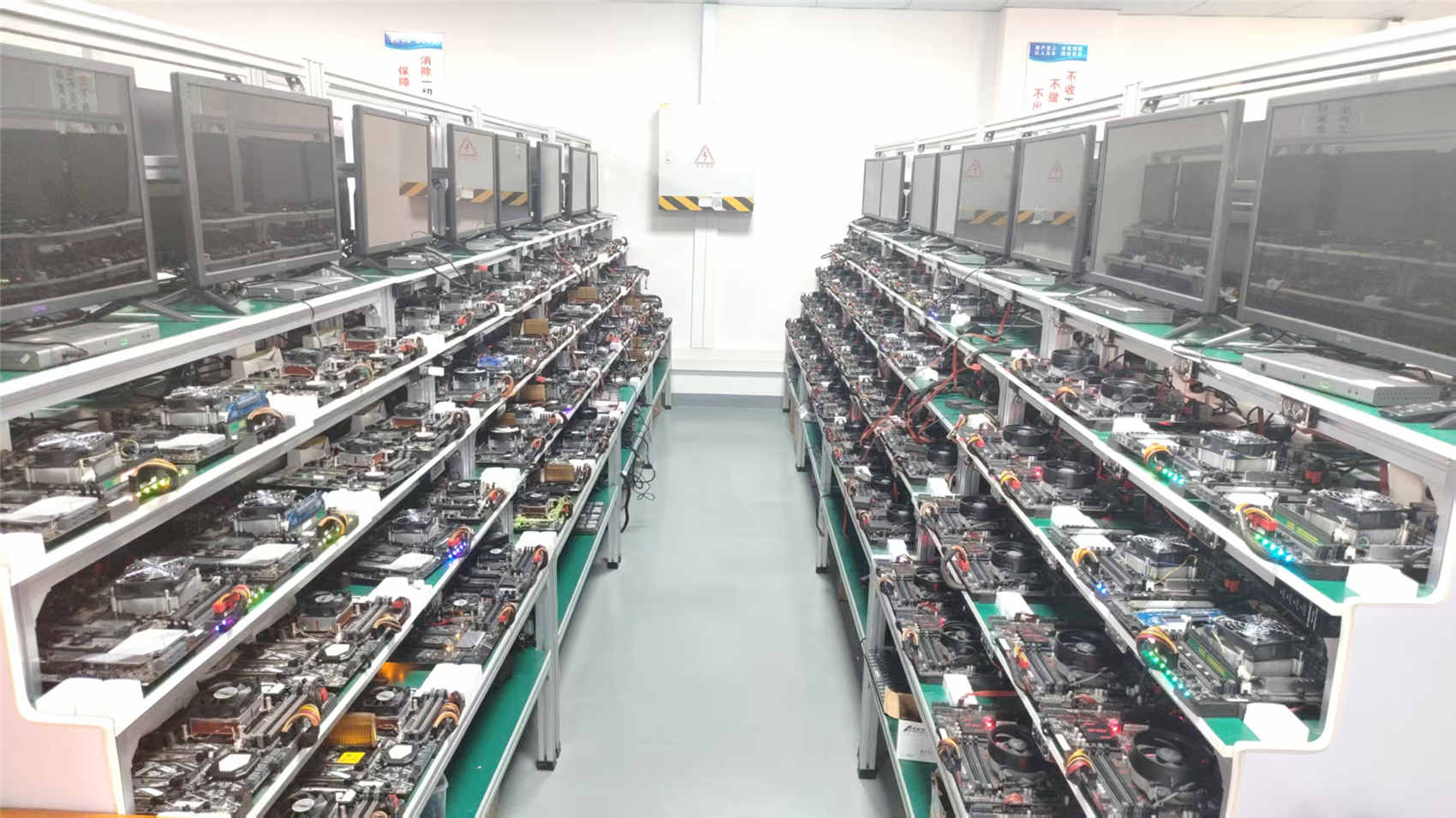
Driven by strict quality policies, Novram operates a QA network consisting of 42 professional inspectors. Together, they execute a comprehensive testing suite comprising functional verification, compatibility testing, burn-in validation, and environmental testing. Our supply-side resilience relies on 860 qualified supply chain partners, enabling stable, long-term components sourcing even during market shortages.
Modern applications require designers to align their hardware roadmaps with the appropriate wireless protocol generation.
Ideal for: High-density IoT networks, smart factories, and commercial spaces.
Utilizes OFDMA (Orthogonal Frequency-Division Multiple Access) and bi-directional MU-MIMO to increase spectral efficiency. This standard handles multiple concurrent client nodes per access point, reducing latency in congested networks.
Ideal for: High-resolution video feeds, enterprise computing, and real-time robotics.
Extends the standard 802.11ax capabilities into the clear 6 GHz band. This provides wide, non-overlapping channels to eliminate legacy network congestion and maximize data throughput.
Ideal for: AI-driven edge computing, medical telemetry, and low-latency virtual environments.
Introduces Multi-Link Operation (MLO) alongside 320 MHz channel widths and 4096-QAM. This allows modules to send and receive data across multiple frequency bands simultaneously, minimizing jitter.
For strategic buyers, selecting a reliable Wi-Fi Modules Factory & Exporter extends beyond unit pricing. Integrating RF solutions demands strict verification of physical and electrical compatibility with target systems. Key technical factors include:
M.2 cards (e.g., Key A+E 2230) simplify maintenance and upgrades. In contrast, solder-down PCIe/SDIO LGA modules offer lower unit costs and higher resistance to vibration in high-g industrial environments.
Products must use the appropriate interface: external U.FL/I-PEX connectors for custom enclosures, or embedded PCB trace/ceramic patch antennas for compact, self-contained devices.
Standard commercial grades (0°C to +70°C) suit consumer applications. However, harsh industrial environments require ruggedized components certified for extreme temperatures (-40°C to +85°C).
Every RF module must undergo a strict quality control lifecycle. Pre-shipment test protocols include:
| Test Stage | Parameter Inspected |
|---|---|
| S-Parameter Evaluation | Return loss (S11) and transmission gain (S21) parameters. |
| EVM Profiling | Error Vector Magnitude to verify signal modulation quality. |
| Dynamic Thermal Stress | Continuous cycle tests from -40°C to +85°C. |
| Anechoic Chamber Sweep | Measures spurious emissions to ensure compliance with FCC standards. |
How diverse industrial verticals utilize specialized wireless RF solutions and integrated components.
Sourcing dual-band Wi-Fi/Bluetooth LE modules ensures full compatibility with the Matter standard. This allows seamless interconnectivity in complex, multi-brand smart home ecosystems.
For automated factories, high-throughput SDIO modules enable real-time telemetry from edge sensors to local servers, minimizing connection drops under EMI (Electromagnetic Interference) stress.
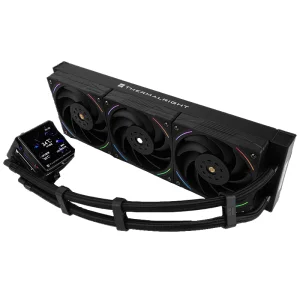
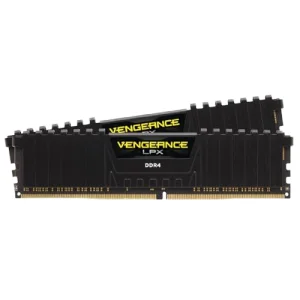
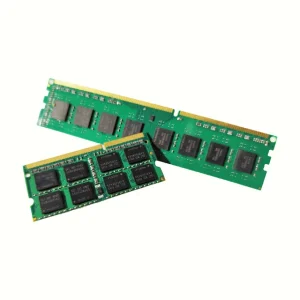
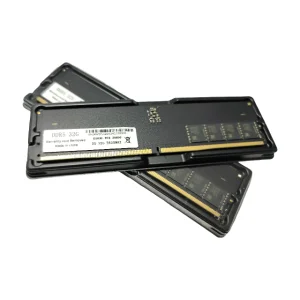
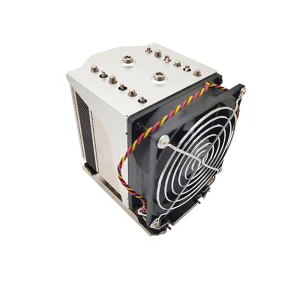
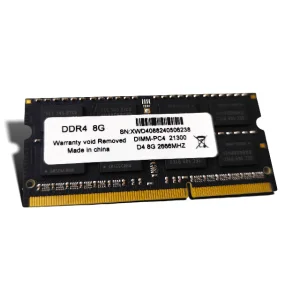
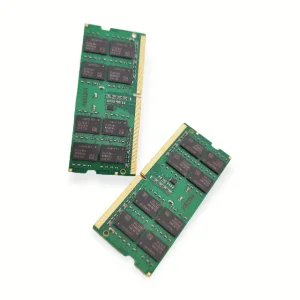
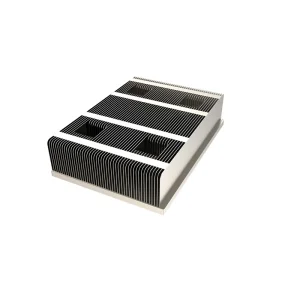
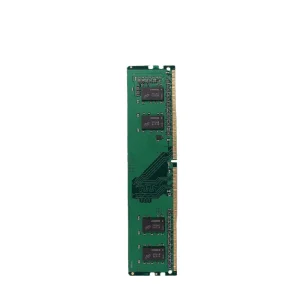
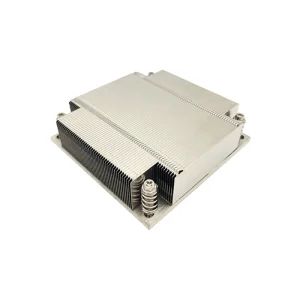
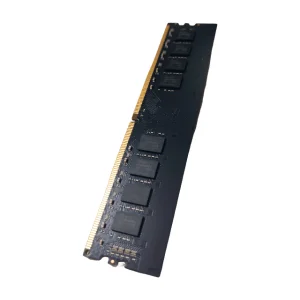
High-speed wireless modules, paired with enterprise RAM buffers and high-performance server heatsinks, ensure uninterrupted connectivity in remote cloud platforms and data center nodes.
Direct answers to complex engineering and purchasing questions regarding Wi-Fi modules and electronic components.
SDIO (Secure Digital Input Output) interfaces are commonly used in low-power, lightweight IoT architectures and embedded microcontrollers due to their simple design and low energy needs. PCIe (Peripheral Component Interconnect Express) interfaces offer much higher bandwidth and lower latency, making them ideal for high-throughput Wi-Fi 6E/7 enterprise designs and computing platforms.
Industrial facilities suffer from significant multipath interference and signal blockage from structural metalwork. Dynamic range calibration allows the module to adjust its transmit power and receiver sensitivity in real time. This maintains stable data links and avoids packet loss under varying noise conditions.
Designing a system with a pre-certified RF module (FCC, CE, IC, MIC) allows product developers to bypass expensive and time-consuming intentional radiator testing. Developers only need to perform unintentional radiator testing on the final system, reducing certification costs and saving weeks in the launch schedule.
Novram Electronics provides comprehensive customization options, including custom PCB layout, antenna configurations (integrated vs. IPEX connectors), firmware optimization, customized packing, private label printing, and specialized memory capacities. Our 76 R&D engineers ensure all customizations align with target performance specifications.
Every production batch undergoes strict quality control protocols, including 100% functional testing, compatibility checks, burn-in validation, and environmental chamber sweeps. Our quality assurance team, consisting of 42 certified inspectors, oversees our network of 860 supply partners to verify the quality of all incoming raw materials.
Witness our modern production lines, cleanrooms, and testing facilities operating under international standards.