Novram
Novram
Novram
Optimized for real-time mathematical operations, low-latency execution, and peak computational performance in modern signal-processing units.
Modern telecommunications, computational acoustics, medical imaging, and aerospace radar platforms demand high-efficiency mathematical processing capabilities. The global digital signal processing landscape has evolved beyond standalone chips. In today's hybrid computation architectures, real-time signal analysis relies on co-processing systems that couple powerful processors with high-bandwidth memory (DRAM) and optimized printed circuit boards (PCBs) to avoid bottlenecks.
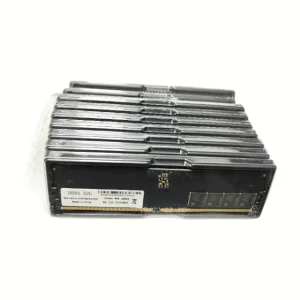
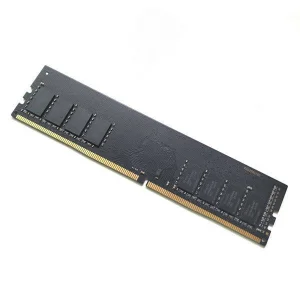
Digital Signal Processors (DSPs) are designed to perform complex algorithmic computations, such as Fast Fourier Transforms (FFT), matrix multiplications, and digital filtering, with deterministic latency. Unlike generic CPU cores, DSPs prioritize throughput per watt for specialized streaming tasks. However, as sensor resolutions and carrier frequencies increase, the processor is frequently choked by the "memory wall"—the latency delay when transferring signal frames between the DSP engine and physical storage. Advanced DRAM modules, high-frequency DDR4/DDR5 components, and customized thermal cooling modules act as the vital vascular system supporting these core processing silicon dies.
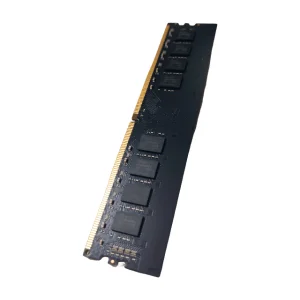
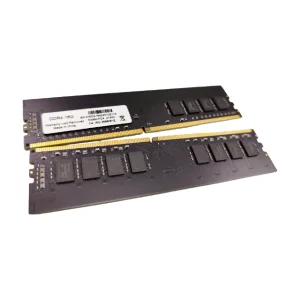
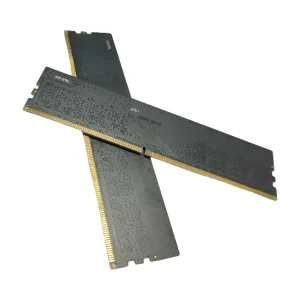
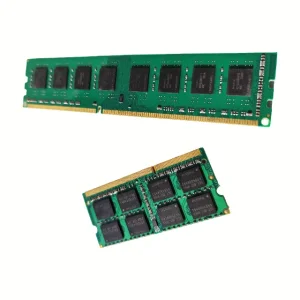
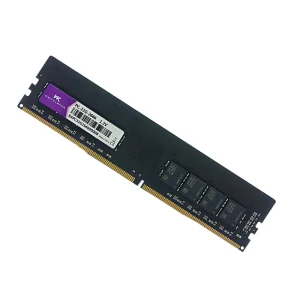
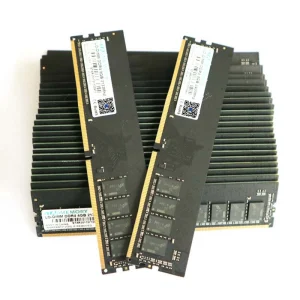
Standard processing cycles often stall without continuous access to high-rate sensor streams. The implementation of high-frequency DDR4 and DDR5 memory modules ensures that memory bandwidth scales in parity with the rising multi-gigahertz processing architectures of today's DSP units.
In radar detection, vehicular telemetry, and critical healthcare monitoring systems, delays of milliseconds can result in system failure. Utilizing high-performance components with advanced error-correction code (ECC) secures signal integrity and eliminates transmission retries.
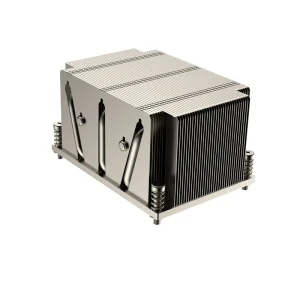
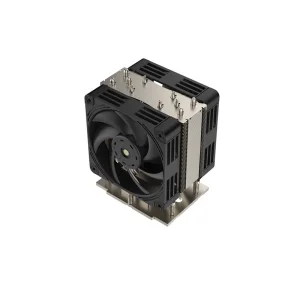
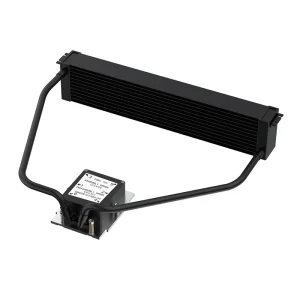
DSPs and high-speed processors operating at elevated frequencies generate significant thermal dissipation. Advanced active and passive cooling solutions, such as 300W server heatsinks and dual-ball bearing fans, prevent thermal throttling and ensure stable processing workloads.
Whether deploying arrays of DSP chips for defense radars, telecommunication Baseband Units (BBUs), or edge industrial vision systems, hardware design needs to be highly customized. Broad industrial applications highlight the dependency on reliable processing components:
1. Telecommunications & 5G/6G Networks: Multi-antenna processing (MIMO) relies on high-order filtering. Base stations employ vast arrays of DSPs paired with high-performance ECC memory modules to reconstruct weak airwave signals into structured data packets.
2. Medical Imaging (MRI/CT/Ultrasound): Converting raw sensor signals into 3D volumetric renders demands continuous, high-throughput math operations. The speed of processing determines real-time frame rates, directly depending on low-latency RAM and thermal efficiency of the host server processors.
3. Aerospace, Sonar & Radar: DSPs filter clutter and noise from real-time geographic readings. Component reliability and thermal resilience are non-negotiable under extreme environmental conditions, calling for specialized PCB designs and heavy-duty heatsinks.
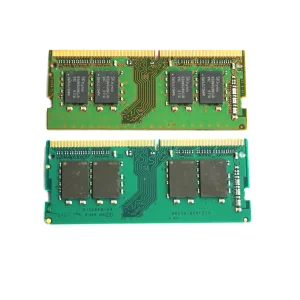
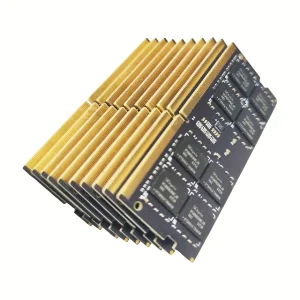
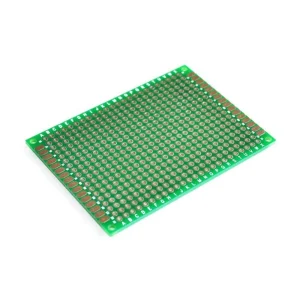
4. Smart Grid and Industrial Automation: Edge vibration analytics detect microscopic anomalies in power turbines. Small, power-efficient, double-sided PCBs allow engineers to embed dedicated processing nodes directly on sensory nodes in the factory floor.
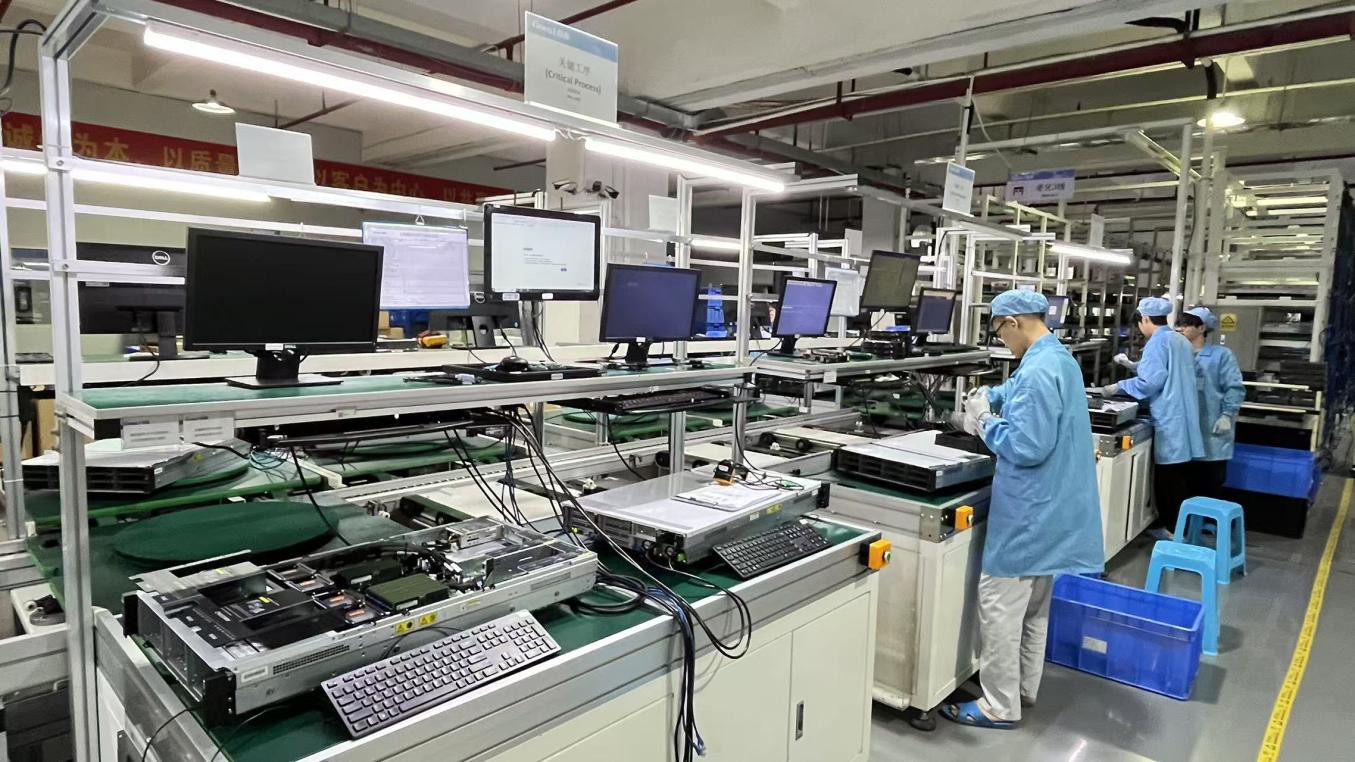
Providing the backbone hardware for signal-processing systems requires rigorous engineering standards, scalable production capacities, and a reliable global supply chain. Novram Electronics Co., Ltd. stands as a professional DDR5 memory and high-performance hardware components manufacturer based in Shenzhen, China. Dedicated to delivering high-performance DRAM and processing hardware solutions for global OEM, ODM, and industrial enterprises, Novram has grown into a highly trusted industrial supplier since its establishment in 2016.
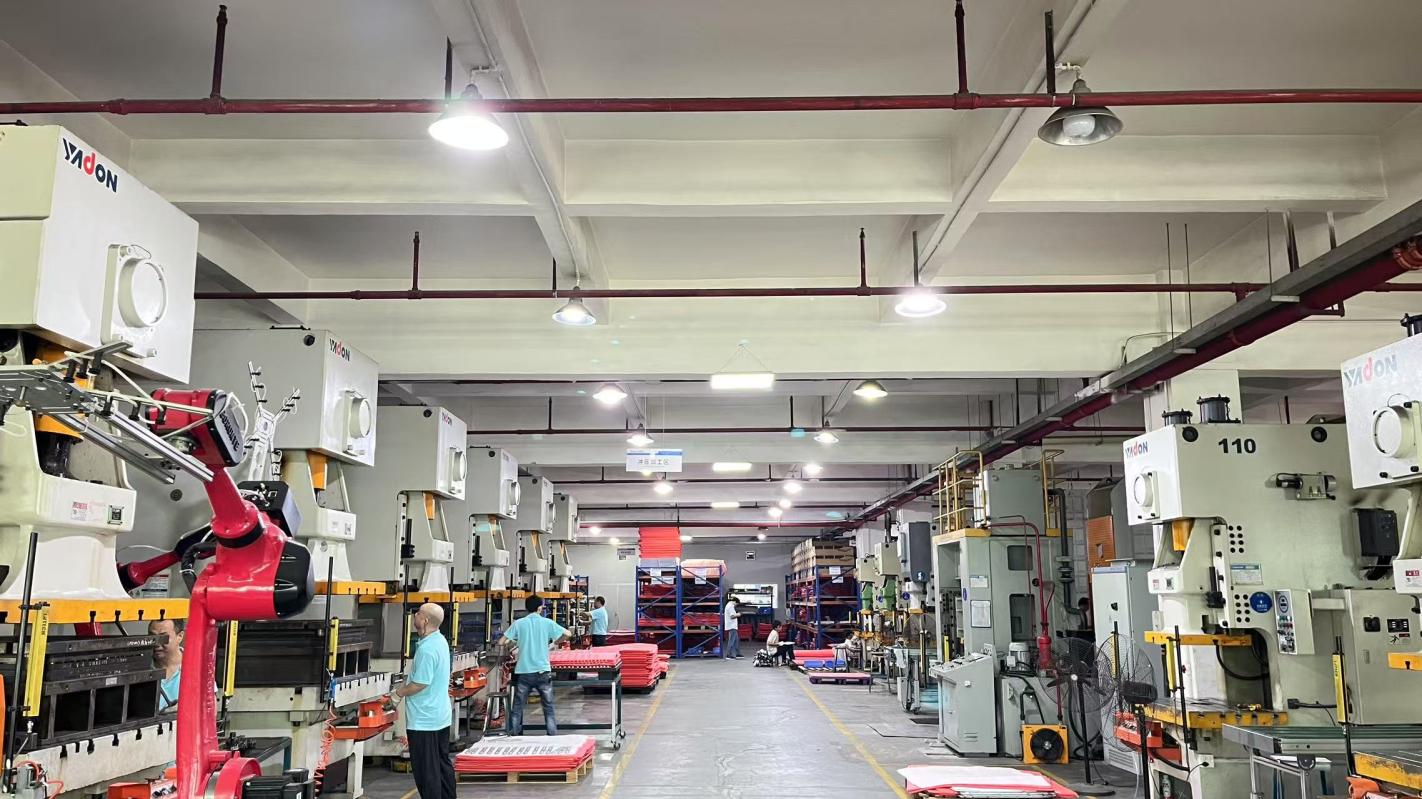
Operating from a modern 3,860㎡ manufacturing facility, Novram integrates advanced surface-mount technology (SMT) lines, continuous quality-control methodologies, and dedicated R&D divisions to ensure every electronic module meets international reliability and compatibility thresholds. Our engineering expertise supports partners across consumer electronics, industrial automation, embedded computing, network switches, and high-performance server farms.
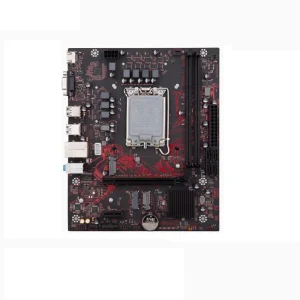
With nearly a decade of industry operations and 7 years of direct export experience, Novram ships high-reliability hardware to clients in more than 40 countries. Our logistics infrastructure enables efficient lead times and responsive support for memory modules, motherboard layouts, thermal cooling units, and prototyping components. We work collaboratively with memory module brands, industrial PC companies, system integrators, distributors, and OEMs worldwide to streamline hardware supply chains.
For processors and memory running continuous filtering mathematical models, a single bit flip can lead to computational failure. At Novram Electronics, quality controls are meticulously embedded into every phase of the manufacturing workflow:
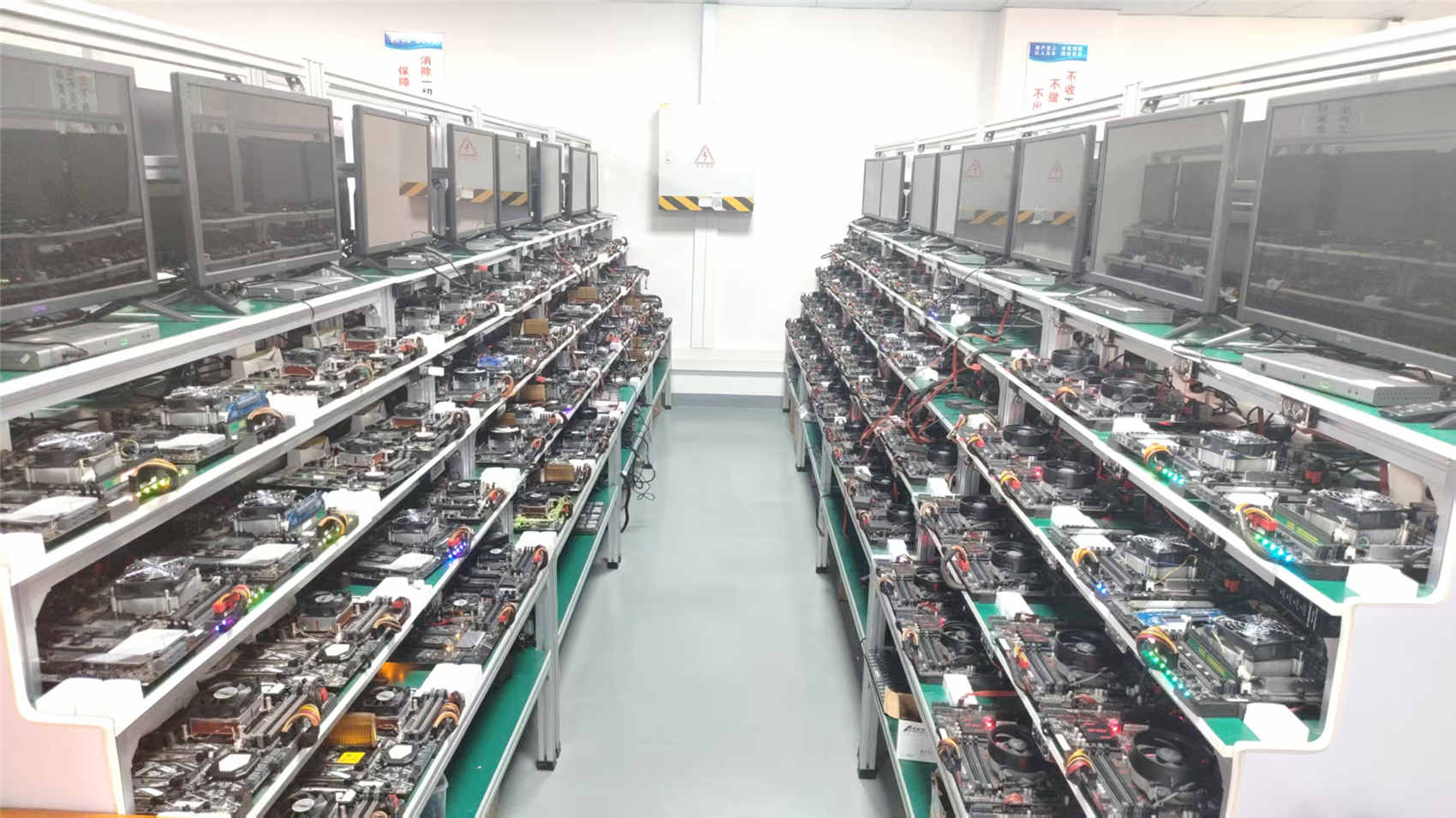
No component leaves our facility without testing. We execute complete testing cycles including functional testing, compatibility testing, burn-in validation, temperature sweeps, and long-term aging verification.
Our quality department is staffed by 42 professional inspectors who utilize automated optical inspection (AOI) machines, high-resolution X-rays for multi-layer PCBs, and system-level diagnostic software to screen for subtle anomalies.
We maintain active alliances with over 860 qualified supply chain partners, guaranteeing the traceabilty of DRAM chips, components, thermal interfaces, and raw substrates.
Our R&D center introduces approximately 138 new products yearly, offering complete OEM/ODM customization covering private labeling, firmware optimization, layout changes, and tailored packaging.
As industry needs evolve toward Edge AI, autonomous driving, and massive MIMO antenna arrays, processing architectures are transforming. Standalone DSP engines are increasingly combined with hardware accelerators and neural network processing units (NPUs). This convergence drives several technical directions that will dominate the coming years:

DSPs perform high-frequency arithmetic transformations on data arrays. If the memory subsystem cannot deliver data frames fast enough, the processor sits idle (the memory wall). Upgrading to high-frequency DDR4 (3200MHz) or DDR5 (5600MHz/6000MHz) increases bandwidth, ensuring the processing pipelines remain full.
ECC memory detects and corrects single-bit memory corruptions dynamically. In DSP applications processing sensor input, a bit error could cause signal glitches or system crashes. ECC ensures uninterrupted calculation accuracy in industrial and enterprise networks.
We provide customized services including firmware tuning, custom capacity allocation, PCB thickness modifications, high-thermal resistance packaging, private label branding, and customized retail or industrial-grade bulk packaging.
Every module design undergoes compatibility tests on mainstream Intel, AMD, and ARM-based platforms. Our engineering team tests physical configurations and timing profiles to ensure smooth installation and operation across systems.
We suggest active air coolers with copper heatpipes (such as our 5-heatpipe LGA4926 CPU Cooler) or passive integrated water-cooling solutions. These manage the thermal loads of processors operating at 200W to 300W TDP, preventing system throttling.
Essential building blocks to construct, cool, and wire complex digital processing networks from prototype to volume manufacturing.