 Novram
Novram
Novram
Engineered for low latency, maximum throughput, and long-term durability in high-demand compute environments.
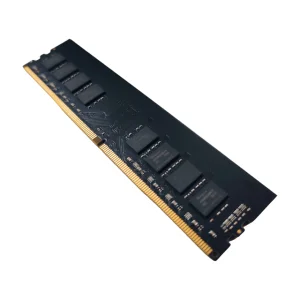
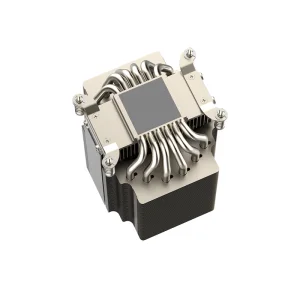
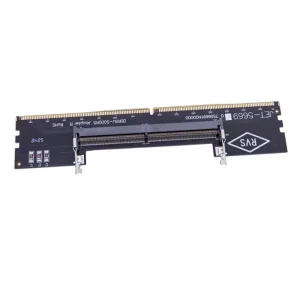
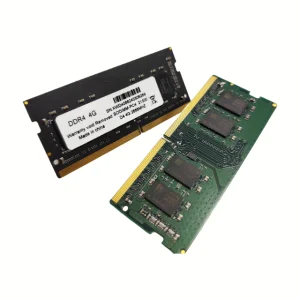
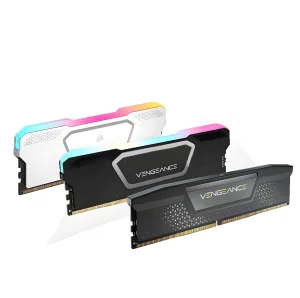
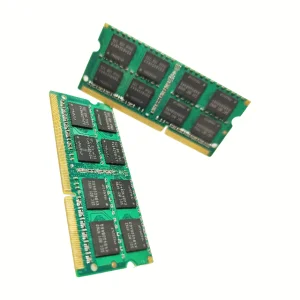
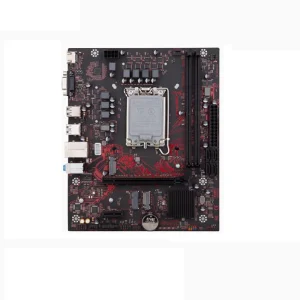
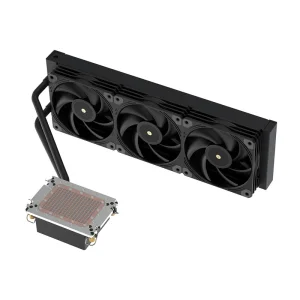
For nearly a decade, Novram Electronics Co., Ltd. has established itself as an industrial-grade force in high-performance memory and Solid-State Drive (SSD) engineering. Established in 2016 in the global hardware hub of Shenzhen, China, we operate a state-of-the-art 3,860㎡ manufacturing facility dedicated to pushing the performance limits of semiconductor storage and memory modules.
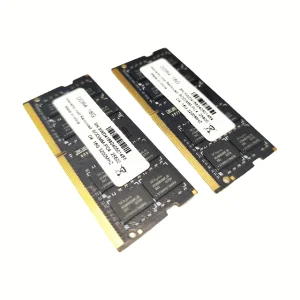
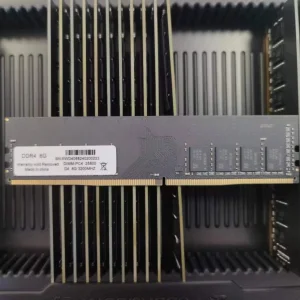
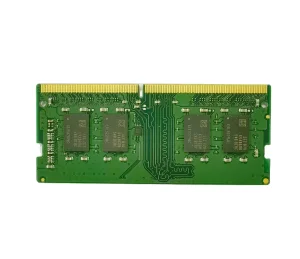
By leveraging advanced Surface Mount Technology (SMT) lines, rigorous testing methodologies, and direct partnerships with first-tier NAND Flash and DRAM silicon foundries, we produce high-durability PCIe Gen4/Gen5 NVMe SSDs, SATA III drives, and enterprise-level memory systems (including DDR4, DDR5, and custom adapter cards). We support a multi-layered ecosystem serving OEM/ODM clients, system integrators, and industrial entities across 40+ countries.
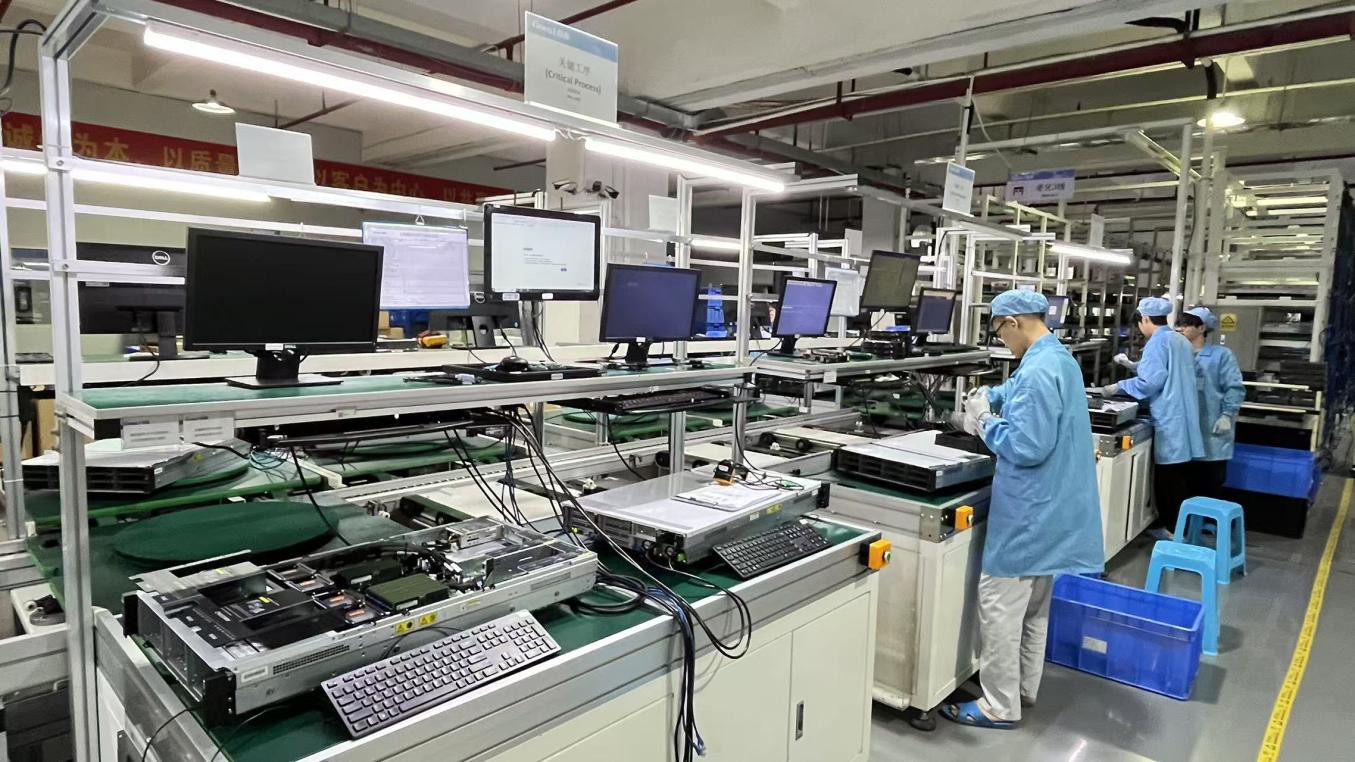

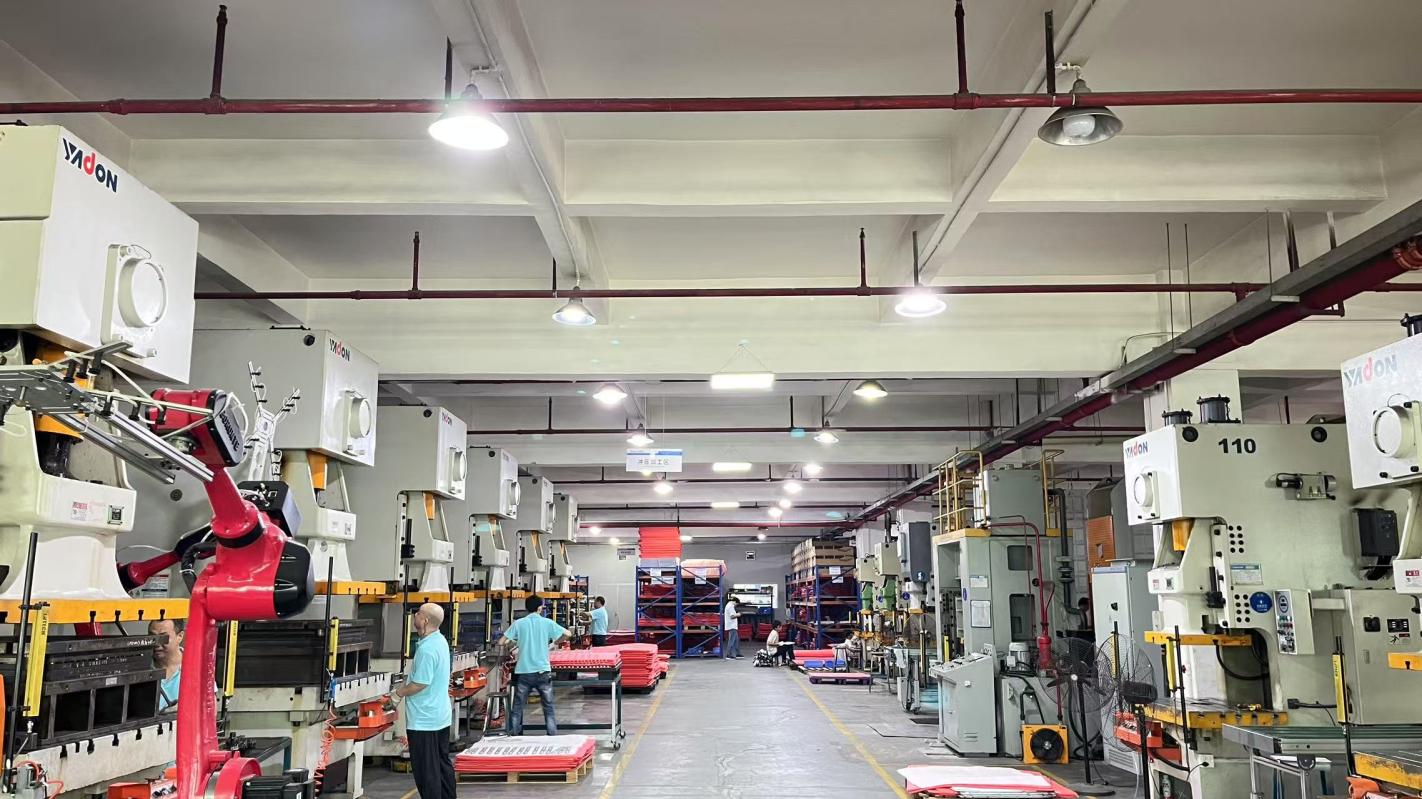
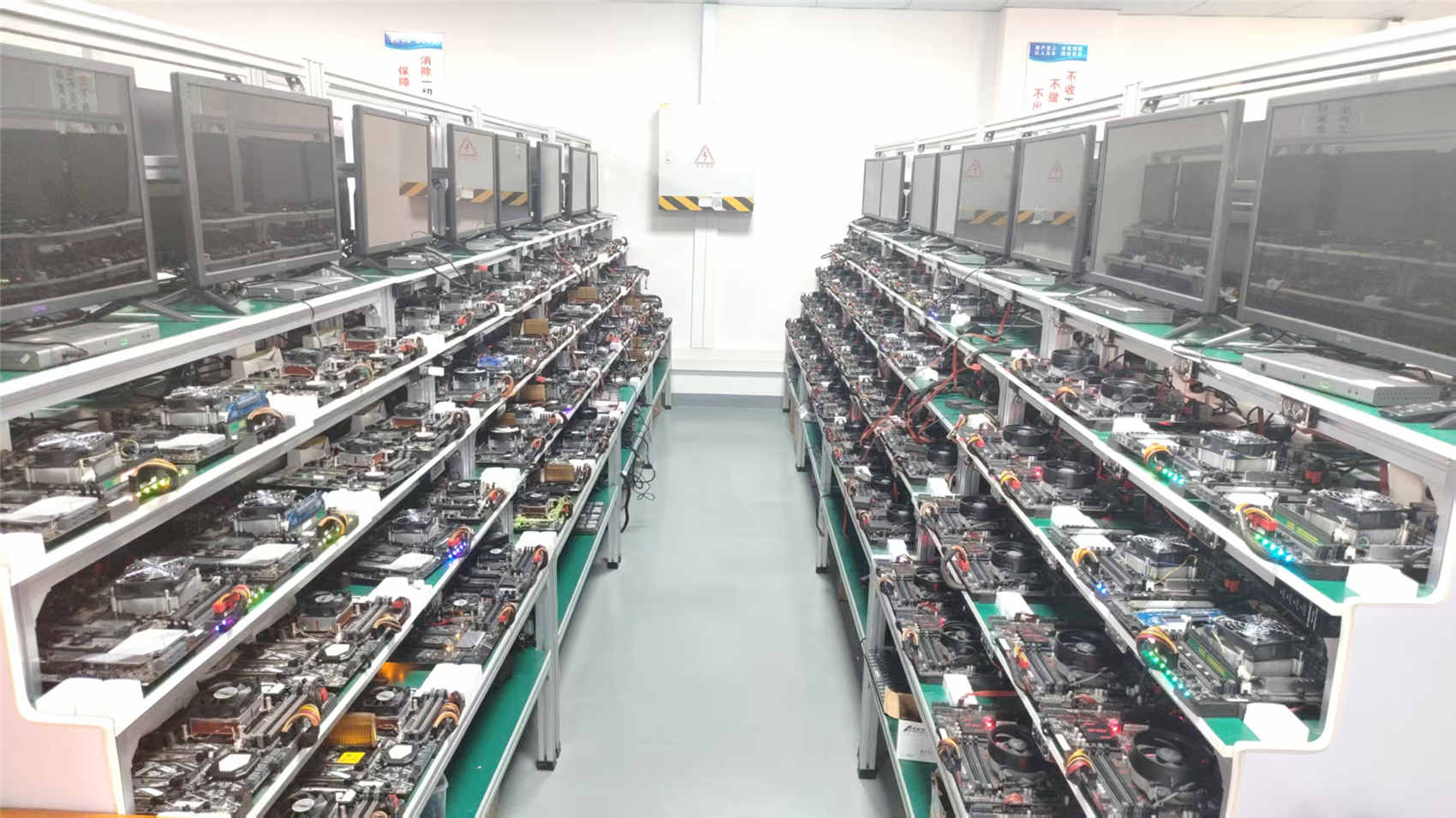
How high-speed storage technologies are shaping the infrastructure of modern industries.
The global storage market is undergoing a seismic shift driven by the explosion of generative AI, distributed cloud networks, and edge computing nodes. Solid-State Drives (SSDs) have moved beyond simple PC component upgrades to become the literal backbone of modern transactional database systems and deep learning infrastructure. With PCIe Gen4 and Gen5 NVMe architectures delivering speeds up to 14,000 MB/s, memory controllers must manage high thermal loads and dense workloads.
For global buyers, procurement is no longer just about calculating the cost-per-gigabyte. Enterprise reliability relies on critical parameters such as Terabytes Written (TBW), Mean Time Between Failures (MTBF), Write Amplification Factor (WAF) optimization, and long-term hardware supply integrity. High-density 3D TLC and QLC NAND flash architectures demand advanced error correction algorithms (like LDPC) to prevent data corruption under constant read/write cycles.
At Novram, we address these challenges by integrating high-grade NAND flash dies with top-tier controller designs. We also design custom DRAM cache buffers (using our high-performance DDR4 and DDR5 memory modules) and state-of-the-art cooling solutions. This system-level approach guarantees that whether you deploy a SATA III SSD in an industrial kiosk or an NVMe drive in an edge server, the drive will deliver consistent performance without thermal throttling or early cell failure.
Utilizing high-bin 3D TLC/QLC NAND wafer stock to achieve up to 3,000+ Program-Erase (P/E) cycles, paired with Wear Leveling algorithms to distribute write cycles evenly.
Equipped with multi-channel controllers and high-speed DDR4/DDR5 DRAM buffers to sustain peak IOPS even during heavy concurrent queue depths.
Integrated thermal sensors, custom heatsinks, and physical Power Loss Protection (PLP) capacitors to safeguard data in volatile environments.
Optimized hardware solutions configured to meet the specific requirements of complex business environments.
In smart factories and outdoor edge nodes, storage devices must withstand temperature swings, dust contamination, and continuous mechanical vibration. Novram’s industrial-grade solid-state solutions feature wide-temperature operation (-40°C to 85°C), conformal coatings to prevent corrosion, and shock-resistant architectures.
Our SATA III and M.2 NVMe drives are built for deployment in PLCs, HMIs, and ruggedized edge gateways. They ensure data logs and AI inference models remain intact through years of continuous operation.
Cloud hosting environments and database architectures demand high random read/write speeds, low-latency queues, and reliable Quality of Service (QoS). High drive latency can slow down database queries and impact user experiences.
Our Enterprise PCIe Gen4/Gen5 NVMe SSDs feature large DRAM cache arrays, hardware-based AES-256 bit encryption, and advanced End-to-End Data Path Protection. Working together with our enterprise DDR4/DDR5 registered server RAM and liquid cooling systems, they allow system operators to scale virtual machine instances with confidence.
Artificial Intelligence workloads, including deep learning training and neural net processing, require massive storage bandwidth to quickly feed data into high-performance GPUs and CPUs. Slow storage drives can create bottlenecks that leave expensive processing power sitting idle.
Novram’s storage portfolio supports high-capacity PCIe storage arrays designed to work alongside high-speed DDR5 desktop and server RAM. Supported by our custom water coolers and heatsinks, these components maintain stable operating temperatures during intensive matrix calculations.
Modern vehicle computing, telemetry, and advanced driver assistance systems (ADAS) require fast read speeds to load critical software stacks instantly upon startup. These storage units must also be compact and highly power-efficient.
Novram provides compact M.2 2242/2280 form-factor storage with optimized firmware configurations. This helps minimize sleep-to-wake power draw and guarantees high random-read performance under demanding mechanical conditions.
Our commitment to research and development guides our technical designs for future performance demands.
As an R&D-focused storage and memory manufacturer, Novram invests heavily in testing new memory standards. With 76 skilled engineers and 138 new products launched annually, we are continuously refining our technologies to stay ahead of market demands:
Answers to common industry questions regarding SSD controllers, memory architecture, thermal management, and OEM sourcing.
DRAM-buffered SSDs incorporate a dedicated, high-speed RAM chip (such as DDR4 or DDR5 cache memory) directly on the drive circuit board. This DRAM chip serves as a rapid-access cache for the SSD's lookup tables (mapping physical locations to logical sectors). This significantly reduces file access latency and maintains steady write speeds during heavy file transfers.
DRAM-less SSDs, on the other hand, utilize technologies like Host Memory Buffer (HMB) to borrow a small portion of the system’s main RAM. While DRAM-less drives are more cost-effective and energy-efficient, DRAM-buffered drives are highly recommended for write-heavy enterprise databases and virtualization servers that require sustained performance.
We run a rigorous quality assurance program led by 42 dedicated quality inspectors. Each production batch undergoes five critical validation stages:
High-performance PCIe Gen4 and Gen5 M.2 SSD controllers process massive volumes of data, which generates substantial heat. If the controller temperature exceeds safe limits (typically around 70°C to 80°C), the drive's firmware will trigger thermal throttling, reducing write speeds to protect the components from permanent damage.
Using dedicated server-grade heatsinks, heat pipes, or liquid cooling blocks (such as LGA4677 or SP5 2U water coolers) helps dissipate heat quickly. Keeping operating temperatures lower prevents thermal throttling, ensures consistent read/write performance, and extends the overall lifespan of the NAND flash memory.
We provide full-spectrum customization services to match unique market and technical requirements:
DDR5 represents a major evolution in memory architecture, delivering twice the bandwidth of DDR4. Key technical upgrades include:
Explore our integrated hardware components engineered for modern data processing systems.
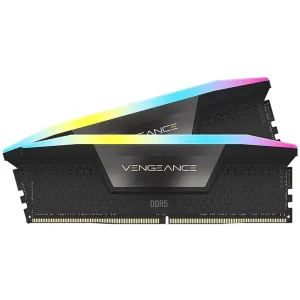
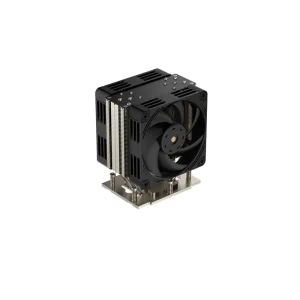
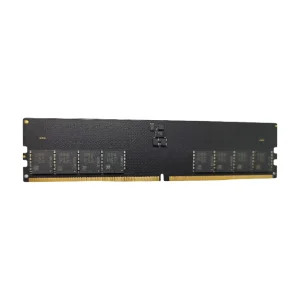
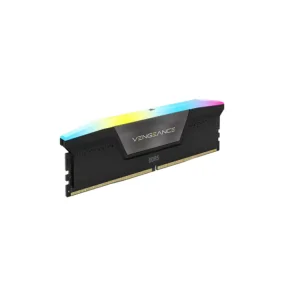
Looking for a custom storage configuration, bulk procurement pricing, or deep technical advice? Our team of R&D engineers and supply chain specialists is here to assist.
Send Technical Inquiry