Novram
Novram
Novram
As modern computing power scales and electrical densities skyrocket, thermal dissipation has emerged as the definitive engineering bottleneck. Thick Copper Circuit Boards (also referred to as Heavy Copper PCBs) represent the vanguard solution to this challenge.
Unlike standard printed circuit boards which feature copper weights of 1oz/ft² or 2oz/ft², Thick Copper PCBs utilize copper weights ranging from 3oz/ft² to upwards of 20oz/ft². This substantial increase in conductive mass drastically reduces electrical resistance, allows for massive current carrying capacities, and significantly improves thermal conductivity across the board substrate. For industries managing high-frequency logic components, heavy-duty power supplies, and state-of-the-art memory bus architectures (such as DDR5 platforms), thick copper design is not merely an option—it is an absolute technical requirement.
From a macro-industry perspective, the global transition to high-density server architectures, electric vehicle (EV) drivetrains, and smart grid infrastructures relies heavily on these robust substrates. The specialized manufacturing process, which involves complex differential etching and specialized lamination techniques, guarantees structural integrity under continuous thermal cycling. Thus, choosing a qualified supplier that understands both advanced raw materials and precise chemical plating tolerances is crucial for high-reliability applications.
The global market for thick copper PCBs is undergoing a period of unprecedented expansion. As of 2024, the demand is heavily driven by three key industrial macro-trends:
Next-generation Electric Vehicles require robust power conversion systems, battery management systems (BMS), and onboard charging systems (OBC) capable of handling hundreds of amps. Thick copper boards form the reliable substrate for these rugged, high-current environments.
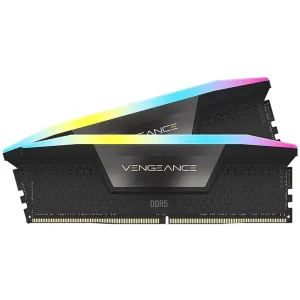
High-performance computing (HPC) nodes running modern processor chipsets demand pristine power distribution networks. Heavy copper layers stabilize power delivery, drastically reduce voltage ripple, and optimize thermal performance adjacent to CPU and DDR5 modules.
Solar inverters, wind turbine control panels, and grid-tied energy storage systems (BESS) require heavy-duty switching circuits. Heavy copper tracks minimize localized heating, prolonging component lifetimes and enhancing system safety.
Regionally, production is shifting toward highly integrated manufacturers capable of combining precision SMT (Surface Mount Technology) assembly with heavy-substrate fabrication. High-reliability sectors like industrial automation and telecommunications require suppliers to demonstrate strong supply chain control, cutting-edge automated optical inspection (AOI), and robust thermal shock testing capabilities.
The practical implementation of heavy copper circuit boards is diverse, manifesting in specialized hardware configurations across localized commercial zones:
A Premier DRAM & Advanced High-Power Hardware Manufacturer
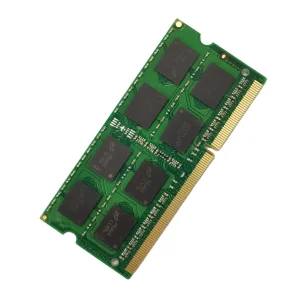
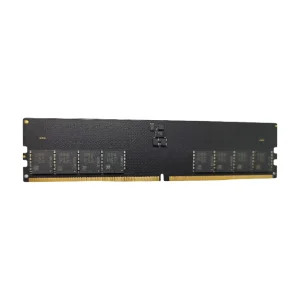
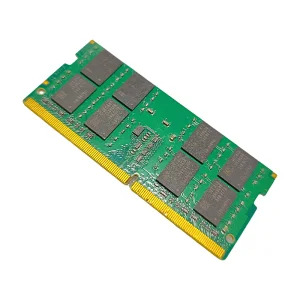
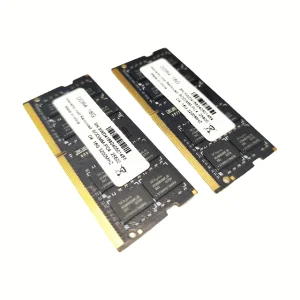
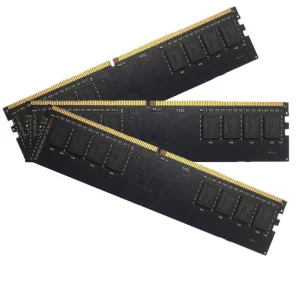
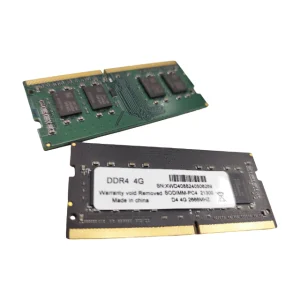
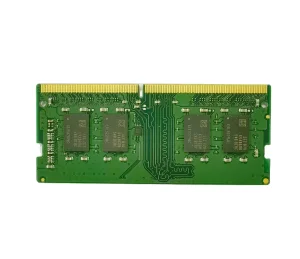
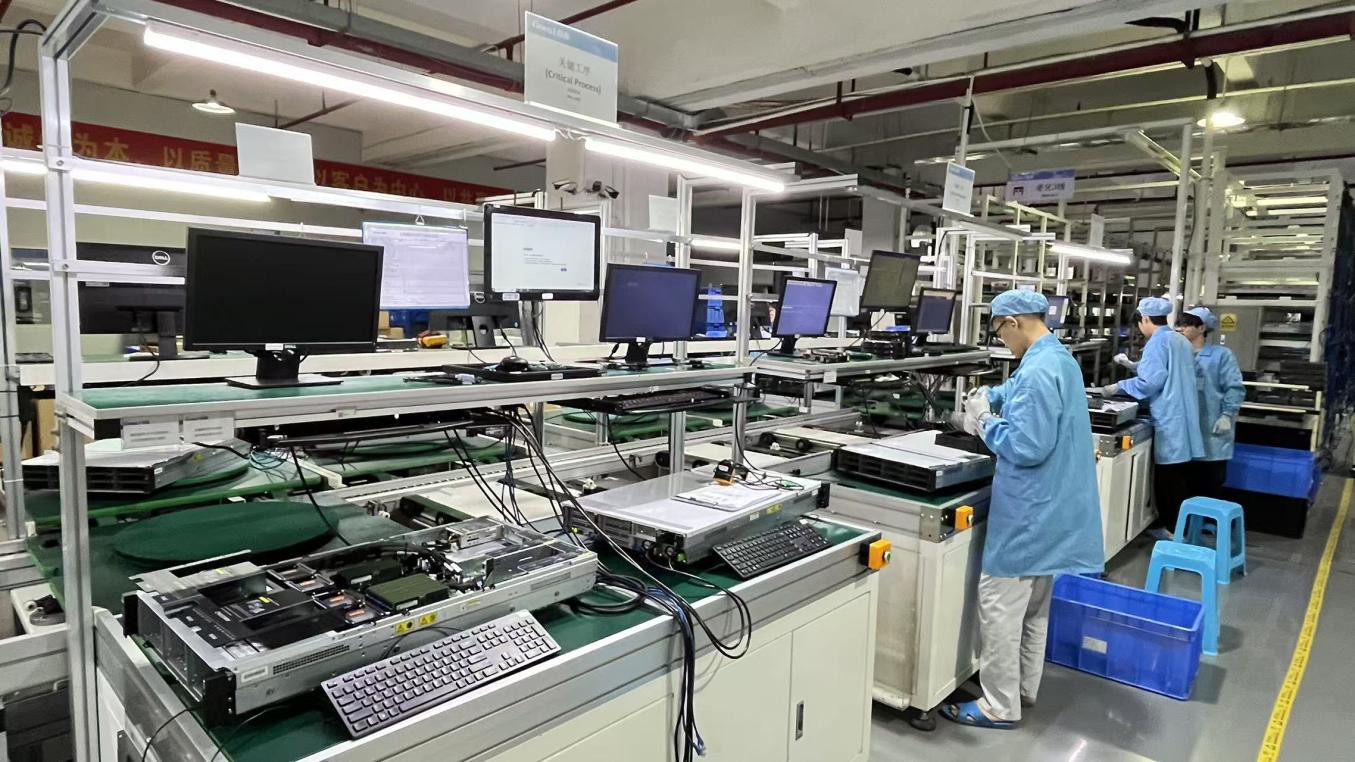
Novram Electronics Co., Ltd. is a professional DDR5 memory manufacturer based in Shenzhen, China, dedicated to delivering high-performance DRAM solutions for global OEM, ODM, and industrial customers. Established in 2016, the company has grown into a reliable supplier of DDR5 memory modules, serving partners across consumer electronics, industrial automation, embedded systems, gaming, and enterprise computing.
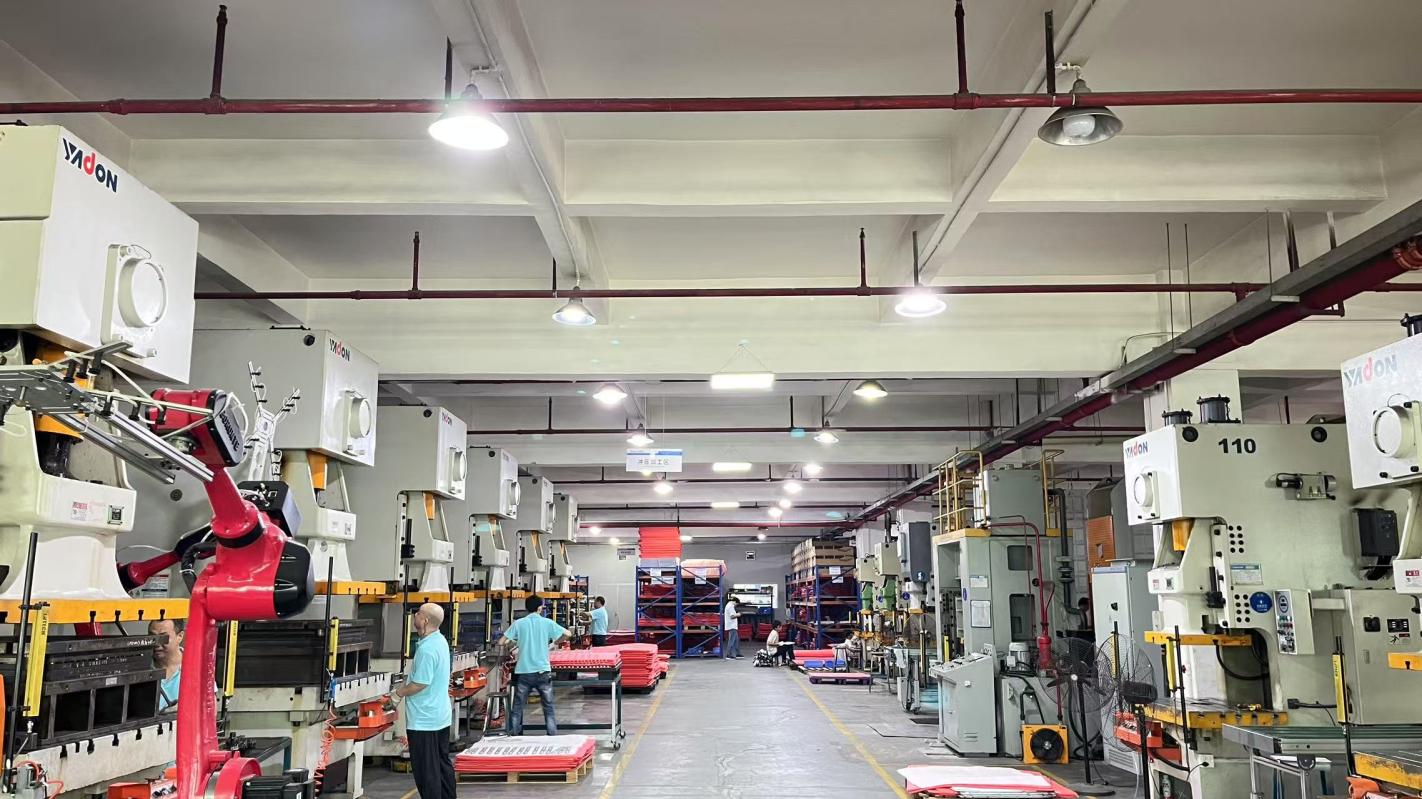
Operating from a modern 3,860㎡ manufacturing facility, Novram integrates advanced production equipment, strict quality management, and continuous R&D innovation to ensure every memory module meets international performance and reliability standards. Our experienced engineering team focuses on developing high-speed, stable, and energy-efficient DDR5 products for diverse computing applications.
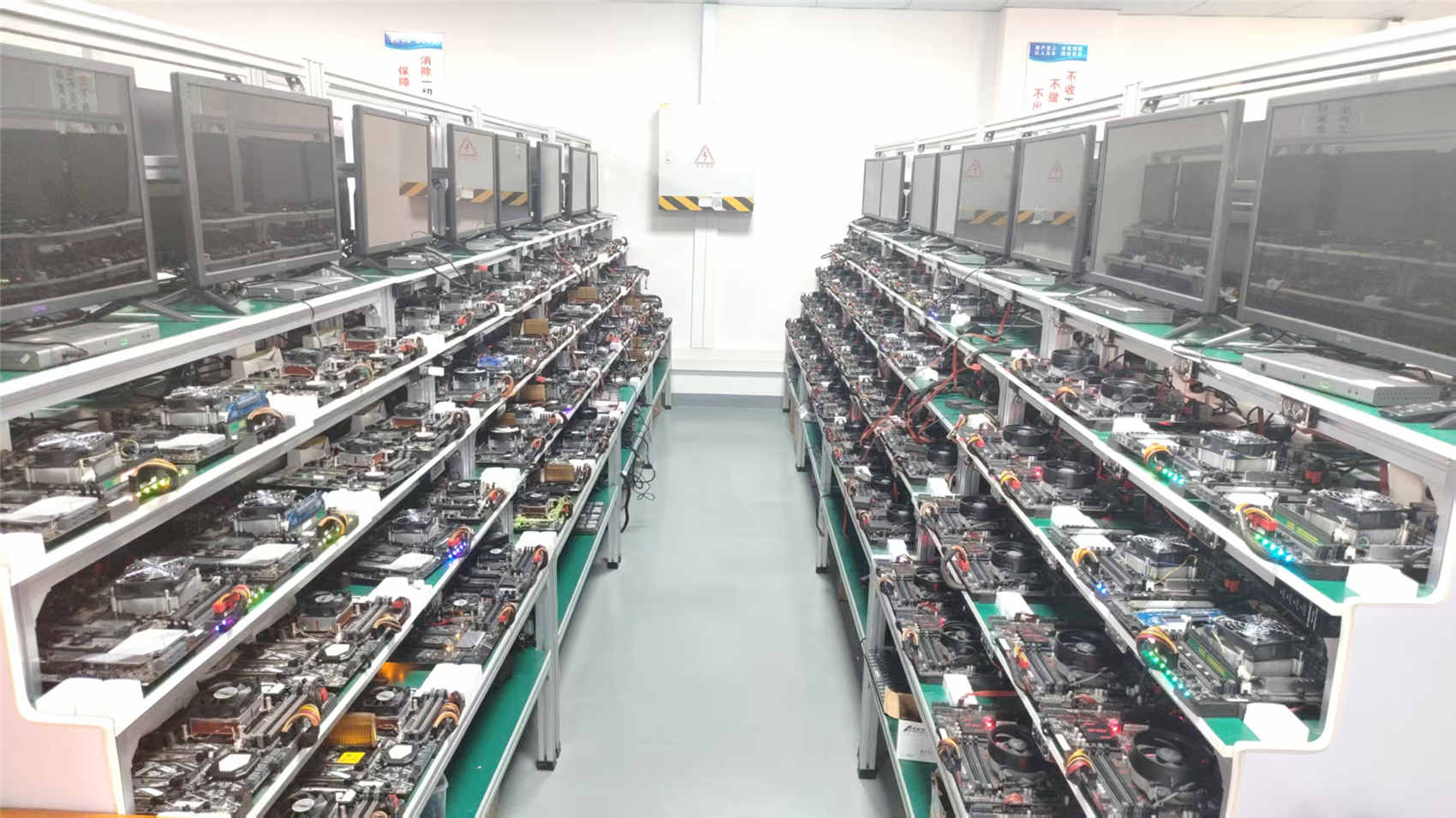
With robust supply chains spanning more than 40 countries, Novram achieves an annual export revenue of approximately US$18.6 million, supported by an efficient global supply chain and responsive customer service. Quality is at the core of everything we do. Every DDR5 memory module undergoes 100% functional testing, compatibility testing, burn-in testing, temperature testing, and aging verification before shipment. Our quality control department consists of 42 professional inspectors, ensuring consistent product performance and long-term reliability.
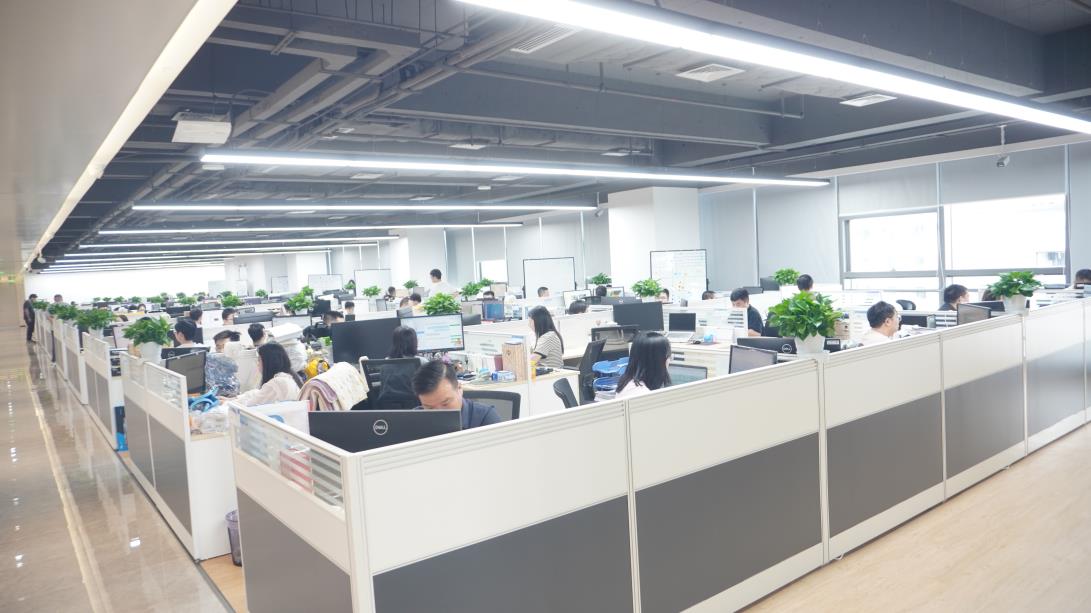
Innovation drives our competitiveness. Our dedicated R&D center is staffed by 76 experienced engineers, allowing us to introduce approximately 138 new products each year. We provide comprehensive OEM, ODM, private label, logo printing, packaging customization, capacity customization, firmware optimization, and product specification customization to meet different market requirements.
Procuring heavy-duty industrial hardware on a global scale requires absolute alignment with regulatory standards and localized operational requirements. When sourcing thick copper boards and thermal integration services, high-tier organizations expect strict adherence to the following framework:
For aerospace, military, and critical server infrastructures, systems must run continuously without downtime. Compliance with IPC-A-600 and IPC-6012 Class 3 guarantees rigorous quality checks, minimal board defects, and robust reliability under environmental stress.
Heavy copper layers carry higher risk of delamination under thermal duress if manufactured incorrectly. UL 796 certification guarantees that the raw laminate and manufacturing process withstand severe thermal shock testing without material separation.
Ensuring that all lead-free assembly processes, surface finishes (such as ENIG, HASL, or OSP), and composite substrates conform fully to European and global environmental directives, facilitating seamless import/export processes.
Furthermore, localized engineering support bridges the gap between digital design files (ODB++ or Gerber format) and physical yield output. Pre-production Design for Manufacturability (DFM) reviews prevent common manufacturing traps, such as excessive undercut during etching or insufficient resin fill in multi-layered heavy copper boards.
As technology marches toward 3nm/2nm processors and multi-gigahertz DRAM, the demand for sophisticated thermal dissipation substrates will increase exponentially.
Integration of thick copper outer layers (handling massive power supply rails) with thin copper internal signal layers for high-speed differential pairs (e.g., PCIe Gen 6/7, DDR5/DDR6 buses). This hybrid design eliminates the need for redundant power distribution boards.
Direct insertion of solid copper elements inside the PCB core layer beneath high-power components. This provides a direct path to aluminum cooling blocks, enabling unparalleled heat dissipation efficiency.
Transition toward biodegradable high-Tg resins paired with ultra-smooth heavy copper foils to reduce high-frequency skin-effect losses while maintaining high-current carrying integrity.
A: Standard PCBs typically utilize copper weights of 1oz/ft² (approx. 35μm thickness) to 2oz/ft² (70μm). A board is classified as "Thick/Heavy Copper" when the copper weight exceeds 3oz/ft² (105μm) on either inner or outer layers, extending up to 20oz/ft² or more for extreme industrial applications.
A: DDR5 memory operates at higher speeds and lower nominal voltages than DDR4, making it highly susceptible to electrical noise and power supply fluctuations. Heavy copper power layers lower impedance, stabilizing power distribution to the PMIC. Simultaneously, the heavy copper acts as a thermal spreader, dispersing localized heat throughout the board to prevent performance throttling.
A: The biggest challenges include "undercutting" during chemical etching, where acid eats away at the side of a trace before reaching the bottom. Suppliers resolve this using specialized differential etching and high-density liquid photoimageable (LPI) solder masks. Filling the wide gaps between thick copper runs also requires specialized prepregs and vacuum lamination cycles to prevent air bubbles.
A: Yes. Designers often use hybrid stack-ups, bonding high-frequency materials (like Rogers or Panasonic Megtron series) for signal layers with standard FR4 and heavy copper cores for power delivery. This combination offers high thermal dissipation and reliable high-speed data transmission.
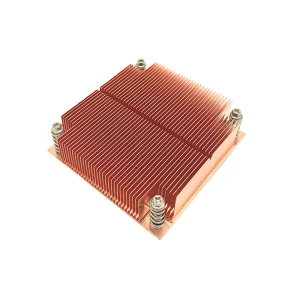
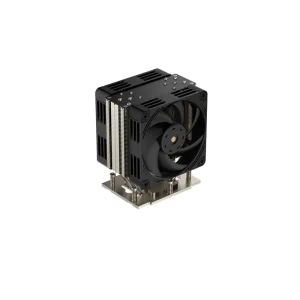
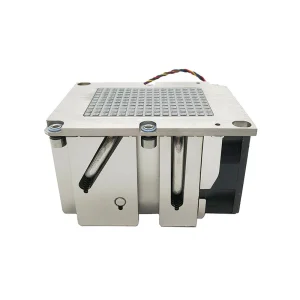
A: Novram designs and manufactures high-performance server coolers (like LGA3647 and SP5 designs) alongside its circuit modules. By analyzing the thermal profile of the PCB copper planes, Novram engineers design heatsinks that match the board's heat zones, optimizing heat transfer and system cooling.