 Novram
Novram
Novram
Explore our leading aluminum PCBs and critical hardware subsystems selected for Los Angeles' smart municipal and industrial upgrade cycles.
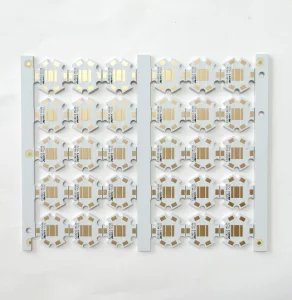
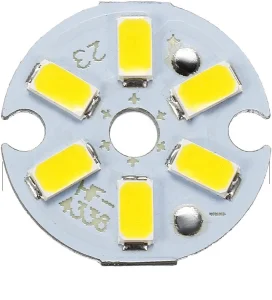
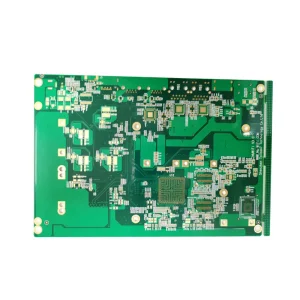
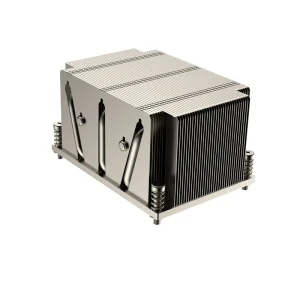
As electronic systems shrink and power densities expand, conventional FR4 substrates often fall short when resolving catastrophic thermal dissipation requirements. Metal Core Printed Circuit Boards (MCPCBs)—specifically Aluminum PCBs—have emerged as the definitive standard for heat-critical operations. The architectural design of an Aluminum PCB centers around a primary metal backing layer acting as a robust heat sink, integrated with a thin dielectric polymer layer formulated for maximum thermal conductivity, and finished with a conductive copper circuit trace.
By shifting the thermal load directly from high-wattage components (such as high-brightness LEDs, power transistors, and solid-state relays) straight into the structural chassis, thermal resistance values are reduced significantly. Aluminum substrates operate with thermal conductivities ranging from 1.0 W/m-K up to 8.0 W/m-K, compared to standard FR4 which struggles at a meager 0.25 W/m-K. This extreme gap in heat-shedding performance directly increases the longevity, reliability, and luminous output of semiconductors, making it a pivotal technology for mission-critical applications.
The Greater Los Angeles metropolitan area is a premier global hub for cutting-edge engineering, aerospace exploration, advanced automotive systems, and environmental infrastructure. Serving Los Angeles means meeting the exacting performance requirements of local designers in El Segundo, Pasadena, Irvine, and Torrance. Key local industries rely on robust Aluminum PCB systems to power their next-generation equipment:
Leveraging world-class manufacturing infrastructures to supply high-reliability PCB systems and industrial memory assemblies directly to California's engineering core.
Building high-performance thermal substrates requires strict control over raw materials and fabrication tolerances. Selecting the correct stack-up dictates electrical insulation, thermal management efficiency, and mechanical durability under thermal shock cycles.
| Specification Feature | Standard Aluminum PCB Capability | High-Performance Industrial Level |
|---|---|---|
| Thermal Conductivity | 1.0 - 1.5 W/m-K | 3.0 - 8.0 W/m-K (Ceramic-Filled Prepregs) |
| Aluminum Alloy Type | Al 1060 (High heat transfer, low rigidity) | Al 5052 / Al 6061 (High structural integrity) |
| Base Thickness | 0.8mm - 1.6mm | 0.4mm - 3.2mm |
| Copper Foil Weight | 1.0 oz (35μm) | 2.0 oz to 6.0 oz (Heavy Copper Options) |
| Dielectric Breakdown Voltage | > 2.0 kV AC | > 6.0 kV AC (Ultra-high insulation safety) |
| Peel Strength | 1.2 N/mm | > 1.8 N/mm (Enhanced copper adhesion) |
The primary gatekeeper for thermal transfer in an Aluminum PCB is the dielectric layer. It must be as thin as possible (typically 50μm to 150μm) to minimize the distance heat must travel from the copper circuit layer to the aluminum base. However, it must also remain thick enough and chemically dense enough to prevent electrical breakdown at high voltages. High-performance substrates use advanced polymers loaded with thermal-conductive ceramic particles (aluminum oxide or boron nitride) to form an optimal bridge between heat transfer and electrical insulation.
For most applications, Aluminum 5052 is the default choice because it offers exceptional mechanical workability, chemical resistance, and high tensile strength. When projects demand extreme structural stiffness and structural integration—such as high-vibration aerospace components or structural electric vehicle enclosures—Aluminum 6061 is utilized. It features silicon and magnesium alloying agents that allow heat-treatment and higher rigidity, ensuring structural components hold form under intense physical stress.
Novram Electronics operates a state-of-the-art 3,860㎡ factory in Shenzhen, China, acting as a direct engineering partner for Los Angeles organizations. Integrating our production plant with local shipping lines enables us to deliver rapid prototyping and mass-production scaling faster than local regional fabricators.
Our operation runs 100% automated SMT, advanced optical inspection (AOI), high-temperature burning chambers, and aging verification systems. Supported by over 860 certified raw material vendors, we secure stable access to world-renowned copper-clad laminates, minimizing international lead times and keeping unit costs predictable despite global inflationary headwinds.
Request A Fast Quote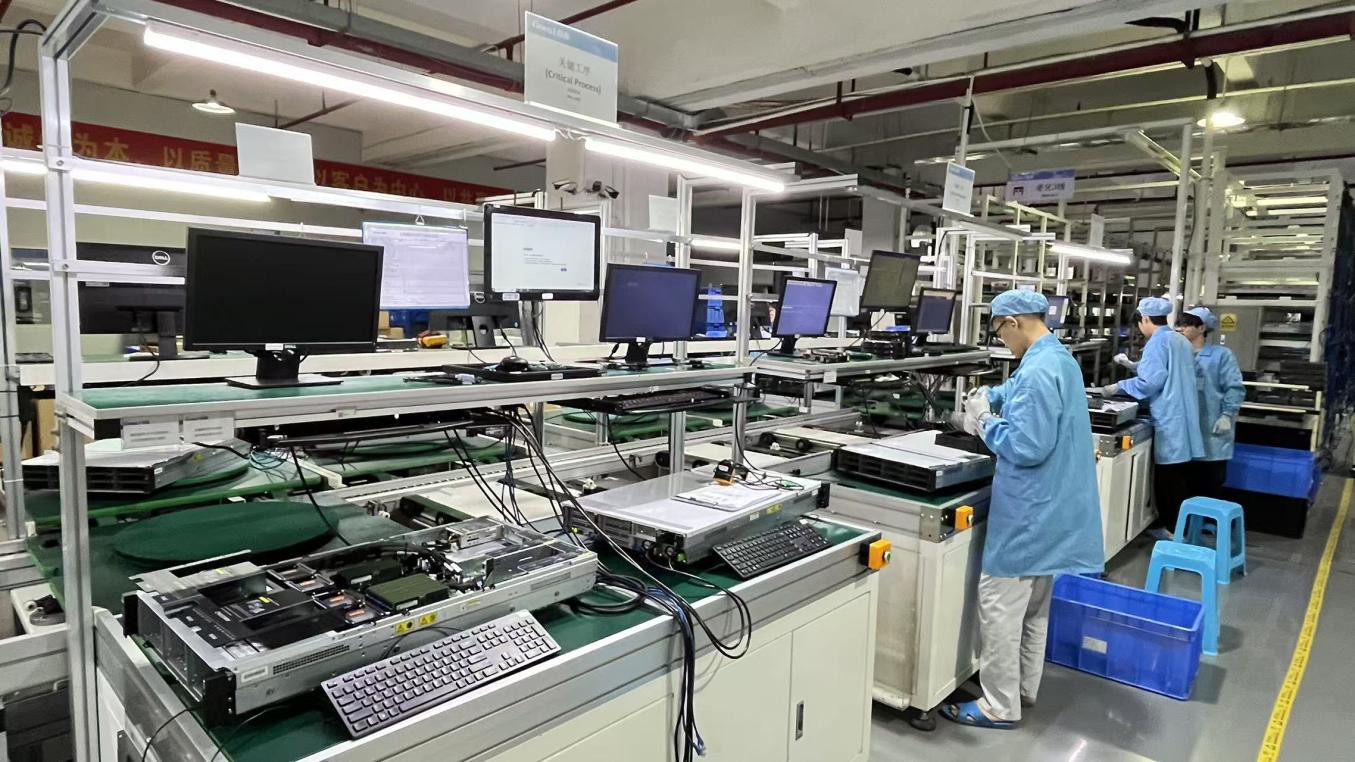
Logistical reliability is as crucial as technical specification compliance. To guarantee that Los Angeles-based firms maintain lean inventories, we have developed a dual-channel logistics flow. Heavy volume production lots are coordinated through deep-sea maritime shipping direct from the Port of Shenzhen to the Port of Los Angeles / Port of Long Beach, providing cost-effective supply chain solutions for ongoing project schedules.
For engineering development runs, custom aerospace assemblies, and urgent field replacements, we utilize priority express air transport routes terminating at Los Angeles International Airport (LAX). Standard transit times from our facility to an LA engineering lab average between 3 to 5 business days, including customs clearance coordination. This ensures hardware development pipelines remain active and free of bottlenecks.
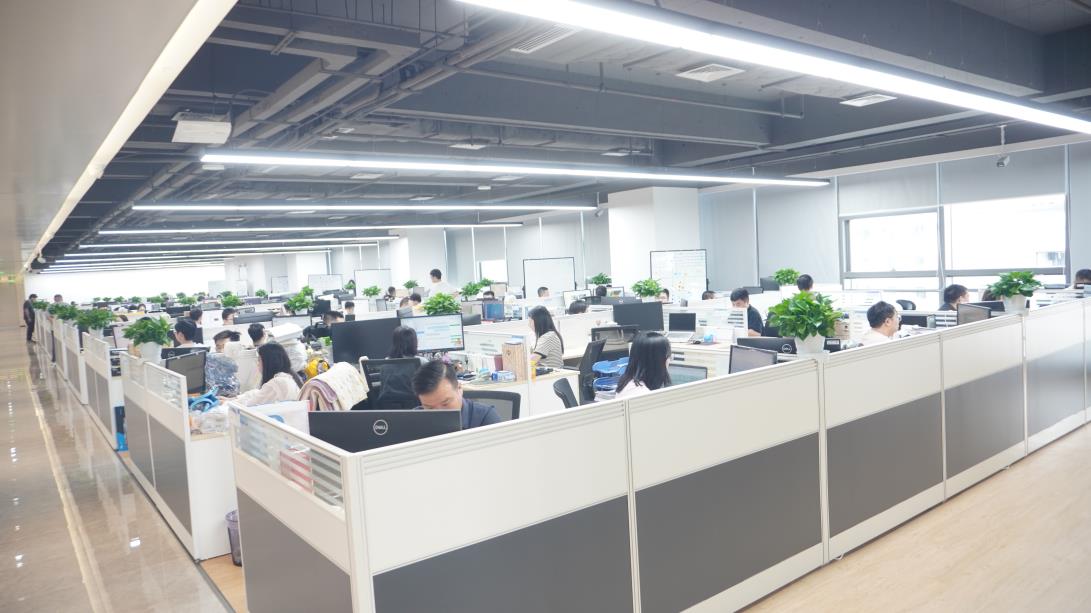
High-voltage automotive conversion electronics and aircraft systems do not allow for failures. Novram Electronics operates with 42 professional quality assurance inspectors who verify every production batch through systematic laboratory testing protocols. We design and build in strict compliance with the following international frameworks:

The rapid evolution of gallium nitride (GaN) and silicon carbide (SiC) power electronics is pushing thermal limits. To keep pace, our engineering division has designed a roadmap focusing on key innovations:
By selectively removing the dielectric layer directly beneath the component thermal pad, the semiconductor base makes direct metal-to-metal contact with the aluminum or copper core. This drops local thermal resistance to absolute zero, maximizing heat dissipation for high-power laser diodes and RF transmitters.
Combining FR4 layers for high-density routing with heavy aluminum base plates for heat sinking. This enables engineers to build complex, multi-layered digital control circuits on the top layers, while directly managing high thermal loads on the bottom, saving system space and design complexity.
Integrating specialized low-loss PTFE substrates with aluminum structural backing, allowing 5G communication infrastructure and radar tracking systems in Los Angeles' aerospace sector to run cooler without compromising high-frequency signal integrity.
High-performance processing engines, error-correcting memory modules, and specialized CPU heatsinks engineered to complete high-workload data applications.
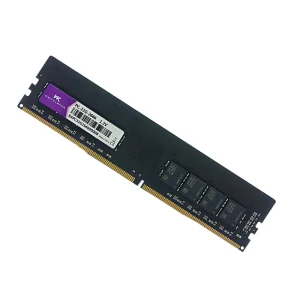
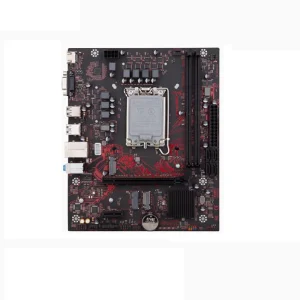
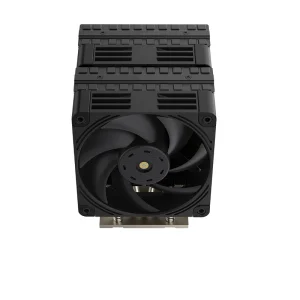
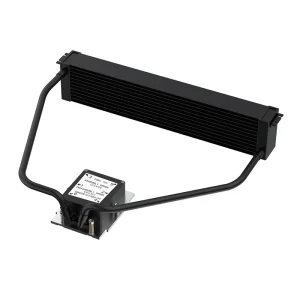
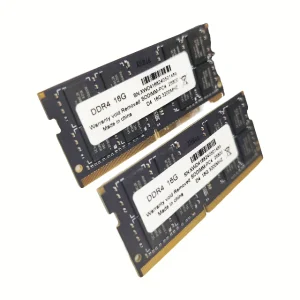
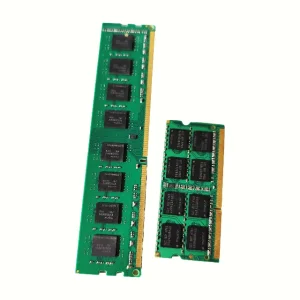
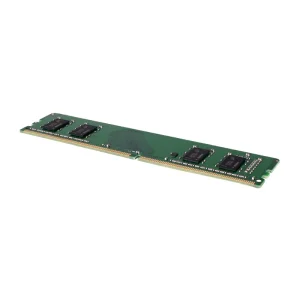
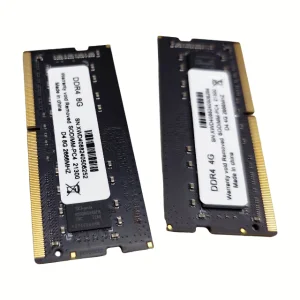
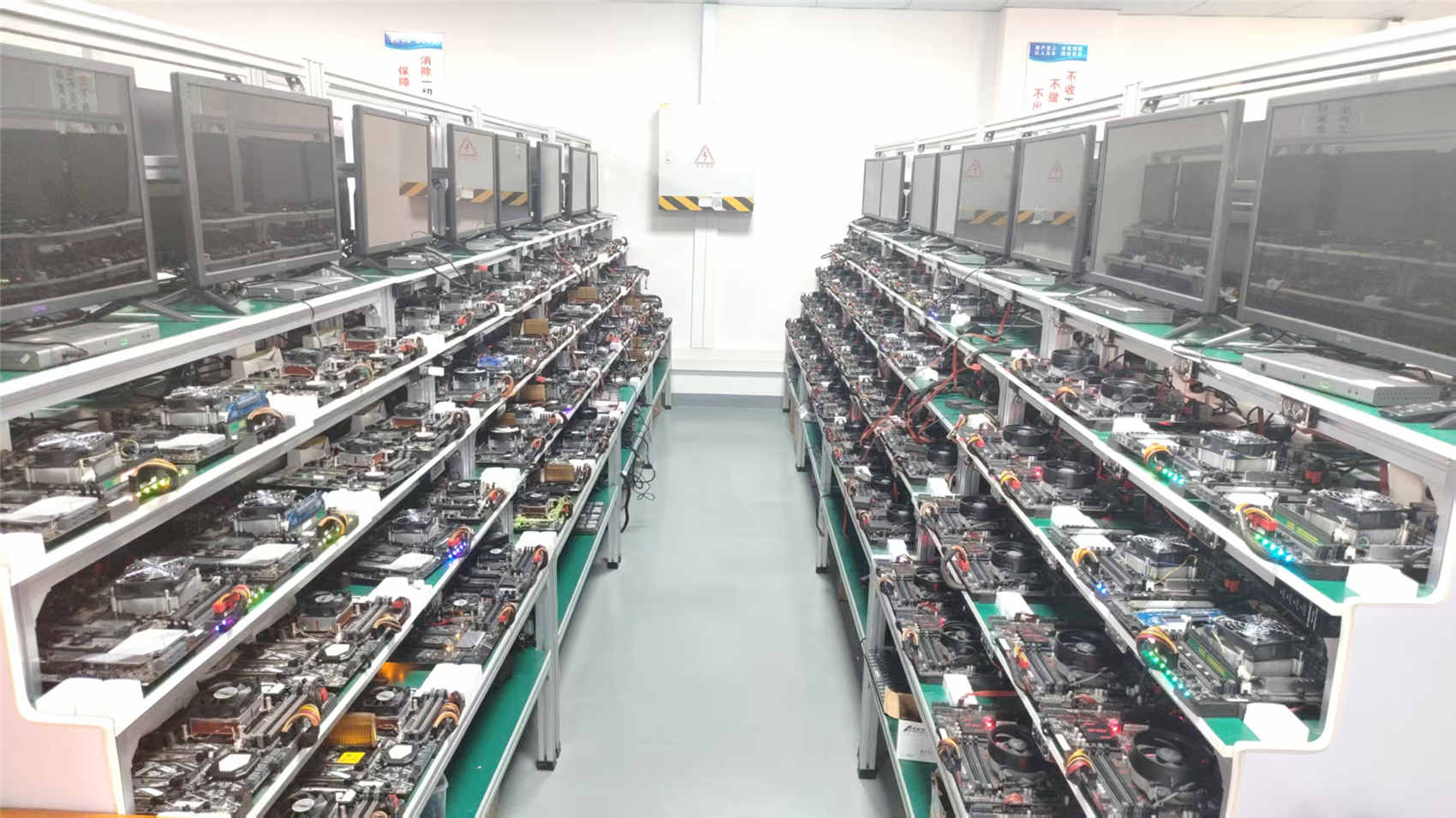
Novram Electronics supports complete vertical custom configurations. Our R&D team consists of 76 specialized engineers, introducing roughly 138 new product configurations annually to respond to fast-moving industrial changes.
We work directly from Gerber files, ODB++ design packages, and custom BOM schematics. From design optimization (DFM analysis) to layout validation, copper weight configuration, and aluminum trace testing, we assist customers in Los Angeles in converting designs to finished, mass-production-ready hardware configurations.
Essential technical insights regarding aluminum printed circuit board design, performance specifications, and global delivery systems.
Get in touch with our engineering team for a detailed DFM analysis, material options, and volume pricing structures for your next project in the Los Angeles area.