 Novram
Novram
Novram
Precision engineered materials configured for industrial-grade networking and multi-layer processing architectures in Northern Vietnam.
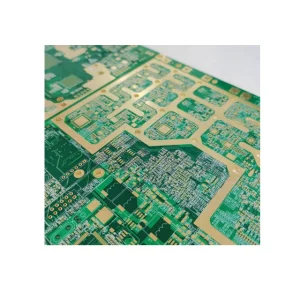
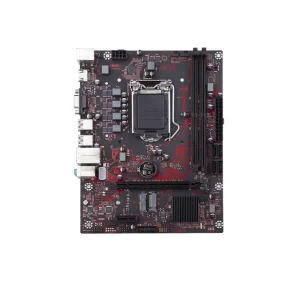
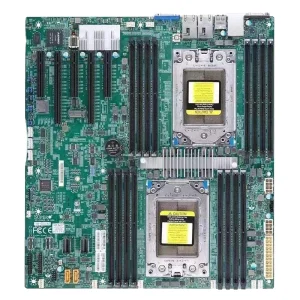
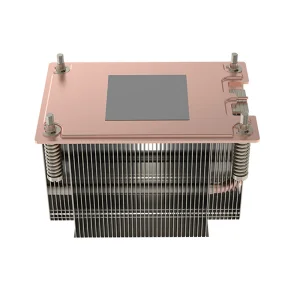
Hanoi's humid subtropical climate (averaging over 80% relative humidity with extreme summer heat peaks exceeding 40°C) presents severe stress vectors for electronic hardware. Ambient humidity acts as a dynamic catalyst for moisture absorption within standard FR4 substrates, leading to micro-delamination and structural breakdown during standard thermodynamic workloads.
By deploying High-TG substrates (typically Tg ≥ 170°C to 180°C), manufacturers in the Hanoi industrial corridor ensure their multi-layer PCBs preserve physical stability and structural dimensions at elevated thermal operational envelopes. High-TG materials significantly lower the Z-axis Coefficient of Thermal Expansion (CTE), preserving via-hole integrity.
Adjacent provinces like Bac Ninh, Thai Nguyen, and Ha Nam host global technology conglomerates (including Samsung, Foxconn, and Pegatron). These companies mandate strict, high-reliability PCBs for server motherboards, telecommunication switches, and automotive control units that are assembled locally and deployed globally.
Hanoi's position as a premium technology node requires localized engineering foresight. Rapid industrialization at the Hoa Lac High-Tech Park has shifted product design specifications from consumer-tier electronics to complex, multi-layered industrial grade PCBs. The transition to lead-free assembly protocols requires reflow process temperatures that peak between 250°C and 260°C. Standard FR-4 with a low Tg of 130°C quickly experiences thermal deformation and copper trace lifting. Sourcing High-TG boards made with premium raw laminates (such as Shengyi S1170, S1000-2, or Rogers composite layers) ensures maximum reliability for Hanoi's high-density integration applications.
Understanding the exact chemical differences between traditional, medium, and high-TG materials is essential for engineers specifying components in Hanoi. The Glass Transition Temperature (Tg) defines the threshold where the base resin polymer transitions from a rigid, glassy state into a compliant, elastic state. When the board temperature surpasses this threshold, the physical expansion rates shift dramatically, stressing solder joints and plated through-holes (PTH).
| Material Property Class | Standard FR-4 (Low TG) | Medium TG FR-4 | High-TG Substrate (Premium) | High-TG Rogers/FR-4 Mixed Pressure |
|---|---|---|---|---|
| Glass Transition Temp (Tg) | 130°C – 140°C | 150°C – 160°C | 170°C – 180°C+ | 180°C – 220°C | Thermal Decomposition (Td) | ≤ 310°C | ≤ 325°C | ≥ 340°C – 350°C | ≥ 390°C |
| Z-Axis Expansion (50 to 260°C) | 4.5% – 5.5% | 3.5% – 4.2% | 2.2% – 2.8% | ≤ 1.5% |
| Delamination Time (T260 / T288) | ≤ 5 minutes / N/A | ≥ 20 minutes / 5 minutes | ≥ 60 minutes / 15 minutes | Unlimited / ≥ 45 minutes |
| CAF (Conductive Anodic Filament) | Low Resistance | Moderate Resistance | High Resistance (Anti-migration) | Ultra-High Isolation Stability |
This table demonstrates the engineering advantages of using High-TG substrates. The lower Z-axis expansion (reduced from 5.5% down to 2.2%) ensures that fine-pitch plated through-holes do not fracture due to thermal expansion during operational cycles. The high Thermal Decomposition Temperature (Td ≥ 350°C) provides protection against localized hot spots in power supplies, CPU VRM zones, and heavy copper power distribution networks.
With Vietnam's automotive sector expanding near Hanoi, high-reliability control units are in high demand. Battery Management Systems (BMS) for electric vehicles require high-TG substrates to handle continuous high-voltage charging cycles and keep operations safe in tropical temperatures.
Major operators like Viettel and VNPT are rolling out localized 5G base stations. High-frequency boards (such as Shengyi TG170 combined with Rogers 4000 series) provide low dielectric loss (Df) and high structural stability for antennas and edge computing modules.
Hanoi's industrial parks use advanced variable-frequency drives, heavy-duty PLCs, and high-efficiency power converters. High-TG boards support the heavy copper layers (up to 4oz) required for power electronics without delaminating under continuous load.
For manufacturers in Hanoi, supply chain speed and reliability are critical. Sourcing from a modern, certified facility in Shenzhen, China provides clear advantages in lead times, technical capabilities, and component sourcing compared to traditional suppliers.
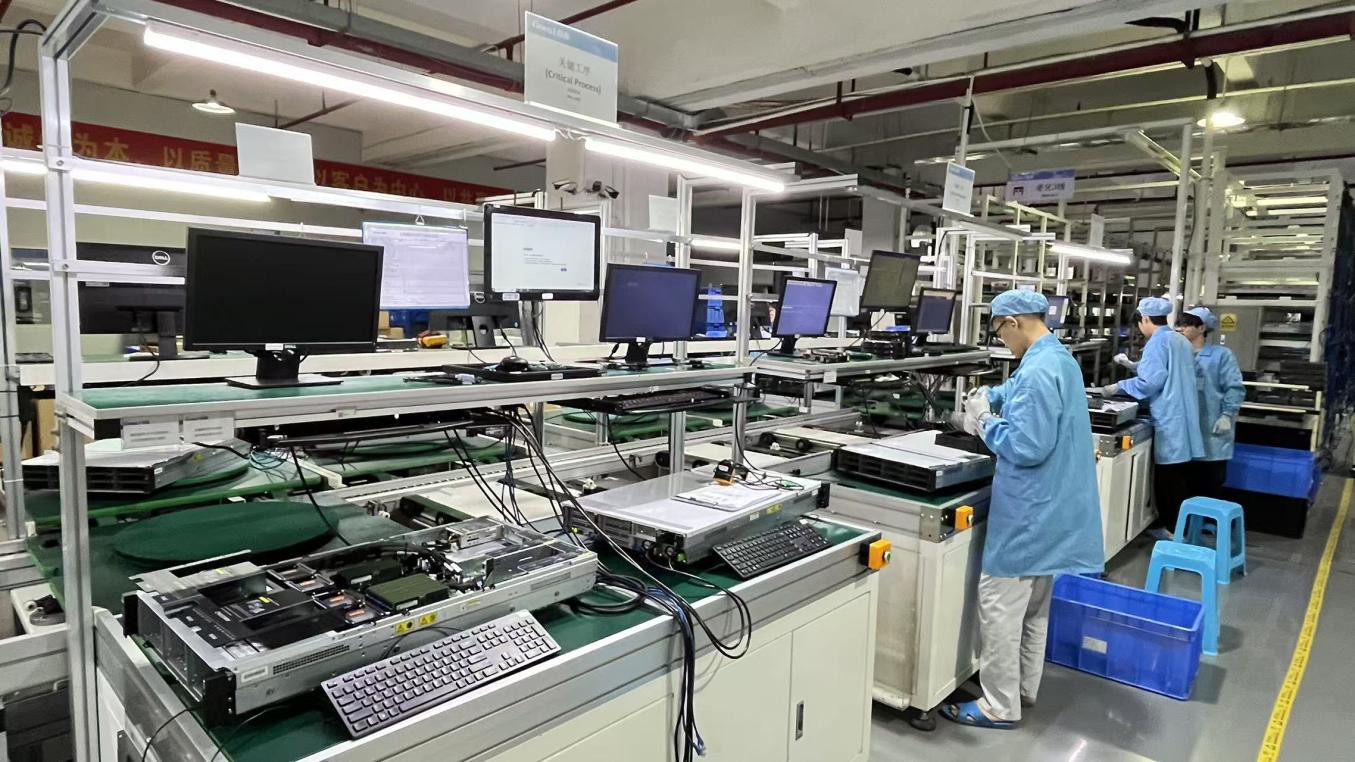
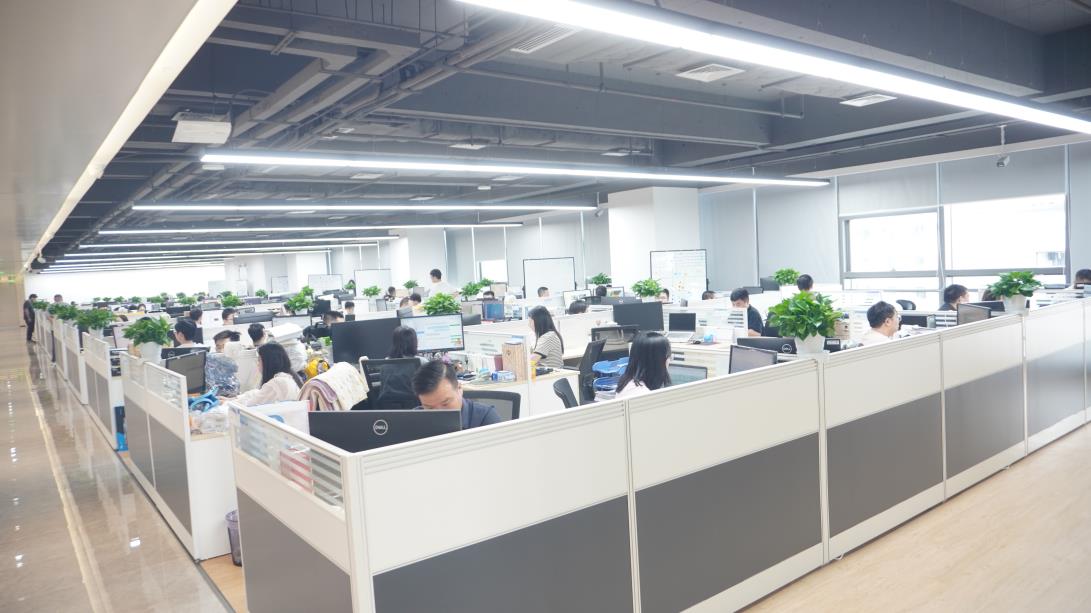
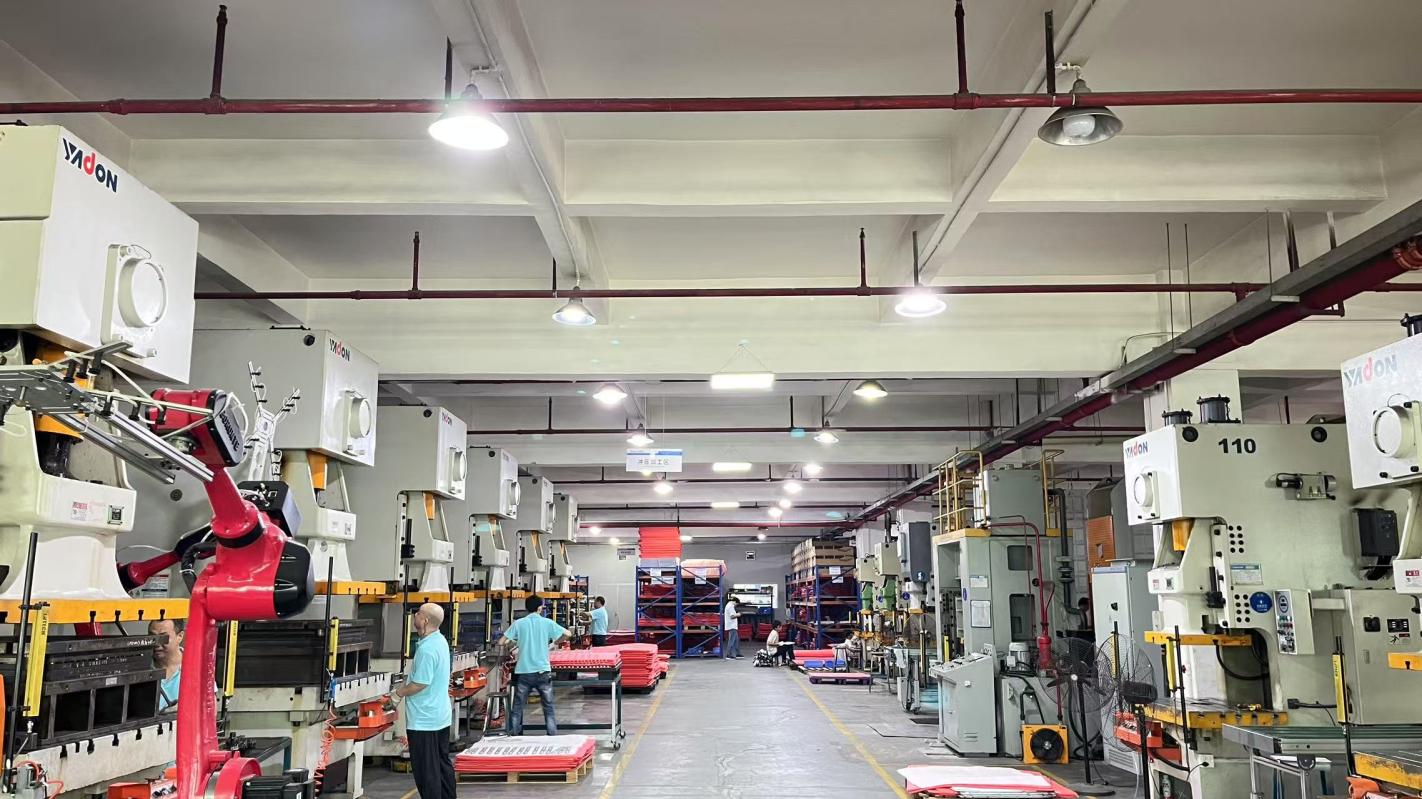
Novram Electronics Co., Ltd. is a professional DDR5 memory and high-performance hardware manufacturer based in Shenzhen, China. Our facilities are dedicated to delivering reliable DRAM and board-level solutions for global OEM, ODM, and industrial customers. Established in 2016, we serve partners across industrial automation, server infrastructure, gaming, and embedded systems.
Operating from a modern 3,860㎡ manufacturing facility, Novram integrates advanced production equipment, strict quality management, and continuous R&D innovation. With 9 years of industry experience and 7 years of export experience, we export products to customers in more than 40 countries, yielding an annual export revenue of approximately US$18.6 million.
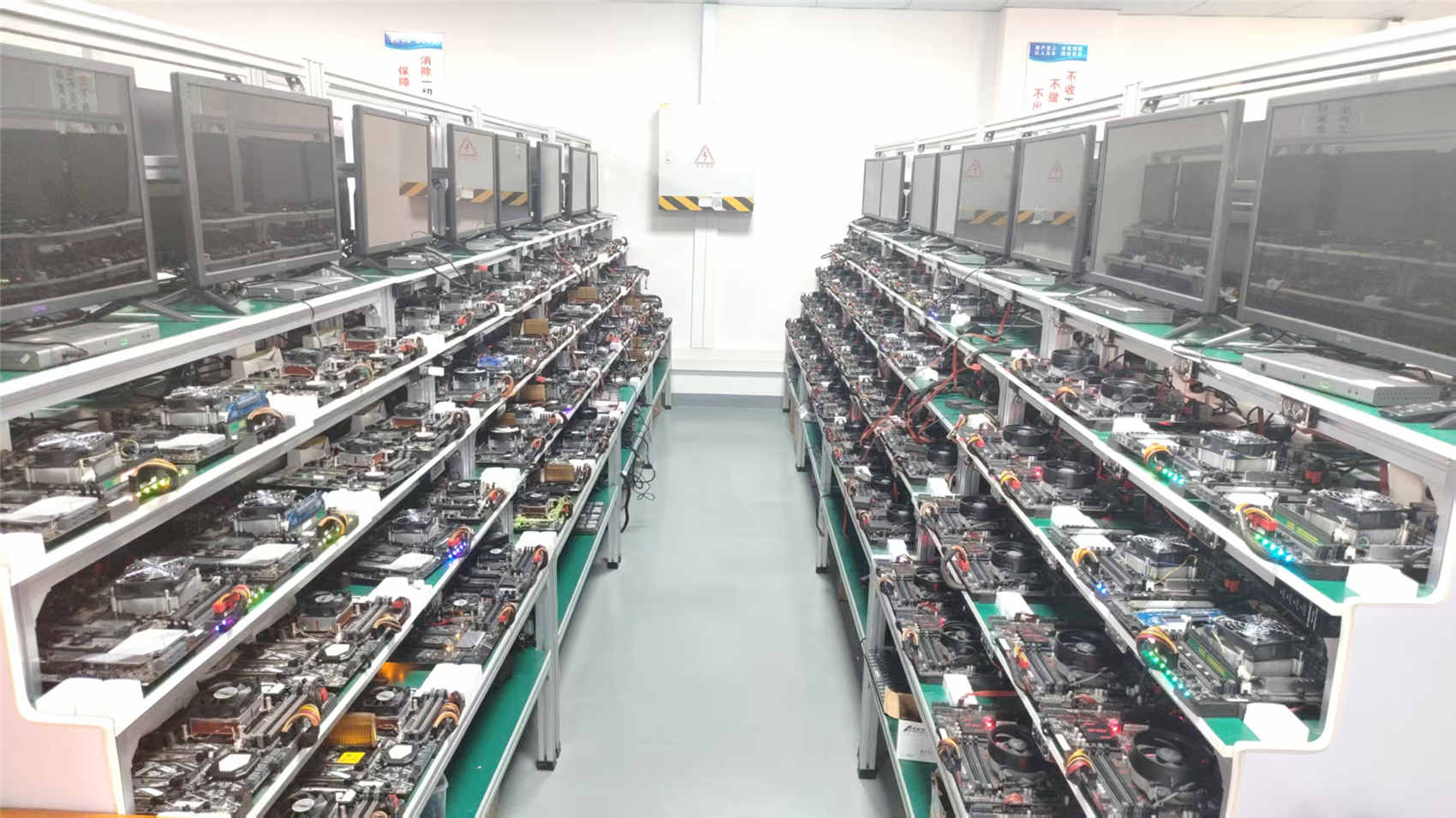
Quality control is central to our operations. Every high-reliability board assembly and memory module undergoes 100% functional testing, compatibility testing, burn-in testing, temperature testing, and aging verification before shipment. Our quality department is staffed by 42 professional inspectors, and we maintain partnerships with over 860 qualified supply chain vendors to ensure stable production capacity.
We leverage our proximity to the Shenzhen-Pingxiang-Hanoi overland corridor to provide fast shipping to Northern Vietnam. Deliveries can reach Hanoi's industrial zones within 3 to 5 business days, combining Shenzhen's production capacity with the logistics responsiveness of a local partner.
As microelectronics shrink and speed requirements increase, the design of High-TG printed circuit boards is evolving. We monitor three primary industry trends to support next-generation designs in Hanoi:
Global environmental regulations, such as RoHS and REACH, are driving the transition to halogen-free flame retardants. Modern High-TG materials use phosphorus-nitrogen curing systems that achieve UL 94 V-0 safety ratings while maintaining high thermal stability and electrical performance.
High-speed digital links and RF communication systems require base resins with low dielectric constants (Dk) and dissipation factors (Df). Integrating low-loss PTFE or hydrocarbon-based layers with robust High-TG FR-4 structures enables stable signal integrity at high gigahertz frequencies.
Power electronics and EV systems utilize thick copper layers (up to 6oz) to distribute high currents. Managing thermal gradients in these systems requires High-TG resins that prevent delamination and vias fatigue under varying thermal loads.
Our production processes align with IPC Class 3 standards, ensuring reliability for aerospace, military, medical, and industrial automation electronics operating in demanding environments.
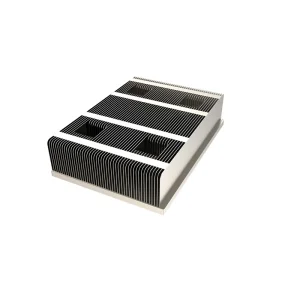
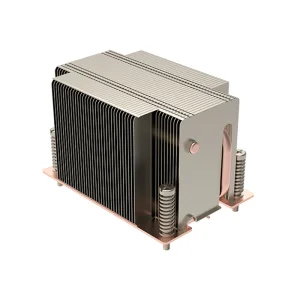
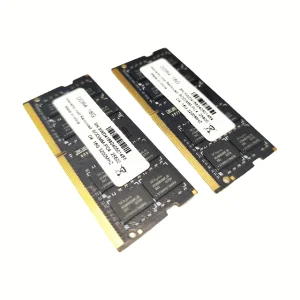
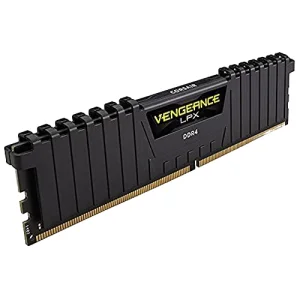
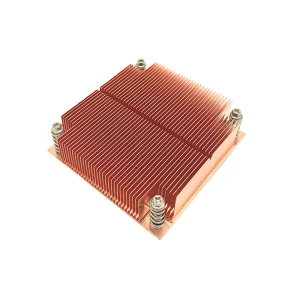
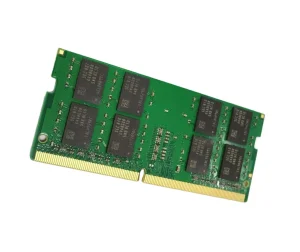
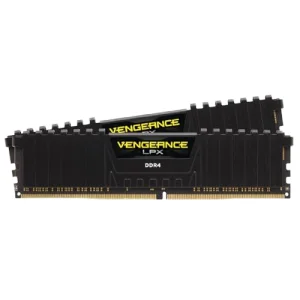
High-durability server components, memory modules, and cooling solutions designed for continuous industrial operation in Vietnam's manufacturing zones.

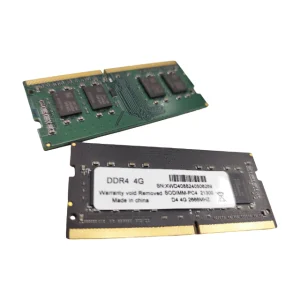
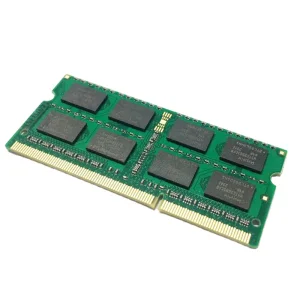
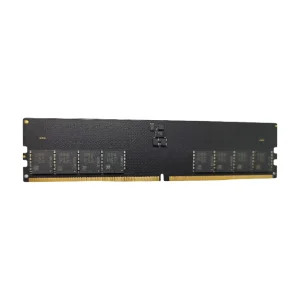
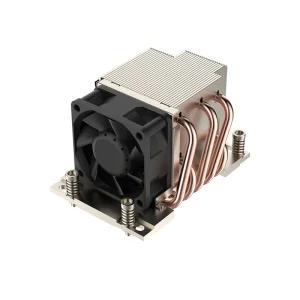
Get in touch with our engineering team for technical guidance on material selection, stack-up optimization, and custom component manufacturing. We provide quick turnarounds and detailed design assistance.