Novram
Novram
Novram
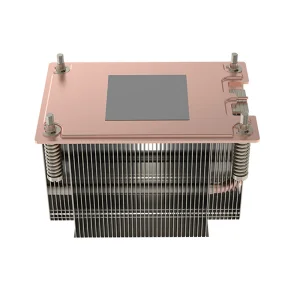
Precision-engineered high-frequency motherboards, high-frequency passive coolers, and memory modules configured for Japanese industrial networks.
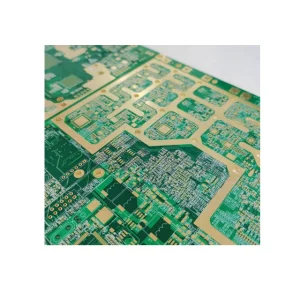
In modern electronic engineering, standard FR-4 substrates fall short when handling signals that exceed 5 GHz. As operating frequencies ascend into the millimeter-wave (mmWave) ranges, electrical parameters such as Dielectric Constant (Dk) stability and Dissipation Factor (Df) become critical factors. Rogers PCB laminates—specifically engineered by the Rogers Corporation and fabricated to exact specifications—represent the industry benchmark for low signal loss, low thermal conductivity deviation, and superior performance at microwave and RF frequencies.
Unlike traditional glass-reinforced epoxy, Rogers materials utilize proprietary hydrocarbon/ceramic and PTFE (polytetrafluoroethylene) bases. These advanced compositions minimize dielectric losses, maintain uniform electrical characteristics across wide temperature variations, and prevent the severe signal dispersion typical of standard PCB substrates. For Osaka’s high-tech manufacturing base, integrating Rogers PCBs into product architecture is not merely a design choice; it is a fundamental requirement for system viability in aerospace, autonomous automotive sensing, radar, and 5G/6G infrastructures.
When selecting laminates, designers must balance electrical properties with processing cost. Below is a comparative overview of Rogers laminates regularly requested by Kansai-based engineering departments:
| Laminate Series | Dielectric Constant (Dk @10GHz) | Dissipation Factor (Df @10GHz) | Thermal Conductivity (W/m/K) | Primary Industry Applications |
|---|---|---|---|---|
| Rogers RO4003C | 3.38 ± 0.05 | 0.0027 | 0.71 | Automotive Radar, Satellites, RF Preamps |
| Rogers RO4350B | 3.48 ± 0.05 | 0.0037 | 0.62 | Power Amplifiers, Base Station Antennas |
| Rogers RO3003 | 3.00 ± 0.04 | 0.0013 | 0.50 | 77 GHz Auto Radar, ADAS, L-band Systems |
| RT/duroid 5880 | 2.20 ± 0.02 | 0.0009 | 0.20 | Aerospace, Military Avionics, Point-to-Point Micro |
Osaka and the wider Kansai region (including Kyoto and Kobe) have historically stood as the bedrock of Japanese industrial precision, machinery engineering, and consumer hardware R&D. While Tokyo leads in corporate offices, Osaka remains a crucial hub for advanced manufacturing, boasting clusters in Higashiosaka and Kadoma. These districts host world-class research facilities focused on industrial robotics, specialized factory automation, medical sensing equipment, and high-frequency power electronics.
This industrial density has created a localized surge in demand for specialized PCB designs. The migration of industrial machinery toward IoT networks and high-frequency radar integration has forced Osaka-based manufacturers to shift away from standard FR-4 boards toward hybrid Rogers/FR-4 multi-layer designs. Key applications include:
To support this high-spec development environment, local designers require a manufacturing partner capable of translating dense schematic layouts into physically precise boards. By bridging the gap between local Japanese R&D expectations and offshore production efficiency, we offer Osaka businesses the reliability of Japanese design controls paired with rapid high-volume manufacturing capabilities.
The global PCB market is undergoing a significant shift. Rapid expansions in LEO (Low Earth Orbit) satellite constellations, 5G wireless infrastructure, and advanced driver-assistance systems (ADAS) have tightened the supply of raw high-frequency copper-clad laminates (CCL). Major global aerospace and automotive players require sourcing models that guarantee laminate authenticity and trace components directly to original factories, such as Rogers Corporation's authorized channels.
Procuring raw Rogers materials requires navigating strict quality verification systems. For instance, the PTFE-based RO3000 series demands specialized etching techniques, sodium naphthalene treatment for through-hole activation, and high-temperature lamination profiles. The global supply chain demands factories that possess not only the material stock but also the specialized processing machinery to build these high-layer hybrid stacks without risking delamination or layer shifts.
Guaranteeing structural integrity for mission-critical medical, automotive, and military deployments with strict testing guidelines.
Using advanced polar impedance solvers to guarantee signal trace tolerance ranges within ±5% or better.
Applying clean helium/oxygen plasma de-smearing technology to guarantee strong copper plating adhesion inside vias.
While Osaka engineers excel at conceptualizing advanced microwave products, local Japanese manufacturing can present high entry barriers, long prototyping queues, and rigid pricing structures. Partnering with a Shenzhen-based advanced facility solves these logistical and cost challenges.
By routing Osaka’s design specifications to a modern production center in Shenzhen, electronics companies benefit from standard material stocks, round-the-clock engineering teams, and a vast component supply network. Raw Rogers laminates are stored in temperature- and humidity-controlled environments, ready for immediate laser drilling, metallization, and dry-film photo imaging. This workflow cuts typical prototyping cycles from weeks to just a few days, allowing Osaka R&D centers to maintain their design velocity without paying the premiums associated with domestic Japanese prototyping fabs.
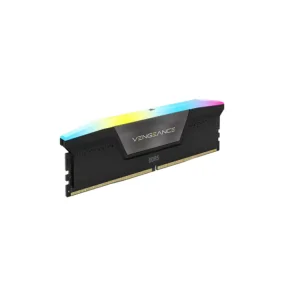
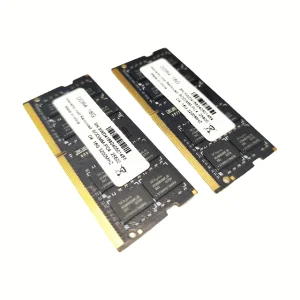
Novram Electronics Co., Ltd. is a professional DDR5 memory manufacturer based in Shenzhen, China, dedicated to delivering high-performance DRAM solutions for global OEM, ODM, and industrial customers. Established in 2016, the company has grown into a reliable supplier of DDR5 memory modules, serving partners across consumer electronics, industrial automation, embedded systems, gaming, and enterprise computing.
Operating from a modern 3,860㎡ manufacturing facility, Novram integrates advanced production equipment, strict quality management, and continuous R&D innovation to ensure every memory module meets international performance and reliability standards. Our experienced engineering team focuses on developing high-speed, stable, and energy-efficient DDR5 products for diverse computing applications.
With 9 years of industry experience and 7 years of export experience, Novram exports products to customers in more than 40 countries. The company achieves an annual export revenue of approximately US$18.6 million, supported by an efficient global supply chain and responsive customer service.
Quality is at the core of everything we do. Every DDR5 memory module undergoes 100% functional testing, compatibility testing, burn-in testing, temperature testing, and aging verification before shipment. Our quality control department consists of 42 professional inspectors, ensuring consistent product performance and long-term reliability.
Novram maintains strong partnerships with over 860 qualified supply chain partners, enabling stable production capacity and reliable component sourcing. Our primary customers include memory module brands, computer manufacturers, industrial PC companies, system integrators, distributors, wholesalers, and OEM/ODM partners worldwide.
Innovation drives our competitiveness. Our dedicated R&D center is staffed by 76 experienced engineers, allowing us to introduce approximately 138 new products each year. We provide comprehensive OEM, ODM, private label, logo printing, packaging customization, capacity customization, firmware optimization, and product specification customization to meet different market requirements.
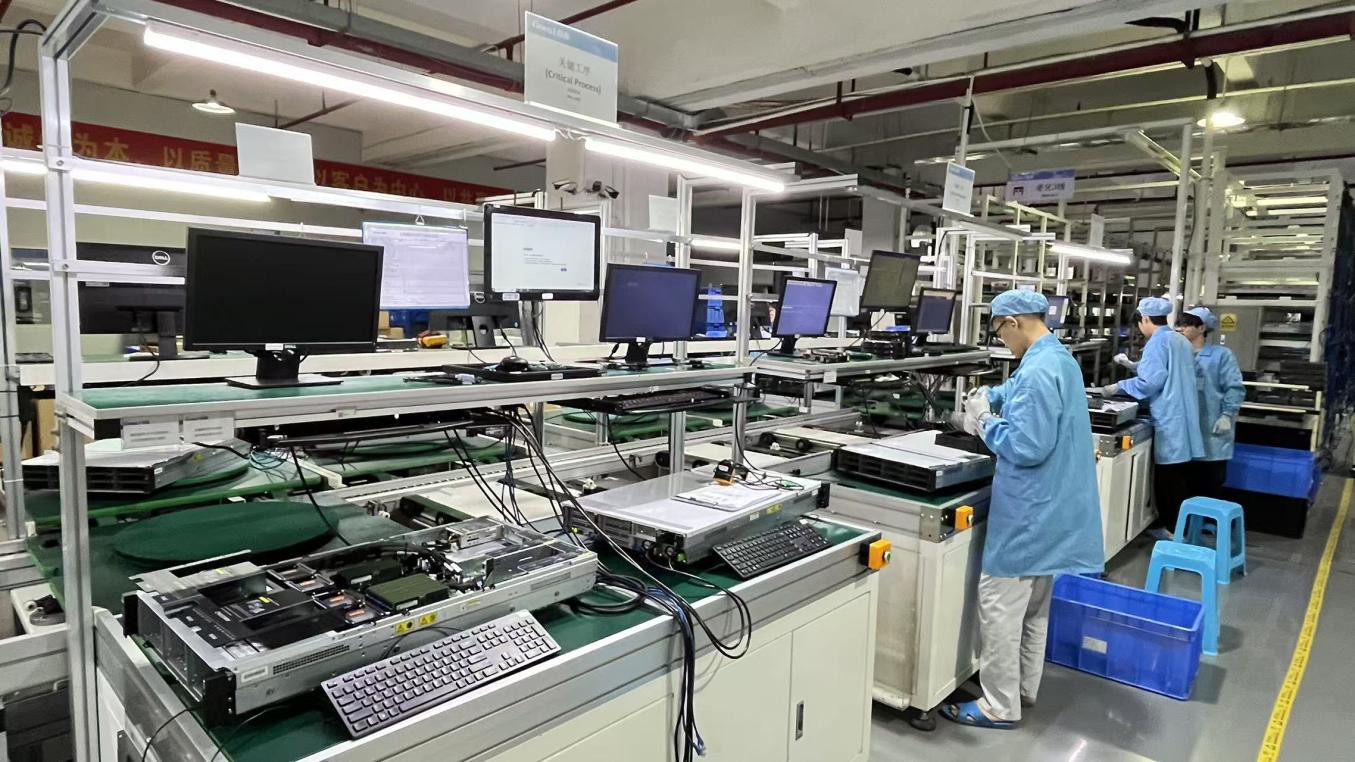
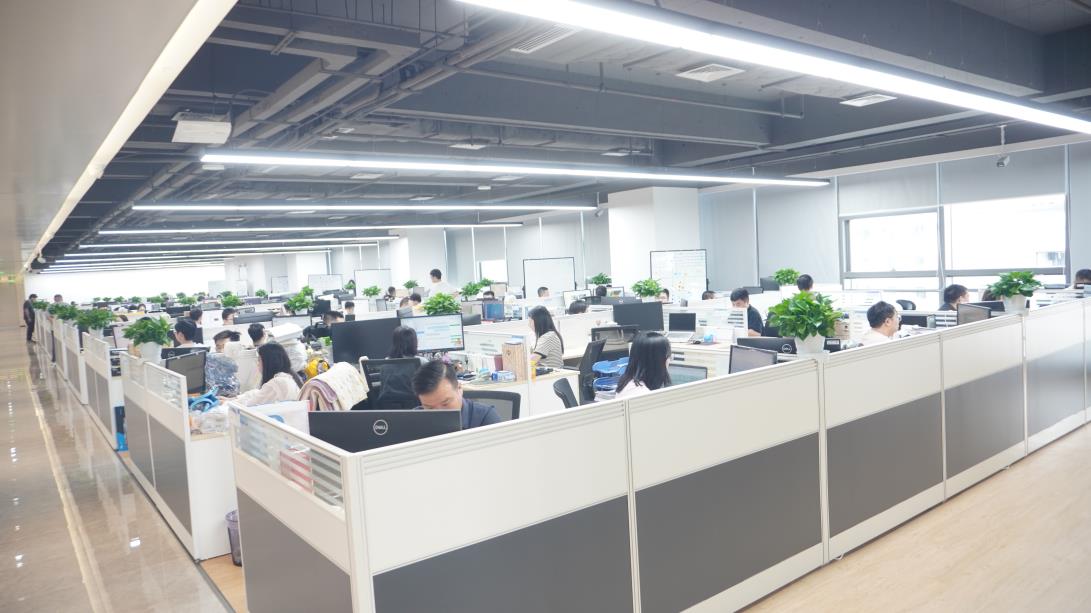
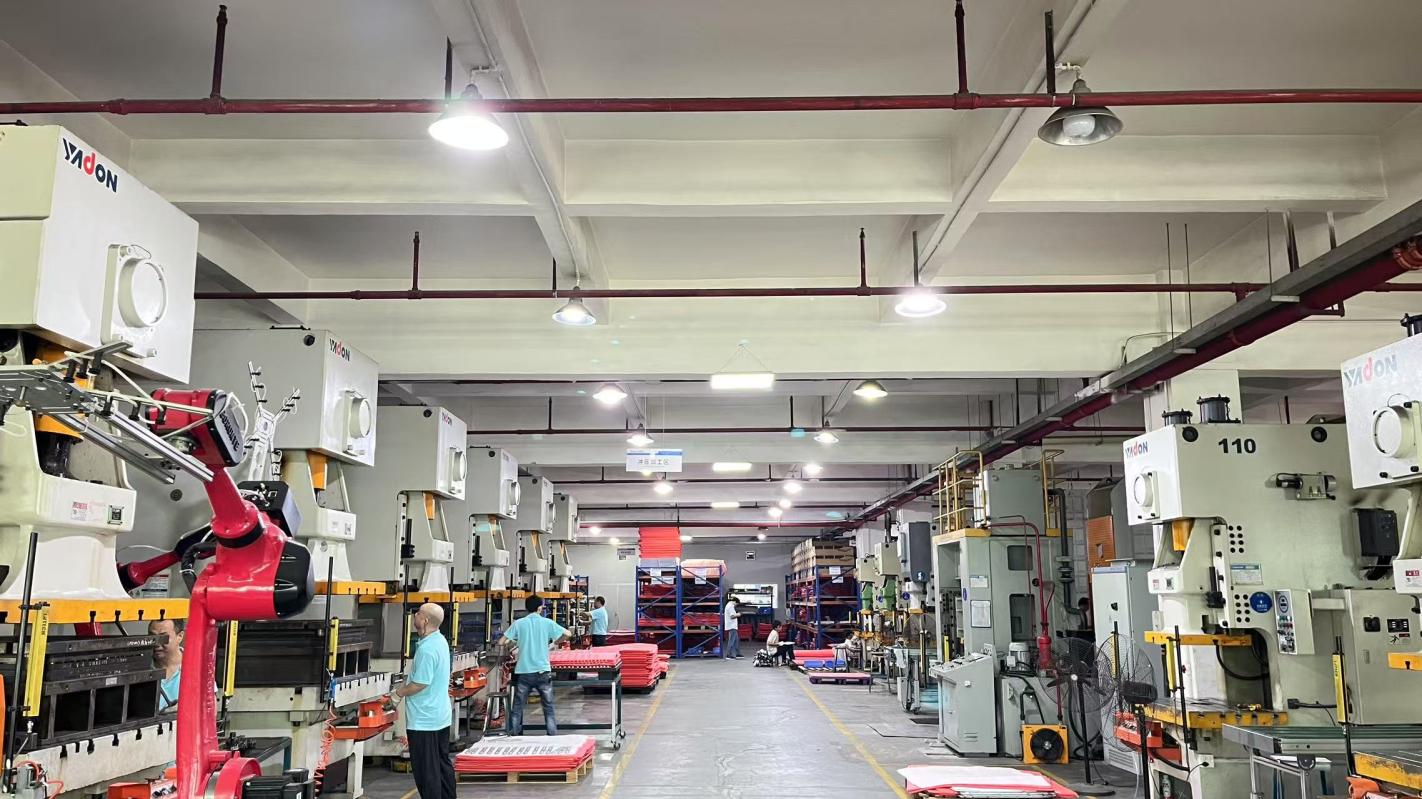
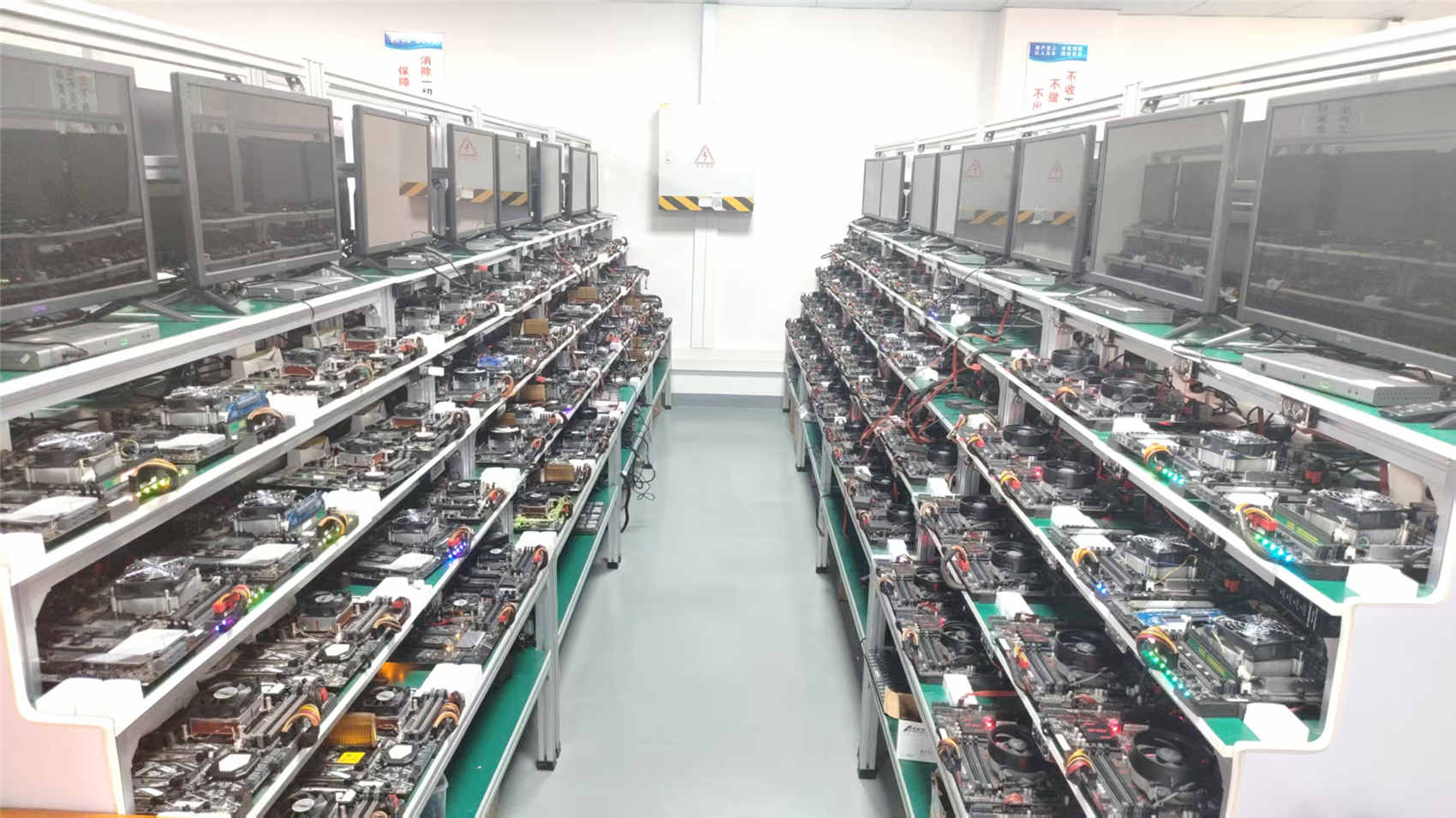
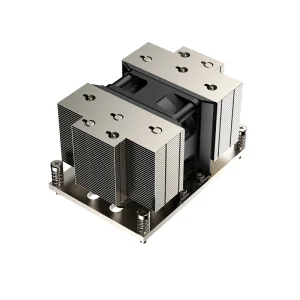
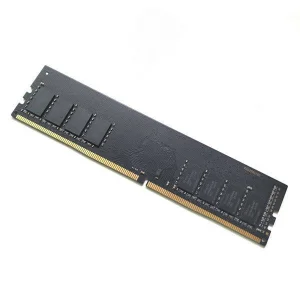
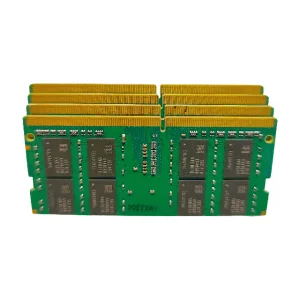
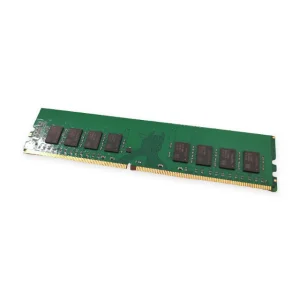
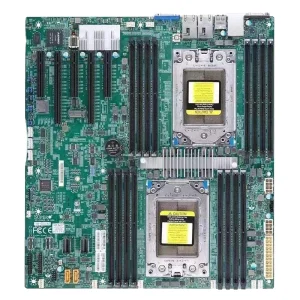
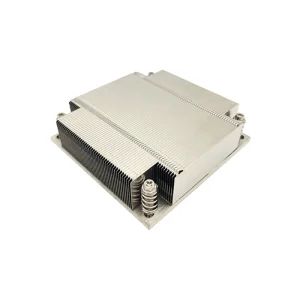
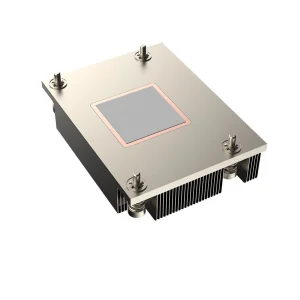
Explore our range of high-frequency printed boards, specialized memory kits, passive coolers, and assembly services built to Japanese industrial standards.
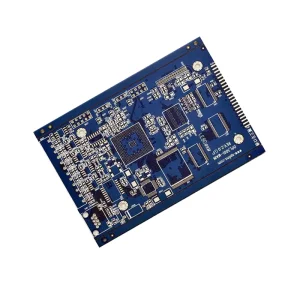
Standard fabrication techniques often yield poor results when applied to specialized high-frequency laminates. Rogers materials, especially PTFE-based series like the RO3000 and RT/duroid families, are highly ductile and prone to deformation during processing. Without specialized machinery and precise temperature control, manufacturing these boards can lead to register misalignment, rough hole walls, and layer separation.
Our facility implements advanced material-specific protocols to maintain board quality and performance:
Get authoritative answers to technical, manufacturing, and shipping questions regarding Rogers high-frequency laminates.
Work with our application engineering team to verify your stack-ups, confirm material availability, and obtain a complete DFM report.