Novram
Novram
Novram
Reliable components designed for system integrators, municipal water controllers, and sanitization units across Addis Ababa and East Africa.
Over the past decade, Ethiopia has embarked on an ambitious journey toward industrialization, rapid urbanization, and agricultural modernization. High-profile infrastructure developments, including the Grand Ethiopian Renaissance Dam (GERD), extensive industrial parks like Hawassa and Bole Lemi, and regional healthcare upgrades, have catalyzed the demand for modern, reliable, and chemical-free sanitation solutions. In parallel, the transition from traditional mercury-vapor discharge lamps to Ultraviolet-C Light Emitting Diode (UVC LED) technology has emerged as a key global trend in biosecurity and environmental safety.
For municipal authorities, hospital administrators, agricultural exporters, and industrial engineers in Addis Ababa, Dire Dawa, and beyond, UVC LED modules offer a highly efficient, compact, and mercury-free disinfection mechanism. Unlike mercury lamps, which introduce hazardous waste and require constant warm-up periods, UVC LEDs emit radiation in the optimal germicidal spectrum (265nm to 278nm) instantly. However, deploying these solid-state lighting systems in East Africa presents distinct challenges: high ambient operating temperatures, unstable local electrical grids, and a critical need for robust thermal and power management. This whitepaper analyzes these realities and highlights how advanced manufacturing and integrated system design can address them.
The global UVC LED market is transitioning rapidly. The Minamata Convention on Mercury has phased out mercury-containing lamps worldwide, pushing industries toward semiconductor-based solid-state solutions. UVC LEDs operate by destroying the nucleic acids (DNA and RNA) of pathogens, including Vibrio cholerae, Escherichia coli, and multi-drug-resistant superbugs, preventing replication and infection.
In Ethiopia, the application landscape is divided into three key pillars:
Deploying UVC LEDs involves more than just selecting optical emitters; it requires high-end electrical and thermal systems. Traditional LEDs convert about 30% of input electrical energy into light; in contrast, current state-of-the-art UVC LEDs convert 90-95% of electrical energy into heat at the junction. If this heat is not dissipated, the module’s optical efficiency drops, and its operational life degrades rapidly.
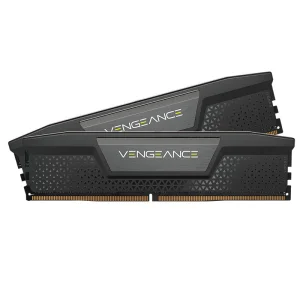
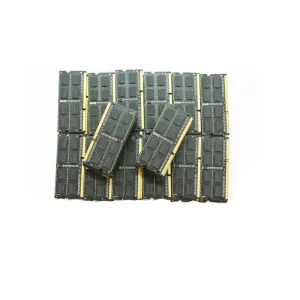
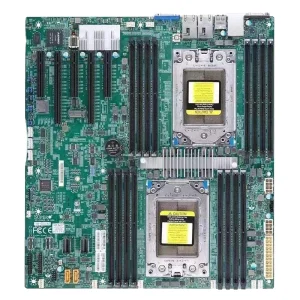
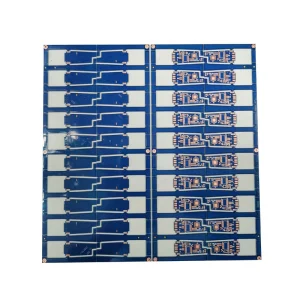
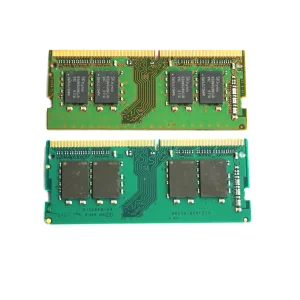
This is where specialized substrate design and cooling systems become essential. Our industrial line integrates Copper Aluminum Composite Materials and advanced thermal blocks to conduct heat away from the LED chips. Additionally, because UVC LEDs are sensitive to current fluctuations, they require precise constant-current drivers and robust microprocessing controls. The server motherboard technologies and high-stability DDR memory systems we manufacture provide the reliability required for the digital controllers that run these automation processes.
Our products bridge the gap between high-speed industrial data processing and rugged germicidal disinfection systems.
Looking for a tailored UVC disinfection layout, customized driver PCBs, or reliable industrial controllers for your site in Ethiopia?
Contact Our EngineersImplementing solid-state UV disinfection in Ethiopia requires customizing systems to match the needs of different sectors:
Farms along the Rift Valley lakes use UVC surface sterilizers to target gray mold. This reduces reliance on fungicides and helps meet European Union import standards.
In rural and peri-urban water networks, inline UVC modules clean water flow continuously, providing reliable sanitation without generating chlorinated disinfection byproducts.
Hospitals in Addis Ababa integrate upper-room UVC recirculating fixtures to control airborne pathogens like tuberculosis, maintaining a safe indoor environment.
Managing heat dissipation is critical for these setups. We utilize specialized manufacturing techniques, incorporating copper-aluminum composite PCBs and server-grade heat sinks, to keep the operating temperature of our high-power systems low. This ensures long-term performance in warm climates.
For engineering departments planning new installations, our custom design capability covers a wide range of operational parameters:
| Parameter Type | Standard Specification Range | Industrial Custom Options | Relevance to Ethiopia |
|---|---|---|---|
| Peak Wavelength | 265nm - 275nm (Pure Germicidal) | Dual-band (275nm + 365nm for photo-catalytic filtration) | Targets regional water pathogens |
| Substrate Thermal Conductivity | 1.5 to 3.0 W/m·K (Standard MCPCB) | >380 W/m·K (Pure Copper Core / Composite) | Prevents overheating in warm climates |
| Input Power Tolerances | 12V/24V DC Constant Voltage | 90-264V AC Integrated Surge Protected Drive | Protects against local voltage fluctuations |
| Cooling Integration | Passive Aluminum Extruded Fins | Forced Air Server Fan / Direct Liquid Cooled Loop | Suitable for high-capacity systems |
| Enclosure Protection | IP65 Dustproof & Splashproof | IP68 Hermetically Sealed Quarts Sleeves | Protects against dust and humidity |
A trusted manufacturer of high-performance electronics, memory modules, and thermal management subsystems supporting global industrial needs.
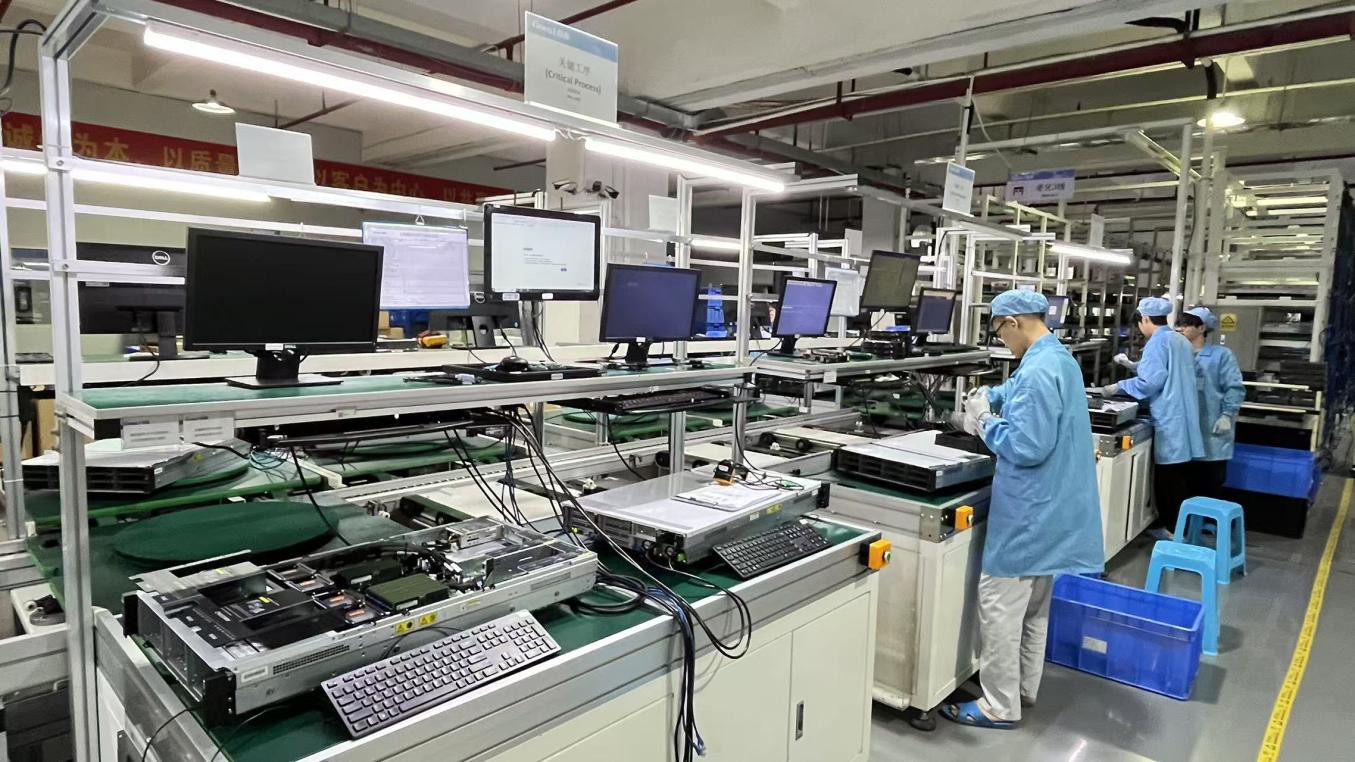
Novram Electronics Co., Ltd. is a professional DDR5 memory manufacturer based in Shenzhen, China, dedicated to delivering high-performance DRAM solutions for global OEM, ODM, and industrial customers. Established in 2016, the company has grown into a reliable supplier of DDR5 memory modules, serving partners across consumer electronics, industrial automation, embedded systems, gaming, and enterprise computing.
Operating from a modern 3,860㎡ manufacturing facility, Novram integrates advanced production equipment, strict quality management, and continuous R&D innovation to ensure every memory module meets international performance and reliability standards. Our experienced engineering team focuses on developing high-speed, stable, and energy-efficient DDR5 products for diverse computing applications.
With 9 years of industry experience and 7 years of export experience, Novram exports products to customers in more than 40 countries. The company achieves an annual export revenue of approximately US$18.6 million, supported by an efficient global supply chain and responsive customer service.
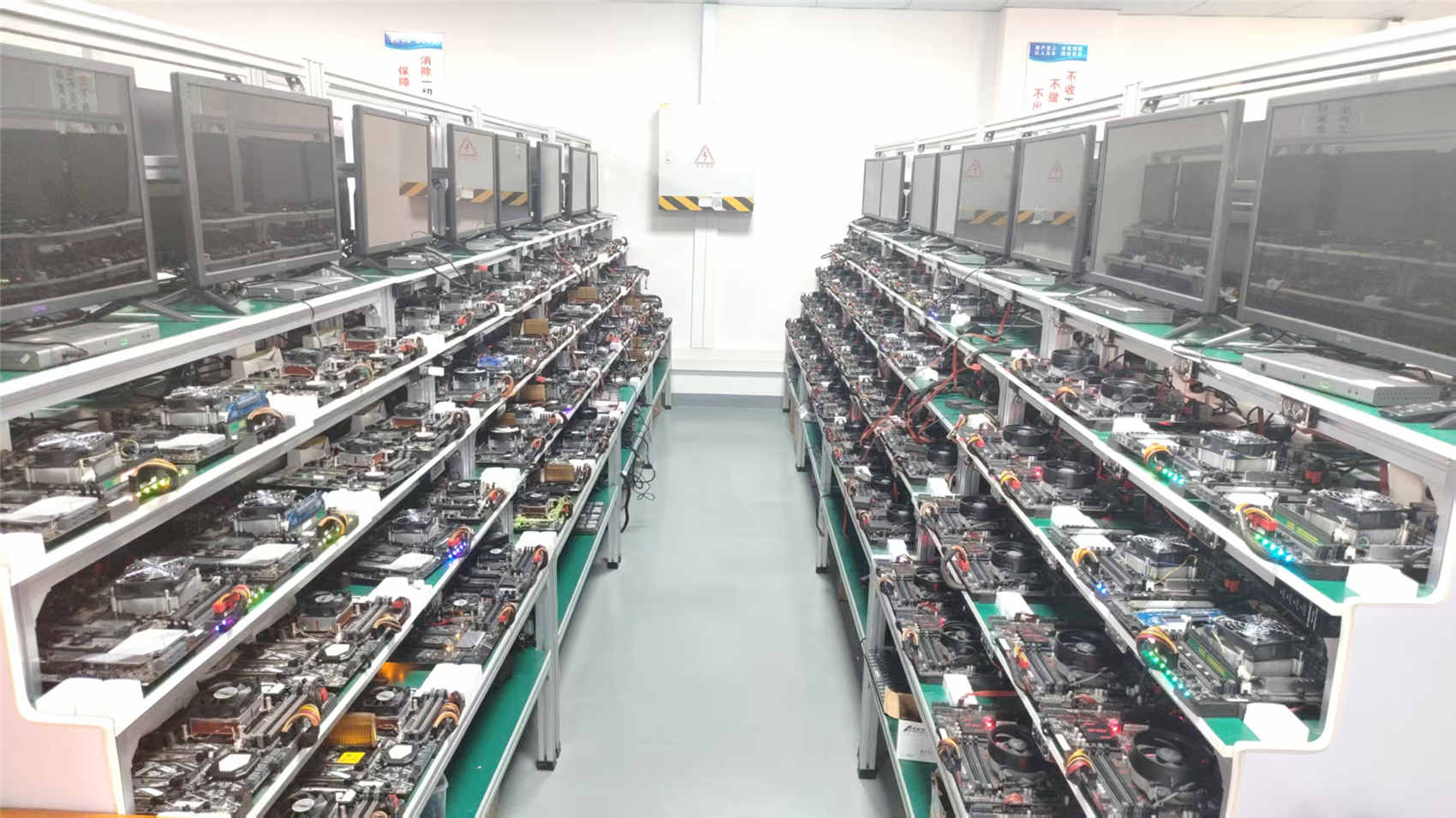
Quality is at the core of everything we do. Every DDR5 memory module undergoes 100% functional testing, compatibility testing, burn-in testing, temperature testing, and aging verification before shipment. Our quality control department consists of 42 professional inspectors, ensuring consistent product performance and long-term reliability.
Novram maintains strong partnerships with over 860 qualified supply chain partners, enabling stable production capacity and reliable component sourcing. Our primary customers include memory module brands, computer manufacturers, industrial PC companies, system integrators, distributors, wholesalers, and OEM/ODM partners worldwide.
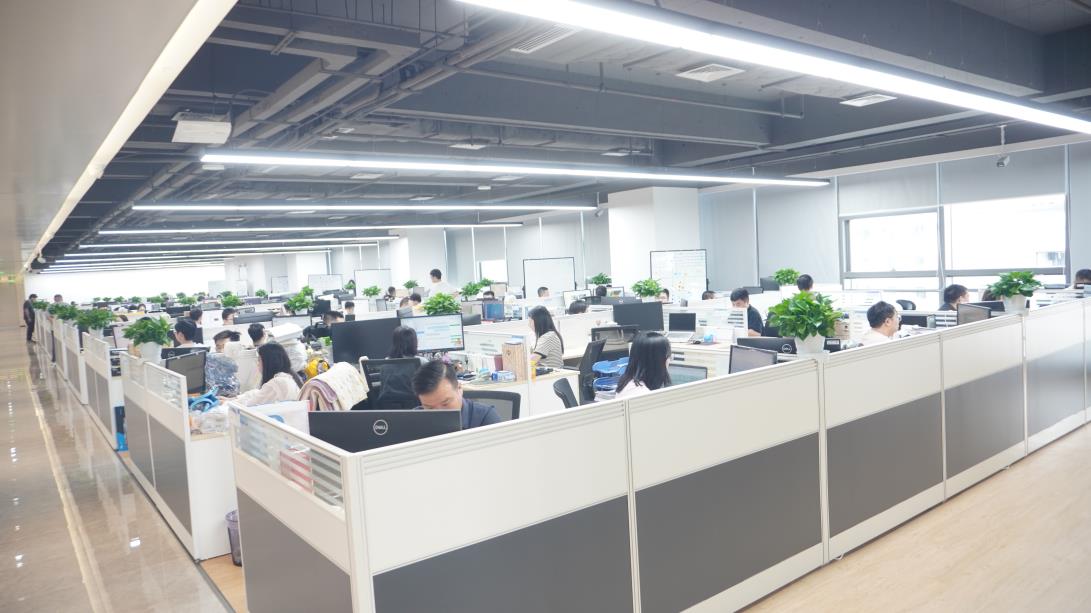
Innovation drives our competitiveness. Our dedicated R&D center is staffed by 76 experienced engineers, allowing us to introduce approximately 138 new products each year. We provide comprehensive OEM, ODM, private label, logo printing, packaging customization, capacity customization, firmware optimization, and product specification customization to meet different market requirements.
Today, Novram continues to invest in advanced manufacturing technologies, strict quality assurance, and customer-focused innovation. Our mission is to become a trusted global partner for high-performance DDR5 memory solutions by delivering reliable products, flexible customization, competitive pricing, and professional technical support.

Importing industrial components to East Africa requires attention to standards and logistics. Novram supports its partners in the region with:
Expert insights on integrating UVC LED modules and industrial control electronics in East African projects.
Explore our selection of industrial memory modules, system boards, and cooling systems designed for demanding disinfection and automation applications.
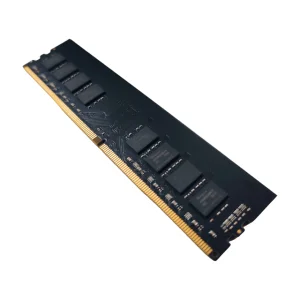
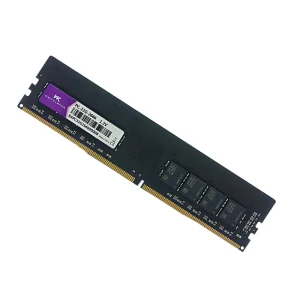
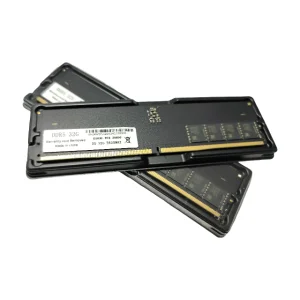
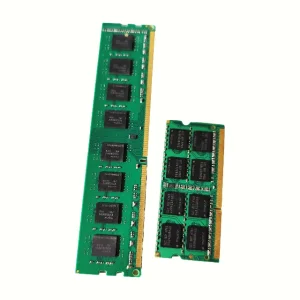
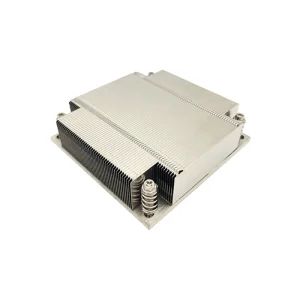
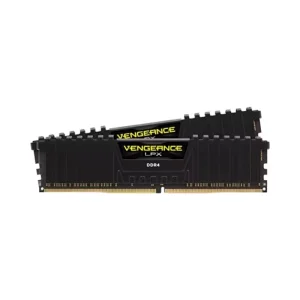
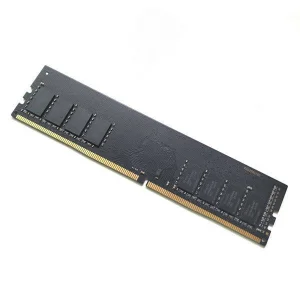
We supply component hardware, driver subsystems, and custom layouts tailored to the environmental and operational requirements of the Ethiopian market.
Send Inquiry Now