Novram
Novram
Novram
Analyzing the evolution of hardware infrastructures underpinning Industry 4.0, smart manufacturing, and the role of certified processing systems.
Modern industrial sites operate on deterministic networks demanding sub-millisecond response times. Standard computing layers are transitioning to robust edge controllers powered by high-bandwidth DDR5 interfaces and Multi-Core CPU motherboards, permitting local AI inferencing, real-time sensor processing, and machine vision analytics without latency penalties.
To assure electromagnetic compatibility (EMC) and operational safety inside heavy industrial environments, controllers require strict CE Certification (meeting standard guidelines such as EN 61000-6-2 for immunity and EN 61000-6-4 for emissions). This ensures interference-free integration beside high-power machinery, multi-axis robotic arms, and variable frequency drives.
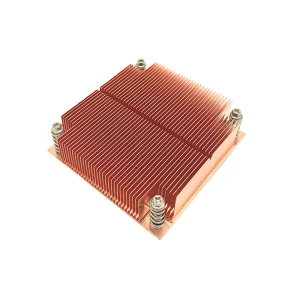
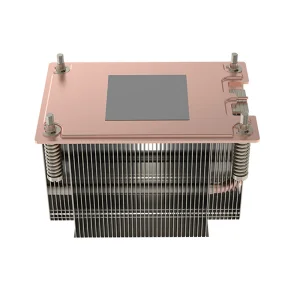
Uncontrolled thermal accumulation is the primary cause of industrial motherboard and silicon failures. High-efficiency passive and air-cooled systems, such as copper-based LGA2011 and AM5 heatsinks, optimize thermal management, guaranteeing continuous 24/7/365 operations under severe environments ranging from -20°C to 75°C.
As the fourth industrial revolution (Industry 4.0) matures, the boundary between Information Technology (IT) and Operational Technology (OT) is disappearing. Industrial automation controllers are no longer simple relay-logic systems; they are sophisticated edge servers that manage massive data pipelines, real-time predictive analytics, and localized machine vision. In this context, the reliability of foundational hardware components—such as high-speed RAM, multi-layered PCB substrates, stable server motherboards, and robust thermal regulation elements—determines the uptime of entire automotive assembly lines, automated distribution centers, and power generation stations.
Deploying unstable hardware in these critical interfaces results in substantial financial loss, physical equipment damage, or severe safety hazards. This is why leading system integrators, OEM manufacturers, and global industrial computer providers require CE-certified components that undergo stringent burn-in, environmental, and compatibility verifications prior to field deployment.
Novram Electronics Co., Ltd. is a professional DDR5 memory manufacturer based in Shenzhen, China, dedicated to delivering high-performance DRAM solutions for global OEM, ODM, and industrial customers. Established in 2016, the company has grown into a reliable supplier of DDR5 memory modules, serving partners across consumer electronics, industrial automation, embedded systems, gaming, and enterprise computing.
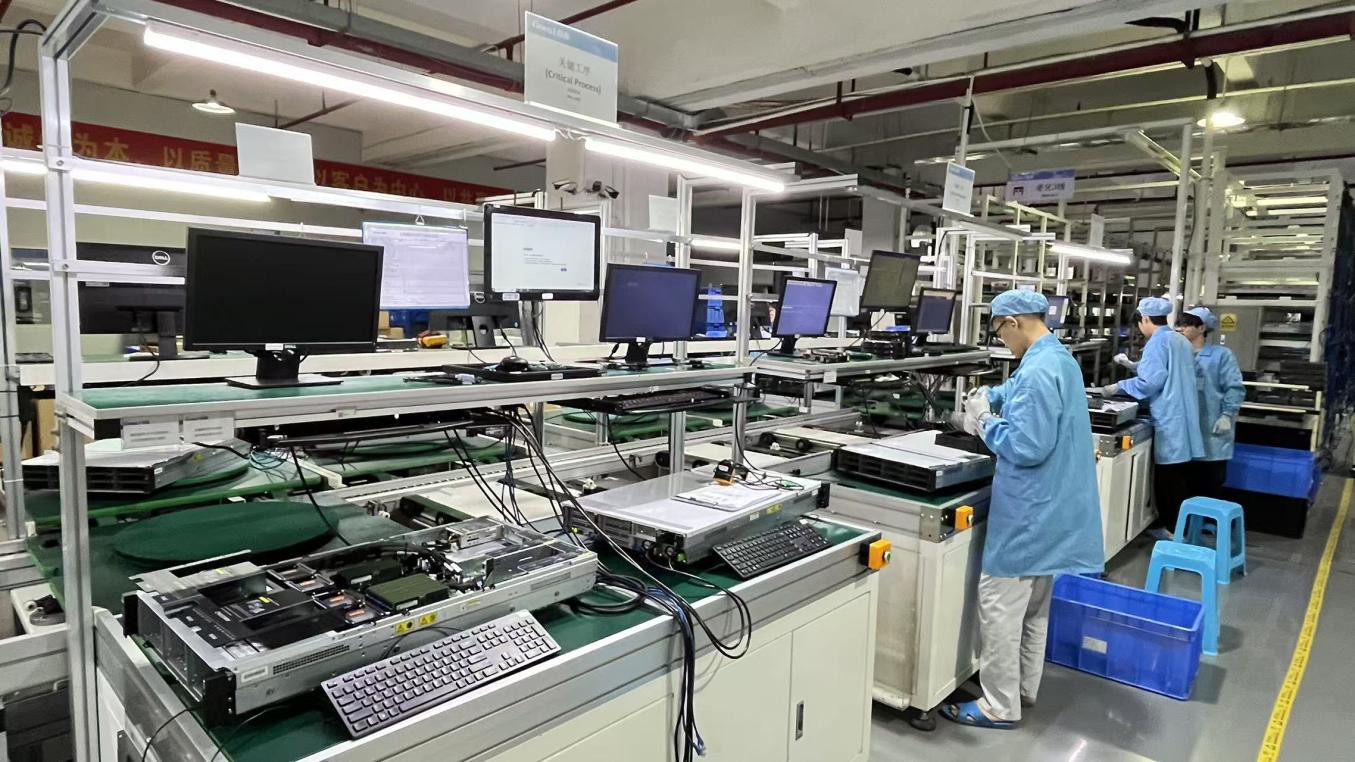
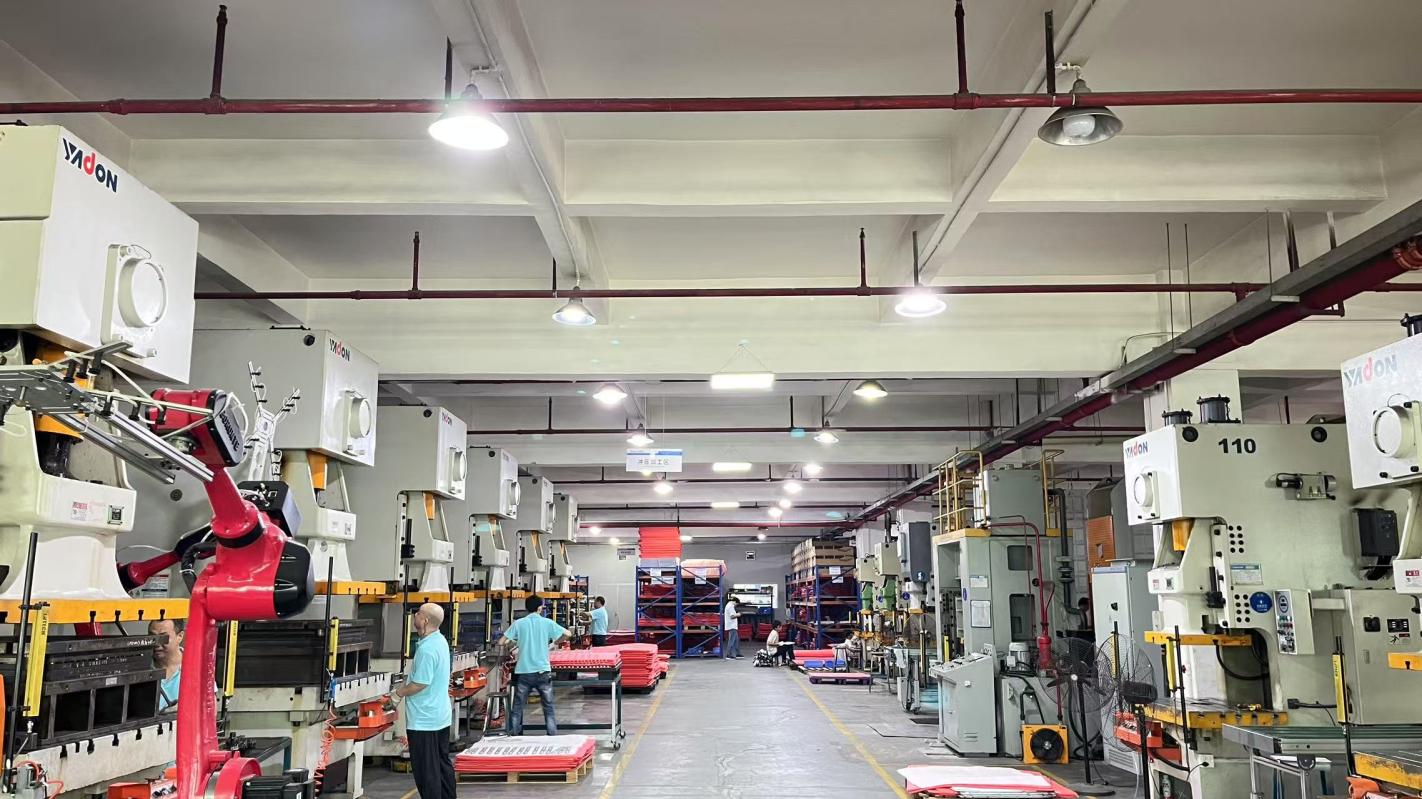
Operating from a modern 3,860㎡ manufacturing facility, Novram integrates advanced production equipment, strict quality management, and continuous R&D innovation to ensure every memory module meets international performance and reliability standards. Our experienced engineering team focuses on developing high-speed, stable, and energy-efficient DDR5 products for diverse computing applications.
With 9 years of industry experience and 7 years of export experience, Novram exports products to customers in more than 40 countries. The company achieves an annual export revenue of approximately US$18.6 million, supported by an efficient global supply chain and responsive customer service.
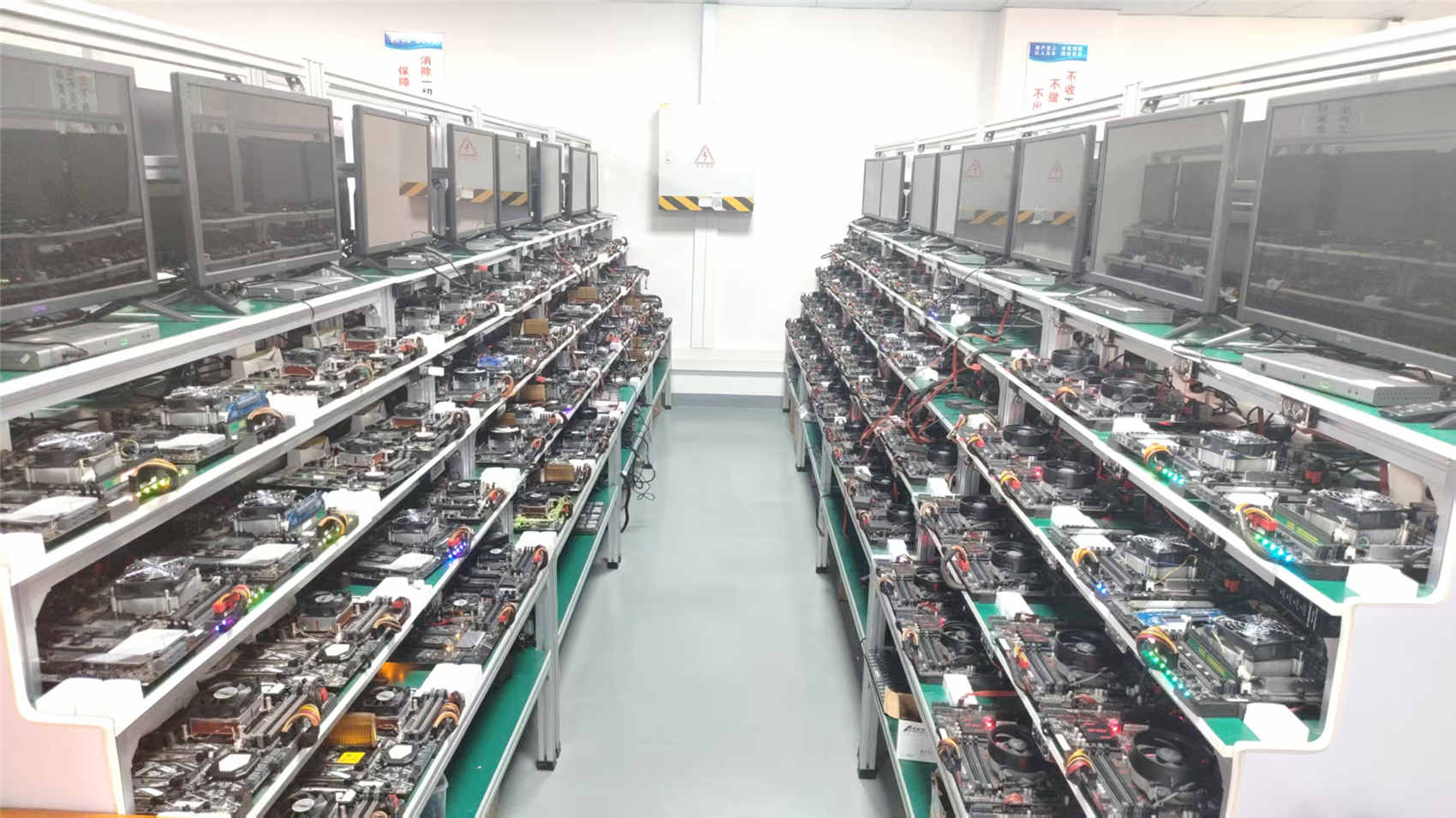
Quality is at the core of everything we do. Every DDR5 memory module undergoes 100% functional testing, compatibility testing, burn-in testing, temperature testing, and aging verification before shipment. Our quality control department consists of 42 professional inspectors, ensuring consistent product performance and long-term reliability.
Novram maintains strong partnerships with over 860 qualified supply chain partners, enabling stable production capacity and reliable component sourcing. Our primary customers include memory module brands, computer manufacturers, industrial PC companies, system integrators, distributors, wholesalers, and OEM/ODM partners worldwide.
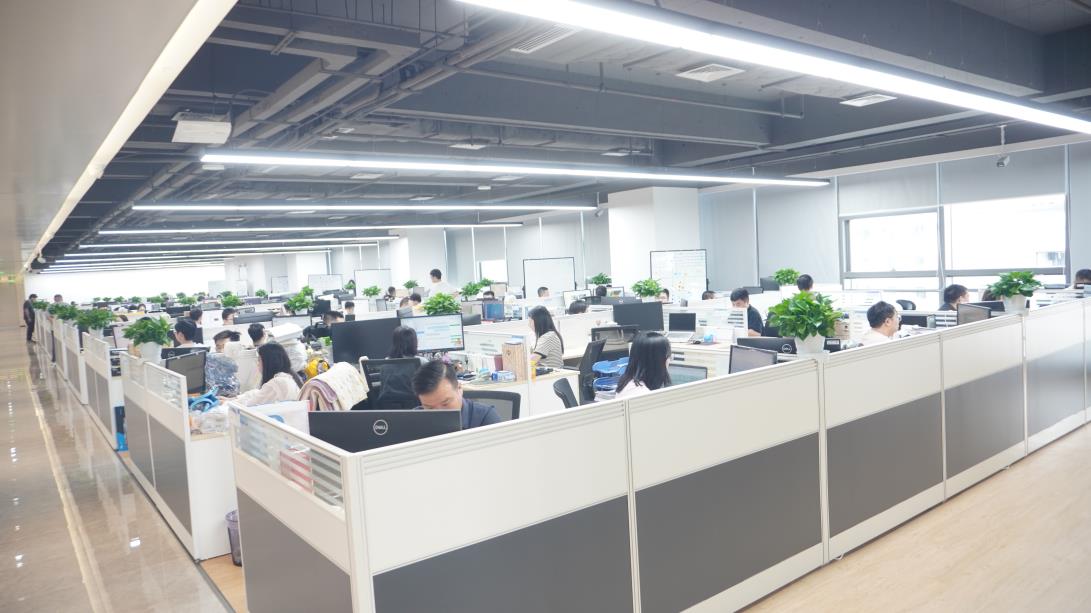
Innovation drives our competitiveness. Our dedicated R&D center is staffed by 76 experienced engineers, allowing us to introduce approximately 138 new products each year. We provide comprehensive OEM, ODM, private label, logo printing, packaging customization, capacity customization, firmware optimization, and product specification customization to meet different market requirements.
Understanding the critical subsystems required for ruggedized automation controllers in modern industrial applications.
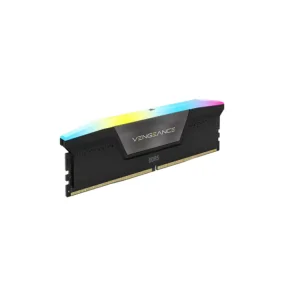
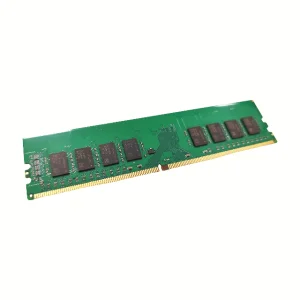
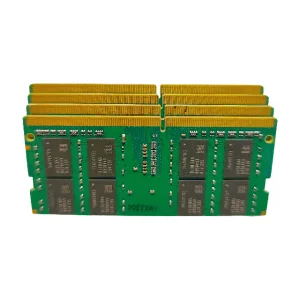
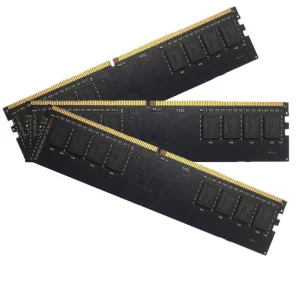
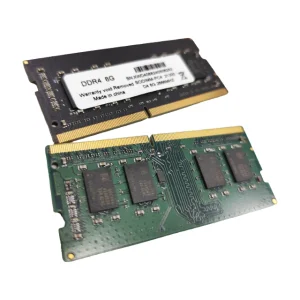
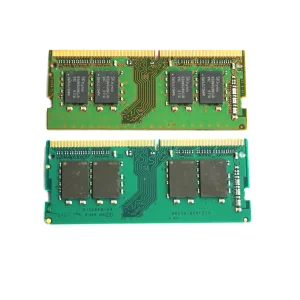
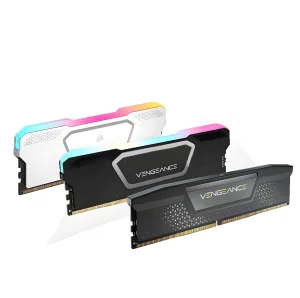
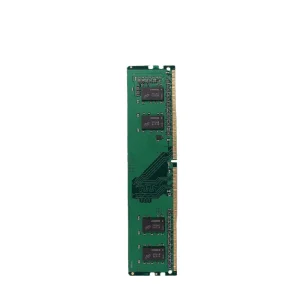
In automation setups, memory bottlenecks directly restrict the processing speed of real-time software systems. Traditional DDR3 and basic DDR4 architectures lack the throughput and integrated protection schemes required for multi-sensor data fusion. Integrating enterprise DDR5 memory modules (like Corsair Revenge RGB DDR5 or OEM DDR4 REG ECC configurations) enables significant bandwidth increases and lower power footprints (operating at 1.1V compared to DDR4's 1.2V).
For industrial automation, the inclusion of On-Die Error Correcting Code (ODECC) in DDR5 is a critical improvement. It corrects single-bit errors inside the memory chip before sending data to the controller CPU. This reduces bit-flip risk caused by electromagnetic interference from close high-voltage power lines or variable frequency drives. Combined with Sideband ECC on server motherboards, it establishes end-to-end data security for high-risk systems, including petrochemical control systems and robotic automotive assembly lines.
High-performance control processors (such as AMD AM5 or Intel LGA2011 configurations) run close to their thermal design power (TDP) thresholds when processing AI vision pipelines or managing complex motion paths. Thermal throttling drops CPU performance, leading to communication delays and cycle synchronization issues on the factory floor.
Effective thermal engineering uses passive and active strategies designed for specific settings:
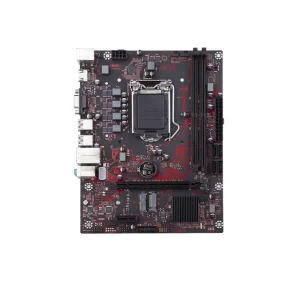
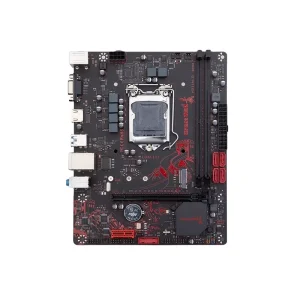
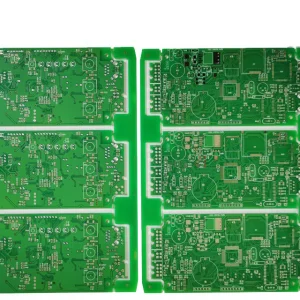
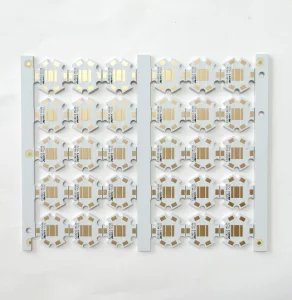
The foundation of any automation controller is its printed circuit board (PCB) and motherboard system (such as H510M-A or H311M-G platforms). In industrial environments, PCBs must resist thermal expansion stresses, mechanical shocks, vibrations, and humidity. Using lead-free, high-TG multi-layer aluminum or FR-4 PCB substrates manufactured with precise resin processes ensures long-term structural integrity and steady electrical performance. This prevents signal cross-talk on high-frequency buses and helps buyers meet RoHS and CE compliance requirements.
Analyzing how industrial memory, motherboard, and cooling hardware combine to build reliable automation control systems.
Scenario: High-speed optical defect screening on bottling and packaging lines.
Hardware Stack: H510M-A motherboards, 32GB DDR5 6000MHz RAM, and AM5 200W passive VC3 coolers.
Value: High-speed DDR5 memory handles real-time video frames from multiple gigabit Ethernet cameras without frames dropping, while passive cooling prevents failure from fine dust contamination on the production floor.
Scenario: Precise multi-axis control synchronization in robot welding cells.
Hardware Stack: Custom multi-layer aluminum PCBs, LGA2011 rectangular air-cooled heatsinks, and REG ECC DDR4 RAM modules.
Value: ECC RAM actively corrects soft errors caused by high-power welding magnetic fields, keeping robot arms in sync to avoid expensive assembly collisions.
Scenario: SCADA systems managing remote wind and solar power plants.
Hardware Stack: H311M-G motherboards, 8GB DDR3/DDR4 non-ECC industrial modules, and 1U passive heatsinks.
Value: Industrial-grade components deliver high Mean Time Between Failures (MTBF) rates in remote, unstaffed substations, lowering maintenance overheads.
Evaluating upcoming memory, PCB, and thermal innovations for industrial computing from 2025 to 2030.
The industrial computing market is moving toward high-performance computing at the edge (Edge HPC). The introduction of DDR5 memory at speeds of 6000MHz and beyond is just the beginning. The industry is preparing for DDR6, which will feature double the data rates of DDR5 and introduce advanced power management ICs (PMICs) directly on the DIMM. This design shift will help stabilize power delivery under high-vibration conditions, which is crucial for rugged industrial controllers.
Additionally, the adoption of lead-free, multi-layered aluminum PCBs with high thermal conductivity allows for smaller control systems. Engineers can now pack more processing power into compact DIN-rail mounts. On the cooling side, passive vapor chamber technologies (like VC3) are evolving to handle thermal loads up to 250W. This development allows high-end server-class processors to operate in sealed, fanless IP67-rated enclosures, protecting delicate electronics from moisture, dust, and corrosive vapors.
Novram Electronics Co., Ltd. matches these trends by continuously upgrading its SMT lines, using automatic optical inspection (AOI), and investing in R&D. With 76 R&D engineers, the company is refining high-speed DDR5 modules and custom PCB solutions to meet the changing demands of global automation clients.
Detailed technical answers for procurement directors, system engineers, and OEM/ODM buyers.
CE Certification ensures the equipment complies with European safety, health, and environmental protection standards. For industrial hardware, this indicates compliance with EMC directive 2014/30/EU. It certifies that the memory modules, motherboards, and controllers will not emit electromagnetic waves that disrupt nearby equipment and will remain immune to external electromagnetic noise, which is common near high-voltage motors and actuators.
On-Die ECC is built into all DDR5 memory chips, correcting single-bit errors inside the silicon array. Sideband ECC is an extra feature that requires a compatible CPU and motherboard. It protects data in transit across the bus between the memory module and the CPU. Using both types of ECC provides maximum protection against data corruption in critical automation applications.
Novram uses a comprehensive testing pipeline. Every batch undergoes 100% functional testing, motherboard compatibility checks across various chipsets (Intel/AMD), high-low temperature thermal cycling, and extended burn-in tests. Our 42 quality control inspectors verify that each module meets the target MTBF ratings before shipping.
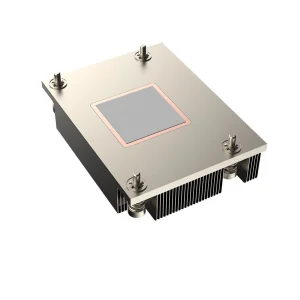
Passive copper VC3 heatsinks are recommended for environments with high dust, moisture, or vibration, where moving fans are prone to failure. They provide a fanless cooling solution that improves system reliability. Standard air-cooled heatsinks are better suited for clean, climate-controlled server racks where maximum airflow is available to cool high-TDP processors.
Hot Air Solder Leveling (HASL) lead-free processes ensure flat, solderable pads on the PCB. Filling via holes with resin prevents moisture traps, air pockets, and solder migration during assembly. This improves electrical connection reliability under thermal stress, helping to prevent system crashes caused by open circuits in high-vibration applications.