Novram
Novram
Novram
Explore our CE-certified active memory units and precision integrated assemblies optimized for modern industrial operations.
In modern electronic design, the boundary between passive components and active circuits has blurred under high-frequency conditions. While active microprocessors and dynamic random-access memory (DRAM) perform calculations, CE-certified passive components (such as MLCCs, thin-film resistors, and power inductors) act as the foundational pillars of the Power Distribution Network (PDN). They ensure decoupling, signal filtration, impedance matching, and electromagnetic interference (EMI) containment, which directly impact computing stability and product lifetime.
As servers transition from legacy layouts to higher-density architectures, design challenges like parasitics, equivalent series resistance (ESR), and equivalent series inductance (ESL) escalate. System designers must focus on sourcing high-reliability components that possess certifications like CE (Conformité Européenne) to comply with electromagnetic compatibility (EMC) regulations. The integration of high-density capacitors and power inductors directly onto the printed circuit board (PCB) of motherboards and memory modules ensures clean power delivery, protecting sensitive semiconductor dies from voltage spikes and transient current transitions.
CE certification is vital for global electronic hardware exports. It guarantees that our assemblies pass rigorous EN 55032 and EN 55035 standards for electromagnetic interference mitigation and operational safety.
Positioning high-frequency Multi-Layer Ceramic Capacitors (MLCCs) near high-speed computing chips minimizes impedance fluctuations, stabilizing the power delivery network during intense computations.
Industrial environments feature extreme thermal stress. Sourcing passive components with high Curie temperatures prevents degradation of capacitance and inductance under load.
The global electronics industry is undergoing a structural shift driven by automation, artificial intelligence (AI), and electric vehicles (EVs). Enterprise-level operations require hardware that can run continuously without maintenance interventions. This need highlights the importance of reliable active and passive hardware components.
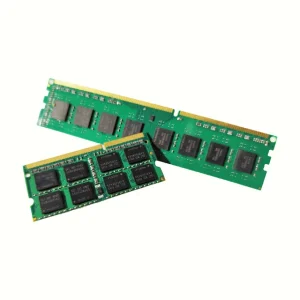
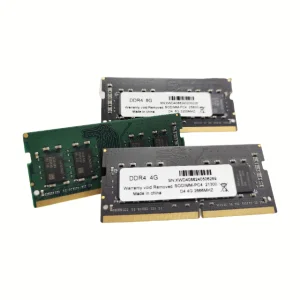
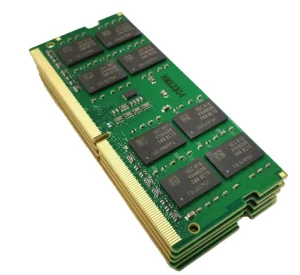
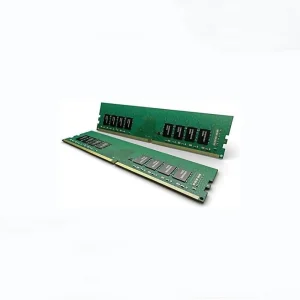
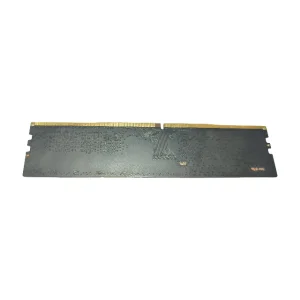
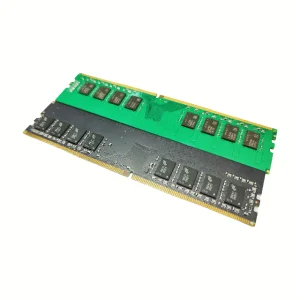
The shift from DDR4 to DDR5 memory modules illustrates this change. Under the older DDR4 standard, voltage regulation occurred on the host motherboard. In contrast, DDR5 incorporates a dedicated Power Management Integrated Circuit (PMIC) directly onto the module's printed circuit board (PCB). This architectural adjustment relocates passive voltage regulation components onto the memory stick, optimizing electrical performance. This design demands precise decoupling capacitors and inductors within a constrained surface area, increasing the design requirements for module suppliers.
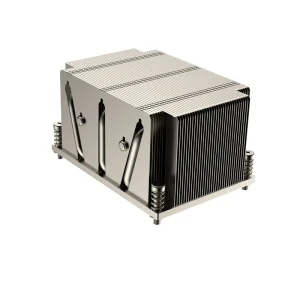
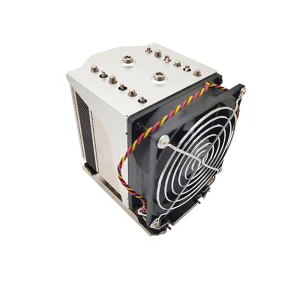
Additionally, the rise of high-frequency CPU sockets, such as the LGA4189 and LGA4926, has elevated standard thermal design requirements. The thermal demands of modern multi-core server processors can exceed 300W to 350W TDP. This heat must be dissipated rapidly to prevent localized thermal pockets from destabilizing nearby memory banks and discrete passive matrices. Consequently, advanced thermal management solutions—such as multi-heat-pipe cooling blocks—have transitioned from auxiliary accessories to essential operational components.
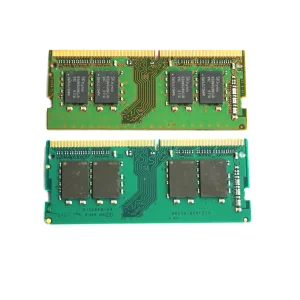
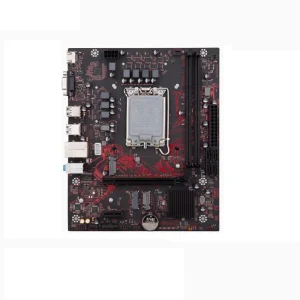
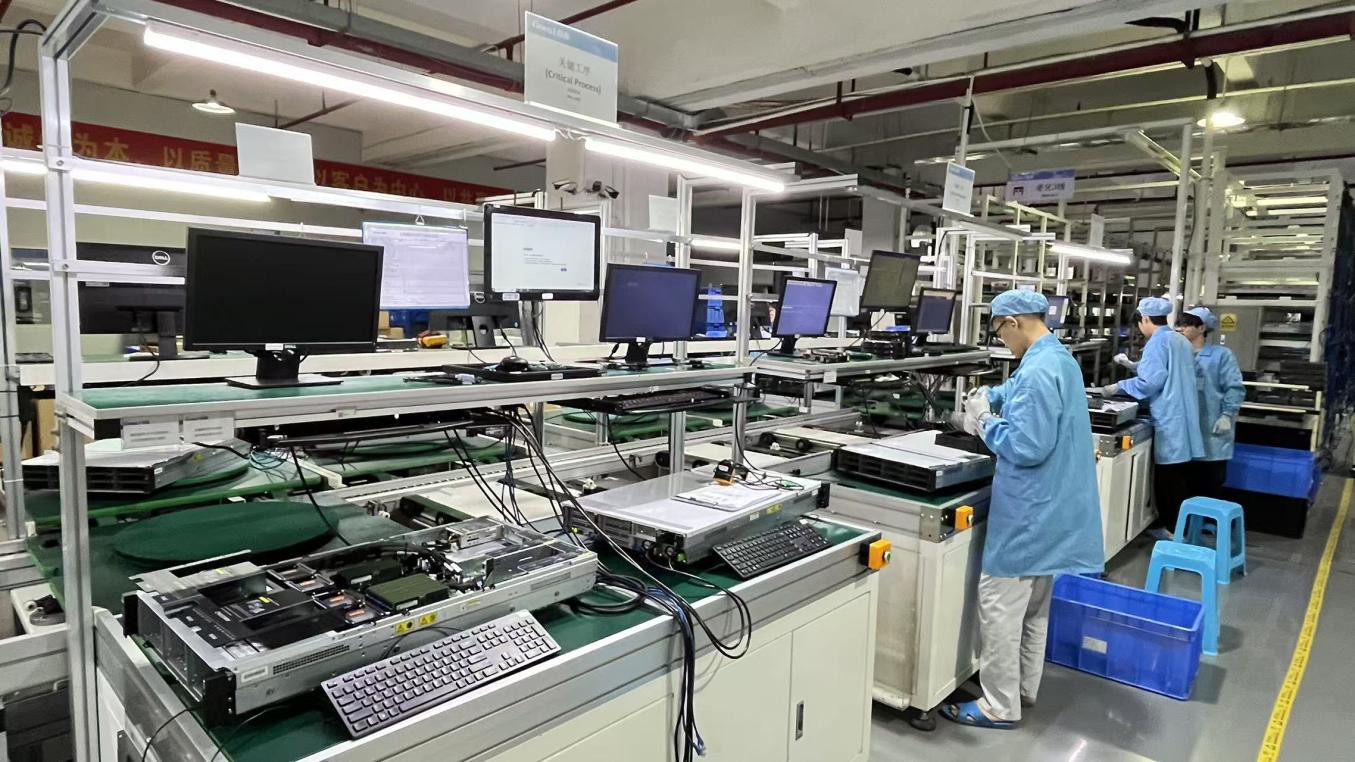
Established in 2016 and headquartered in the tech hub of Shenzhen, China, Novram Electronics Co., Ltd. has established itself as an innovative manufacturer of DDR5 and DDR4 memory modules, custom motherboard assemblies, and system thermal management designs. Our facility covers 3,860 square meters and utilizes advanced SMT assembly lines, automatic optical inspection (AOI) units, and automated testing machinery.
With over 9 years of industry experience and 7 years of international trade operations, we serve clients in 40+ countries. Our global export operations generate an annual revenue of approximately US$18.6 million. We maintain relationships with a network of over 860 verified supply chain partners, ensuring access to quality raw materials and stable production throughput, even during global component shortages.
Our research and development facility is staffed by 76 design and validation engineers who introduce roughly 138 new products annually. This capacity allows us to offer custom design services, including:
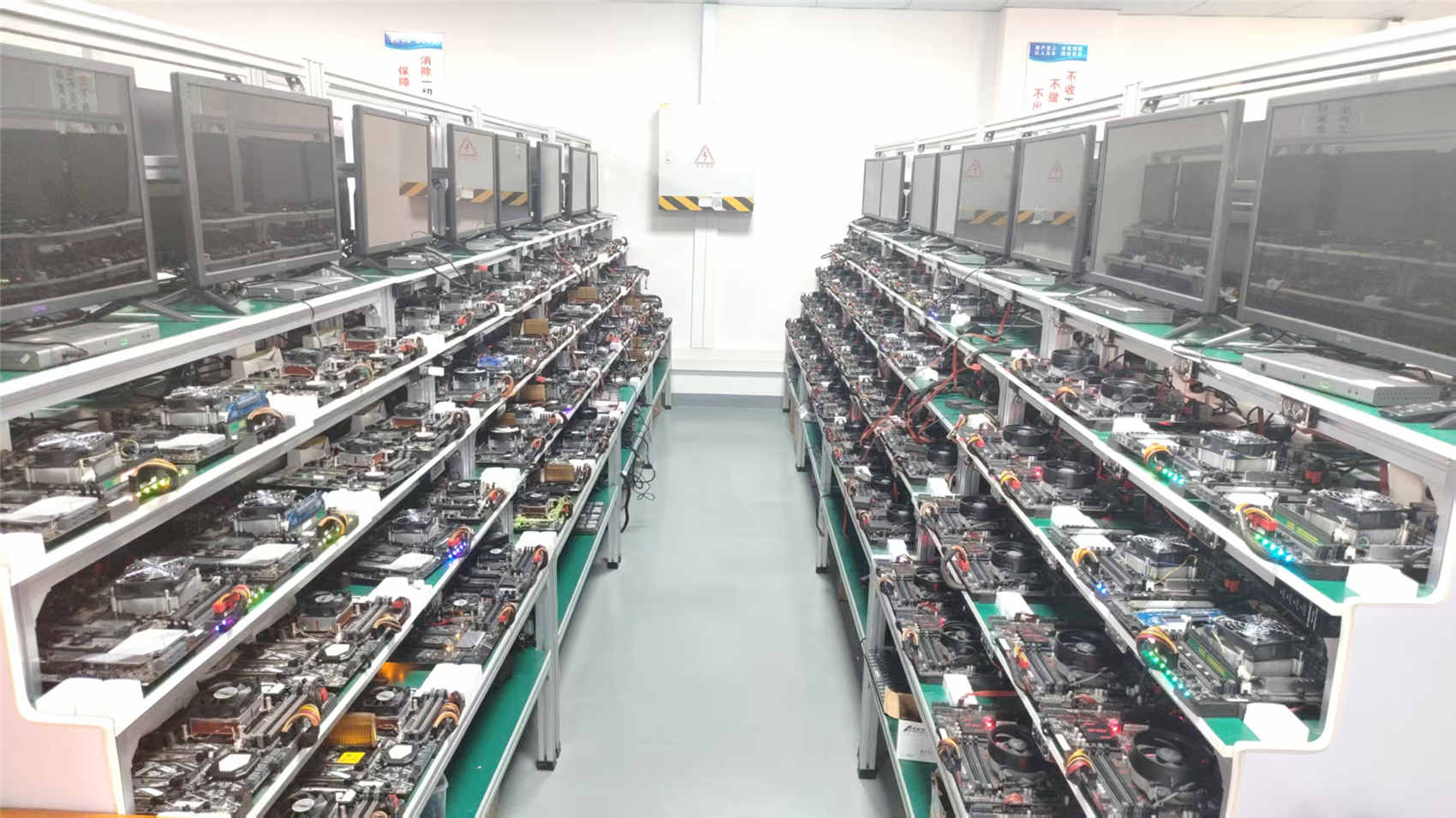
Quality control is built directly into our manufacturing workflow. Every batch of DDR5 modules, motherboards, or thermal units undergoes a comprehensive quality check overseen by our 42 specialized QC inspectors. This validation process includes:
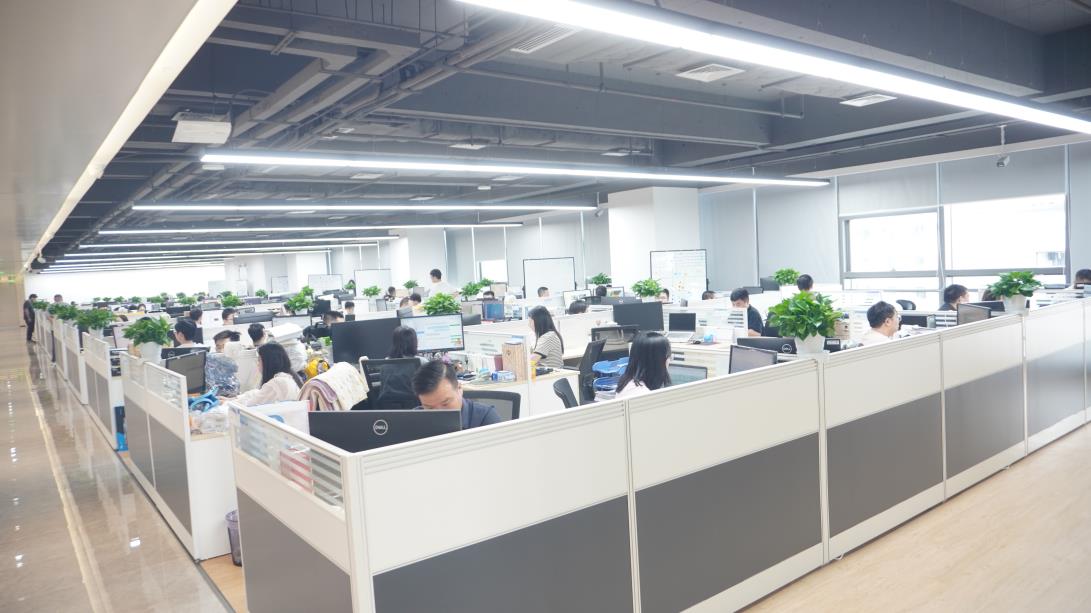
Inside our quality-controlled SMT production and assembly facilities, engineered for stable output.

Modern electronic designs perform across diverse environments, from stable, climate-controlled corporate datacenters to rugged, vibration-prone factory floors. Novram Electronics addresses these needs with tailored configurations:
Hyperscale data centers require near-zero downtime. Our ECC memory solutions detect and repair single-bit errors dynamically, protecting databases from system halts.
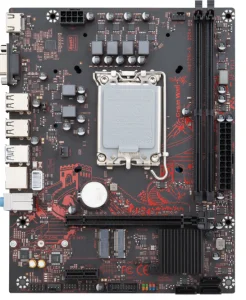
DDR5 ECC & LGA Heat SinksSmart manufacturing systems rely on compact motherboards like the H610 and B760 series. We equip these with passive components that resist chemical degradation and environmental wear.
Industrial Mini-ITX AssembliesModern cloud services rely on dense blade architectures that generate substantial heat. Our 300W and 320W copper-fin heat sinks manage this thermal load to prevent processor throttling.
LGA4189 & LGA4926 CoolersFurthermore, our engineering teams ensure that the components integrated into our systems are sourced from suppliers using eco-friendly materials that comply with the EU’s RoHS and REACH frameworks. This focus minimizes harmful electronic waste while ensuring long-term compatibility for global distribution.
The computing landscape continues to evolve, pushing the limits of frequency and thermal efficiency. Novram Electronics maintains an active development roadmap to address the requirements of next-generation system architectures:
Developing high-density DDR5 layouts running above 6800MHz and scaling up to 7200MHz. This work utilizes low-power PMIC designs coupled with advanced thermal management coatings.
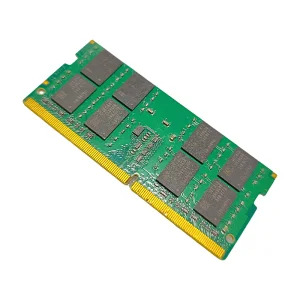
Designing specialized SODIMM modules with low-profile thermal spreaders, optimized for compact edge computing gateways and industrial smart cameras.
Developing thermal solutions capable of handling 400W+ TDP. This research incorporates composite vapor chambers and custom heat pipe patterns for multi-socket enterprise servers.
Review answers to common technical queries about module design, CE compliance, custom motherboards, and thermal management.
Select from our range of CE-compliant system components and thermal cooling units built for continuous operation.