Novram
Novram
Novram
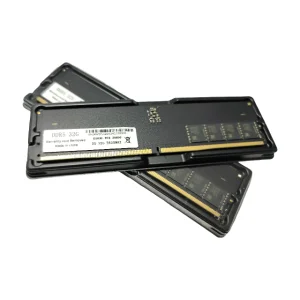
Deploying engineered memory architecture engineered for extreme read/write operations and low latency profiles.
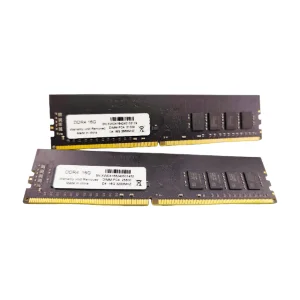
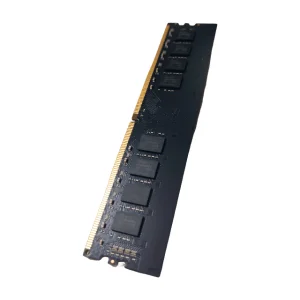
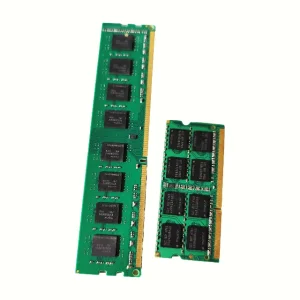
Driven by high-resolution gaming, professional content rendering, and localized AI computing workloads, high-speed RAM is evolving rapidly.
The global gaming industry has transitioned from basic application performance to microsecond-level latency dependency. With the introduction of the DDR5 standard, gaming RAM is no longer just a high-capacity storage buffer; it has transformed into a highly optimized computing subsystem featuring dynamic power control via PMICs (Power Management Integrated Circuits) and real-time reliability enhancements through on-die ECC (Error Correction Code).
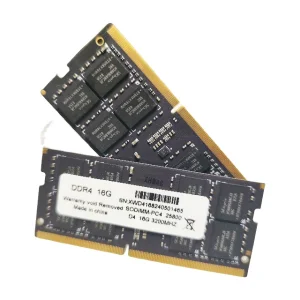
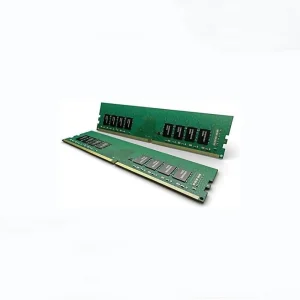
While DDR4 continues to serve as the baseline budget framework for enterprise operations and entry-level setups, DDR5 is setting speed benchmarks ranging from 4800MHz to over 8000MHz. Advanced gaming operations require high memory bandwidth to prevent CPU bottlenecking, and Chinese manufacturers are leading this transition by leveraging direct supply channels for advanced DRAM die sorting.
Inside Shenzhen’s advanced semiconductor cluster, where technology and manufacturing integration delivers unparalleled cost efficiency, agility, and performance.
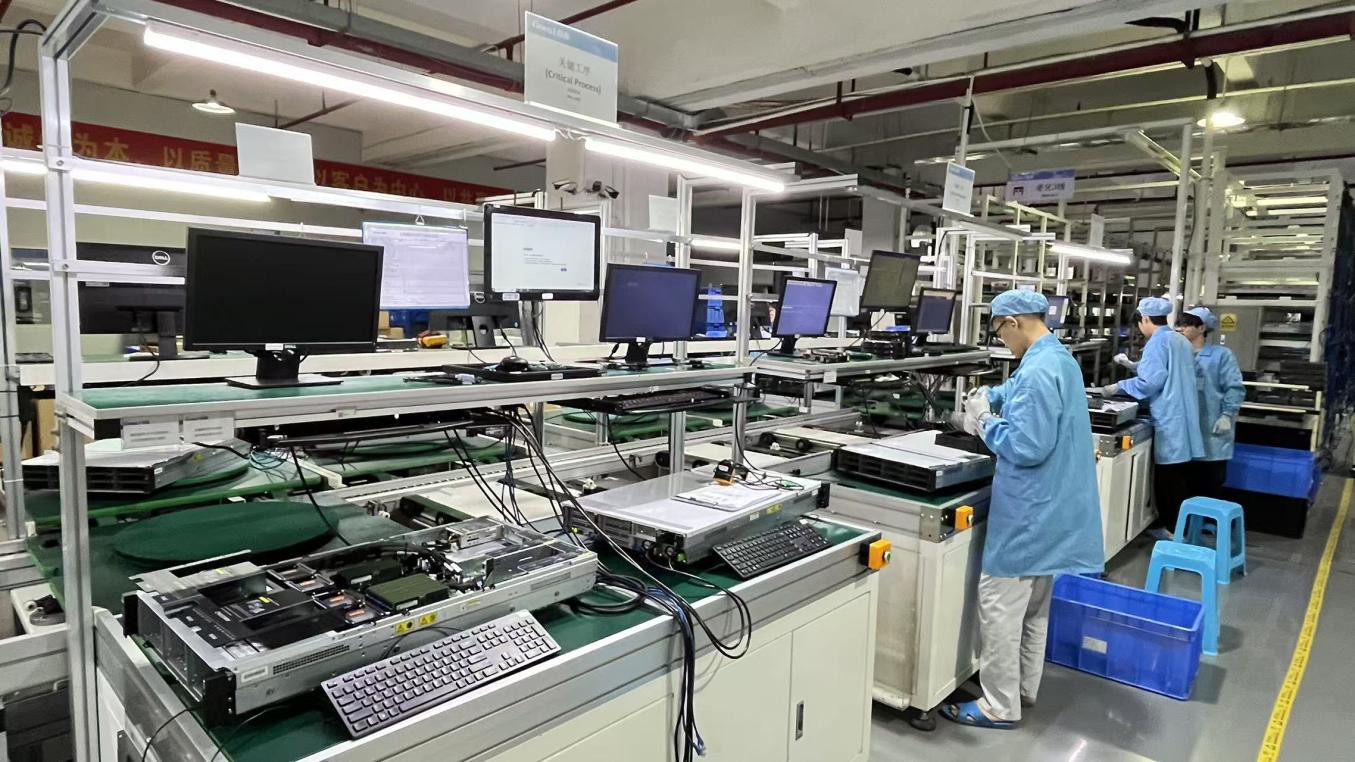
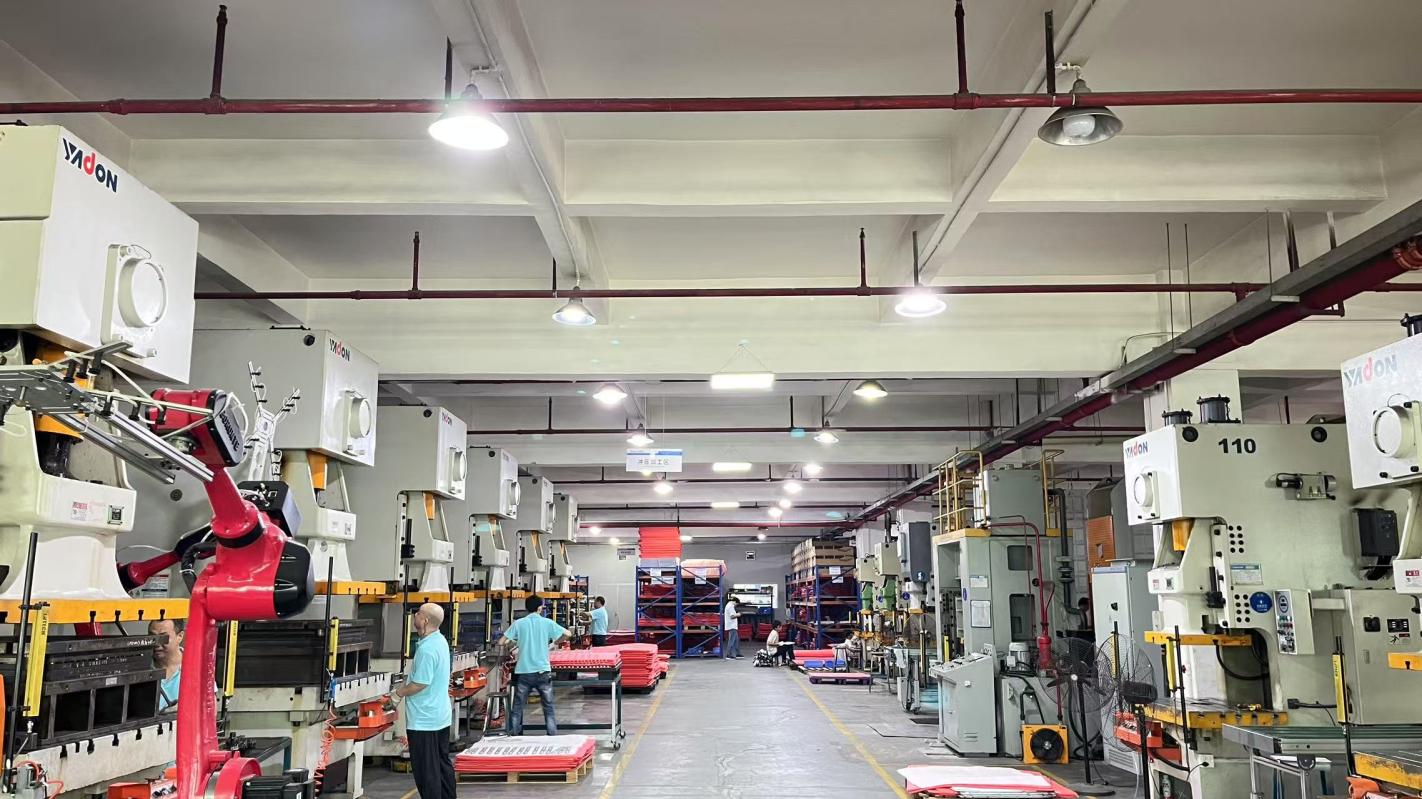
Located in the heart of Shenzhen’s manufacturing ecosystem, Novram Electronics Co., Ltd. has established a highly specialized production footprint for high-performance memory modules. The company leverages advanced SMT (Surface Mount Technology) assembly lines and SPI/AOI optical inspection systems. This ensures that every passive component, controller chip, and DRAM chip is mounted with micron-level accuracy.
Industry 4.0 manufacturing focuses on end-to-end component traceability. Through partnerships with top-tier DRAM foundries, Novram maintains access to high-quality wafers, sorting them for frequency response and latency capabilities. Whether configuring custom heat spreaders with integrated thermal management or designing high-speed, multi-layer PCBs, China's manufacturing ecosystem provides the agility required to launch innovative products ahead of global competitors.
We provide end-to-end customization to match the target market segments of global distributors and hardware brands.
Select from major semiconductor brands like SK Hynix, Samsung, and Micron. We offer customized speed grades ranging from standard JEDEC profiles to extreme overclocking bins.
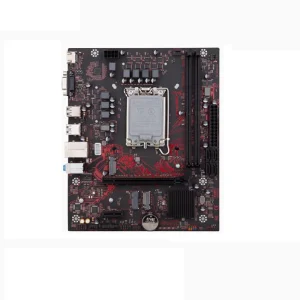
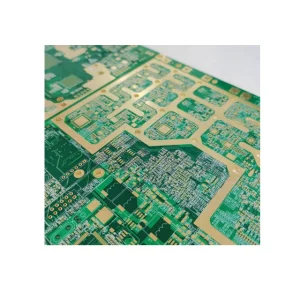
Using 8-layer to 10-layer PCBs ensures signal integrity and prevents interference, maintaining stability at higher frequencies and temperatures.
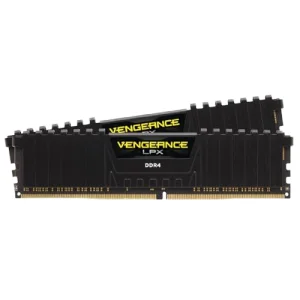
Anodized aluminum heat sinks, RGB light guide customizations, and custom designs ensure optimal cooling during intense workloads.
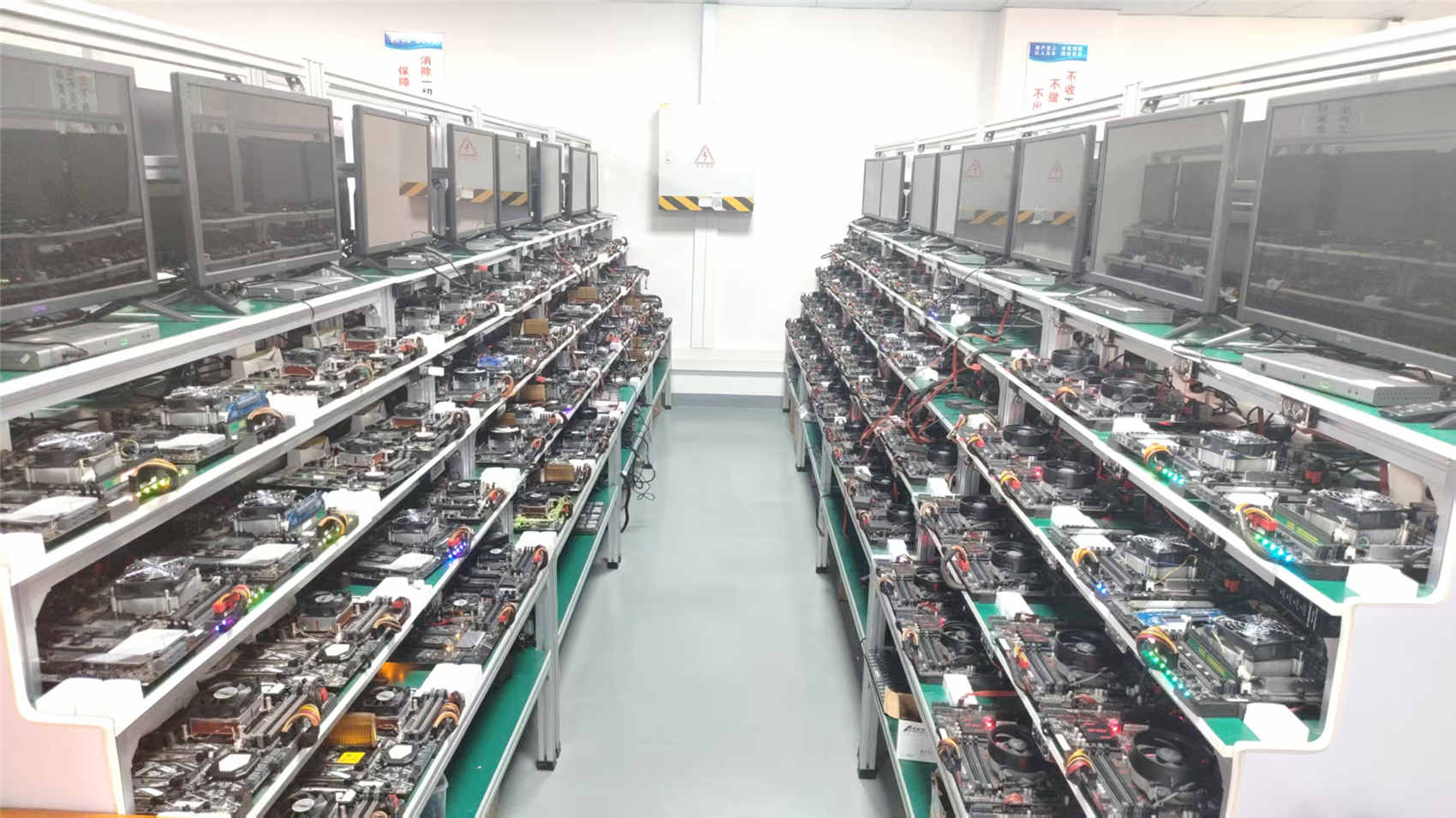
Consistency is key in DRAM manufacturing. A single unstable memory block can lead to system errors, blue screens, or corrupted files. Therefore, Novram Electronics implements a multi-phase testing framework:
Supported by an experienced team of 42 QC inspectors and 860 supply partners, the company handles projects from initial R&D prototype validation to container-level global logistics.
This comprehensive testing approach guarantees that each DDR4 or DDR5 module meets international performance and reliability standards.

A quick overview of key technical specifications for global procurement and planning.
| Specification Metric | DDR4 Gaming Modules | DDR5 Gaming Modules | Enterprise/Server Equivalents |
|---|---|---|---|
| Data Rates / Speed | 1600MHz to 3200MHz (JEDEC) / Up to 4400MHz (OC) | 4800MHz to 6000MHz+ (JEDEC) / Up to 8000MHz+ (OC) | 3200MHz to 5600MHz (ECC Registered) |
| Operating Voltage | 1.2V - 1.35V (1.45V for extreme OC) | 1.1V - 1.25V (Reduced power envelope) | 1.1V - 1.2V |
| Power Management | On-Motherboard Design | On-DIMM PMIC (Enables precise tuning) | On-DIMM PMIC with Telemetry |
| Channel Architecture | 1x 64-bit Channel | 2x 32-bit Subchannels (Independent) | 2x 32-bit Subchannels + ECC bits |
| On-Die ECC | Not Supported | Standard (Improves high-speed signal integrity) | Mandatory + Sideband ECC Support |
Get answers to key questions about sourcing, compatibility, and custom designs.
We source original DRAM dies directly from major manufacturers, including SK Hynix (A-die and M-die), Samsung, and Micron. This allows us to select ICs that match our customers' targets for frequency, latency, and budget, ensuring stable overclocking.
Every batch undergoes extensive validation testing on major consumer platforms (Intel and AMD) and motherboard brands like ASUS, MSI, Gigabyte, and ASRock. We test both JEDEC standard profiles and Intel XMP 3.0 or AMD EXPO overclocking profiles to ensure reliable, plug-and-play performance.
We offer full customization, including custom aluminum heat sinks (with custom colors, logos, and designs), custom PCB designs (such as matte black, white, or red), unique SPD profiles, customized RGB lighting configurations, and branded retail packaging.
For standard OEM orders using existing designs, production takes about 7 to 15 working days, depending on chip availability. Custom ODM projects requiring new tooling or custom heat spreaders usually require 25 to 35 days, including verification and compatibility checks.
We offer a lifetime warranty on consumer DRAM modules. All shipments undergo thorough testing, but if any functional defects arise during standard operation, we provide replacements in the following batch or issue credits after evaluating the returned hardware.
Browse our selection of high-frequency desktop modules, server components, and custom PCBs.