Novram
Novram
Novram
The global transition towards carbon neutrality has elevated industrial LED lighting from simple illumination systems to complex optoelectronic ecosystems. Today's commercial, logistics, and heavy industrial facilities require smart, resilient, and highly durable LED structures. Novram Electronics Co., Ltd., leveraging its deep heritage in solid-state electronics, advanced semiconductor assembly, and complex thermal dynamics, delivers next-generation LED solutions configured for peak performance, extreme environmental resilience, and AI-enabled control architectures.
Modern LED lighting efficiency is fundamentally limited not by the diode itself, but by the electrical control system (drivers), thermal dissipation pathways (heatsinks), and the smart computing architectures that regulate power cycles. By integrating high-end engineering, precision SMT production, and comprehensive thermal modeling, we design lighting solutions that transcend standard expectations of durability and energy conservation.

B2B buyers face massive operational overheads and regulatory pressure to reduce energy consumption. Discover how our strategic integration of advanced electronics elevates system performance.
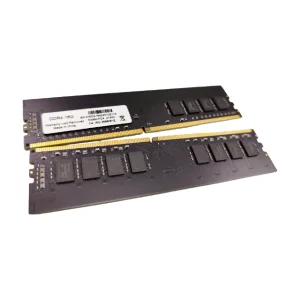
Modern commercial properties are moving beyond static fixtures. Today’s systems rely on IoT-enabled drivers that utilize wireless meshes (Zigbee, Bluetooth Mesh, Wi-Fi 6) or wired architectures (DALI-2, PoE). These control panels demand microcontrollers and high-speed memory buffers to manage real-time occupancy data, ambient light harvesting, and load-shedding commands.
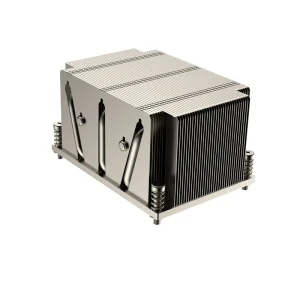
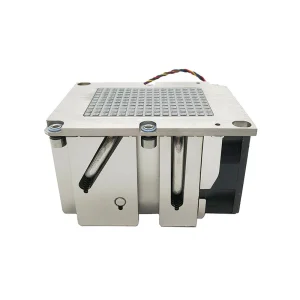
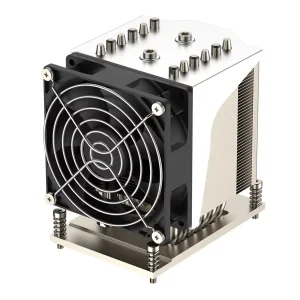
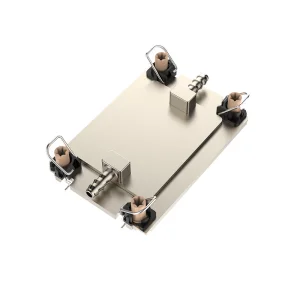
Thermal management is the single most critical factor for high-output LED deployments (stadiums, high-bay warehouses, shipping ports). The junction temperature directly correlates to lumen depreciation (L70 lifetime). By utilizing our server-grade copper and aluminum composite heatsink technologies, we achieve a thermal resistance decrease of over 25% compared to traditional casted aluminum.
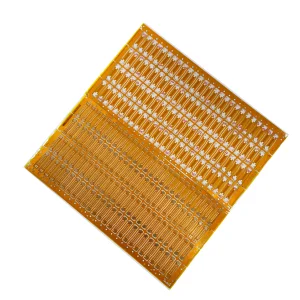
Driver failure accounts for up to 80% of premature LED system breakdowns. High-power industrial grids are rife with harmonic distortion, voltage surges, and transient spikes. Our premium LED drivers utilize active power factor correction (PFC) circuitry, robust capacitor design, and customized FPC multi-layer boards to survive unstable power inputs and deliver clean, ripple-free current.
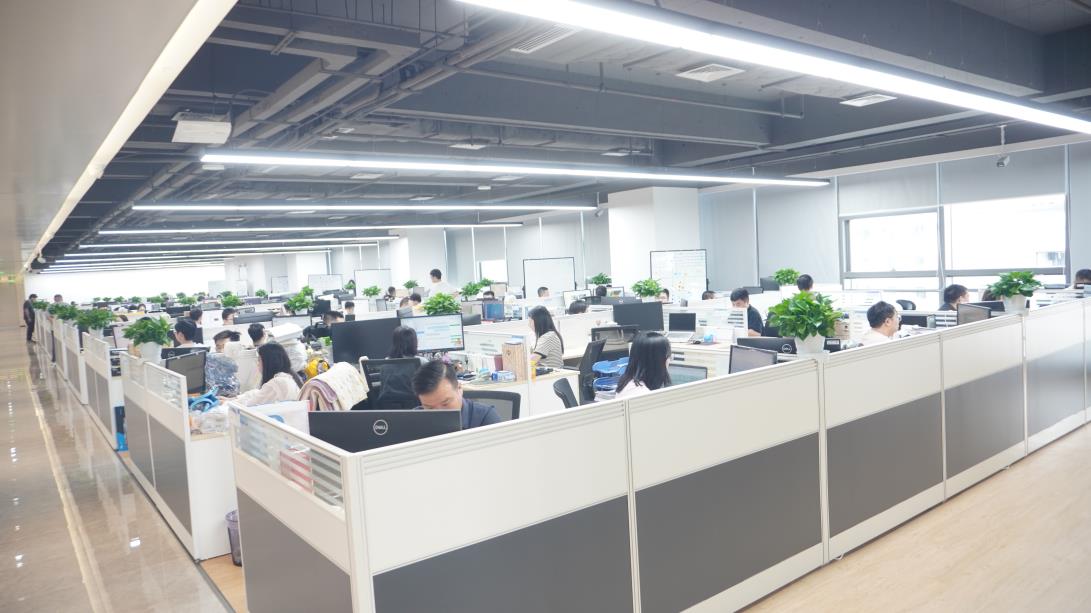
Developing components for tomorrow's adaptive ecosystems. Our R&D center, staffed by 76 veteran engineers, continuously maps the future of solid-state electronics integration.
Gallium Nitride (GaN) semiconductors represent the next paradigm in power conversion. By shifting from standard silicon MOSFETs to GaN technology in our driver designs, we reduce driver footprint by 40% while pushing conversion efficiency to an unprecedented 96.5%. This minimizes localized heat generation, further extending driver life in enclosed high-bay housings.
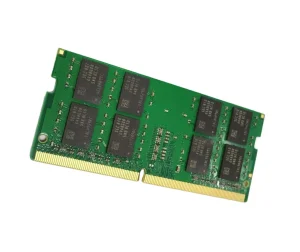
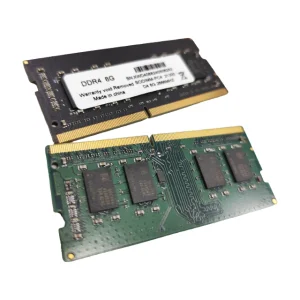
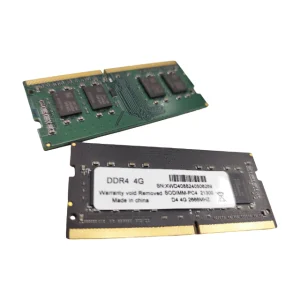
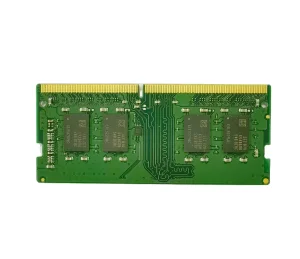
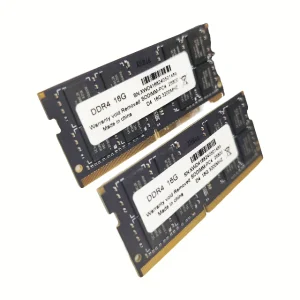
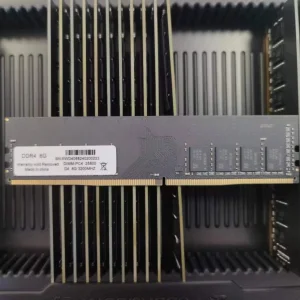
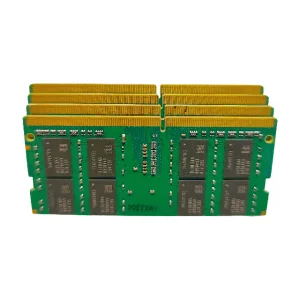
Future smart cities require streetlights that act as distributed computing nodes. These nodes monitor local traffic, execute optical processing, and manage ambient environment sensors. Our embedded computing systems, integrating high-speed DDR4/DDR5 memory modules and multi-layer logic boards, allow lighting structures to run deep neural networks locally, reducing network latency and bandwidth costs.
Advanced spectral tuning is reshaping commercial agriculture and workspaces. Using our custom FPC circuits and multi-channel driver interfaces, our systems dynamically adjust PAR (Photosynthetically Active Radiation) wavelengths for vertical farms, or shift color temperatures (from 2200K to 6500K) inside corporate headquarters to align with human circadian rhythms.
Municipal streetlighting demands severe weatherproofing and remote diagnostic capabilities. By pairing our thermal dissipation components with IoT controllers and local data hubs, municipal grids can automatically report component failures, throttle energy use during low-traffic periods, and maintain stable illumination across ambient operating ranges of -40°C to +60°C.
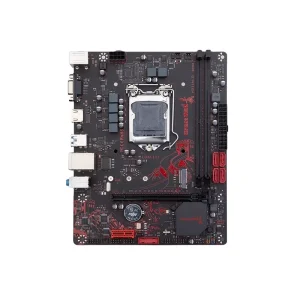
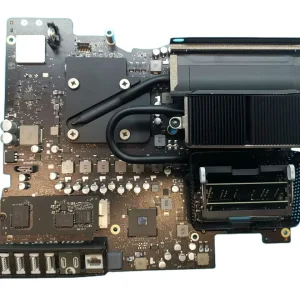
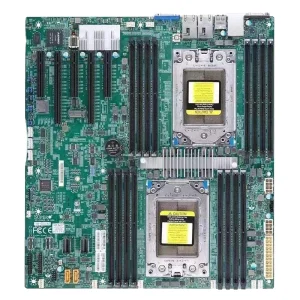
Data centers present a unique operating environment with constant ambient heat loads and electromagnetic interference (EMI). Our low-EMI LED solutions, powered by customized, shielded motherboards and copper-aluminum composite heatsinks, offer clean, high-CRI lighting that ensures zero interference with server racks, while keeping driver operation cool and reliable.
Petrochemical plants, grain silos, and mining facilities need explosion-proof, highly sealed luminaires. Our advanced SMT production line integrates high-density component mounting onto flexible and rigid PCBs with high dielectric strength, ensuring that thermal dissipation modules keep the chassis surface temperature below ignition thresholds.
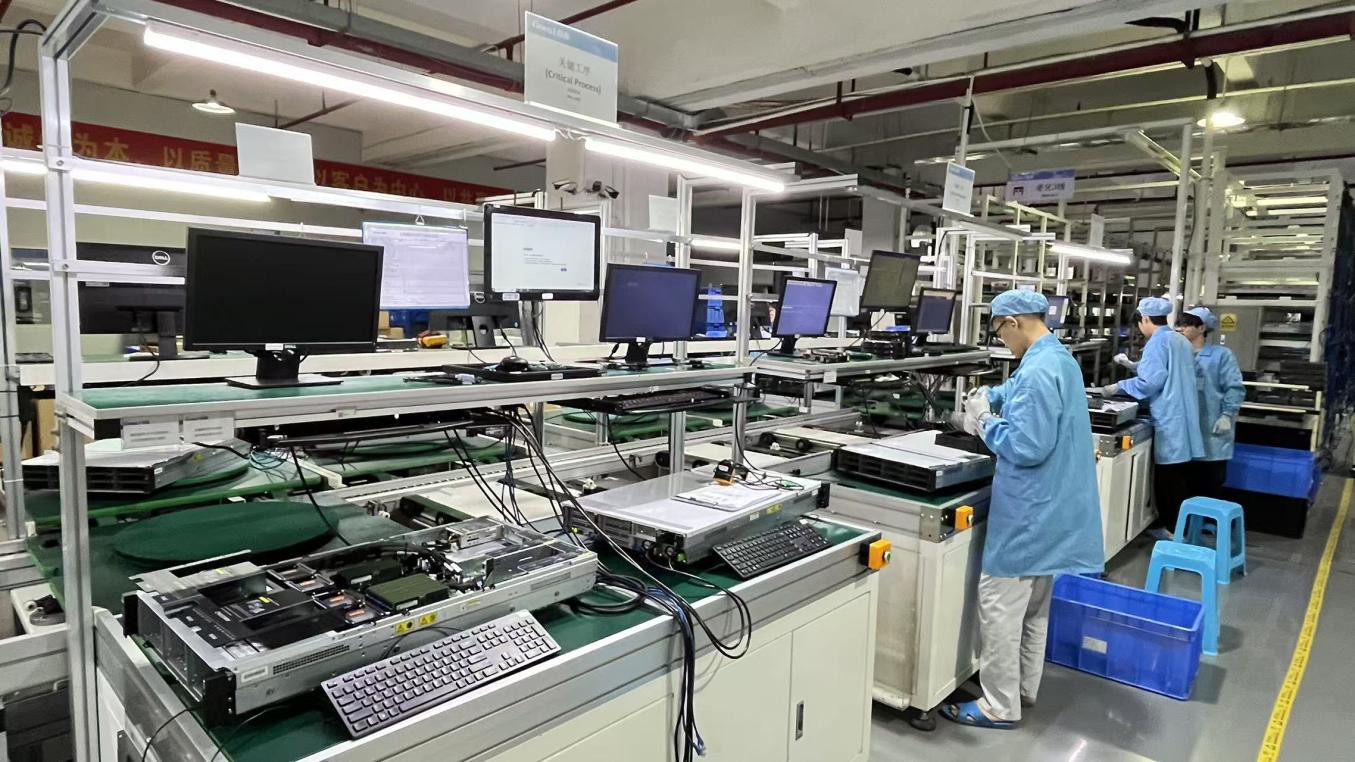
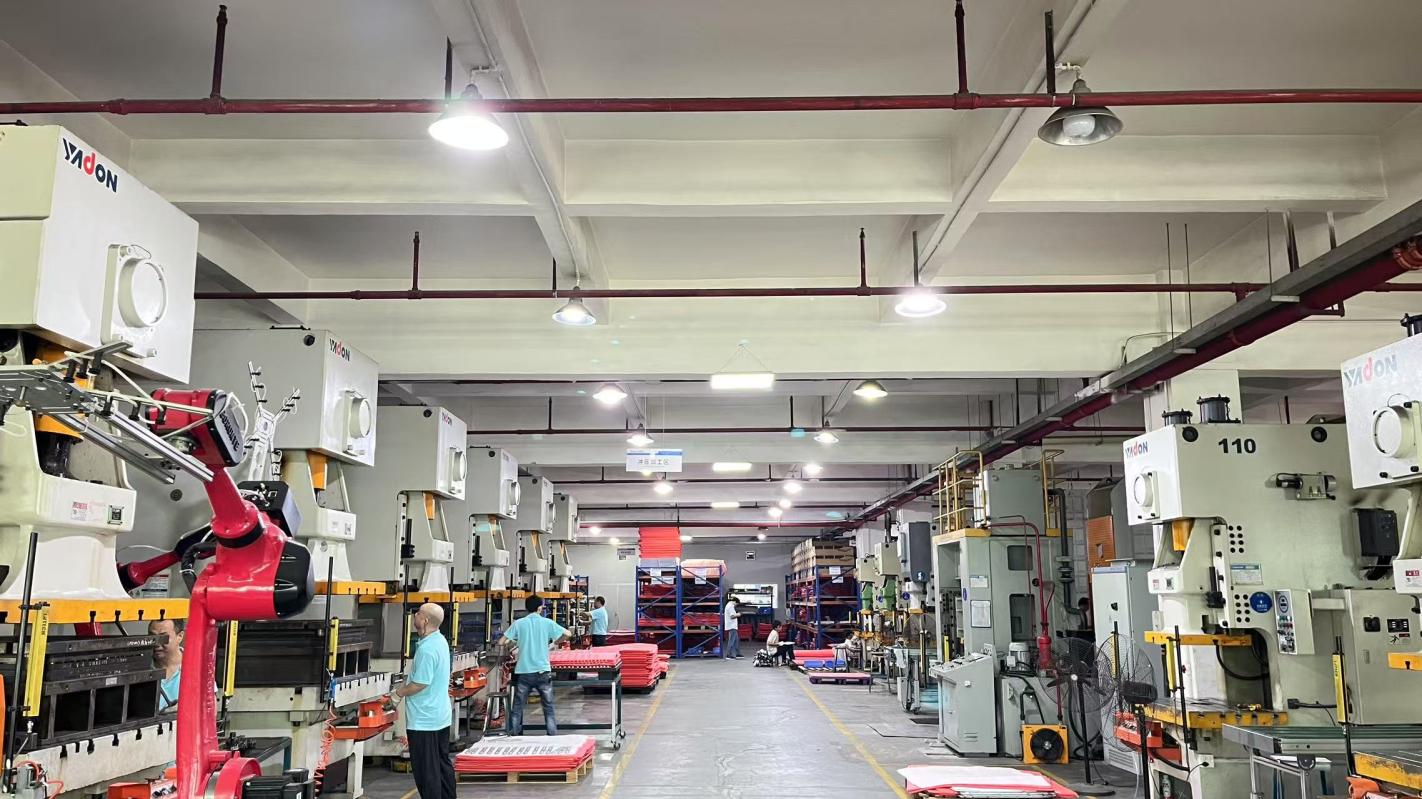
Novram Electronics Co., Ltd., based in the global hardware capital of Shenzhen, China, operates a state-of-the-art 3,860㎡ facility designed to support complex high-mix, low-volume and high-volume electronic manufacturing. Operating since 2016, we have cultivated a robust ecosystem of over 860 qualified supply chain partners, guaranteeing component availability even during global semiconductor shortages.
We deploy high-speed automated placement machines, multi-zone reflow ovens, and intelligent optical inspection (AOI) lines. Our engineering department (comprising 76 dedicated R&D personnel) works in tandem with our quality control division of 42 professional inspectors to guarantee a defect rate under 0.05%. Every batch is subjected to comprehensive thermal cycle testing, physical vibration simulation, and real-time burn-in analysis.
Exporting to more than 40 countries, Novram Electronics maintains absolute compliance with regional directives, ensuring smooth customs clearance, simplified local utility incentives, and risk-free integration.
Our entire supply chain restricts hazardous substances, complying with standard RoHS certifications. Our driver components, FPC substrates, and complete assemblies carry CE marks, meeting all European health, safety, and environmental standards.
High-frequency electrical switching in LED drivers can introduce radio frequency interference. Our designs undergo stringent electromagnetic compatibility (EMC) testing, satisfying FCC Part 15 subpart B regulations to avoid disruption of local telecommunication networks.
To help clients qualify for utility rebates and federal tax incentives, our LED driver and board designs focus on high lumens-per-watt metrics, exceeding standard efficiency benchmarks set by the DesignLights Consortium (DLC).