Novram
Novram
Novram
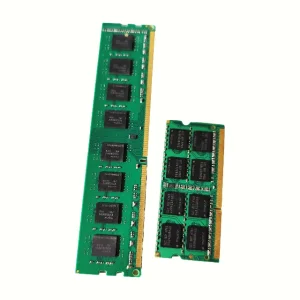
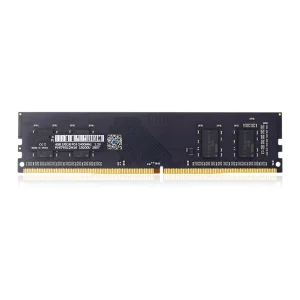
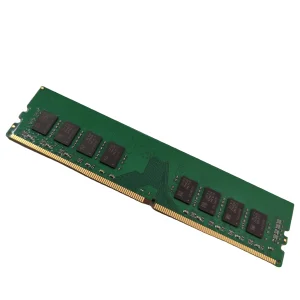
Explore our baseline high-stability DDR4, DDR3 ECC / non-ECC modules, server-level components, and custom-designed processor interfaces engineered to function in environments requiring round-the-clock uptime.
As industrial operations shift from localized automation to real-time Edge AI computing, the hardware requirements for RAM have transformed from sheer volume to fault tolerance and environmental survivability.
Modern factory automation systems, high-speed rail lines, remote telecommunications transceivers, and clinical healthcare systems demand memory that functions beyond typical limits. Industrial RAM stands out from commercial consumer RAM due to its strict component selection, thermal engineering, and tolerance to physical shocks.
The global transition from DDR4 to DDR5 is redefining industrial capabilities. DDR5 introduces On-Die Error Correction Code (ODECC), which manages errors within the silicon wafer itself before the data reaches the CPU. This architectural upgrade minimizes data corruption risks during high-temperature cycles and heavy computational workloads, paving the way for safer edge processing.
• Thermal Range: Wide-temperature support operating from -40°C up to 85°C.
• Signal Protection: Anti-sulfuration resistors prevent failures in high-sulfur or humid environments.
• Energy Efficiency: Reduced power consumption down to 1.1V for advanced DDR5 applications, lowering thermal output.
Industrial applications require qualified configurations. A locked Bill of Materials (BOM) guarantees that the DRAM dies, PCB layers, and passive components do not change without notice, preventing system integration mismatches.
Full manufacturing traceability ensures that components can be audited. This verification protocol reduces the threat of counterfeit chips and matches the reliability targets required by medical and transport systems.
Industrial machinery often has service lifespans exceeding a decade. Sourcing partners must guarantee product supply support paths, helping buyers avoid costly redesigns when consumer platforms phase out older standards.
Novram Electronics Co., Ltd. is an established manufacturer of high-performance DRAM solutions, serving global OEM, ODM, and industrial clients. Headquartered in Shenzhen, China, we have expanded our capacity to address critical needs in consumer electronics, automotive computers, industrial control systems, and enterprise data storage networks.
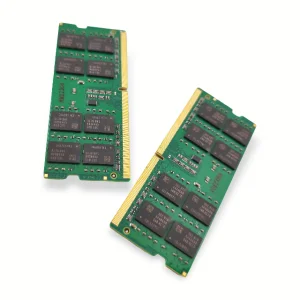
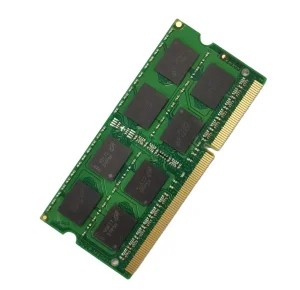
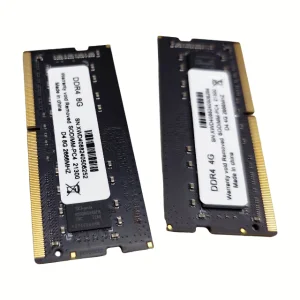
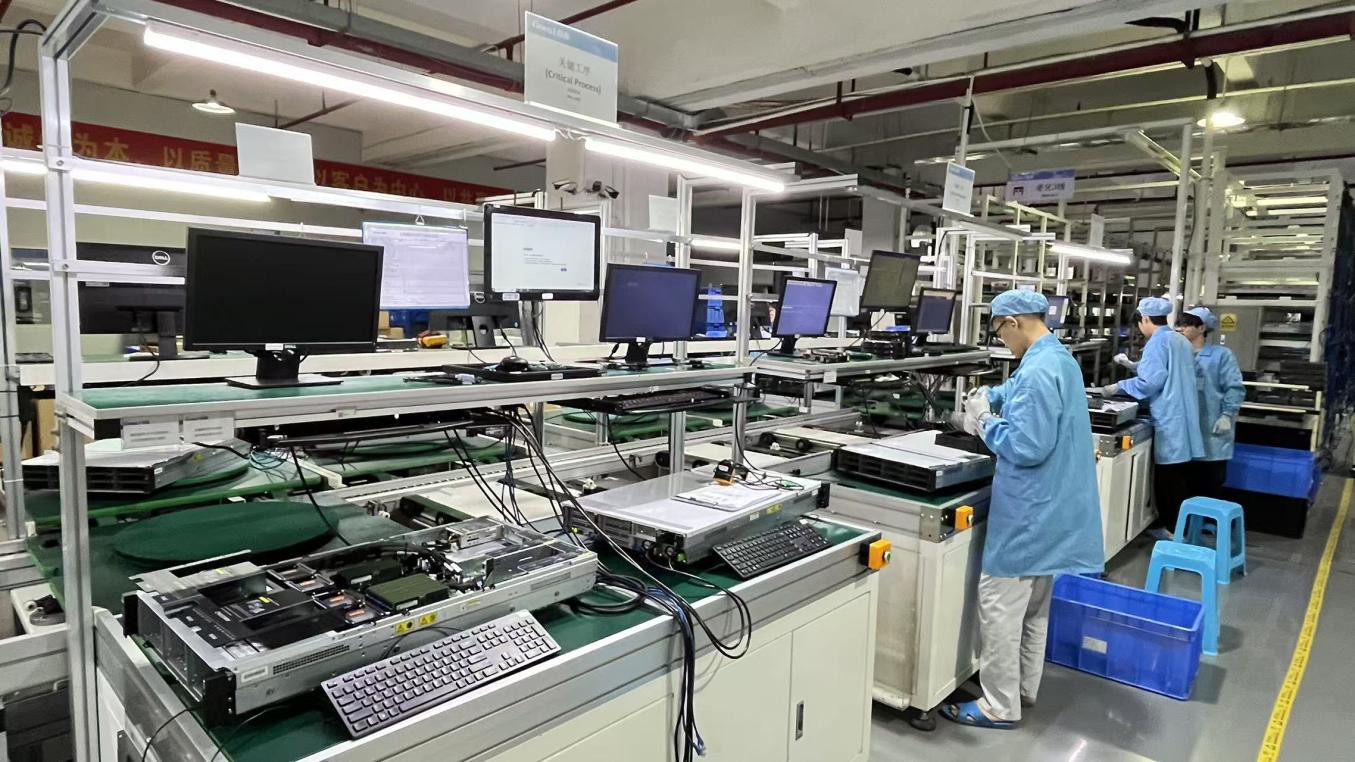
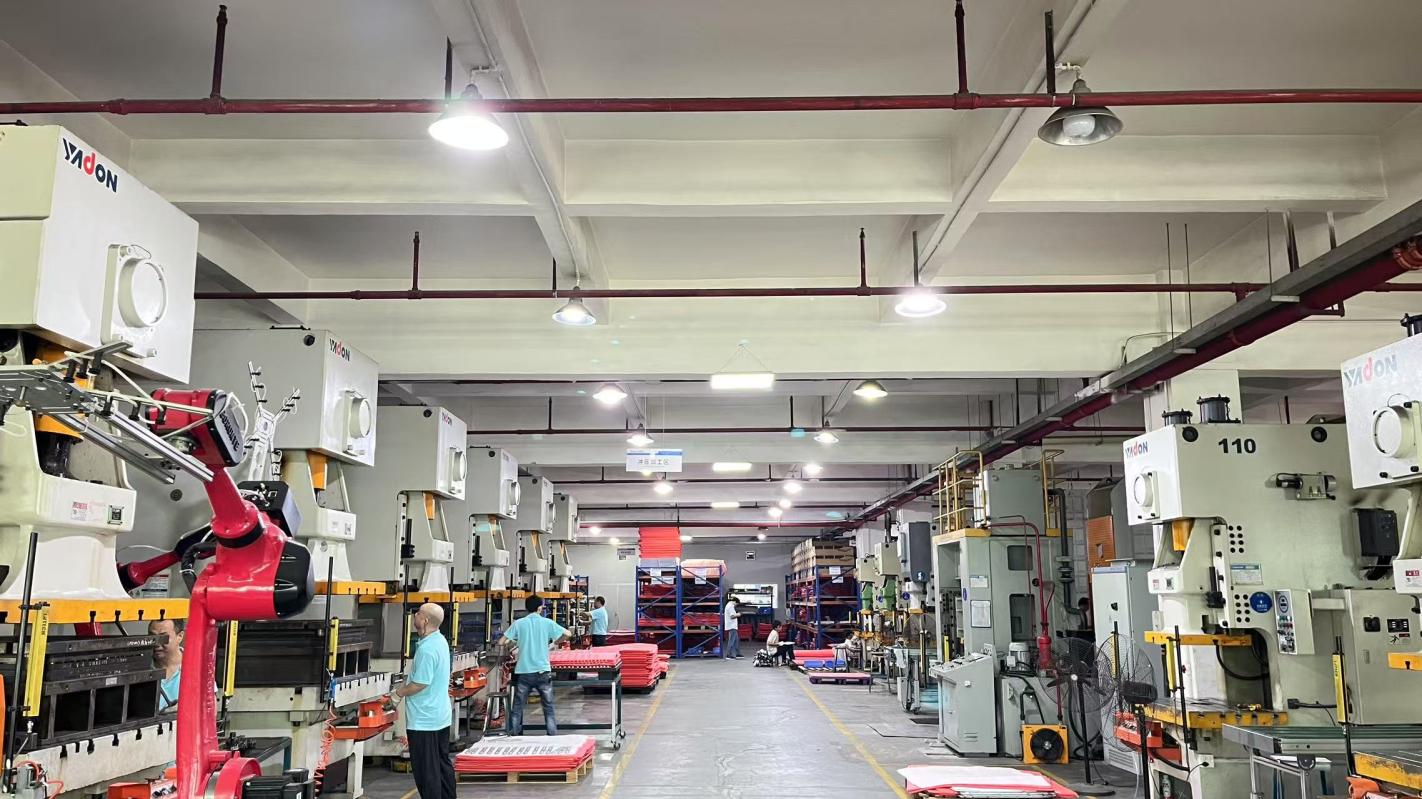
From our modern 3,860m² manufacturing facility, Novram combines advanced automated assembly, surface-mount technology (SMT), and testing procedures. Our production plant ensures that every memory module, whether high-density DDR5 server DIMMs or standard legacy DDR3/DDR4 SO-DIMMs, matches international regulatory and stability standards.
Backed by 9 years of industry experience and 7 years of international trade operations, Novram serves corporate customers across 40 countries, generating an annual export revenue of roughly US$18.6 million. We maintain relationships with over 860 qualified supply chain partners to secure high-quality component supplies even during tight market conditions.
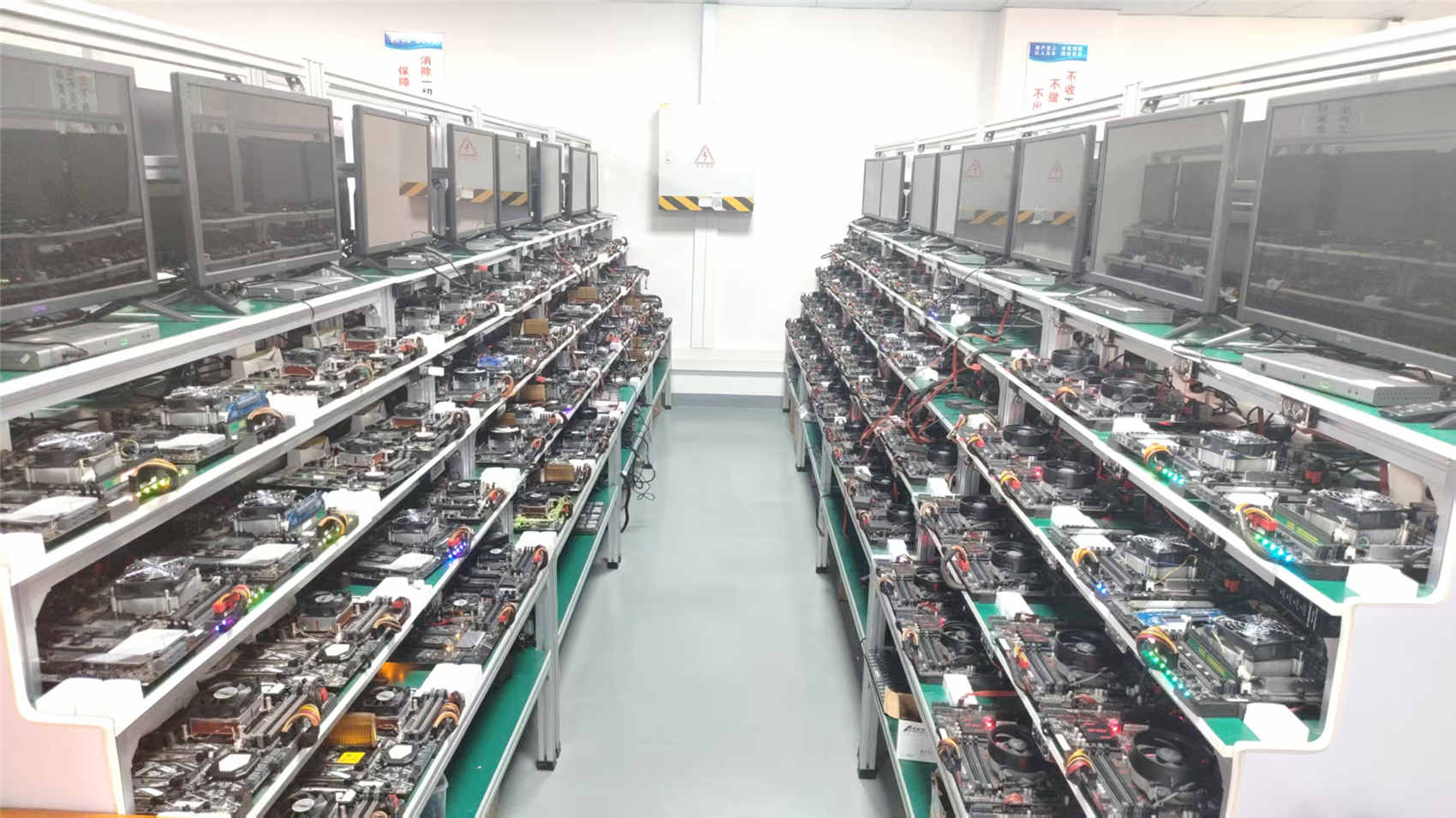
To maintain reliable performance, every module undergoes a strict validation protocol, including 100% functional testing, motherboard compatibility checks, burn-in validation, temperature stress testing, and signal-integrity verification before shipment.
Manufacturing industrial memory modules involves more than assembling components; it requires managing complex, fast-moving supply chains. Shenzhen's electronics ecosystem offers access to silicon substrate suppliers, passive components, logic controllers, PCB fabricators, and specialized thermal solution developers.
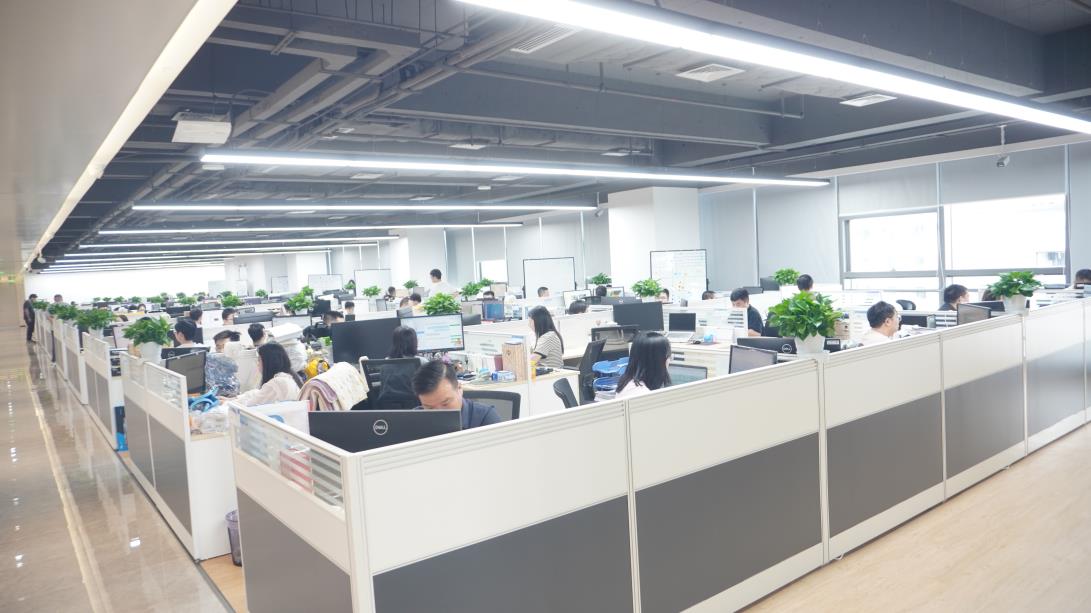
Novram Electronics utilizes this ecosystem to keep lead times short, adapt production to customer needs, and maintain cost efficiency. Our R&D center, staffed by 76 design engineers, introduces approximately 138 customized configurations annually. This capacity allows us to meet specific packaging, private labeling, capacity adjustments, and customized firmware requirements without long development delays.
Furthermore, our relationships with over 860 certified raw material suppliers mitigate the impact of chip allocation shortages. By securing bulk allocations of DRAM components directly from primary wafer packaging providers, we help protect clients from pricing volatility and unexpected supply gaps.
This supply chain control supports our customer base, which includes DRAM brands, industrial PC builders, systems integrators, and electronics distribution networks in more than 40 countries.
Modern production lines use Edge controllers to run complex algorithms. Our high-speed DDR4 and DDR5 memory modules provide the low latency and continuous performance needed to prevent line shutdowns.
Subways, trains, and fleet management computers experience frequent vibration and changing temperatures. ECC configurations help identify and correct single-bit errors, keeping critical transit software stable.
Industrial routers and IoT gateways process high volumes of network packets. Our low-voltage, high-capacity RAM runs 24/7 with minimal thermal load, helping to extend the lifecycle of network equipment.
Industrial systems operate continuously, and electromagnetic interference (EMI), heat, and atmospheric radiation can occasionally cause a single bit of memory to flip (changing a 0 to a 1). While standard memory may crash or corrupt files in this situation, ECC memory uses extra parity bits to detect and correct single-bit errors on the fly. This prevents application crashes and maintains system integrity in high-uptime systems.
In consumer computers, memory components like DRAM chips and board revisions may change depending on cost and availability. However, in medical, aerospace, or industrial systems, changing even a minor component can require a complete recertification of the hardware. A fixed BOM ensures that the exact silicon brand, product revision, and circuit layouts remain identical throughout the lifecycle of the project, saving time and testing costs.
Our quality control program consists of 42 QC inspectors operating a multi-step test process: 100% functional checking, software compatibility matrix testing (across Intel and AMD architectures), high-temperature stress testing in aging chambers, and physical vibration simulation to check mechanical durability.
No. DDR5 memory modules use a different pin layout and key location than DDR4 to prevent incorrect installation. DDR5 also features a different electrical architecture: it uses two independent 32-bit subchannels on a single module and moves the Power Management Integrated Circuit (PMIC) onto the memory board itself rather than the motherboard, lowering motherboard design complexity.
Our 76 R&D engineers provide custom services including PCB size modifications, SPD firmware tuning for legacy systems, custom thermal spreader designs, private labeling, brand packaging, and high-density validation for specialized server storage devices.
With 7 years of export experience and relationships with 860+ logistics and raw material partners, we maintain a buffer stock of key silicon components. This allows us to keep lead times stable and fulfill bulk orders reliably, even during global supply shortages.
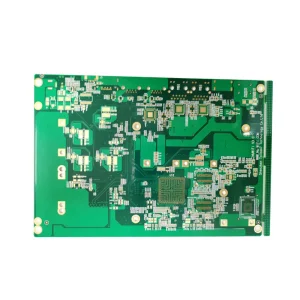
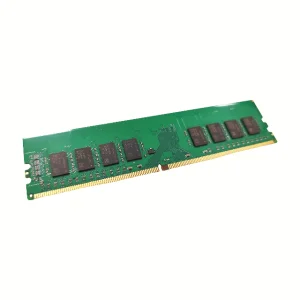
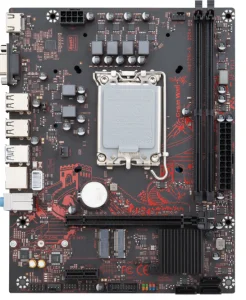
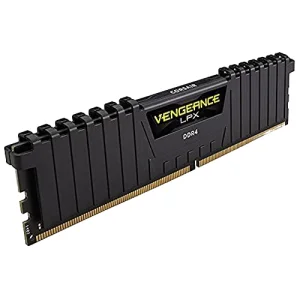
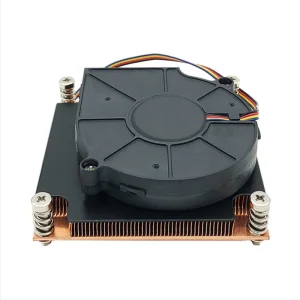
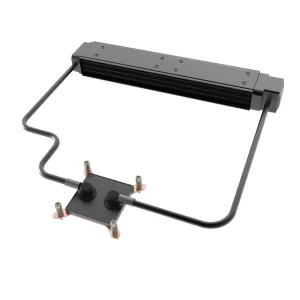
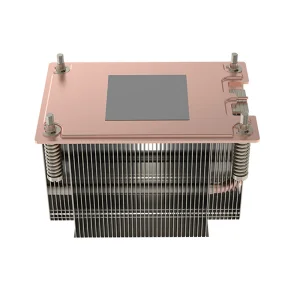
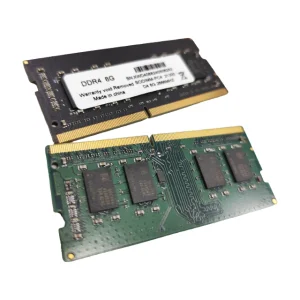
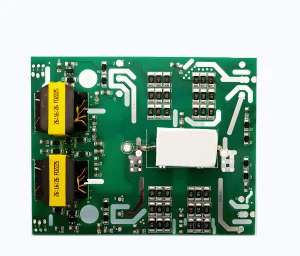
Browse our selection of desktop memory modules, custom multilayer printed circuit board assemblies, and active thermal cooling kits designed for high-density servers and electronics enclosures.