Novram
In the digital-first era, the camera module has transcended its role as a mere image-capturing tool. Today, it serves as the "eyes" of Artificial Intelligence, a critical component in the Internet of Things (IoT), autonomous vehicles, medical diagnostics, and smart industrial automation. China has emerged as the global epicenter for camera module manufacturing, accounting for over 70% of the world's production capacity. This white paper explores why leading global enterprises choose China Wholesale Camera Module Factories to anchor their technological roadmaps.
Sourcing from China offers more than just cost savings; it provides access to a vertically integrated ecosystem. Factories in Shenzhen and surrounding tech hubs integrate CMOS image sensor (CIS) sourcing, VCM (Voice Coil Motor) manufacturing, and advanced Optical Lens assembly within a 50-mile radius. This "Industry Gravity" allows for:
A high-quality camera module is a symphony of components. Professional suppliers in China prioritize the Information Gain of their hardware by selecting premium sensors from Sony, Samsung, and OmniVision. But the true expertise lies in the Image Signal Processor (ISP) tuning. Our partners focus on:
Capturing detail in both extreme shadows and bright highlights, crucial for outdoor surveillance and automotive safety.
Advanced pixel binning technology and larger aperture lenses (f/1.6 or wider) for 24/7 color imaging.
Integrating NPU (Neural Processing Unit) directly into the module for real-time face recognition and object detection.
The versatility of Chinese camera modules allows them to pivot across diverse sectors. As a senior SEO Growth Director would analyze, the "Search Intent" for these products often boils down to specific high-value use cases:
Modern vehicles require up to 12 camera modules for 360-degree viewing, lane departure warnings, and driver monitoring. China factories specialize in Automotive-Grade modules that withstand extreme vibrations and temperatures (-40°C to +105°C).
High-frame-rate (HFR) global shutter camera modules are the backbone of smart factories, enabling robots to "see" defects on high-speed production lines with sub-millimeter precision.
The trend towards miniaturization (modules as small as 1mm x 1mm) has revolutionized non-invasive surgery and diagnostic imaging, where China's micro-lens technology leads the market.
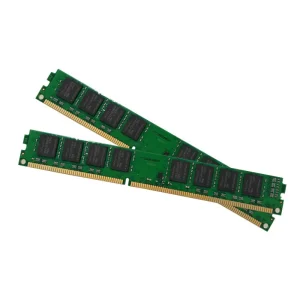
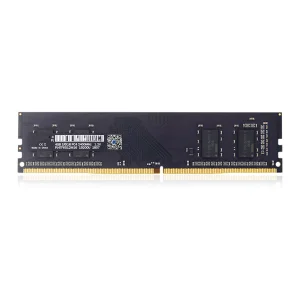
Novram Electronics Co., Ltd. is a professional manufacturer based in Shenzhen, China, dedicated to delivering high-performance DRAM and integrated computing solutions for global OEM, ODM, and industrial customers. Since our establishment in 2016, we have applied the same rigorous standards required in high-tech imaging to our memory and motherboard production.
Operating from a modern 3,860㎡ manufacturing facility, we integrate advanced SMT lines and strict quality management. With 9 years of industry experience, we understand that reliability is the cornerstone of any electronic system—whether it’s a server memory module or a high-definition camera sensor.
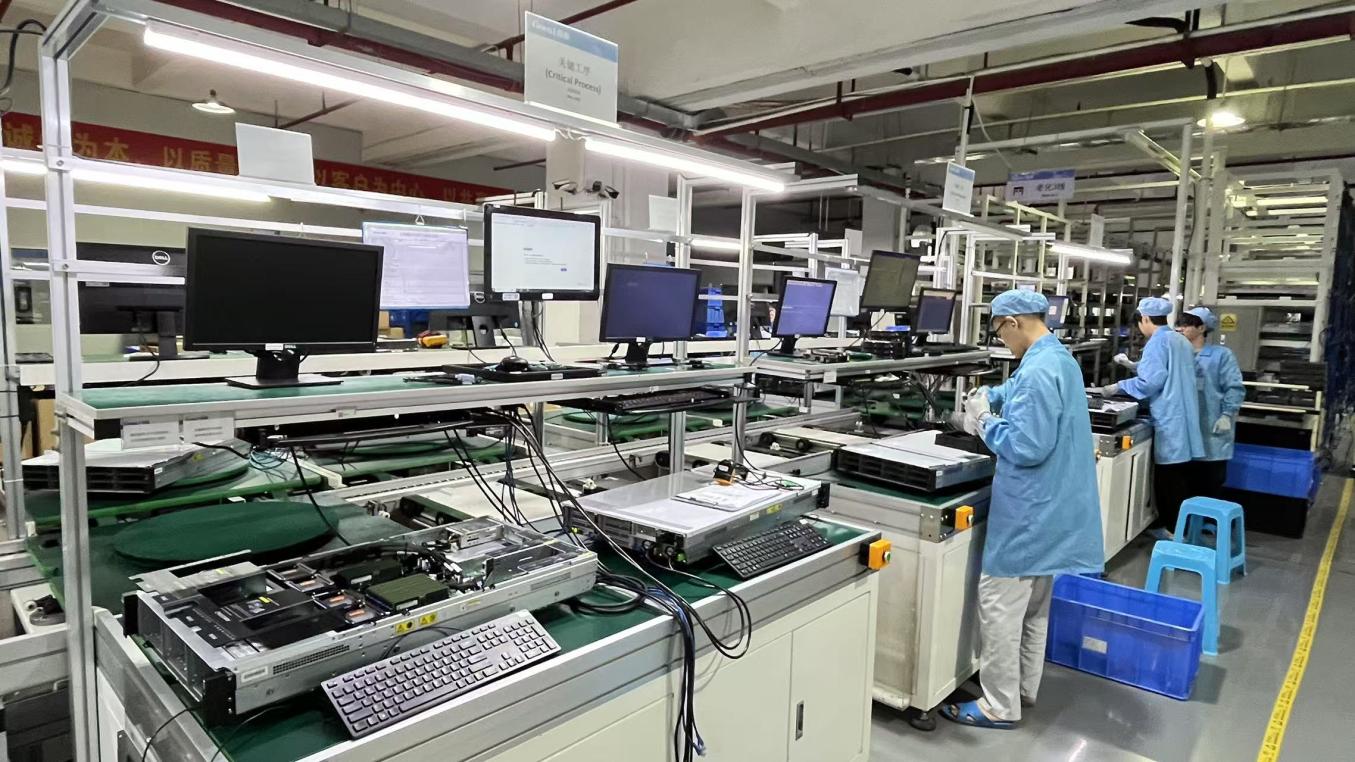

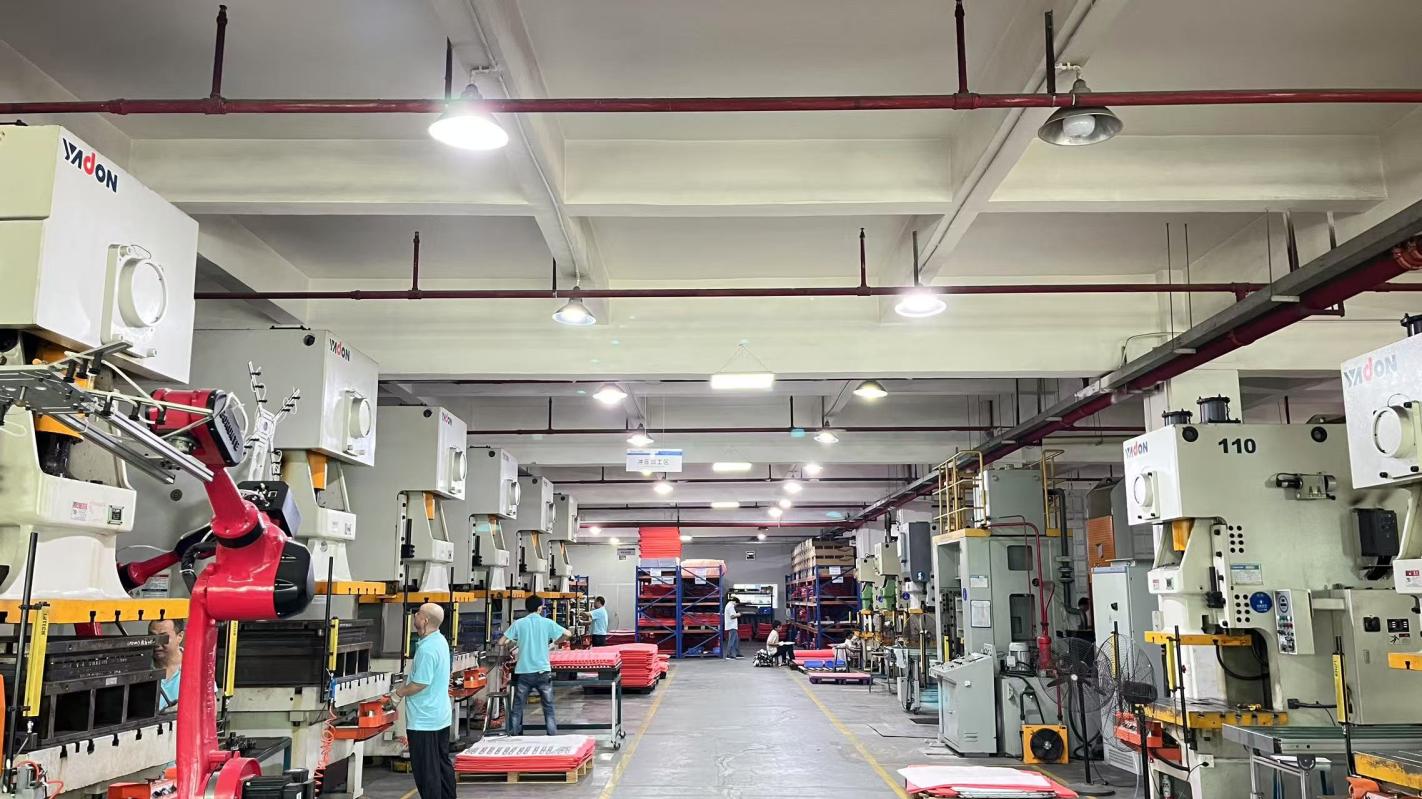
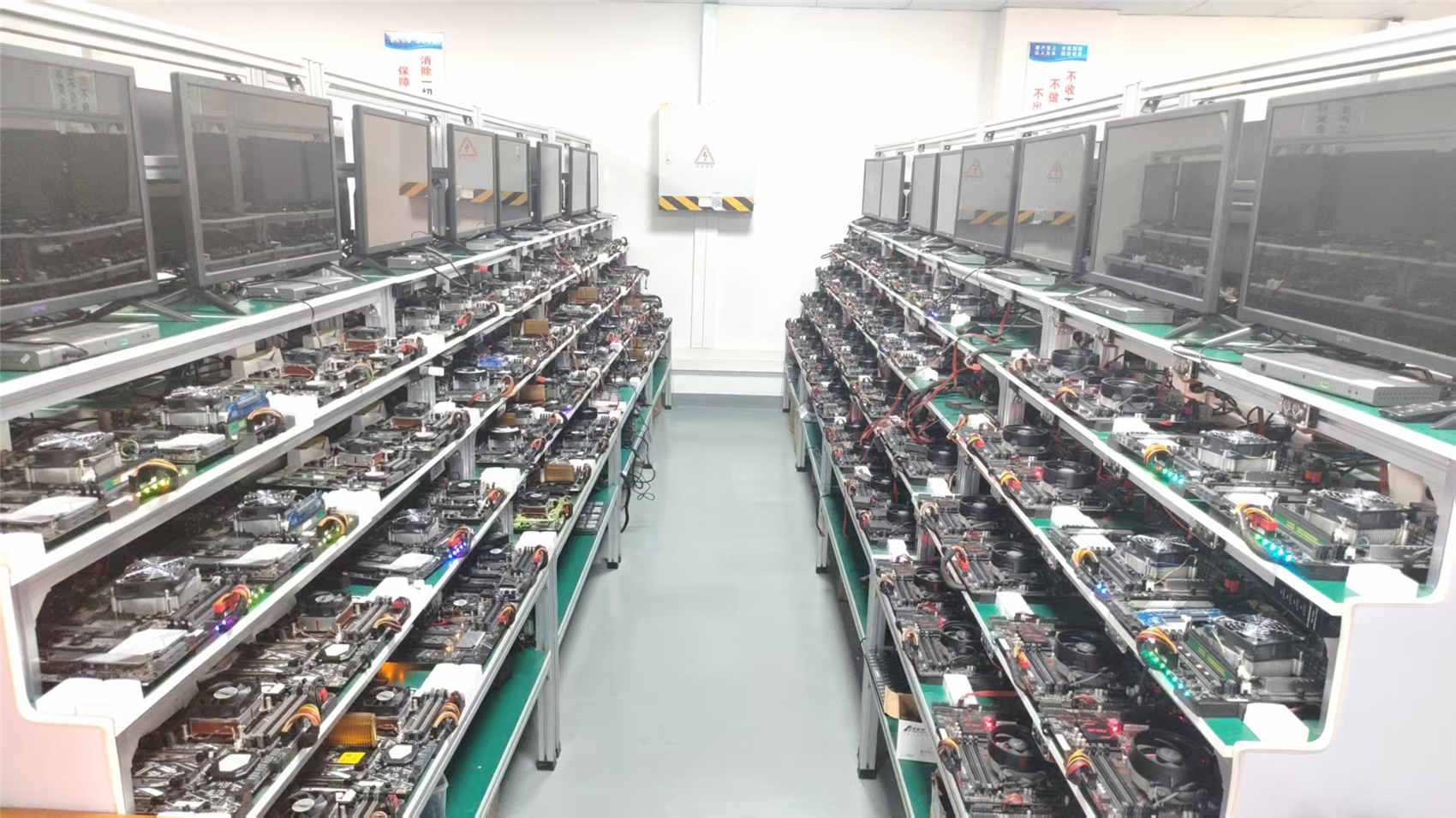
Quality is at the core of everything we do. Our team of 42 professional inspectors ensures that every component undergoes 100% functional testing. We support our global partners through our dedicated R&D center, staffed by 76 experienced engineers who push the boundaries of what is possible in electronic hardware.
When selecting a China Camera Module Supplier, global procurement managers must evaluate several E-E-A-T factors to mitigate risk:
1. ToF (Time of Flight) 3D Sensing: Moving beyond 2D images to spatial mapping for AR/VR and secure facial recognition.
2. Under-Display Cameras: Pushing the boundaries of smartphone and laptop design aesthetics.
3. Sustainable Manufacturing: A shift towards recyclable plastics and reduced energy consumption in cleanroom operations.
A: For standard modules, MOQs can be as low as 100-500 units. For fully customized OEM designs involving new FPC molds or lens tooling, MOQs typically start at 1,000 to 5,000 units.
A: Quality is maintained through Class 100 and Class 1000 cleanrooms to prevent dust particles, automated optical inspection (AOI), and active alignment (AA) machines that ensure the sensor and lens are perfectly centered.
A: Yes, professional suppliers provide UVC (USB Video Class) drivers for Windows/Linux/Android and specific kernel drivers for ARM-based platforms like Raspberry Pi or Jetson Nano.
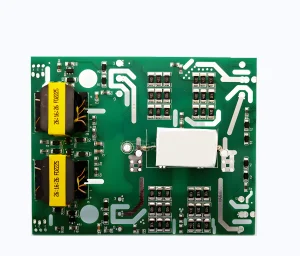
A: SMT (Surface Mount Technology) is used for basic components, while COB (Chip on Board) involves wire-bonding the sensor directly to the PCB, offering better thermal performance and a smaller footprint.