Novram
Novram
Novram
High-performance processing power, robust double-layer printed circuit boards, server-grade cooling systems, and memory components form the backbone of modern, high-refresh-rate LED video walls.
The global demand for high-performance LED display systems has evolved rapidly from basic static advertising boards to dynamic, smart visual environments. Today, industries span beyond outdoor advertising (DOOH) into critical operations control rooms, broadcast studios, virtual production sets (XR/VP), smart corporate workspaces, high-end retail experience centers, and public transportation hubs.
Modern architectures demand pixel pitches below 1.2mm (Fine-Pitch / Mini-LED / Micro-LED) alongside high-speed image processing modules and massive bandwidth. Achieving smooth 120Hz refresh rates, low display latency, and true HDR rendering requires a deep integration of premium driver IC architectures and highly stable PCB platforms. To avoid physical panel failure and visual degradation, global integrators and commercial networks partner directly with tier-one Chinese manufacturing plants that provide localized certification alignment, full vertical design capabilities, and complete hardware reliability.
DOOH & Large Format: Moving toward energy-saving common cathode designs to reduce operational heat and power consumption by up to 30%.
Command and Control Rooms: High-density SMD and Chip-on-Board (COB) panels with redundancy in power supplies and receiver cards for 24/7 mission-critical operations.
XR & Virtual Production: Requiring ultra-high refresh rates (>7680Hz), optimized gray scales, low latency drivers, and extremely rigid mechanical structures to prevent moiré patterns on camera.
An LED display's quality is not determined solely by the visible LED light beads; it is defined by the underlying electronics. The stability of high-density PCB lines, processing speeds of sending cards, high-speed RAM buffers, and dissipation characteristics of CPU heat sinks dictate system longevity and color fidelity.
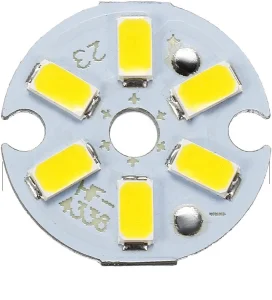
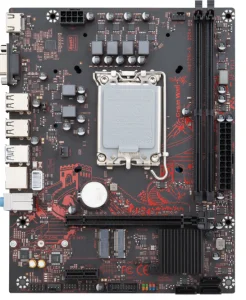
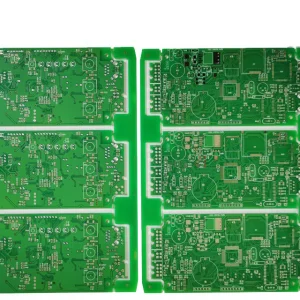
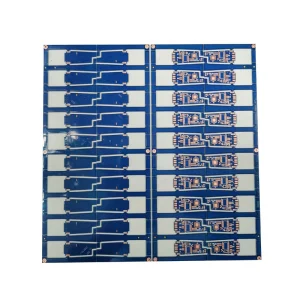
Advanced double-sided and multilayer printed circuit boards host driver ICs (such as Macroblock or Chipone) and LED beads. Robust board layouts eliminate parasitic capacitance, crosstalk, and impedance mismatch, ensuring stable signal transmission even in high-frequency scan systems.
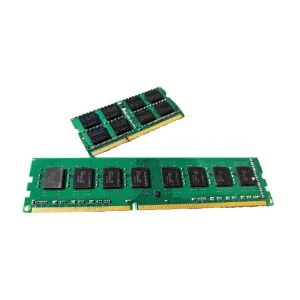
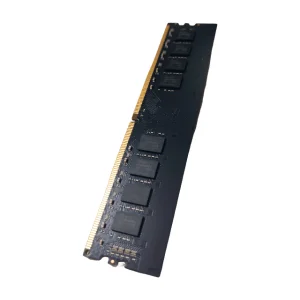
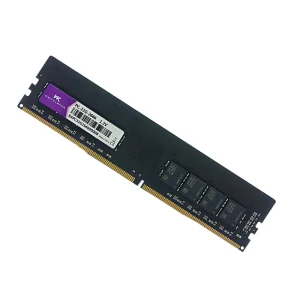
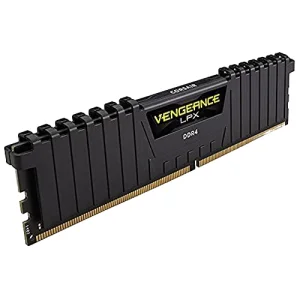
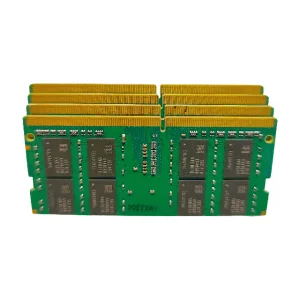
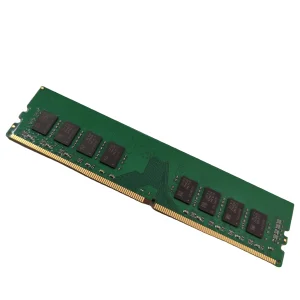
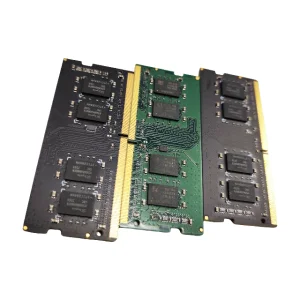
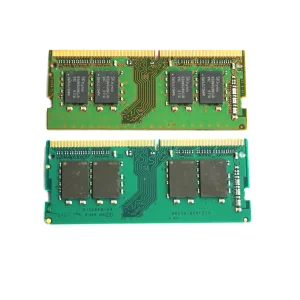
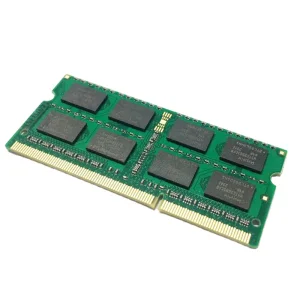
High-speed DDR4 and DDR5 memory modules act as intermediate buffers on sending and receiving cards. They enable real-time rendering of complex 4K and 8K 3D graphic pipelines, eliminating frame drops or tearing during live events and camera sync operations.
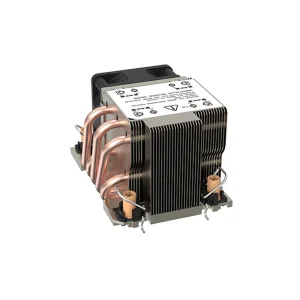
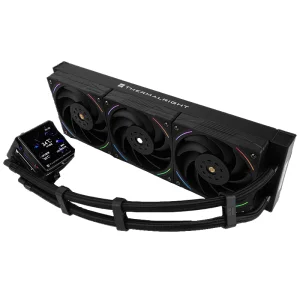
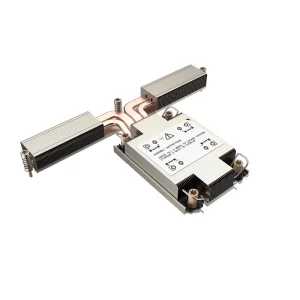
LED panels produce considerable thermal output. Using high-power aluminum extruded heat sinks, copper heat-pipes, and smart PWM fans in system control boxes maintains electronic temperature parameters, avoiding pixel degradation and thermal-induced color shifts.
China controls over 85% of the global LED display manufacturing supply chain, centered in the Shenzhen industrial zone. This high concentration enables unparalleled cost efficiencies and fast engineering iteration loops.
By optimizing the flow between bare PCB printing, driver component integration, SMT module placement, cabinet assembly, and final system inspection, Chinese factories deliver display packages at competitive rates without sacrificing regulatory or performance tolerances.
Global procurement teams benefit from reduced time-to-market and customized metal cabinets, power distribution boxes, dynamic cable routes, and controller card settings configured before transport.
Novram Electronics Co., Ltd. is a professional DDR5 memory manufacturer based in Shenzhen, China, dedicated to delivering high-performance DRAM solutions for global OEM, ODM, and industrial customers. Established in 2016, the company has grown into a reliable supplier of DDR5 memory modules, serving partners across consumer electronics, industrial automation, embedded systems, gaming, and enterprise computing.
Operating from a modern 3,860㎡ manufacturing facility, Novram integrates advanced production equipment, strict quality management, and continuous R&D innovation to ensure every memory module meets international performance and reliability standards. Our experienced engineering team focuses on developing high-speed, stable, and energy-efficient DDR5 products for diverse computing applications.
With 9 years of industry experience and 7 years of export experience, Novram exports products to customers in more than 40 countries. The company achieves an annual export revenue of approximately US$18.6 million, supported by an efficient global supply chain and responsive customer service.
Quality is at the core of everything we do. Every DDR5 memory module undergoes 100% functional testing, compatibility testing, burn-in testing, temperature testing, and aging verification before shipment. Our quality control department consists of 42 professional inspectors, ensuring consistent product performance and long-term reliability.
Novram maintains strong partnerships with over 860 qualified supply chain partners, enabling stable production capacity and reliable component sourcing. Our primary customers include memory module brands, computer manufacturers, industrial PC companies, system integrators, distributors, wholesalers, and OEM/ODM partners worldwide.
Innovation drives our competitiveness. Our dedicated R&D center is staffed by 76 experienced engineers, allowing us to introduce approximately 138 new products each year. We provide comprehensive OEM, ODM, private label, logo printing, packaging customization, capacity customization, firmware optimization, and product specification customization to meet different market requirements.
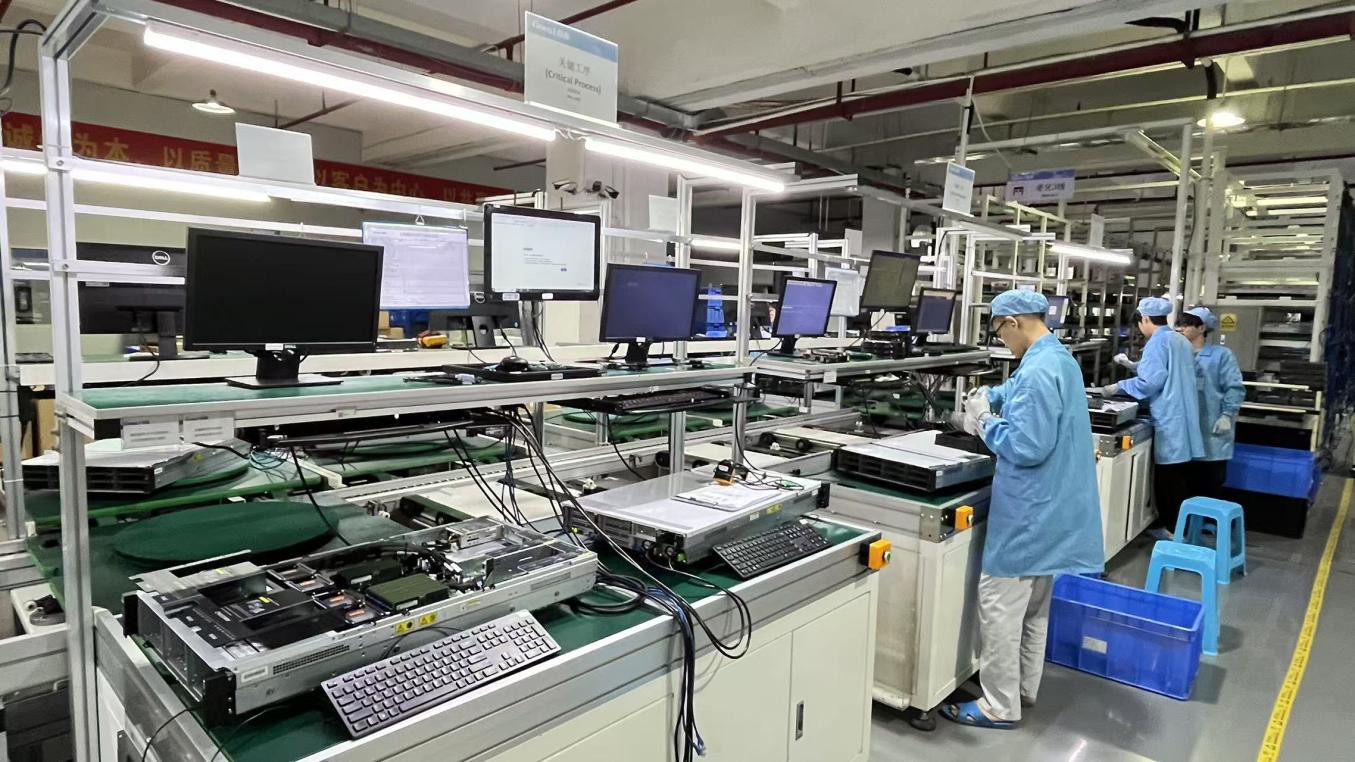
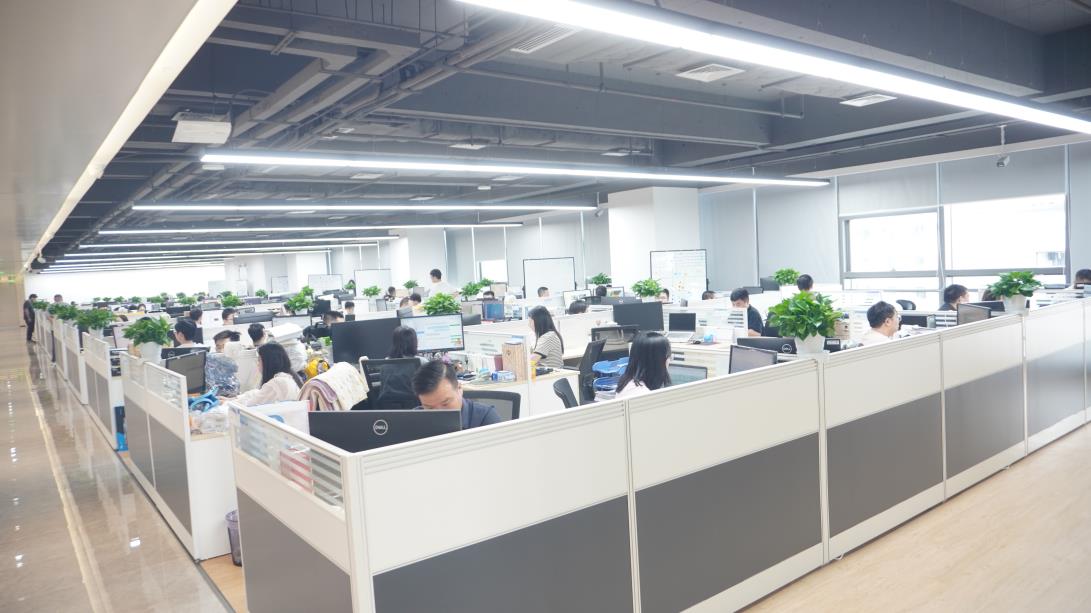
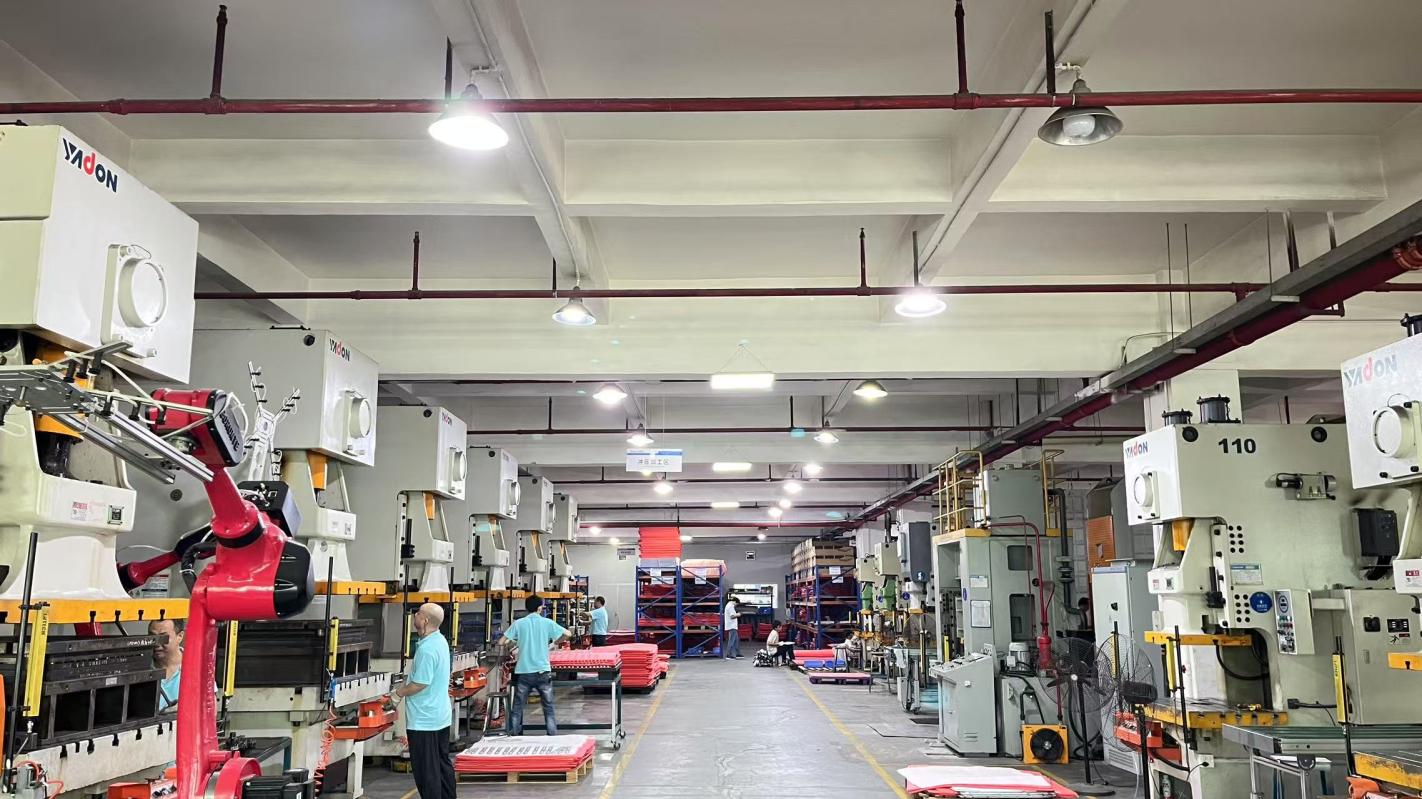
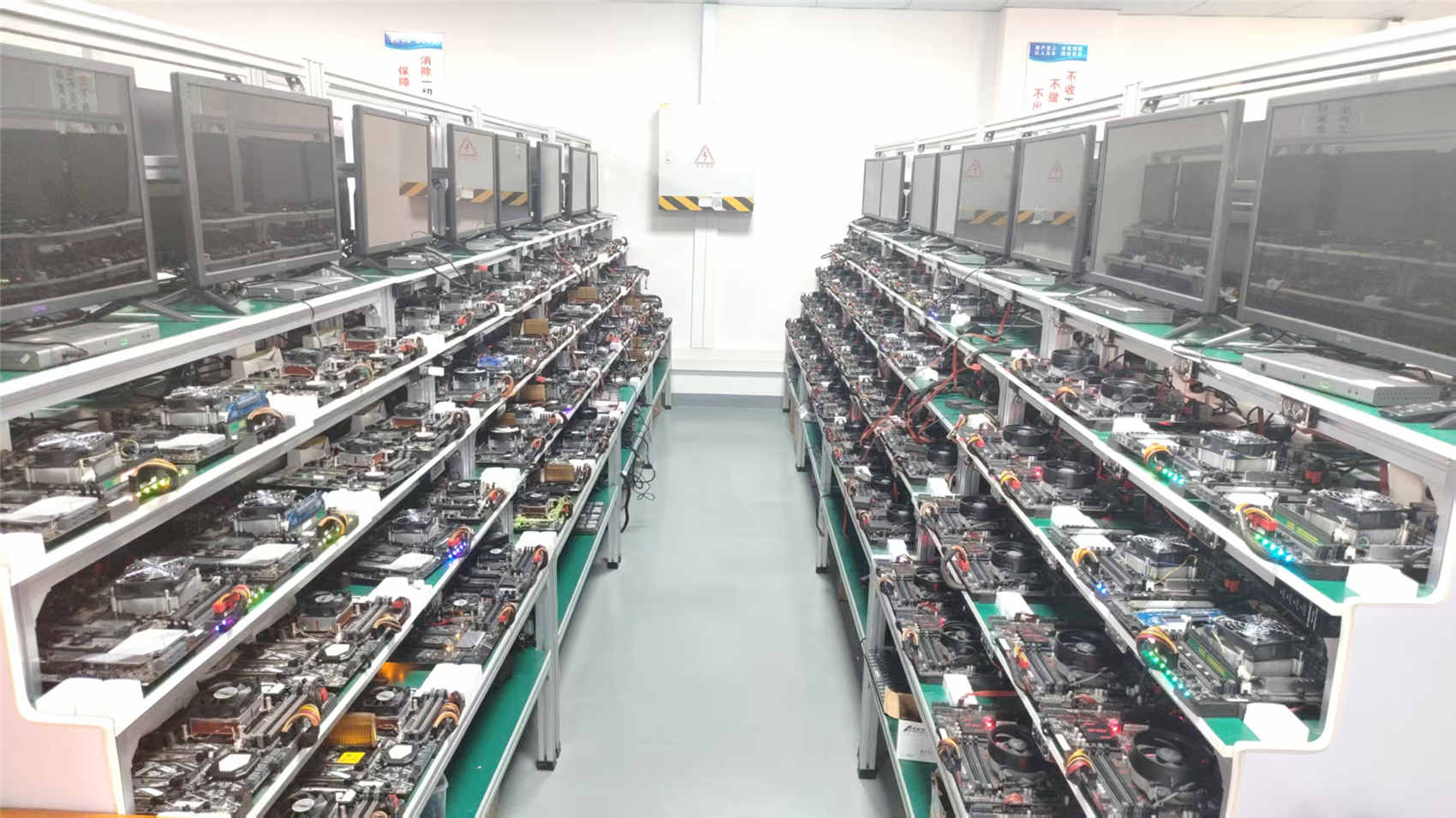
Procuring industrial LED display panels requires strict compliance with engineering metrics. Below are the key characteristics that engineers examine before placing bulk orders.
Determining the optimal spacing between pixels (pitch) is critical for structural budgeting. For command rooms, a pixel pitch of P0.9 to P1.2 is typical. For outdoor advertising, P3 to P10 is common. Selecting the correct pitch prevents pixelation and keeps system costs aligned with requirements.
Constant current driving methods with high scan rates (e.g., 1/16, 1/32, or 1/64 scan) reduce line flickering and preserve grayscale gradients at lower brightness levels. This is essential for indoor spaces where low brightness (400-800 nits) is required but camera capture stability must be maintained.
Outdoor installations require front and rear protection ratings of at least IP65. Cabling must utilize waterproof, high-quality copper core connectors to prevent oxidation, resistance increases, and signal loss in humid or coastal environments.
The industry is undergoing a transition from traditional Surface Mounted Device (SMD) encapsulation to Chip-on-Board (COB) and Micro LED in Package (MIP) configurations. In COB displays, raw LED chips are mounted directly to the PCB board substrate without individual packaging housings. This structure significantly increases protection against dust, static shock, and physical impact while offering high contrast ratios and improved heat dissipation.
In tandem with hardware changes, integration with 5K/8K real-time video processors and smart IoT sensors enables real-time brightness adjustment, telemetry monitoring, and smart power management, reducing overall operating costs over long deployments.
Below are the most common technical questions asked by global procurement directors and system design engineers during the factory sourcing process.
Explore our collection of electronic sub-systems, cooling modules, multi-layer PCBs, and RAM components designed to support global hardware manufacturers.