Novram
Novram
Novram
Discover our high-precision PCB assemblies, server-grade CPU coolers, and high-performance system memory deployed in heavy-duty commercial and sterilization hardware.
As global industries pivot toward non-chemical sanitization methods, ultraviolet-C (UVC) radiation operating within the optimal germicidal range (250 nm to 280 nm) has emerged as the gold standard. However, designing, scaling, and manufacturing commercial UVC solutions presents significant hurdles. High-intensity UVC light sources require specialized thermal management systems, highly stable control circuitry, and reliable power distribution components to prevent premature LED decay and driver failure.
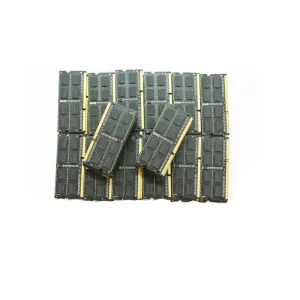
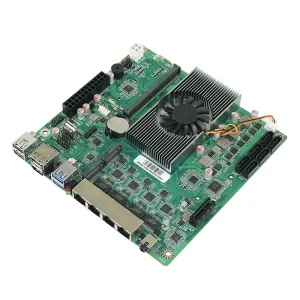
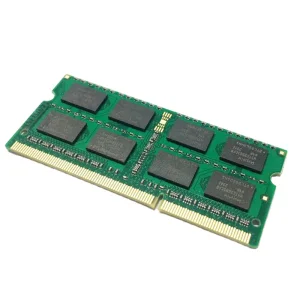
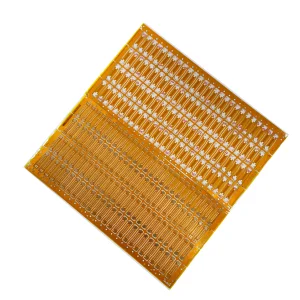
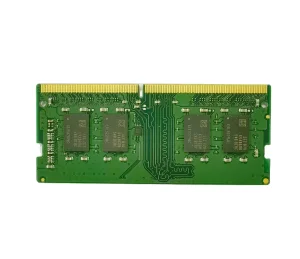
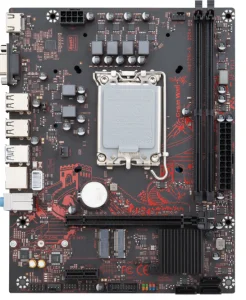
At Novram Electronics Co., Ltd., we bridge the gap between advanced semiconductor fabrication and mechanical integration. Established in 2016 in Shenzhen, China, our company has evolved into a powerhouse for OEM/ODM hardware engineering. With a solid foundation in manufacturing high-precision computer RAM, industrial motherboards, multi-layer rigid and flexible PCBs, and server-class liquid coolers, we apply our rigorous hardware and thermal expertise to engineer high-durability UVC lighting equipment for our global OEM clients. Our deep capabilities in SMT PCBA processing and thermal dissipator engineering make us the preferred partner for complex global UVC rollouts.
To transition UVC technology from low-power consumer sanitizers to high-throughput industrial sterilizers, engineering teams must address thermodynamic and electrical challenges. Novram’s R&D team leverages a comprehensive technological roadmap focusing on the three main pillars of UVC efficiency:
We design custom AlGaN (Aluminum Gallium Nitride) LED configurations calibrated precisely at 265nm to 275nm. This band yields the highest absorption rate in microbial RNA/DNA, disrupting replication. We design custom reflector and quartz lens housings that minimize optical losses, guaranteeing up to 98% transmittance.
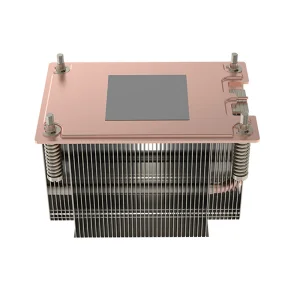
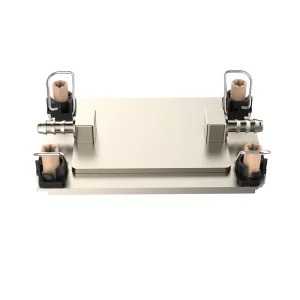
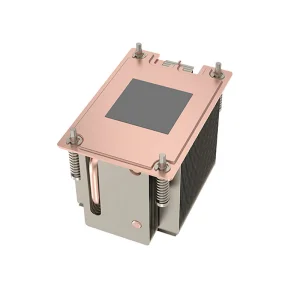
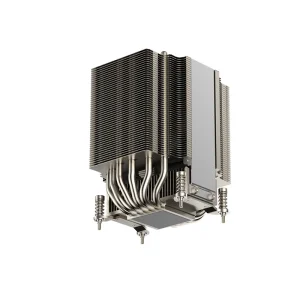
UVC LEDs convert less than 5% of electrical energy into light; the remaining 95% is emitted as heat. High junction temperatures compromise lifespan. Our engineering team integrates custom server-grade passive heatsinks, vacuum-sealed copper vapor chambers (VC), and active copper water coolers to dissipate heat efficiently, maintaining operating temperatures below 60°C.
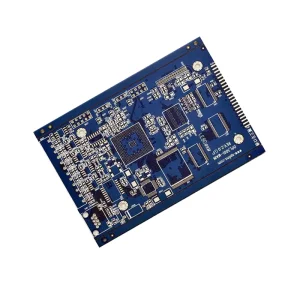
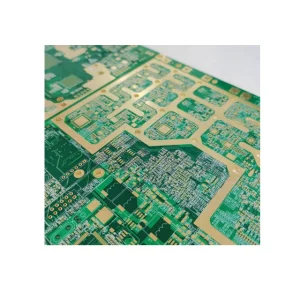
By utilizing high-frequency Rogers and Shengyi mixed-pressure PCB materials, our SMT Solder Assembly division manufactures smart power supplies. These circuits utilize digital PWM control to regulate power delivery, prevent current spikes, and support Modbus/BACnet protocols for building automation systems.
Industrial disinfection demands vary across sectors. Our custom OEM division is structured to develop customized turnkey hardware configurations tailored to specific applications:
High-velocity air systems require intense UVC output. We build custom aluminum panel arrays utilizing high-thermal-conductivity metal-core PCBs (MCPCBs) coupled with custom heatsinks. These panels are engineered to withstand continuous moisture and constant airflow, delivering a high dosage of UV irradiation to deactivate airborne pathogens without creating secondary air restriction.
For liquid disinfection, we supply sealed, IP68-certified stainless steel chambers. These feature high-purity quartz sleeves integrated with our custom-engineered control PCBs. These driver boards monitor current and output intensity in real time, automatically adjusting power to compensate for changes in water turbidity.
For commercial building sterilization, we assemble robust high-voltage UVC driver modules with integrated multi-sensor safety interlocks. These feature passive infrared (PIR) sensors and radar detection circuits to shut down high-intensity lamps automatically when motion is detected, preventing human exposure.
To withstand daily chemical washdowns, we encapsulate our UVC LED boards in chemical-resistant, food-grade transparent fluoropolymer coatings. The internal SMT PCBA driver is protected by thermal potting materials, ensuring reliable operation in high-humidity and low-temperature cold storage environments.
Operating out of Shenzhen, the epicenter of global electronics manufacturing, Novram Electronics Co., Ltd. combines geographic supply chain advantages with rigorous quality assurance methodologies:
Our state-of-the-art facility features automated SMT lines, advanced reflow ovens, AOI (Automated Optical Inspection) systems, and X-ray solder scanners. This infrastructure enables us to maintain low defect rates across all product lines. Every custom UVC control board and assembled unit undergoes a multi-stage testing process:
1. Incoming Material Control (IQC): Inspecting LED chips, FR4 substrates, aluminum heatsinks, and copper heatpipes prior to assembly.
2. SMT Assembly Verification (IPQC): Real-time AOI testing post-reflow to verify solder paste integrity, alignment, and component polarity.
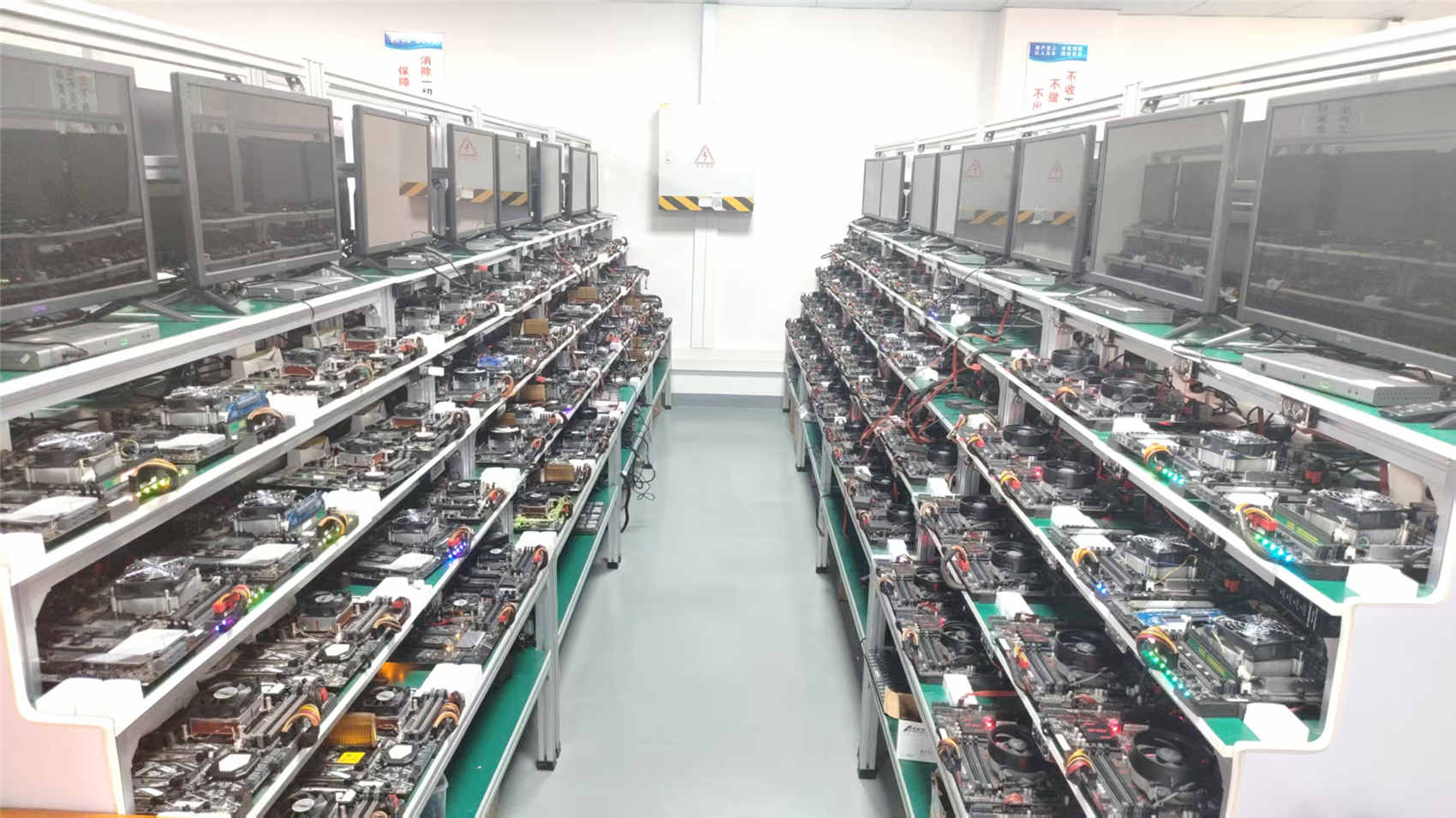
3. Thermal & Burn-In Testing: Running driver modules under load at elevated temperatures (up to 55°C) to identify early-stage component failures.
4. Optical Output Calibration (OQC): Using high-resolution spectroradiometers to confirm peak wavelength emissions and optical power output.
5. Environmental & Packaging Review: Stress-testing connections and final packaging to ensure units withstand transit conditions.
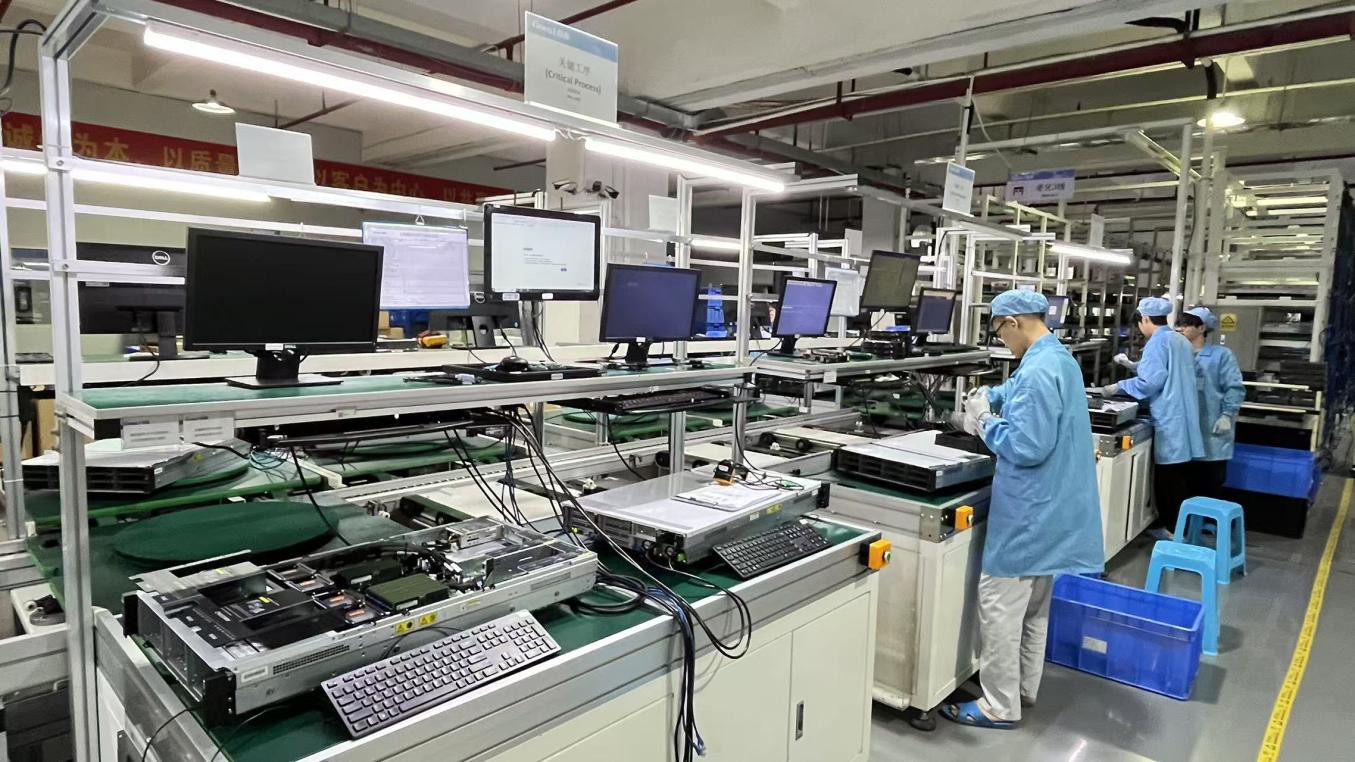
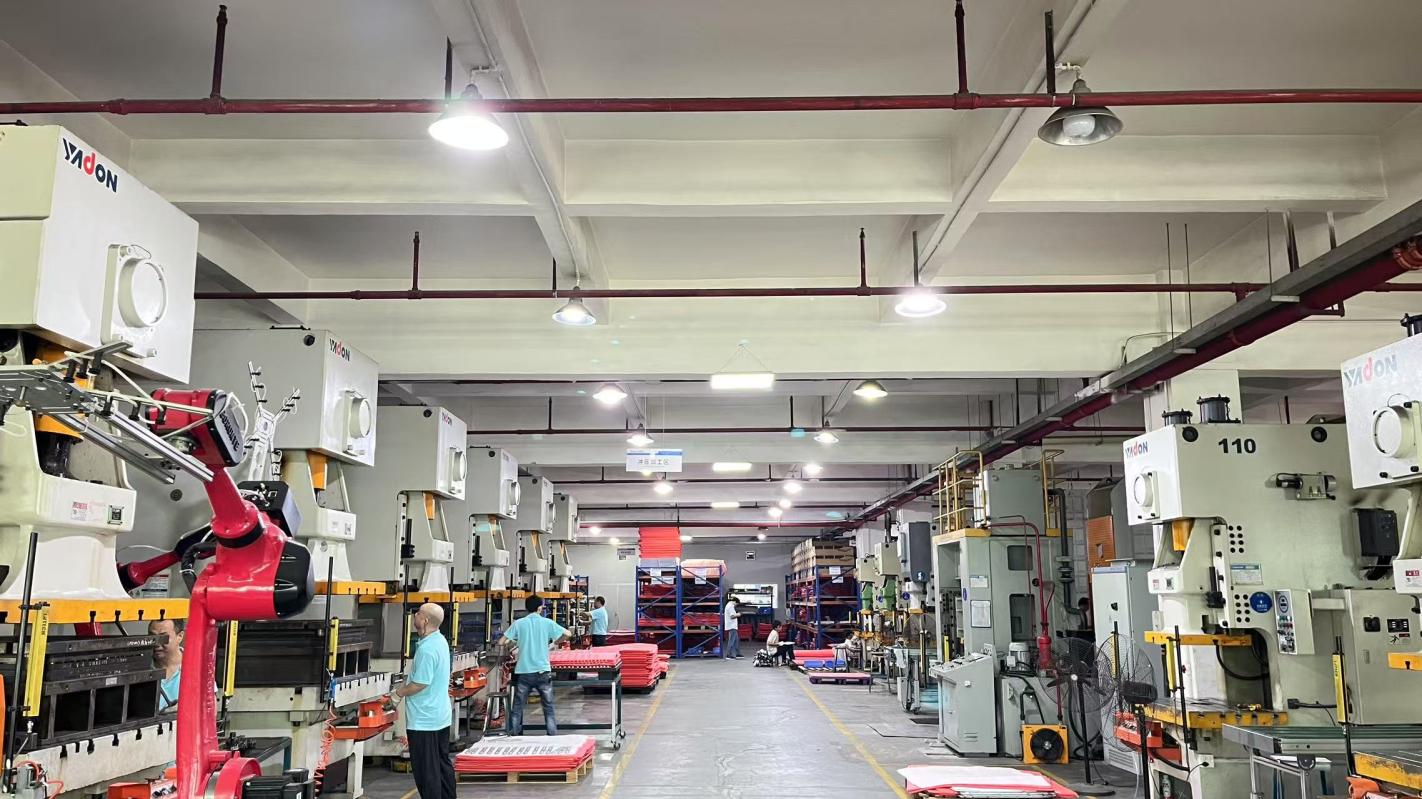
Navigating international regulatory requirements is crucial for UVC deployments. As an established exporter to over 40 countries, Novram manufactures products compliant with major international standards:
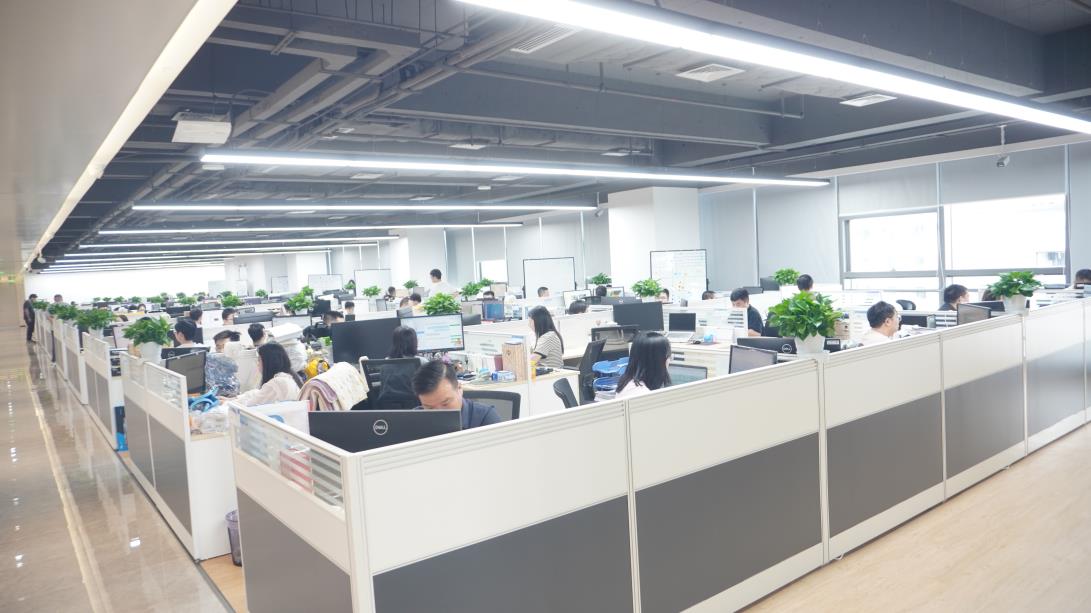
We provide deep ODM services that extend beyond standard logo application. Our 76-engineer R&D division introduces approximately 138 new products annually, supporting:
Review detailed technical answers regarding our OEM UVC manufacturing capabilities, thermal management, and procurement cycles.
Unlike traditional light sources, UVC LEDs do not dissipate heat via infrared radiation. Instead, heat accumulates at the semiconductor junction. If the junction temperature exceeds 80°C, the LED chip will experience rapid output degradation and shifting wavelengths. By utilizing our server-grade passive heat sinks, vacuum vapor chambers, and metal-core PCBs (MCPCB), we keep operating temperatures below 60°C, preserving the system's 10,000+ hour operating lifespan.
We maintain structured Quality Control protocols supported by 42 inspectors. Every batch of control PCBs undergoes Automated Optical Inspection (AOI) after reflow soldering. We run 100% of finished control boards through burn-in testing chambers to eliminate infant mortality components. We source active electronics and multi-layer PCBs from 860+ qualified suppliers to ensure component traceability.
Yes. Our engineering division integrates custom microcontrollers and communication transceivers into our driver boards. This enables the UVC systems to report diagnostic metrics, operational runtime, and sensor alerts directly to Building Management Systems (BMS) via Modbus, BACnet, or proprietary API protocols.
For standard PCBA and thermal modifications, initial design schematics are delivered within 7 to 10 working days. Upon layout approval, prototype fabrication and SMT testing samples are typically shipped within 3 to 4 weeks. Full mass production lead times run between 30 and 45 days, depending on raw component availability.
Yes. We provide complete technical files for CE and FCC certification. Our products comply with RoHS and WEEE mandates. For North American customers, we provide data regarding power metrics and component safety to streamline the EPA registration and UL inspection processes.
Explore our technical hardware catalog, showcasing the SMT manufacturing, thermal engineering, and multi-layer board capabilities we deploy across our UVC lighting systems.