Novram
Novram
Novram
High-speed, high-density DRAM modules and thermal cooling systems engineered for industrial collaborative robotics processing.
The rise of Industry 5.0 and Human-Robot Collaboration requires a radical evolution in underlying edge hardware, real-time latency minimization, and extreme thermal resilience.
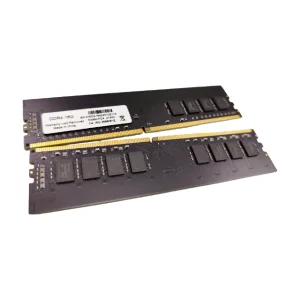
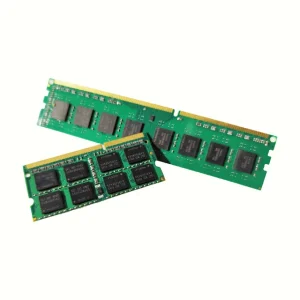
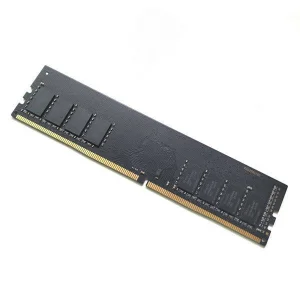
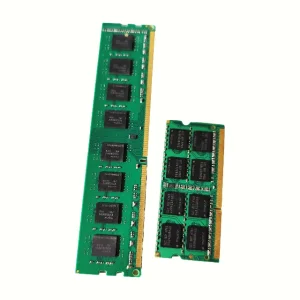
Collaborative robots (Cobots) rely on instant sensory feedback loop execution. Using high-frequency DRAM modules reduces memory access bottlenecks, enabling immediate obstacle avoidance, safety stop responses, and fluid path-correction algorithms.
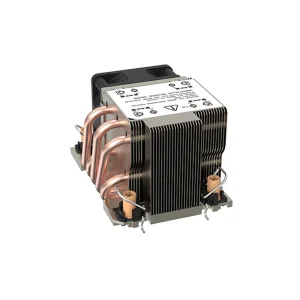
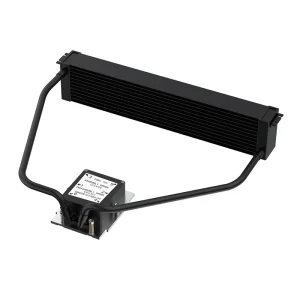
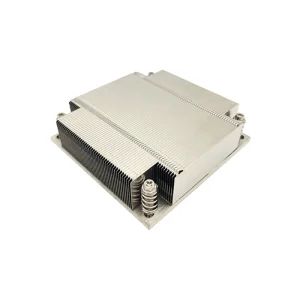
Sealed joint controllers and compact CPU compartments inside cobot arms isolate heat. We design 300W+ liquid and air cooling architectures that prevent thermal throttling, keeping computing modules operating under safe temperature envelopes.
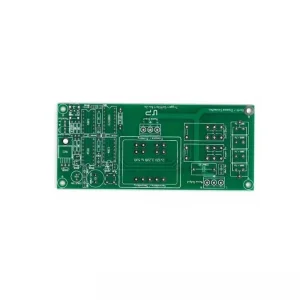
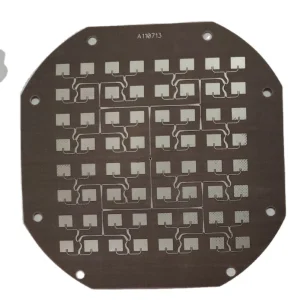
Modern robotic systems require dense, multi-layer high-frequency control boards. Our specialized aluminum substrate PCBs and FR4 assemblies handle high-speed signal pathways with minimized electromagnetic interference (EMI).
Collaborative robotics is no longer just about mechanical kinematics; it is fundamentally an Edge Artificial Intelligence challenge. Cobots utilize computer vision, depth mapping, multi-axis force-torque sensor arrays, and natural language interfaces to safely work alongside human operators.
To execute these sensor-fusion algorithms in real-time, the robotic control unit (RCU) requires structural memory reliability and optimal thermal management. We engineer components specifically to withstand physical vibrations, high humidity, and continuous heat loads typical of factory-floor deployments.
A typical 6-axis collaborative robot executing trajectory planning requires:
Real-time Kernel Response: < 1 millisecond cycle times
Memory Bandwidth: DDR4/DDR5 dual-channel architectures
Thermal Dissipation: Up to 350W peak cooling capability
Vibration Tolerances: 5G to 20G shock levels
"Novram’s design framework guarantees that hardware bottlenecks never interfere with the physical safety dynamics of collaborative robots."
Established in 2016 in Shenzhen, China, Novram Electronics Co., Ltd. is a professional DDR5/DDR4 and industrial system hardware manufacturer. We provide high-performance hardware and custom sub-systems to global robotics brands and system integrators.
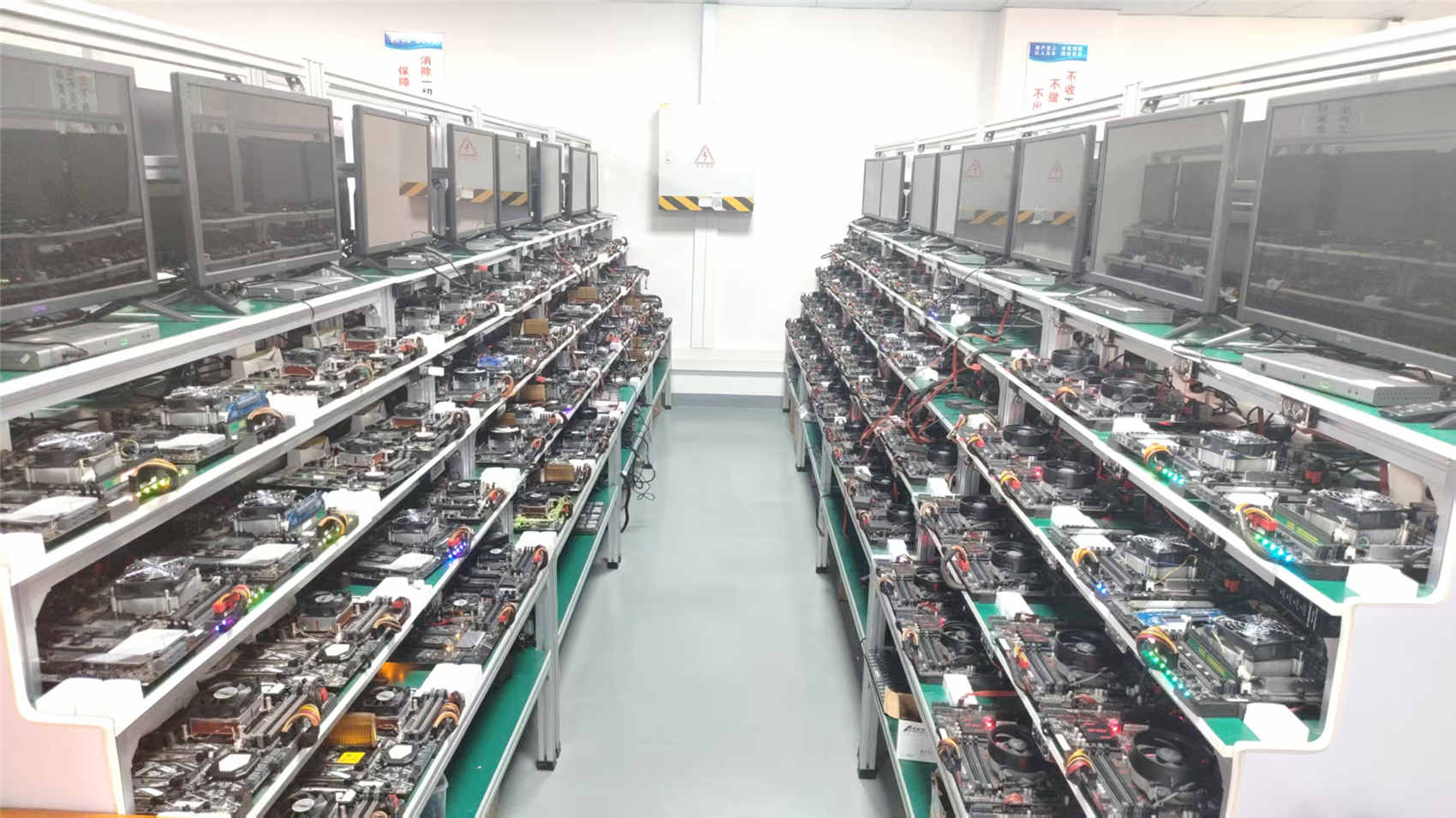
Reliability is paramount. Our hardware undergo strict functional, compatibility, burn-in, temperature, and aging verification. Backed by 42 professional quality inspectors, we assure that every control board and memory kit matches rigorous aerospace-grade and industrial safety certifications.
With partnerships spanning 860 qualified supply chain partners, we secure high-grade DRAM chips, premium copper substrates, and tier-1 electrical components. This robust procurement network protects our clients from component scarcity and guarantees stable pricing cycles.
We design bespoke solutions. From custom capacity sizing, custom layout designs, firmwares optimized for real-time operating systems (RTOS), and localized thermal setups, our engineering department releases approximately 138 new products annually to keep pace with industry demands.
Deploying high-performance computing hardware where precision, heat management, and physical space dictate system limits.
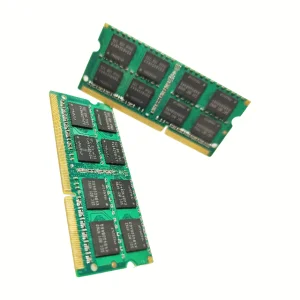
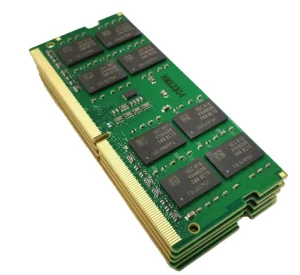
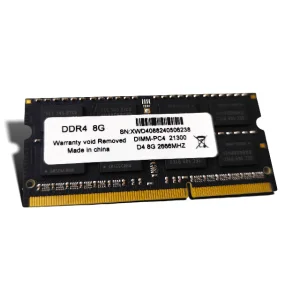
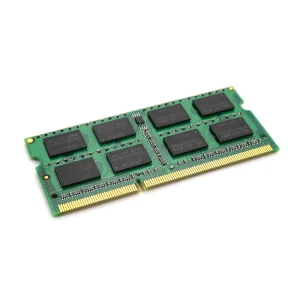
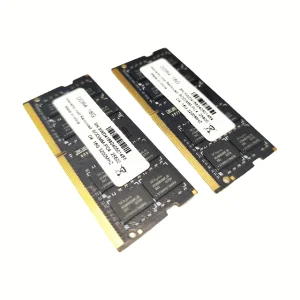
AMRs require dense multi-sensor input computing. Navram's low-voltage SODIMM DDR4 and DDR5 memory modules supply high bandwidth for LiDAR map calculations and navigation routes, while preserving battery efficiency in industrial environments.
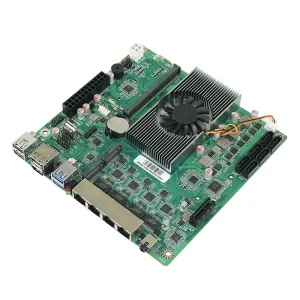
Embedded controller boards require thin-profile custom PCBs to fit within the robotic arm skeleton. Our FR4 and high-frequency aluminum substrate PCBs fit inside compact joints to handle motor feedback loop controllers without signal noise.
Industrial camera nodes capturing high-frame-rate quality inspections need fast, dedicated buffering memory. Our high-frequency ECC RAM modules process pixel matrices without data drops, enabling AI inspection systems to run stably.
As collaborative robotics evolve towards cloud-connected fleet management and decentralized machine learning, memory bandwidth and thermal capacities will need to scale accordingly.
Our R&D roadmap focuses on:
• Transitioning industrial controllers to low-latency DDR5 configurations.
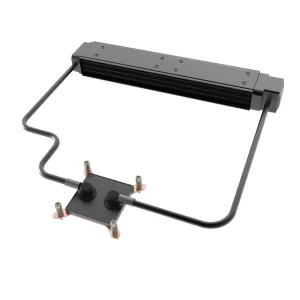
• Engineering active liquid-loop radiators for next-gen 350W+ processors.
• Deploying ultra-high thermal conductivity PCB materials.
Common inquiries from robotics design teams, procurement managers, and system integrators regarding industrial-grade computing solutions.
Collaborative robots share workspaces with human operators, making safety a priority. If a standard RAM module experiences a soft single-bit flip due to electromagnetic noise or thermal stress, the robot controller could crash, leading to physical collisions or sudden lockups. ECC memory detects and corrects these errors in real time, preventing crashes and protecting operators.
Our LGA-series liquid radiators and heatsinks are built with reinforced mount points, industrial thread-locking inserts, and robust sealing membranes. This prevents leakage or detachment under continuous vibrations from robotic motion. They are tested to handle shocks up to 20G without structural failure.
Yes, our ODM division specializes in designing custom PCBs, including high-density FR4 boards and multi-layer aluminum substrates. We optimize traces for electrical isolation, thermal dissipation, and compact layouts to fit within joint modules.
Each batch undergoes 100% functional testing, compatibility testing across industrial controller chipsets, high-temperature burn-in testing, and thermal cycling verification. We maintain 42 dedicated quality inspectors to ensure zero defects leave our factory.
High-quality components designed for computing nodes, sensor integration, and active heat dissipation.
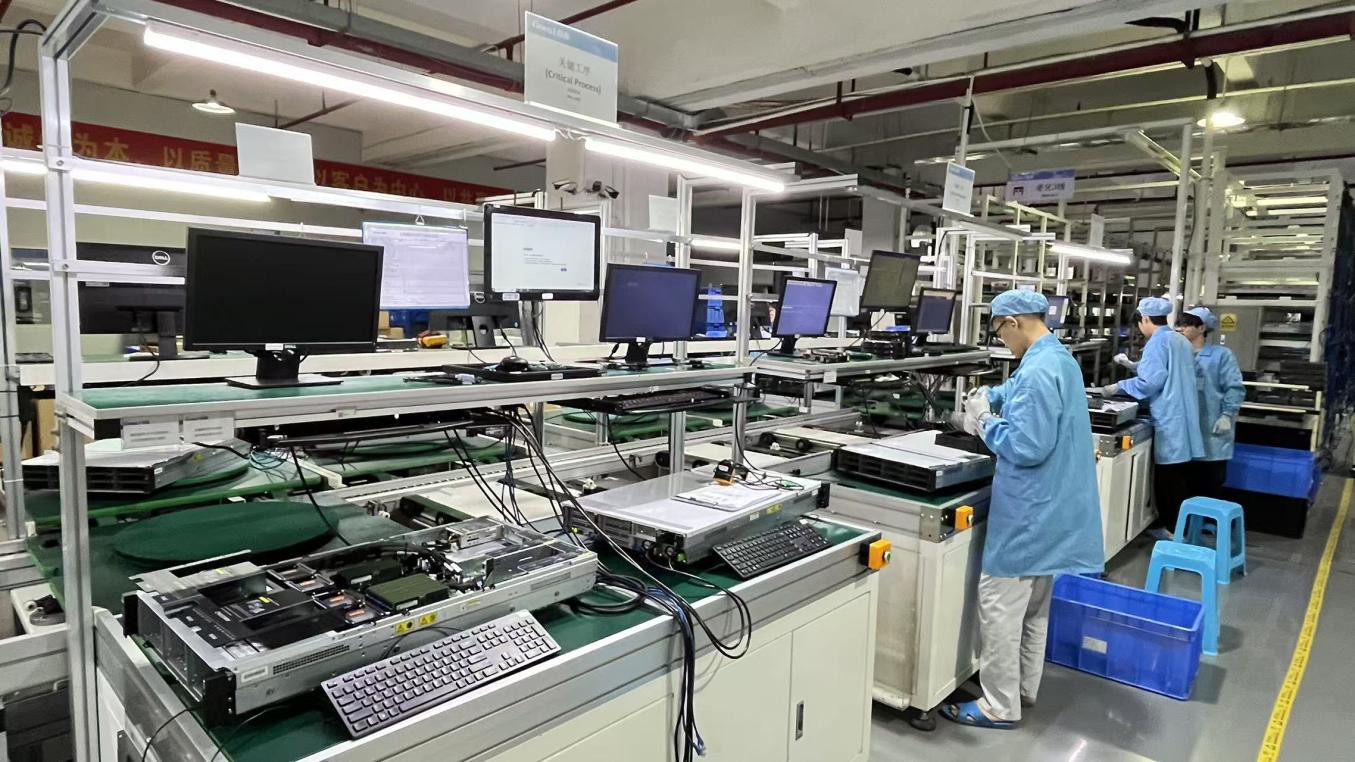
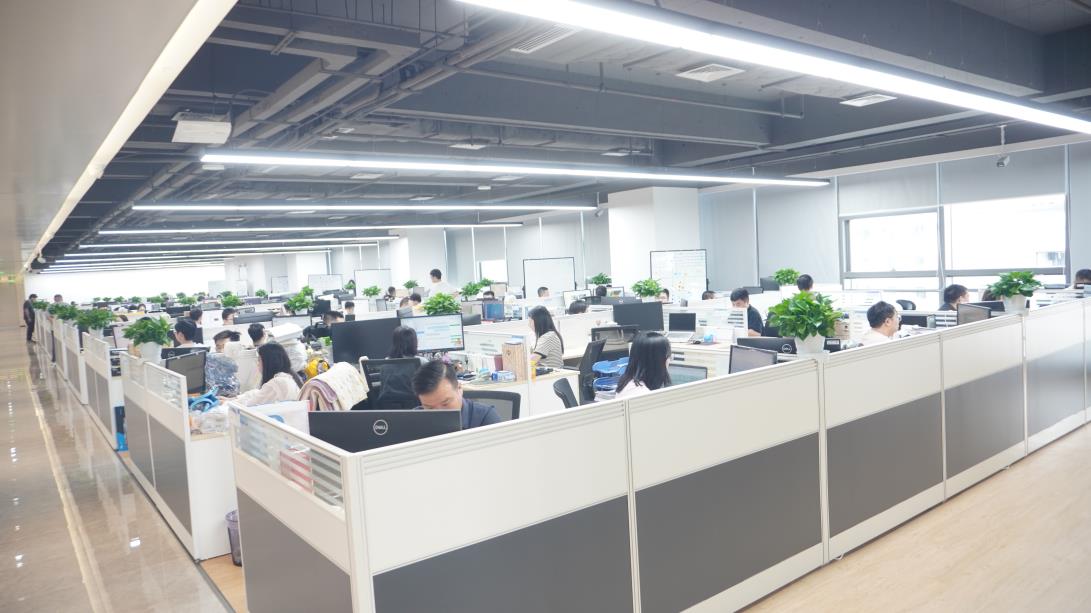
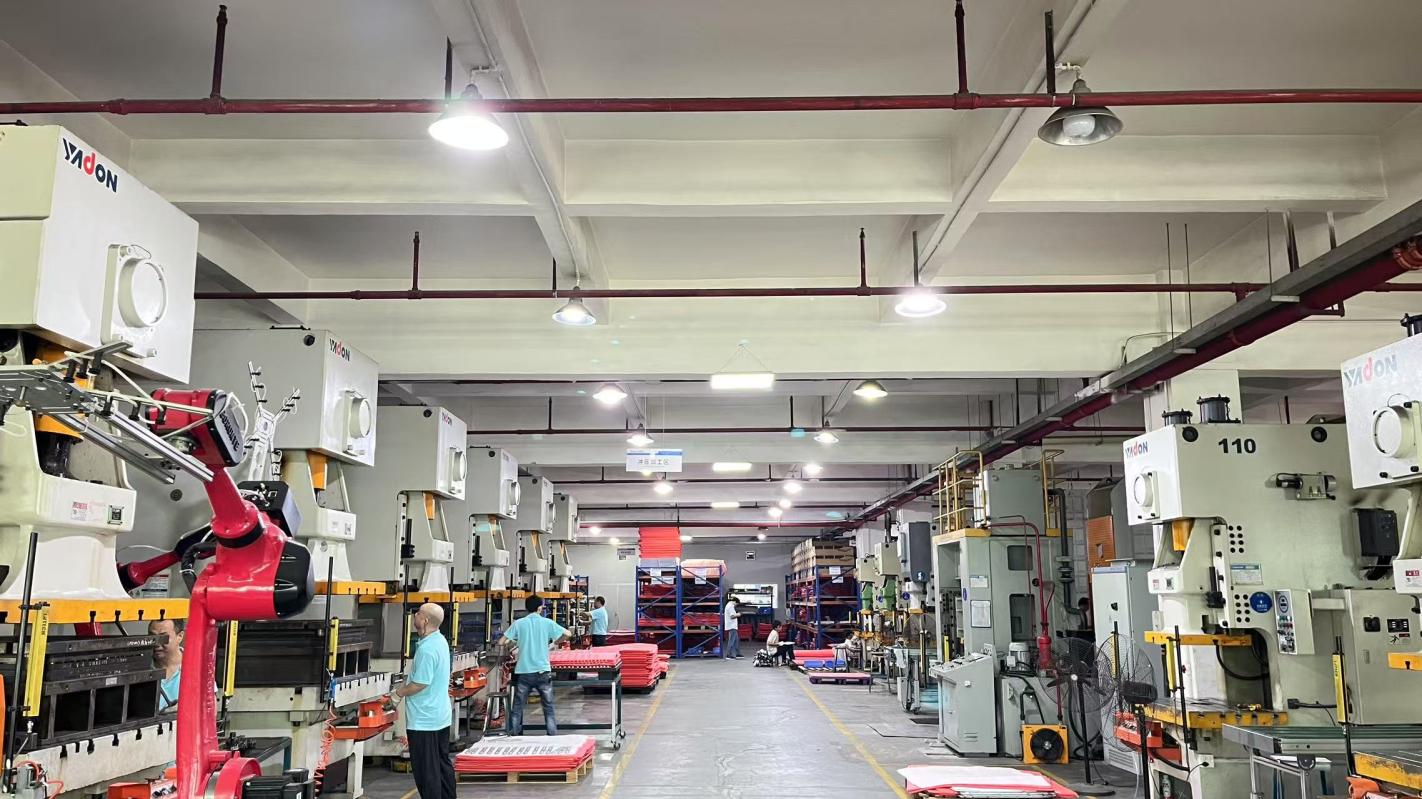
Step inside Novram Electronics' 3,860㎡ facility, designed for precise SMT assembly, multi-layer board fabrication, and strict quality verification cycles.