Novram
Novram
Novram
An Industry Whitepaper on Technical Advancements, Sourcing Optimization, and Enterprise Deployment Protocols.
Modern mobile computing architectures demand unprecedented levels of performance, efficiency, and reliability from memory systems. As laptops transition from general-purpose tools to AI-accelerated Edge nodes, the memory subsystem has become the central bottleneck for processing bandwidth. For system builders, enterprise procurement officers, and hardware brands, selecting a specialized OEM/ODM laptop RAM manufacturer is no longer just a transaction of components—it is a critical alignment of technology roadmaps, supply chain security, and quality assurance.
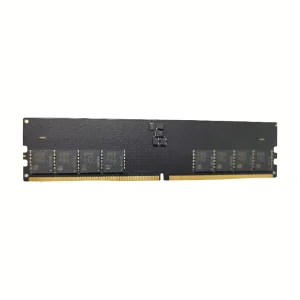
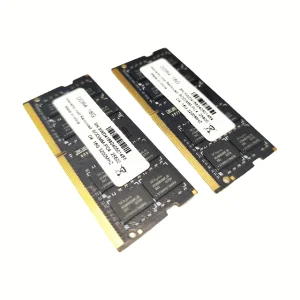
The standard dual-inline memory module (SO-DIMM) continues to evolve. With the transition from DDR4 to DDR5, memory architecture is experiencing structural changes. DDR5 laptop memory introduces on-die ECC (Error Correction Code), dual 32-bit subchannels, and integrated Power Management Integrated Circuits (PMICs) directly onto the module board. These enhancements double the minimum data rate and optimize power consumption, but they also complicate physical design, signal integrity, and thermal mitigation. A precision-oriented manufacturing ecosystem is vital to navigate these changes successfully.
"As AI PCs demand memory bandwidths in excess of 5600 MT/s to process localized LLMs (Large Language Models), the engineering profile of SO-DIMM and CAMM2 formats requires precise trace layouts, premium multi-layer PCBs, and original manufacturer DRAM dies to prevent data corruption and hardware degradation."
Technological trends reshaping the landscape of mobile computing and enterprise memory architecture.
The industry is transitioning rapidly to DDR5. Operating at 4800MHz to 6400MHz, DDR5 provides massive bandwidth increases compared to DDR4's 3200MHz ceiling. With integrated PMIC managing voltage directly on the PCB instead of relying on the motherboard, DDR5 SO-DIMMs run at a reduced 1.1V, yielding significant thermal efficiency improvements for ultra-thin laptop envelopes.
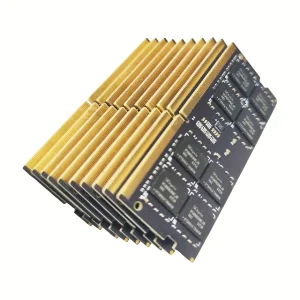
Compression Attached Memory Module (CAMM2) technology is breaking the traditional SO-DIMM standard. It offers up to 64% space savings and allows higher memory bus widths (128-bit interfaces) without compromising user-upgradability. OEM partners must partner with manufacturers capable of executing dense multi-layer PCB designs and precise mounting layouts.
On-device AI engines require a minimum of 16GB, and preferably 32GB to 64GB of low-latency RAM to run AI inference models seamlessly. The demand for high-density DRAM chips (such as 16Gb and 24Gb monolithic dies) is increasing, which requires reliable supply networks with global chipmakers to secure production lines.
A tracking record of manufacturing excellence and international distribution.
Production Facility
Industry Expertise
R&D Engineers
Annual Export Value
Novram Electronics Co., Ltd. is a professional DDR5 memory manufacturer based in Shenzhen, China, dedicated to delivering high-performance DRAM solutions for global OEM, ODM, and industrial customers. Established in 2016, the company has grown into a reliable supplier of DDR5 memory modules, serving partners across consumer electronics, industrial automation, embedded systems, gaming, and enterprise computing.
Operating from a modern 3,860㎡ manufacturing facility, Novram integrates advanced production equipment, strict quality management, and continuous R&D innovation to ensure every memory module meets international performance and reliability standards. Our experienced engineering team focuses on developing high-speed, stable, and energy-efficient DDR5 products for diverse computing applications.
With 9 years of industry experience and 7 years of export experience, Novram exports products to customers in more than 40 countries. The company achieves an annual export revenue of approximately US$18.6 million, supported by an efficient global supply chain and responsive customer service.
Quality is at the core of everything we do. Every DDR5 memory module undergoes 100% functional testing, compatibility testing, burn-in testing, temperature testing, and aging verification before shipment. Our quality control department consists of 42 professional inspectors, ensuring consistent product performance and long-term reliability.
Novram maintains strong partnerships with over 860 qualified supply chain partners, enabling stable production capacity and reliable component sourcing. Our primary customers include memory module brands, computer manufacturers, industrial PC companies, system integrators, distributors, wholesalers, and OEM/ODM partners worldwide.
Innovation drives our competitiveness. Our dedicated R&D center is staffed by 76 experienced engineers, allowing us to introduce approximately 138 new products each year. We provide comprehensive OEM, ODM, private label, logo printing, packaging customization, capacity customization, firmware optimization, and product specification customization to meet different market requirements.
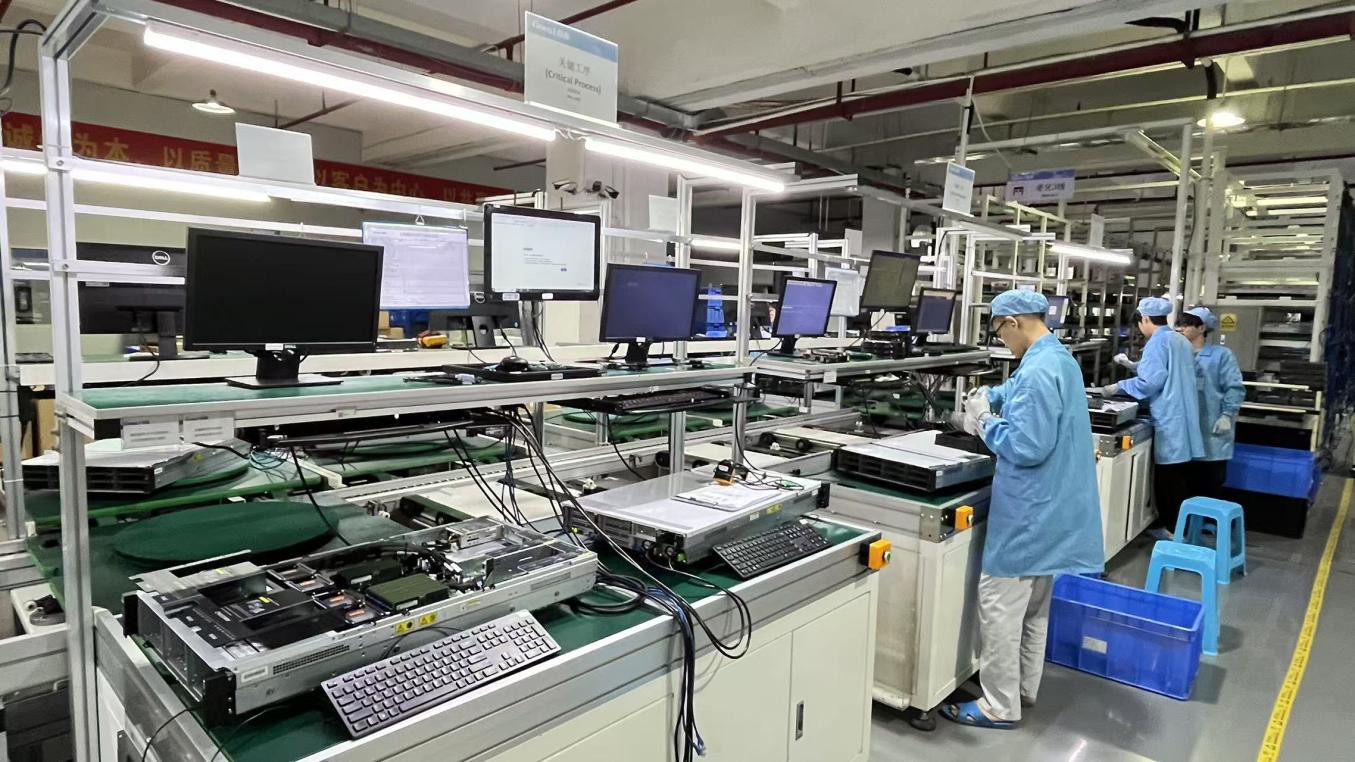

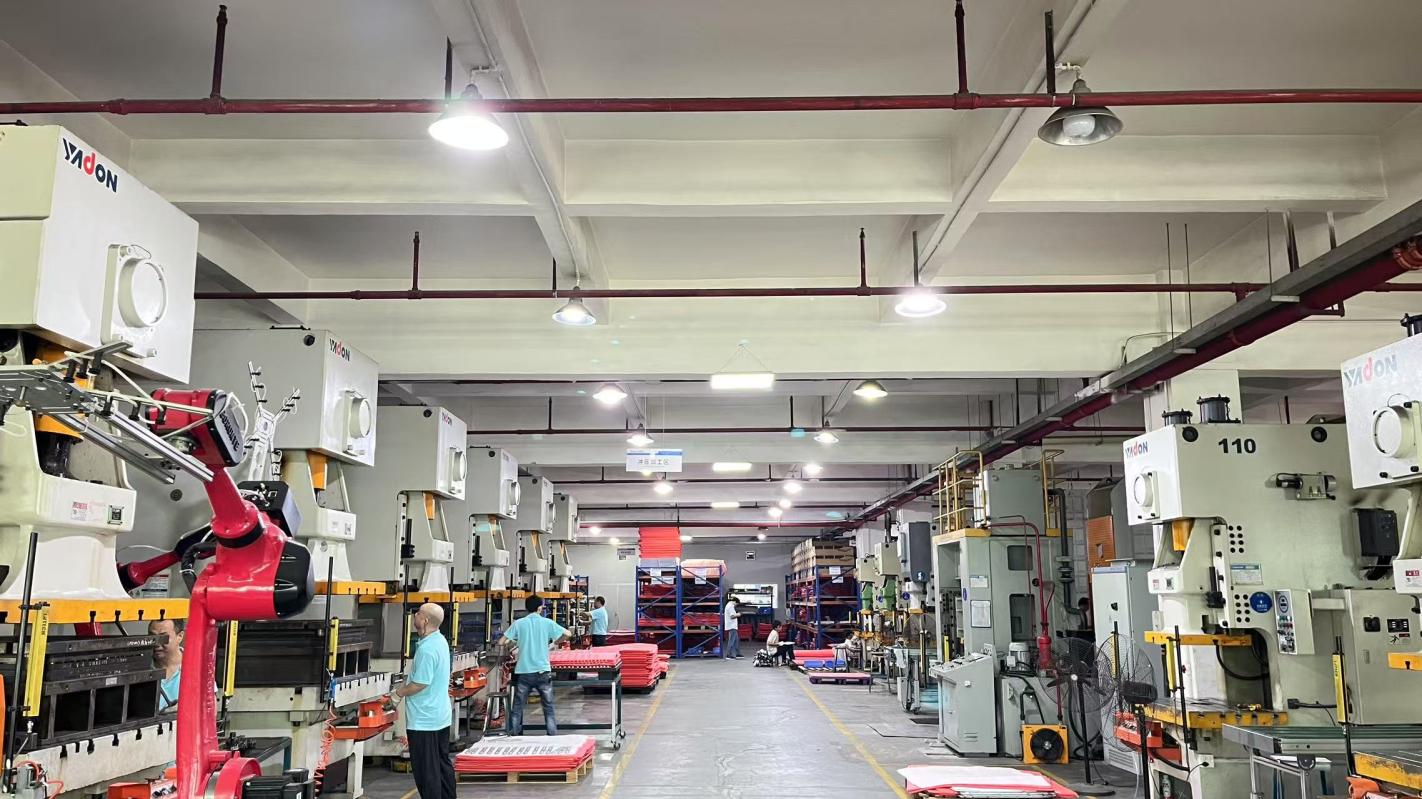
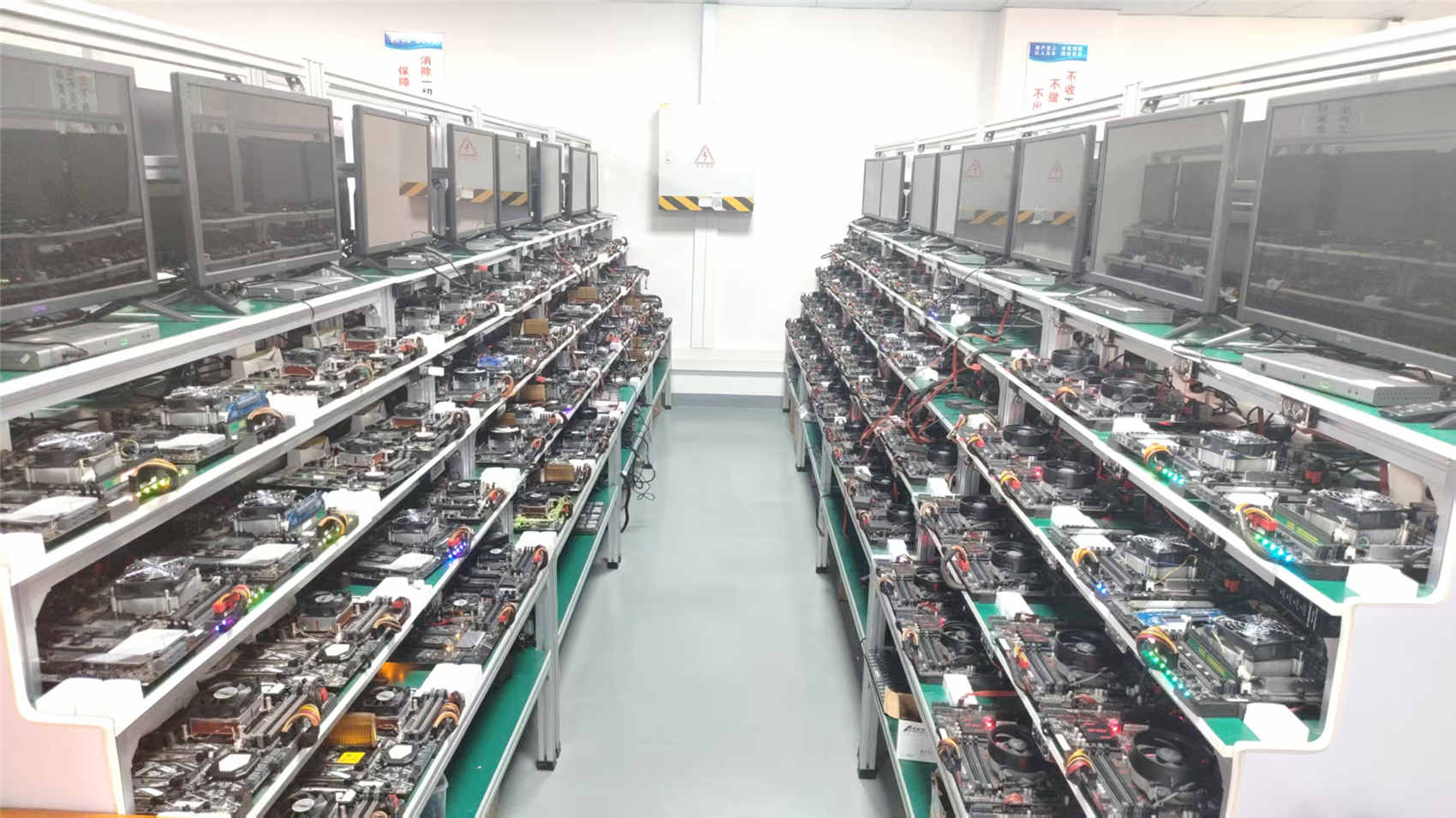
Why manufacturing DRAM at the epicenter of global electronics production delivers cost, speed, and engineering benefits.
Located in Shenzhen's technology industrial core, Novram maintains direct channels to tier-one silicon wafer suppliers and original packaging facilities (Samsung, SK Hynix, Micron). This proximity secures access to high-quality original DRAM IC dies, bypassing intermediary margins and mitigating raw-material procurement bottlenecks.
New Product Introduction (NPI) timelines are significantly shorter in Shenzhen. Our 76-engineer R&D team can complete PCB layout, simulation, tooling, and initial small-run SMT production in as little as 10 to 14 working days, allowing OEM brands to launch next-gen DDR5 laptop platforms ahead of competitors.
With direct access to major airports and deep-water ports in Hong Kong and Shenzhen, we offer streamlined global shipping configurations. Secure channels enable reliable transit times, duty-free consolidation, and efficient customs clearance, ensuring that high-volume orders reach overseas assembly operations on time.
Overcoming quality verification, compatibility, and life-cycle management challenges.
Enterprise IT sourcing coordinators and laptop computer manufacturers face major challenges when integrating memory modules. Component incompatibility can cause high field failure rates, leading to customer support issues and high warranty costs. Therefore, procurement teams need a partner that enforces strict quality standards and provides comprehensive lifecycle support.
| Enterprise Sourcing Pain Point | Novram SMT & QA Mitigation Action | Target Standard / SLA Performance Target |
|---|---|---|
| DRAM IC Batch Variation | Enforced utilization of single-manufacturer DRAM dies (major grade-A only) within single production runs. | Consistent performance profile, 0% mix-and-match of ICs. |
| Intermittent Failure under High Loads | Dynamic burn-in, extreme temperature cycling chambers, and structural board stress-testing. | Mean Time Between Failures (MTBF) exceeding 5,000,000 hours. |
| Motherboard Incompatibility | Platform physical testing across key chipset manufacturers (Intel Core Ultra, AMD Ryzen Pro, Apple M-series, industrial SOCs). | Hardware compatibility rate exceeding 99.85%. |
| Supply Line Disruption | Buffer inventory agreements (DRAM chips and passive components) and contracts with 860 partners. | Guaranteed supply availability with up to 12-month advance visibility. |
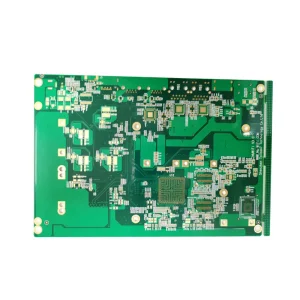
Novram's 42 professional quality control inspectors monitor every stage of production. The process begins with incoming inspection of high-grade 8-layer to 10-layer PCBs and original DRAM wafers. Components then undergo Automated Optical Inspection (AOI) post-SMT, followed by automatic test equipment (ATE) cycles to confirm target speed, latency, and voltage stability. In the final stage, modules undergo motherboard compatibility runs, checking for system-level anomalies before packaging.
How our customized SO-DIMM and memory modules serve diverse operating environments worldwide.
Designed for industrial field units, mining laptops, and military-grade hardware. We utilize wide-temperature DRAM ICs, conformal coating on the PCBs to repel moisture and dust, and underfill materials to protect solder joints from high-vibration stress.
For high-end gaming laptops and content creator notebooks. We optimize modules for XMP/EXPO overclocking profiles, applying selected high-quality chips (Samsung B-die/Hynix A-die) to handle low timings at high clock rates under thermal loads.
Integrated medical computers require long lifecycles and high reliability. Our customized firmware configurations prevent runtime memory errors and coordinate with host operating systems to ensure uninterrupted diagnostic scans.
Ensuring hardware legitimacy, safety compliance, and smooth importing across global borders.
Hardware distribution requires strict adherence to international regulatory frameworks. To support our clients' international shipments, Novram maintains up-to-date compliance records and environmental certifications, including:
Expert technical insights regarding sourcing, custom manufacturing, and laptop RAM performance.
We source original major-grade DRAM chips (E.g., Samsung, SK Hynix, and Micron). We do not use downgraded, remarked, or un-tested surplus chips. This guarantees stable voltage levels, high compatibility, and consistent performance across varying thermal environments.
For standard private labels and custom packaging configurations, our typical MOQ starts at 500 units per capacity/frequency variation. For custom PCB engineering designs or modified PMIC solutions, the MOQ varies based on R&D scope and component availability.
Yes. Our engineering division specializes in writing and flashing custom SPD firmware configurations. We configure memory speeds, latency tables, voltages, and vendor identification data to ensure compatibility with specialized systems, rugged motherboards, or custom bios platforms.
We stand by our quality control with an RMA rate of less than 0.2%. If a module fails within the warranty period, we provide direct replacements or credit offsets in subsequent production runs, backed by a detailed failure analysis report (8D report) from our engineering team.
Typical lead times range from 15 to 25 working days, depending on batch volume, custom component specifications, and IC market availability. Scheduled delivery plans (blanket orders) are also supported for qualified high-volume clients.