Novram
Novram
Novram
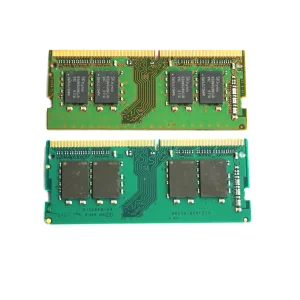
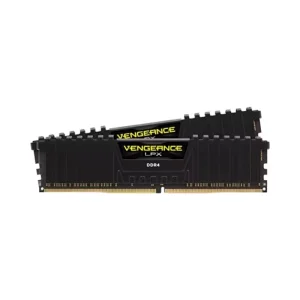
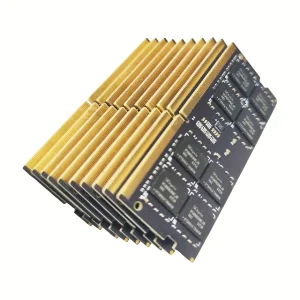
Established in 2016 in the global hardware epicentre of Shenzhen, China, Novram Electronics Co., Ltd. is a high-performance DRAM memory module manufacturer catering directly to world-class OEMs, ODMs, and enterprise system integrators. With 9 years of dedicated industry experience and 7 years of export history, we engineer reliable DDR4 and next-generation DDR5 products that power standard desktops, advanced server matrices, edge gateways, and industrial IPC platforms across more than 40 countries.
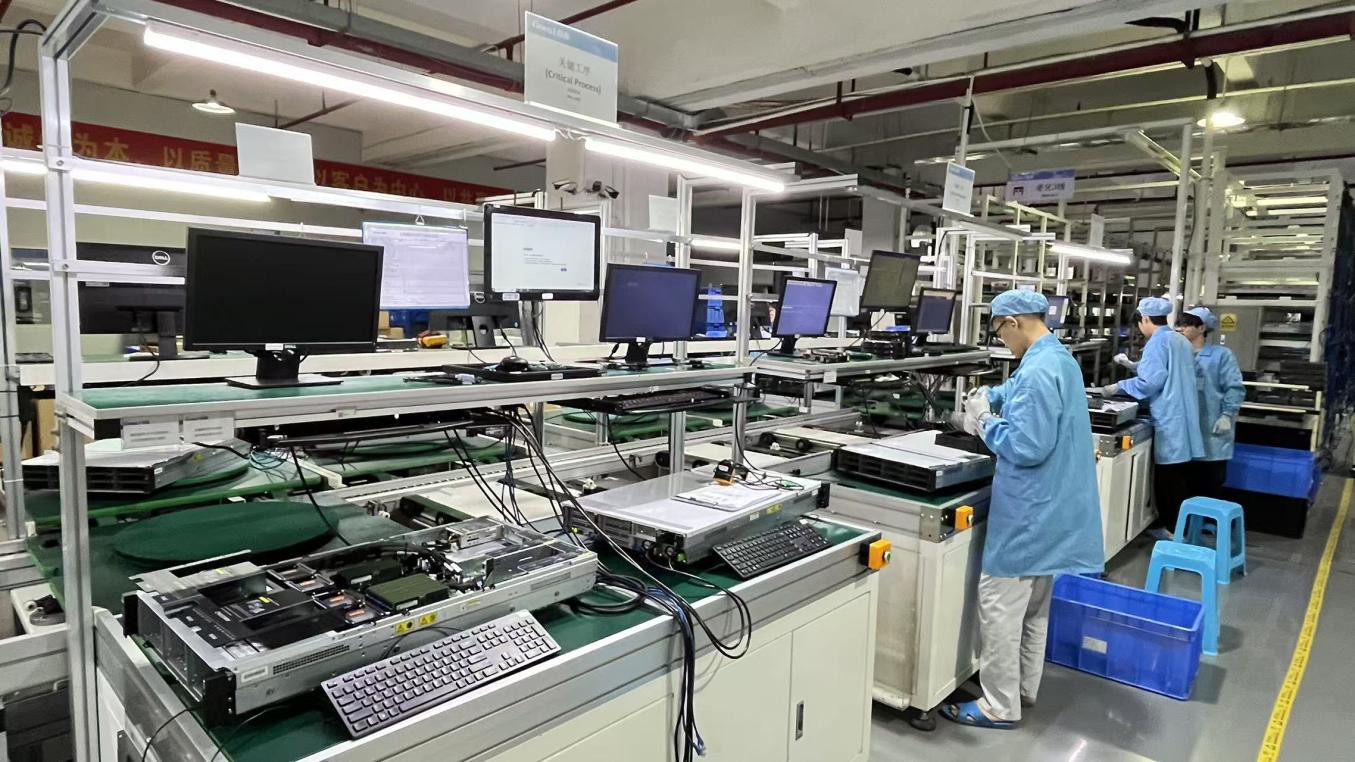
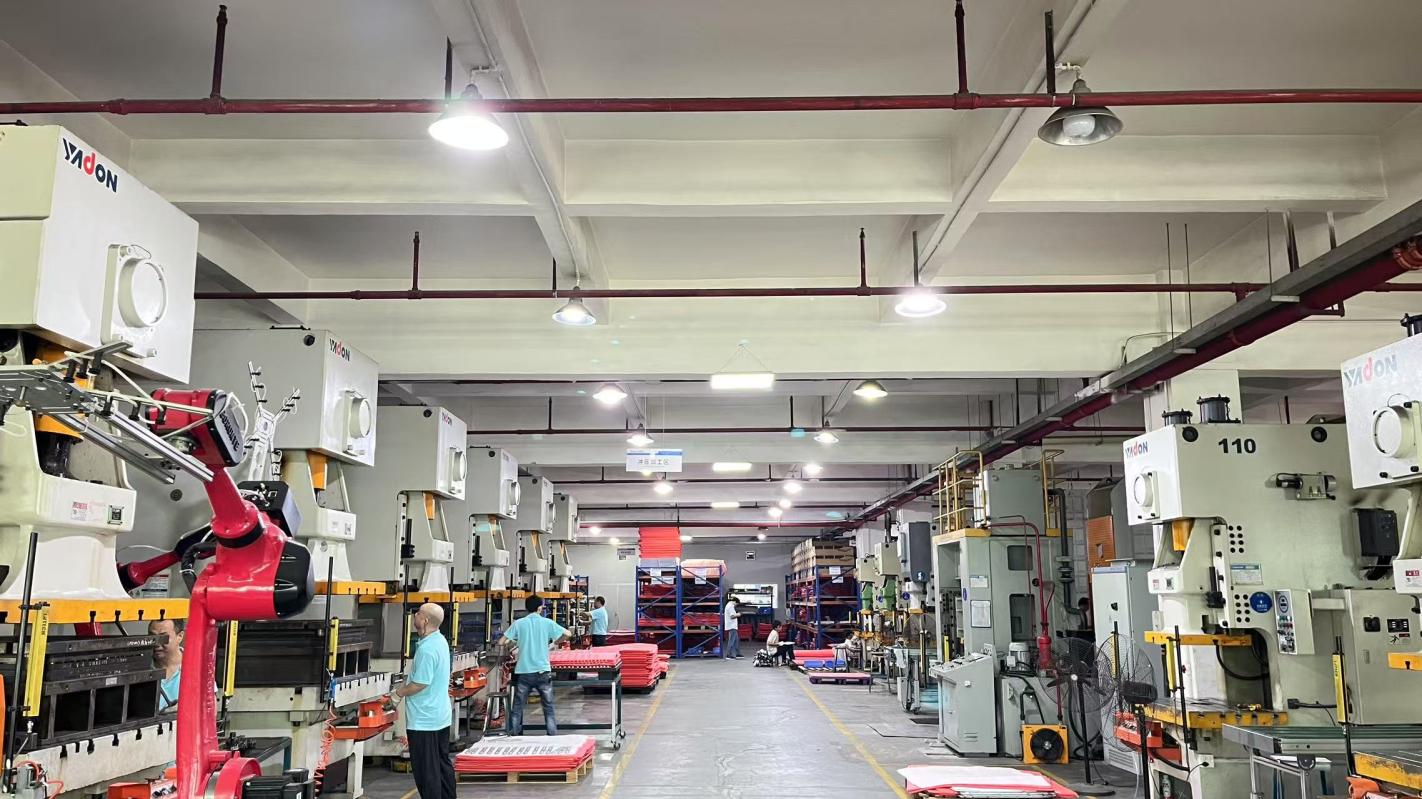
Operating a modernized, ESD-controlled 3,860㎡ manufacturing facility, we integrate high-speed automatic SMT production lines, advanced IC sorting equipment, and comprehensive verification platforms. Through continuous investment in memory architecture R&D, Novram delivers high-frequency, low-latency, and highly power-efficient memory modules engineered to process heavy computing workloads with maximum thermal stability.
Manufacturing memory modules requires more than just SMT mounting. Success depends on strategic component access, precise signal tracing, and immediate logistical adaptability. Located in Shenzhen, Novram leverages China’s premier electronic hub to deliver superior performance-to-cost ratios.
Direct relationships with top global IC manufacturers (Samsung, Micron, SK Hynix) ensure access to original wafer batches, protecting products from recycled chips.
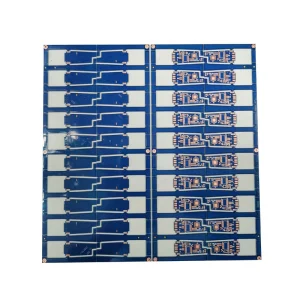
We utilize multi-layer PCB design configurations coupled with high-speed automated placement machines, minimizing cross-talk and optimizing signal integrity at peak frequencies.
Shenzhen’s component density streamlines logistics. From passive components to PCB bases and packaging, we reduce lead times and optimize costs.
Note on Sourcing Quality: Novram enforces a zero-tolerance policy against remarketed or downgraded DRAM components. Every module built in our factory is traceably linked to original silicon lots, meeting rigorous enterprise performance standards.
Modern hyperscale virtualization platforms demand memory with low latency and high bandwidth. Our registered DIMMs (RDIMMs) feature advanced on-die ECC architectures and dedicated Power Management ICs (PMIC) to handle continuous server loads.
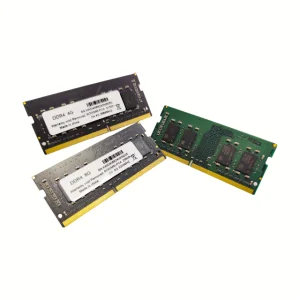
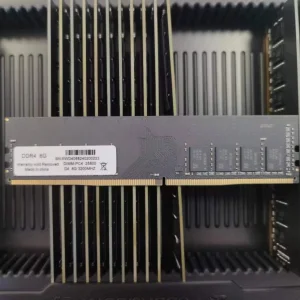
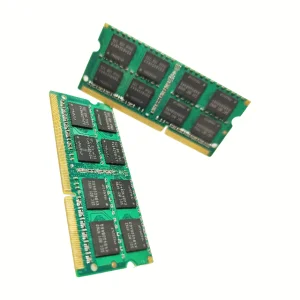
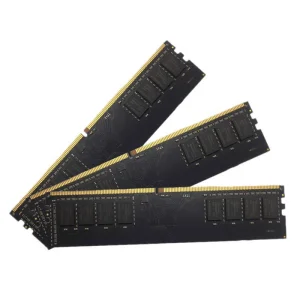
DDR5 RDIMM DDR4 ECC LRDIMMIndustrial equipment operates in challenging environments. Novram manufactures customized SO-DIMMs and UDIMMs with wide-temperature resilience, anti-sulfuration technology, and conformal coatings to prevent failure under physical stress.
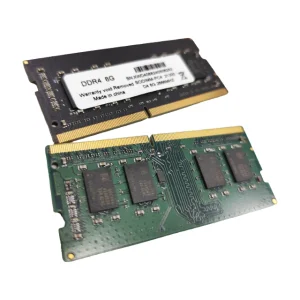
Wide Temp SODIMM ECC UnbufferedCompact computing boards, medical scanners, and smart automation systems require reliable, small-footprint memory. Our low-profile and micro-SO-DIMMs ensure system stability in space-constrained layouts.
Low-Profile VLP DDR4 SO-DIMMConsumer custom brands demand strict layout designs, efficient thermal solutions, and aggressive latency profiling. We engineer PCB architectures designed to support high-frequency profiles like XMP and EXPO.
DDR5 Custom Modules Aluminum HeatspreaderThe computing industry is undergoing a structural shift. The transition from DDR4 memory modules to high-frequency DDR5 is driven by the need for higher bandwidth in AI processing, machine learning models, and high-performance server clusters.
Unlike DDR4, which relies on the system motherboard for power management, DDR5 modules integrate a dedicated Power Management IC (PMIC). This migration ensures cleaner voltage regulation, minimizes noise levels, and reduces base power requirements from 1.2V to 1.1V, yielding improved operational efficiency.
Additionally, DDR5 integrates on-die Error Correction Code (ECC). By addressing bit-flip issues directly within the memory chip before sending data to the CPU, it enhances system stability, reduces server downtime, and ensures data integrity for enterprise operations.
Every batch of memory chips undergoes automated sorting, where margins for signal timing and thermal tolerances are verified before production.
Under strict ESD control, lead-free solder paste printing and automated 3D optical inspection (AOI) verify correct joint alignment across every module.
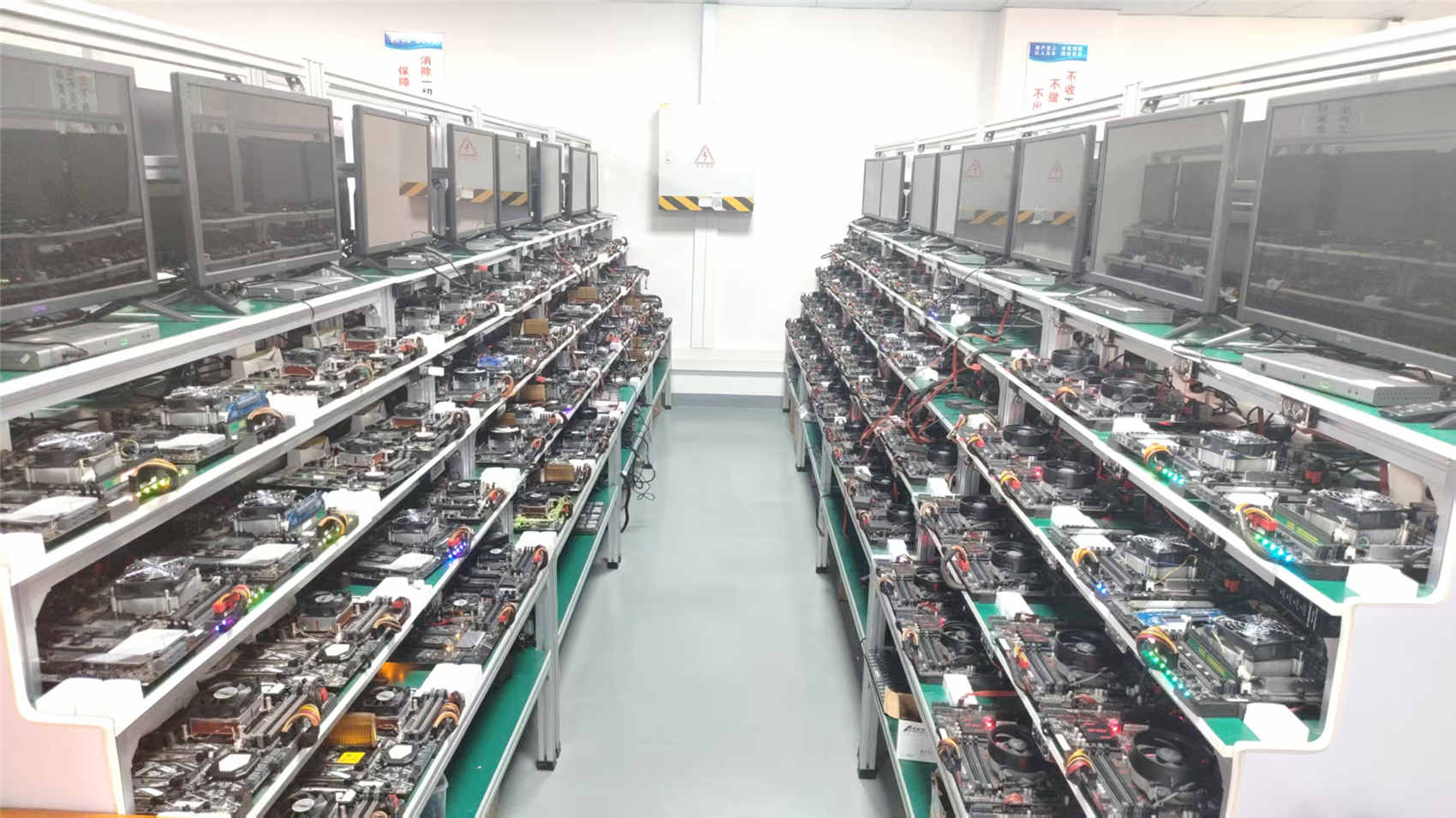
DRAM modules undergo high-temperature aging chambers under active load conditions to identify and isolate early component failures.
Novram Electronics provides comprehensive customization options to meet the needs of international memory brands and system integrators. Our OEM/ODM capabilities include:
Our 3,860㎡ facility integrates automated assembly lines, strict ESD safeguards, and precise testing chambers.

Through established distribution networks and direct partnerships, we secure original memory dies from major manufacturers (Samsung, SK Hynix, Micron). This prevents the integration of downgraded or remarketed chips, ensuring stable performance across all memory modules.
Yes. Our engineering team writes and validates customized SPD (Serial Presence Detect) firmware profiles. This ensures correct timing parameters and plug-and-play compatibility on legacy systems, custom BIOS architectures, and proprietary server systems.
Every module undergoes a strict testing regimen, including automated chip sorting, post-SMT AOI verification, motherboard boot compatibility testing across multiple chipsets, and thermal burn-in stress testing to prevent early component failure.
On-die ECC resolves single-bit errors directly within the DDR5 memory chip before transmitting data to the CPU, improving reliability. Side-band ECC, typically used in DDR4, requires extra data lines and processor support to correct errors system-wide.
Standard OEM orders are typically completed in 10-15 working days. For custom layouts, dedicated heatspreaders, or complex firmware engineering, timelines range from 20-30 working days, depending on verification requirements.