Novram Novram

OEM/ODM Single-Sided Circuit Boards Manufacturers & Suppliers

Precision Engineering, Scalable OEM Production, and Rigid Quality Standards for Global Electronics Supply Chains

Global Industrial Status of Single-Sided Printed Circuit Boards (PCBs)

Despite the proliferation of multi-layer high-density interconnect (HDI) technologies, the global demand for Single-Sided Printed Circuit Boards remains highly robust. For engineering teams, procurement managers, and OEM/ODM buyers, single-sided PCBs offer an irreplaceable blend of cost-efficiency, high thermal performance (when designed on metallic substrates), and rapid prototyping throughput. In the modern global electronics landscape, single-sided boards constitute the foundational infrastructure for power delivery systems, solid-state LED illumination arrays, household appliances, and specialized industrial sensor modules.
As cost-control dynamics and supply chain agility govern the global B2B procurement matrix, selecting an experienced manufacturer in Shenzhen, China—the epicenter of electronics manufacturing—enables companies to achieve optimal cost-per-unit performance. The ability to customize dielectric layers, choose specialized clad laminates (such as FR-4, CEM-1, and Metal Core), and utilize efficient surface finishes determines the operational longevity and thermal dispersion characteristics of the end electronic product.
9+
Years Industry Experience
3,860㎡
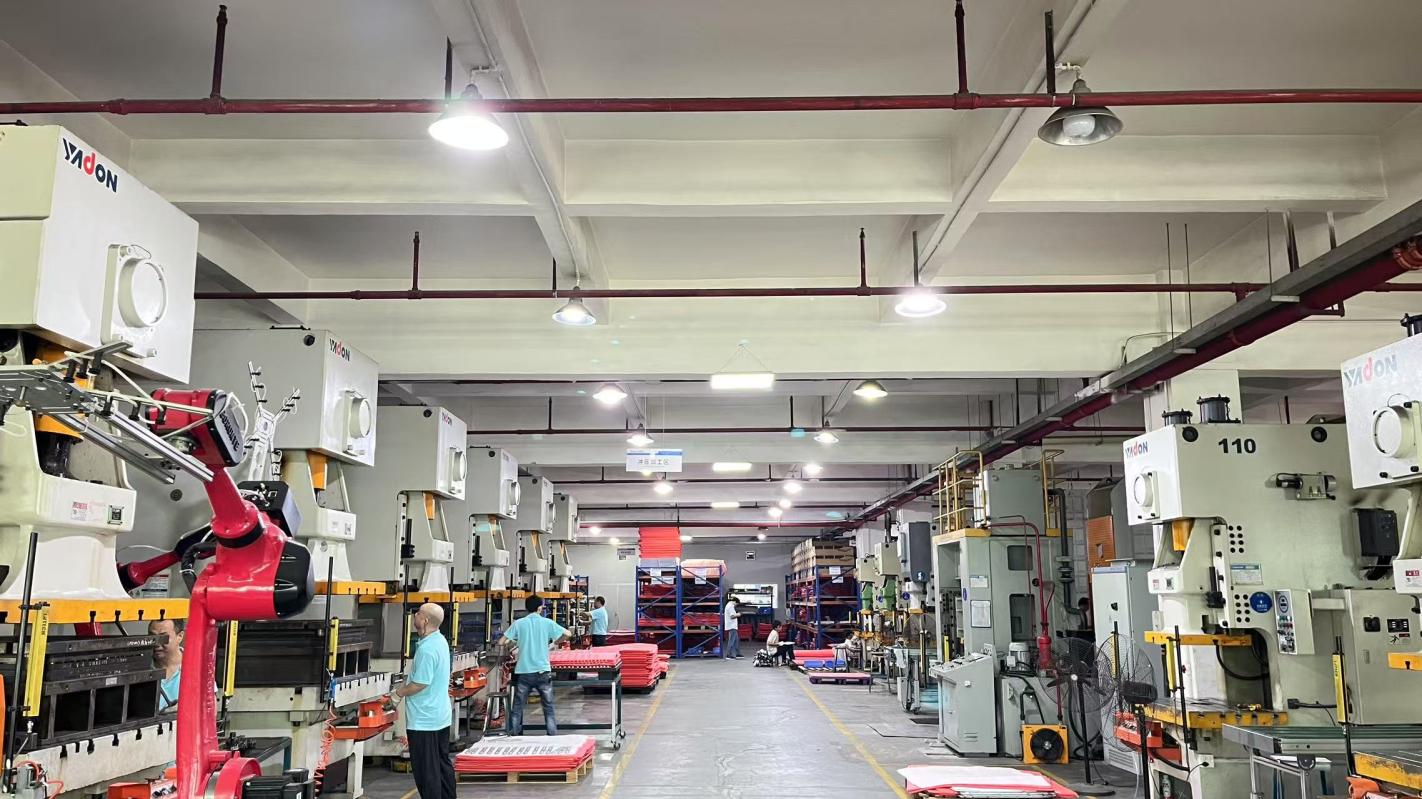
Modern Manufacturing Facility
76
Expert R&D Engineers
860+
Supply Chain Partners

Technical Material Science: Anatomy of Single-Sided PCBs

A single-sided circuit board comprises a single conductive copper foil bonded to a non-conductive dielectric substrate. The design optimization begins with selecting the correct substrate based on thermal conductivity, mechanical rigidity, and electrical insulation. Here is an overview of the materials utilized in modern OEM/ODM single-sided PCB assembly:

FR-4 (Flame Retardant 4)

The industry standard for mechanical strength and electrical insulation. Composed of woven fiberglass cloth impregnated with an epoxy resin binder. Ideal for standard industrial controllers, motherboards, and general-purpose circuitry requiring mechanical stability under diverse ambient environments.

Aluminum & Metal Core (MCPCB)

Features a metal base layer (typically aluminum or copper) bonded with a thin, highly thermally conductive dielectric layer and the copper circuit layer. Essential for high-power LED systems, automotive headlights, and power converter components where heat dissipation is critical to prevent thermal breakdown.

CEM-1 & CEM-3

Composite Epoxy Materials designed as cost-efficient alternatives to FR-4. CEM-1 uses a paper-based core sandwiched between glass fabric layers, perfect for low-cost, high-volume consumer goods. CEM-3 offers mechanical properties very close to FR-4 but at a reduced material expense.

Substrate Parameter FR-4 Grade CEM-1 / CEM-3 Metal Core (MCPCB)
Thermal Conductivity (W/m-K) 0.25 - 0.40 0.20 - 0.35 1.0 - 4.0+ (Customizable)
Glass Transition Temp (Tg) 130°C - 180°C 110°C - 130°C N/A (Metal Base)
Dielectric Breakdown (kV) > 40 > 35 > 3.0 (Dielectric Layer limit)
Peel Strength (N/mm) > 1.5 > 1.2 > 1.4
Optimal Application Scenarios General Controllers, Motherboards Power adapters, low-cost consumer electronics High-power lighting, automotive electronics, power systems

Localization Scenarios & Applied Engineering Use Cases

In local industrial hubs worldwide—from North American automotive assemblies to European smart-meter manufacturing lines—OEMs face unique environmental and mechanical integration challenges. High-quality single-sided PCBs are tailored to meet these regional operational conditions:

1. Automotive Sensor & Internal Lighting Panels

Modern vehicles depend heavily on distributed electronic sub-systems, such as gear shifters, climate control panels, and interior ambient LED lights. For these applications, high-durability single-sided MCPCBs provide extreme reliability in high-vibration automotive environments, resisting thermal fatigue over operating ranges from -40°C to +125°C.

2. Smart Utility Grid Meters

Municipal electrical and gas networks deployment demands utility-grade reliability with decades of continuous uptime. Single-sided FR-4 boards are widely used in telemetry modules and power modules due to their electrical separation properties, shielding internal logic units from potential high-voltage grid transients.

3. Heavy Industrial Power Regulators

In manufacturing sites, electric motors require specialized variable-frequency drives (VFDs) and high-current power switching components. Through-hole single-sided circuits utilizing heavy copper layers (up to 3oz or 4oz) allow high-current loads to flow efficiently without overheating the board material.

4. High-Performance Motherboards & DRAM Peripherals

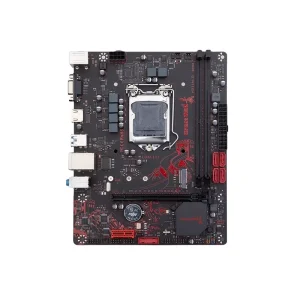
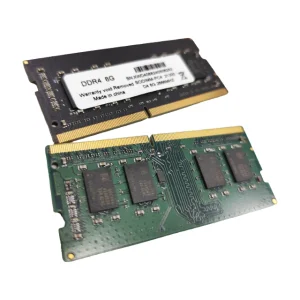
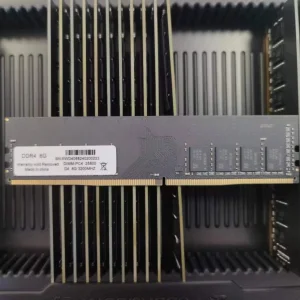
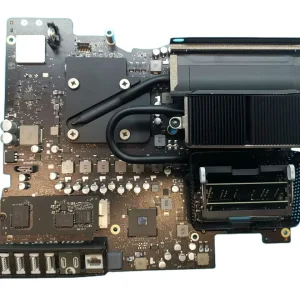
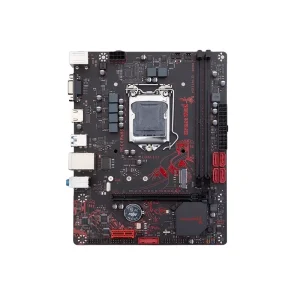
Peripheral hardware boards, fan controller boards, and interface cards for high-speed computation (compatible with desktop environments like Intel H311M-G systems or high-bandwidth server memory modules) rely on secondary single-sided controller boards for power routing. These auxiliary boards prevent electromagnetic noise coupling into sensitive data lines.

Technical Roadmap & Future Outlook (2025–2030)

The future of single-sided PCB manufacturing is driven by three main factors: ecological sustainability, advanced material integration, and automation-compatible component placement. As global regulatory bodies impose tighter environmental constraints, our engineering roadmap adapts to keep clients ahead of compliance and technology curves:

Halogen-Free & Bio-Based Resins

Moving away from traditional brominated flame retardants to natural, high-Tg bio-resins that significantly reduce environmental footprint during end-of-life recycling without compromising electrical isolation.

Direct Imaging & Solder Mask Additives

Direct Laser Imaging (LDI) eliminates traditional film tools, achieving down to 3 mil trace/space tolerances. Solder mask formulations now include reflective elements for LEDs and high-heat resistance pigments for automotive engines.

Ultra-Thin Copper Clad Foil

Adapting 1/3 oz (12µm) and thinner copper foils to allow ultra-fine track etching for miniaturized IoT nodes, wearable medical trackers, and flexible, light-weight smart labels.

Shenzhen Logistics & OEM Supply Chain Efficiency

Manufacturing electronic components in the Shenzhen region provides direct access to the world's most concentrated electronics supply network. Our factory, Novram Electronics Co., Ltd., utilizes these local resources to offer rapid production, competitive pricing, and reliable lead times.

With over 860 qualified supply chain partners, we source raw laminates (FR-4, CEM, Aluminum), copper foil, chemical solutions, and custom packaging materials locally. This clustering minimizes internal transport delays and protects our operations from global raw material disruptions.

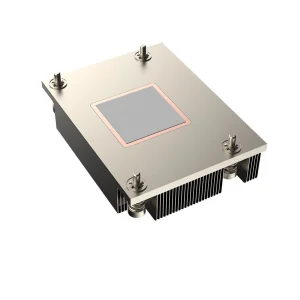
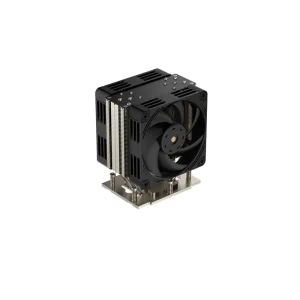
Additionally, Shenzhen's proximity to major international cargo ports and airports ensures fast logistics. Whether shipping finished circuit boards, custom memory modules, or heatsinks, our export channels support reliable shipping to over 40 countries, generating an annual export revenue of US$18.6 million.

Logistics Metric Novram Benchmark Capability
Prototype Turnaround 24 - 48 Hours (Express Service)
Mass Production Lead-time 7 - 10 Working Days
Supply Partners Checked 860+ Vetted Components Vendors
Annual Export Revenue US$ 18.6 Million (Global Shipping)
Port Proximity Shenzhen Port & Hong Kong Hub

Rigid Quality Assurance & Regulatory Compliance

At Novram Electronics Co., Ltd., quality is our priority. Every step of our PCB manufacturing and assembly process is managed by an experienced quality control team, ensuring high reliability for industrial applications.

100% Comprehensive Testing

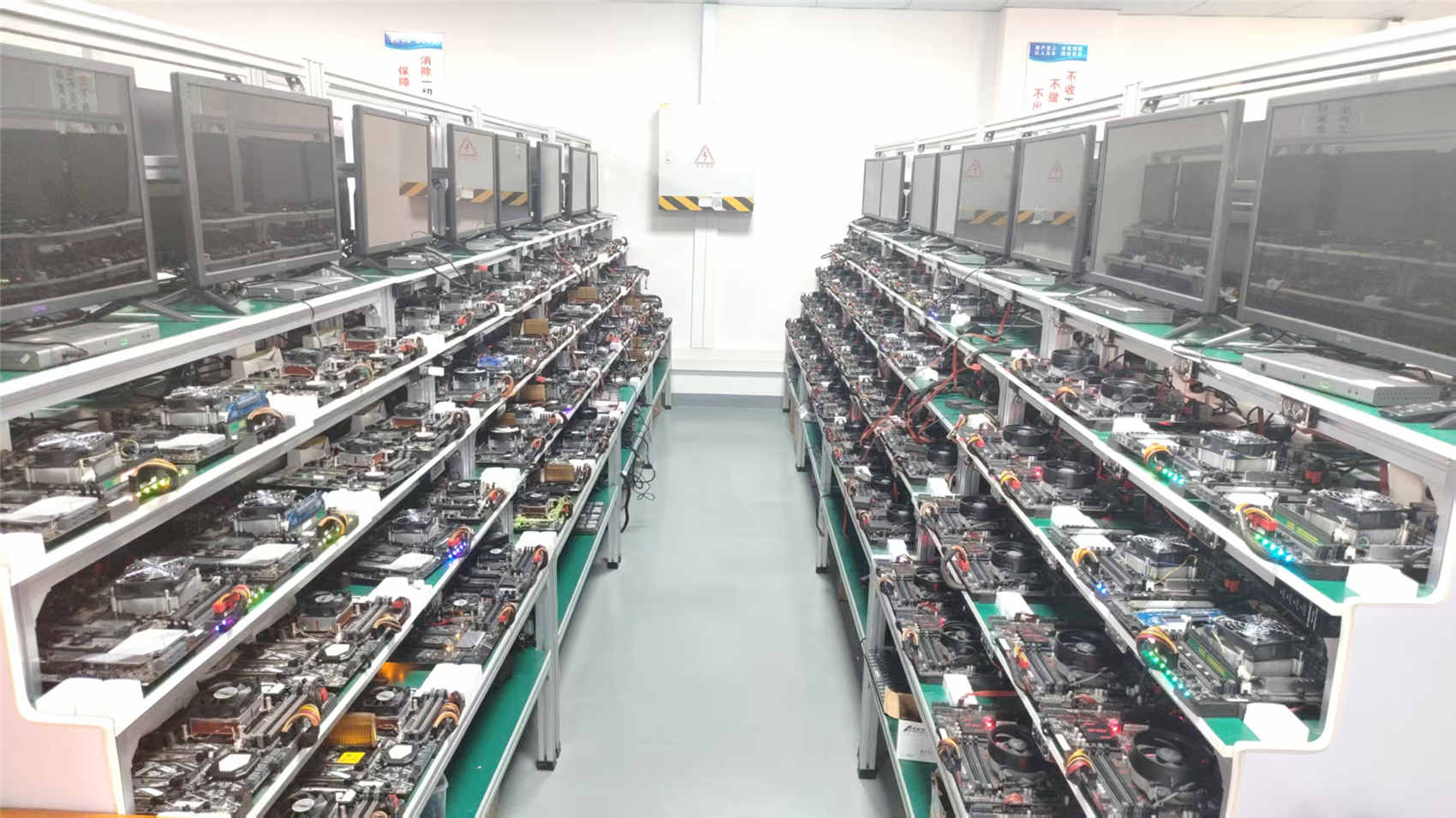
Every batch undergoes rigorous quality checks: Automatic Optical Inspection (AOI), In-Circuit Testing (ICT), functional testing, high-temperature burn-in tests, and thermal aging verification to prevent early failures.

42 Professional QC Inspectors

Our QA department employs 42 certified inspectors who monitor material receiving, wet processing, dry etching, drilling, and packaging. We maintain traceability records for every manufacturing lot.

International Certifications

We comply with global environmental and safety directives. Our production meets RoHS and REACH requirements for hazardous substance control, and we offer UL-certified boards on request.
About Novram Electronics Co., Ltd.

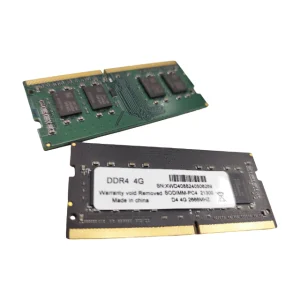
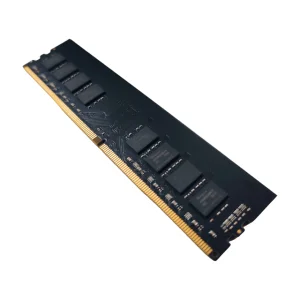
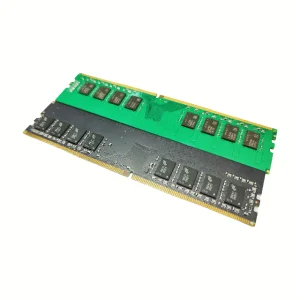
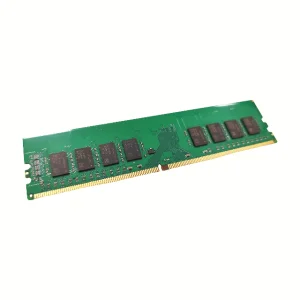
Novram Electronics Co., Ltd. is a professional DDR5 memory manufacturer based in Shenzhen, China, dedicated to delivering high-performance DRAM solutions for global OEM, ODM, and industrial customers. Established in 2016, the company has grown into a reliable supplier of DDR5 memory modules, serving partners across consumer electronics, industrial automation, embedded systems, gaming, and enterprise computing.
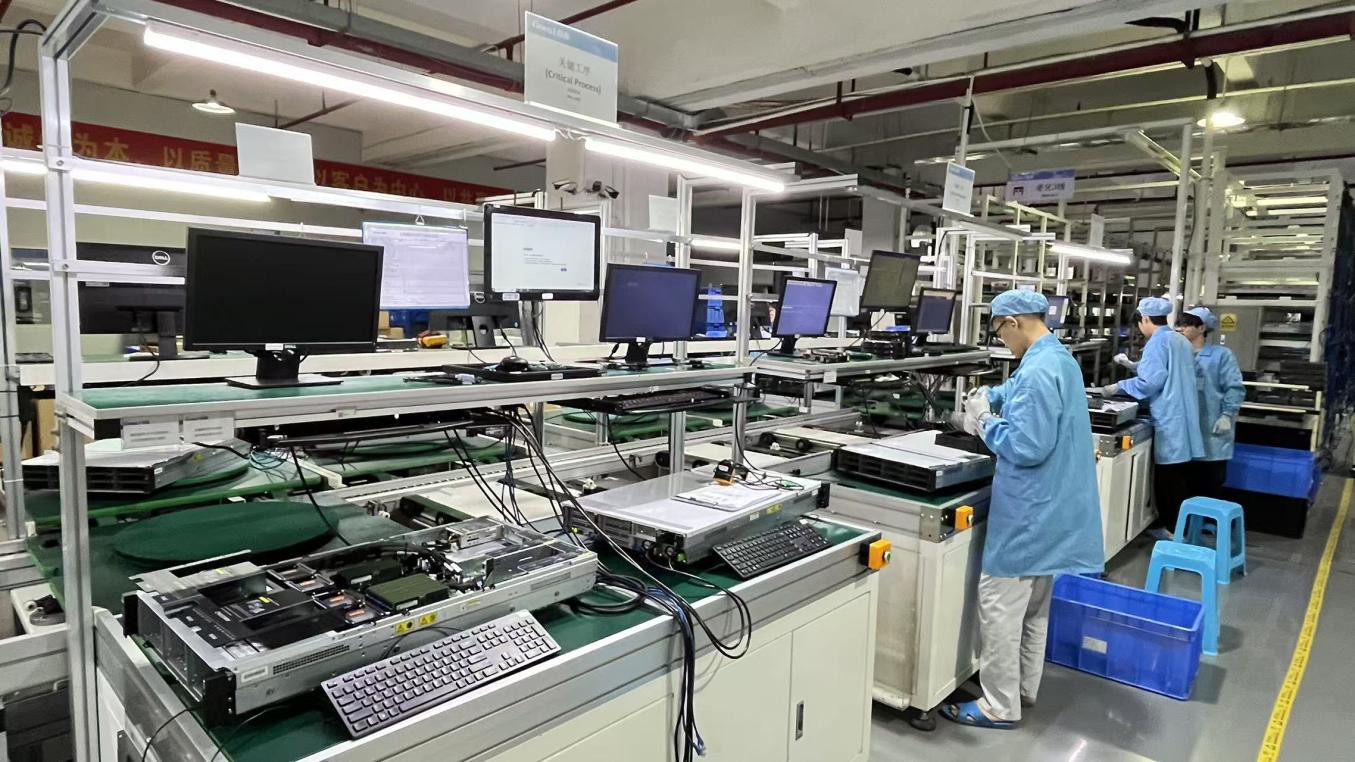
Operating from a modern 3,860㎡ manufacturing facility, Novram integrates advanced production equipment, strict quality management, and continuous R&D innovation to ensure every memory module meets international performance and reliability standards. Our experienced engineering team focuses on developing high-speed, stable, and energy-efficient DDR5 products for diverse computing applications.
With 9 years of industry experience and 7 years of export experience, Novram exports products to customers in more than 40 countries. The company achieves an annual export revenue of approximately US$18.6 million, supported by an efficient global supply chain and responsive customer service.
Quality is at the core of everything we do. Every DDR5 memory module undergoes 100% functional testing, compatibility testing, burn-in testing, temperature testing, and aging verification before shipment. Our quality control department consists of 42 professional inspectors, ensuring consistent product performance and long-term reliability.
Novram maintains strong partnerships with over 860 qualified supply chain partners, enabling stable production capacity and reliable component sourcing. Our primary customers include memory module brands, computer manufacturers, industrial PC companies, system integrators, distributors, wholesalers, and OEM/ODM partners worldwide.
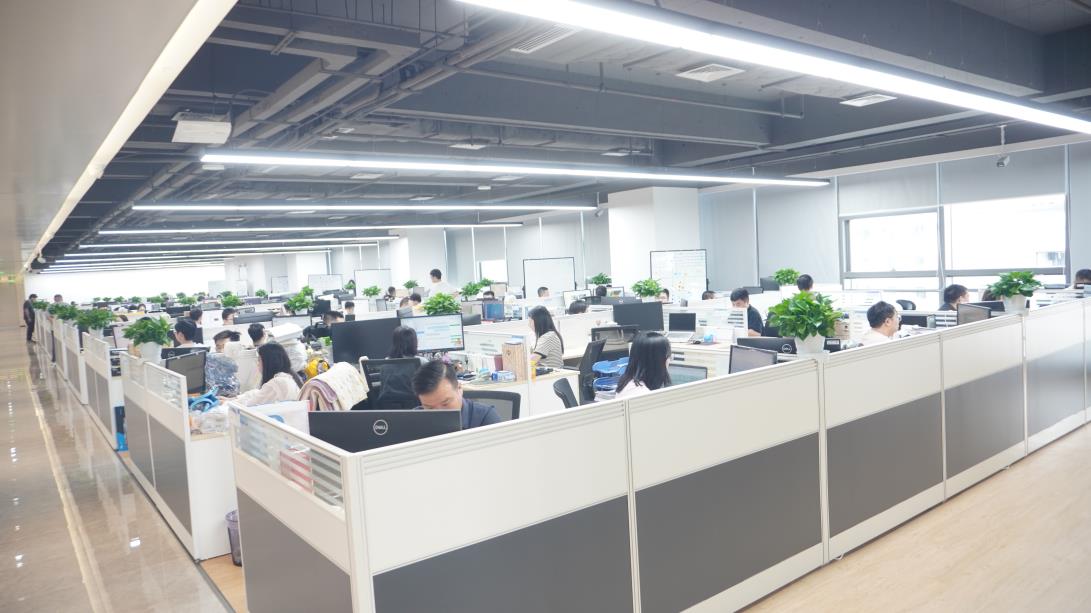
Innovation drives our competitiveness. Our dedicated R&D center is staffed by 76 experienced engineers, allowing us to introduce approximately 138 new products each year. We provide comprehensive OEM, ODM, private label, logo printing, packaging customization, capacity customization, firmware optimization, and product specification customization to meet different market requirements.
Today, Novram continues to invest in advanced manufacturing technologies, strict quality assurance, and customer-focused innovation. Our mission is to become a trusted global partner for high-performance DDR5 memory solutions by delivering reliable products, flexible customization, competitive pricing, and professional technical support.

Frequently Asked Questions (FAQ)

Common technical and commercial questions answered by our engineering and sales teams.
What is the minimum order quantity (MOQ) for custom OEM single-sided PCBs? +
For standard single-sided PCBs (FR-4, CEM-1, CEM-3), our prototype run MOQ starts at 5 pieces for evaluation. For mass production runs, the standard MOQ is 50 to 100 square meters, depending on board complexity and size. For custom metal-core substrates (MCPCBs), MOQs vary based on specific material configurations.
Which surface finishes do you recommend for high-power LED applications? +
For LED boards built on aluminum or copper substrates, we recommend Electroless Nickel Immersion Gold (ENIG) or Organic Solderability Preservatives (OSP). ENIG offers excellent planarity for SMD LEDs and reliable thermal contact, while OSP is a cost-effective alternative that maintains high solderability for lead-free processing.
How does Novram Electronics manage testing and QA for OEM board orders? +
We use a multi-stage testing process. After pattern etching, boards are checked using Automated Optical Inspection (AOI) to verify trace width and detect open or short circuits. We also perform electrical testing (flying probe or fixture testing). For assembled boards, we run functional testing and thermal cycling to verify performance under load.
What files do I need to submit to get an accurate manufacturing quote? +
We require standard Gerber files (RS-274X format or ODB++ format), including copper layers, solder mask layers, legend/silkscreen layers, drill files, and the board outline. A detailed drill drawing and a readme file with material parameters (thickness, copper weight, surface finish, and color) are also needed.
Do you provide custom impedance control on single-sided designs? +
Yes. While impedance control is more common on multi-layer designs, we can model and control impedance on single-sided microstrip boards. Let our engineering team know your target impedance (e.g., 50 Ohm or 90 Ohm differential) so we can adjust the trace width and dielectric height accordingly.