Novram
Novram
Novram
Direct-from-manufacturer high-performance cooling arrays, server motherboards, DRAM modules, and flexible printed circuits optimized for modern data center architectures.
Modern industrial engineering demand is shifting rapidly from isolated mechanical frameworks to integrated computational systems. High-intensity applications such as automated industrial machinery, edge computing clusters, and real-time sensor processing networks require highly specialized sub-components. Global procurement managers now prioritize suppliers that can deliver not just raw materials, but the thermal management arrays, memory modules, and multi-layer interconnects that form the backbone of modern industrial computers.
With global supply chain vulnerabilities highlighting the need for redundant, certified supply lines, OEMs and ODMs must secure components that balance strict cost targets with high-tolerance longevity. This has driven deep engineering alignment between system integrators and specialized technology exporters, particularly in East Asia's highly integrated tech corridors.
"The convergence of industrial automation with real-time AI inference at the edge has elevated the requirement for specialized PCBs and enterprise-grade thermal management tools. Component validation cycles have shrunk from years to months, making partner agility the ultimate market differentiator."
— Industrial Systems Architect, Novram R&D
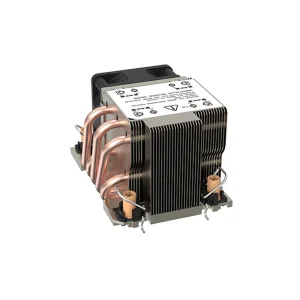
Deep dive into cooling profiles for Intel Xeon LGA 4677 and AMD AM5 architectures operating under constant thermal envelopes up to 300W.
Vapor chamber integration allows heat-sinks to spread transient heat loads evenly across high-density aluminum fin arrays. Necessary for tight server enclosures (1U/2U) where traditional copper heat pipes face vertical height constraints.
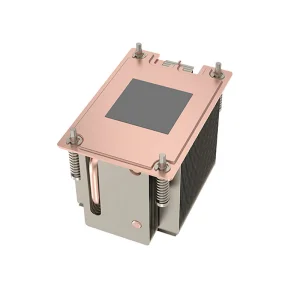
4U rack-mount and industrial server blocks utilize dual-coolant systems where closed-loop water plates target high-density multi-die packages, while direct airflow supports adjacent VRM elements.
Low-vibration cooling fans utilize 4-pin PWM controls with magnetic levitation bearings, minimizing system resonance and mechanical wear inside continuous-operation edge server modules.
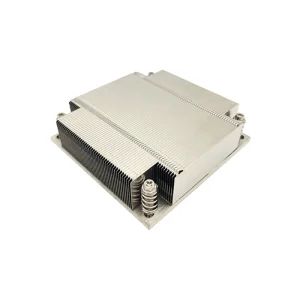
With Intel LGA4677 and AMD AM5 socket designs moving toward complex chiplet modules, local hotspots are increasingly concentrated. High-power density demands highly flat thermal transfer blocks. To resolve this, specialized raw material vendors use vacuum-soldered copper bases matched with precision-milled micro-fins down to 0.2mm pitch. This allows an air-cooled server block like the 300W LGA 4677 or a compact 1U 95W cooler to handle thermal spikes without triggering silicon throttle phases.
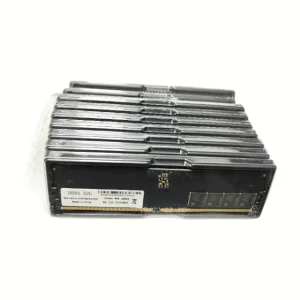
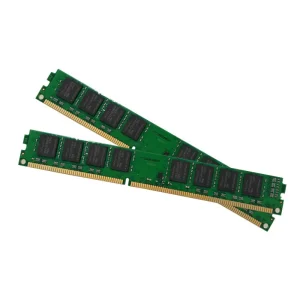
The global shift from DDR4 to DDR5 is not merely a speed upgrade; it is a fundamental architectural rewrite of the system memory bus. In industrial automation and enterprise cloud computing, data throughput is severely throttled by DDR4's single-channel 64-bit bus width. DDR5 addresses this by splitting the memory interface into two independent 32-bit subchannels, drastically improving command efficiency and memory access granularity.
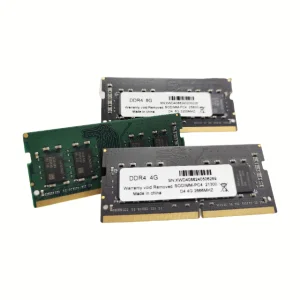
Furthermore, DDR5 shifts power management directly onto the DIMM board via a Power Management Integrated Circuit (PMIC). In older configurations like standard notebook DDR4 RAM or DDR4 server modules, power conversion was handled on the motherboard, leading to signal degradation and heat pooling near the CPU socket. Moving the PMIC to the memory card allows for precise 1.1V control, lowering power draw while delivering better noise margins.
| Parameters | DDR4 (Enterprise) | DDR5 (Industrial / AI) |
|---|---|---|
| Data Rates | 1600MHz to 3200MHz | 4800MHz to 6400MHz+ |
| Operational Voltage | 1.2V | 1.1V |
| Power Management | Motherboard Embedded | On-DIMM PMIC (Optimized) |
| Error Correction | Side-band ECC (Optional) | On-Die ECC (Standard native) |
| Sub-channel Count | 1 x 64-bit | 2 x 32-bit (Dual Independent) |
A major design element of DDR5 memory modules (such as Novram’s 32GB 5600MHz arrays) is the inclusion of native On-Die Error Correction Code (ECC). As memory cell density increases to pack higher storage capacities into compact modules, physical cell leakage becomes more common. On-Die ECC repairs single-bit faults internally before the data reaches the system host, ensuring high-frequency computational clusters run continuously without system memory panics.
For multi-gigabit signal paths, RF hardware, and dense microelectronics, the substrate choice determines the physical limits of signal transmission.
In high-speed backplane design, typical FR4 glass epoxy substrates exhibit significant signal loss (dielectric loss) at frequencies above 3 GHz. Design engineers targeting industrial telecommunications, radar, or high-speed data acquisition boards must employ high-performance materials such as Rogers 4000 series or high-Tg FR4 (TG170). These materials maintain a stable dielectric constant (Dk) across wide temperature swings and frequency spectrums, minimizing signal skew and wave reflections.
Additionally, mixed-pressure multi-layer boards—where Rogers and FR4 laminates are co-pressed into a single hybrid PCB—offer an optimized cost-to-performance ratio. High-frequency RF traces are routed on the premium Rogers outer layers, while control and power paths are embedded in the lower-cost inner FR4 layers.
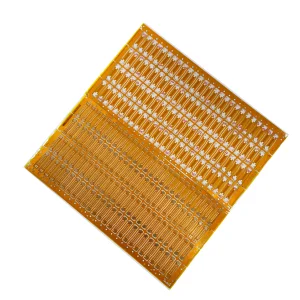
For applications constrained by tight spatial envelopes, such as custom medical terminals, complex industrial keyboards, and portable instrumentation, rigid PCB configurations are often impractical. Flexible Printed Circuit (FPC) modules using polyimide films allow designers to fold, twist, and slide interconnect lines through complex geometric tracks. Combining 1-2 layer flexible arrays with surface-mounted components (PCBA) creates robust, low-weight control interfaces that withstand long-term mechanical stress.
Established in 2016 in the global electronics hub of Shenzhen, China, Novram Electronics Co., Ltd. has developed a vertically integrated manufacturing infrastructure designed for industrial scale and custom engineering. Operating from a modern 3,860㎡ factory, the company handles high-density DRAM assembly, multi-layer PCB routing, and high-precision SMD light bead array mounting on a single floor.
To maintain product performance across critical aerospace, medical, and server domains, Novram employs a team of 76 R&D engineers and 42 professional quality inspectors. Each production lot undergoes a rigorous quality protocol. This includes automated optical inspection (AOI), X-ray alignment checking for BGA balls, and extended thermal burn-in chambers that simulate harsh field environments before shipment.
With an established network of over 860 qualified supply chain partners, Novram supports a reliable, high-yield product output. It serves system integrators and distributors in over 40 countries, generating an annual export value of approximately US$18.6 million.
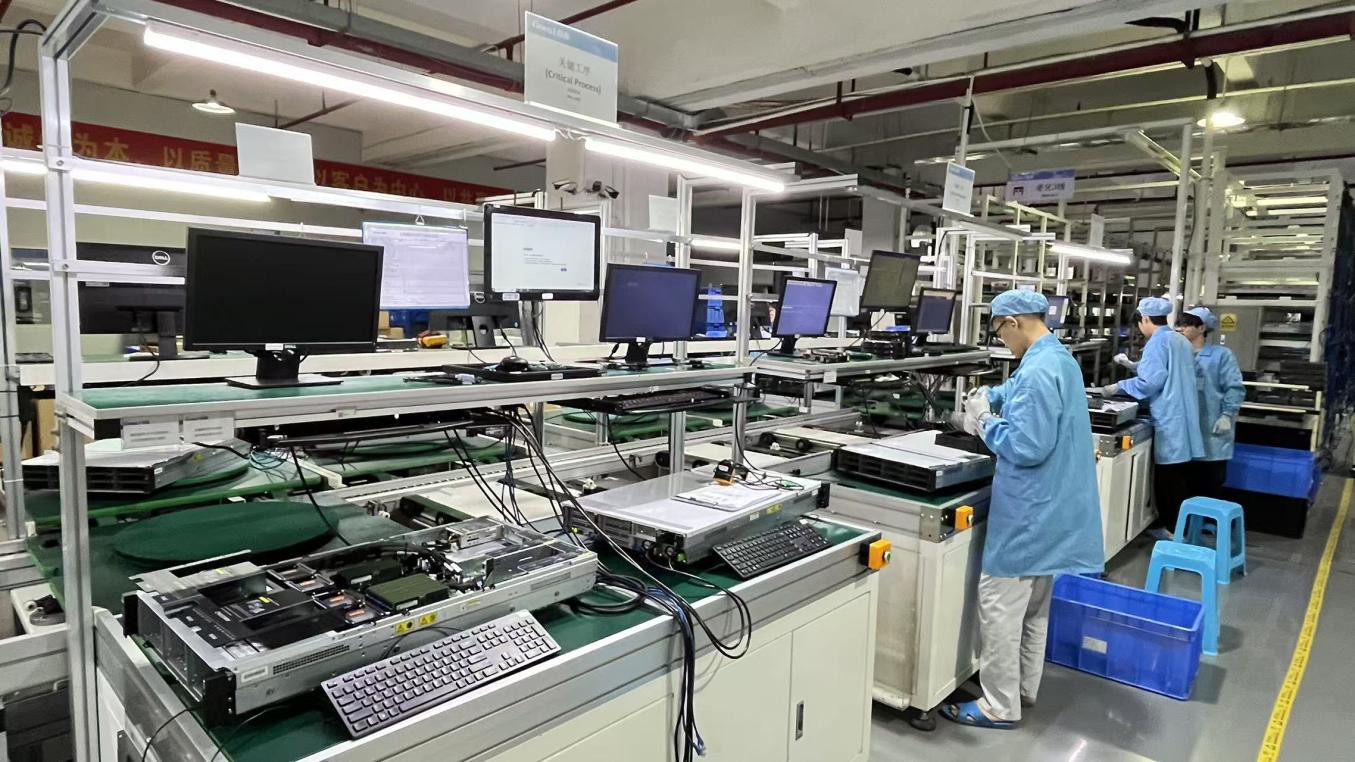
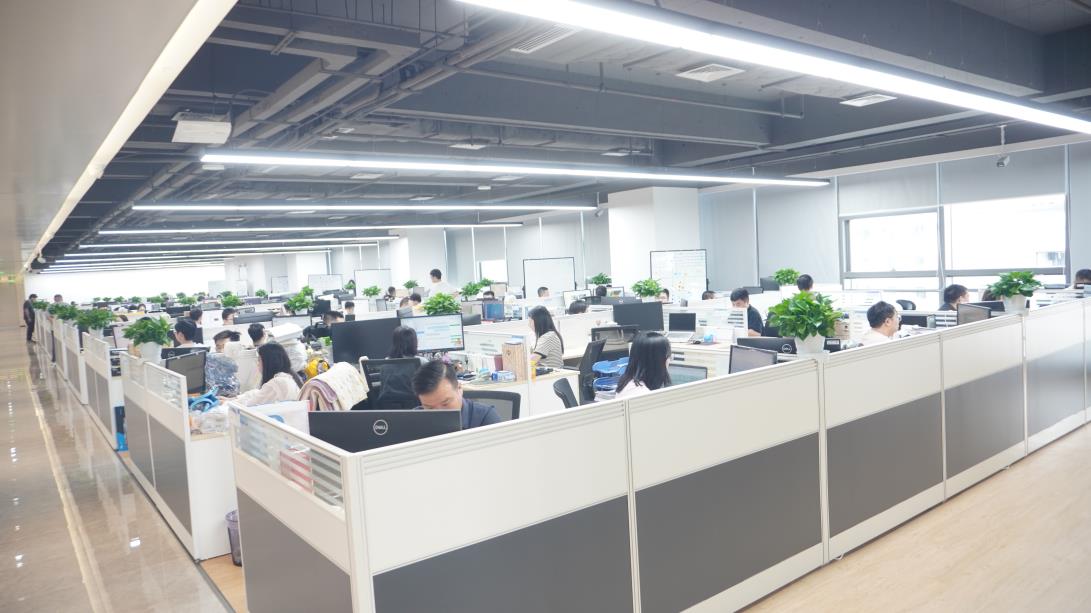
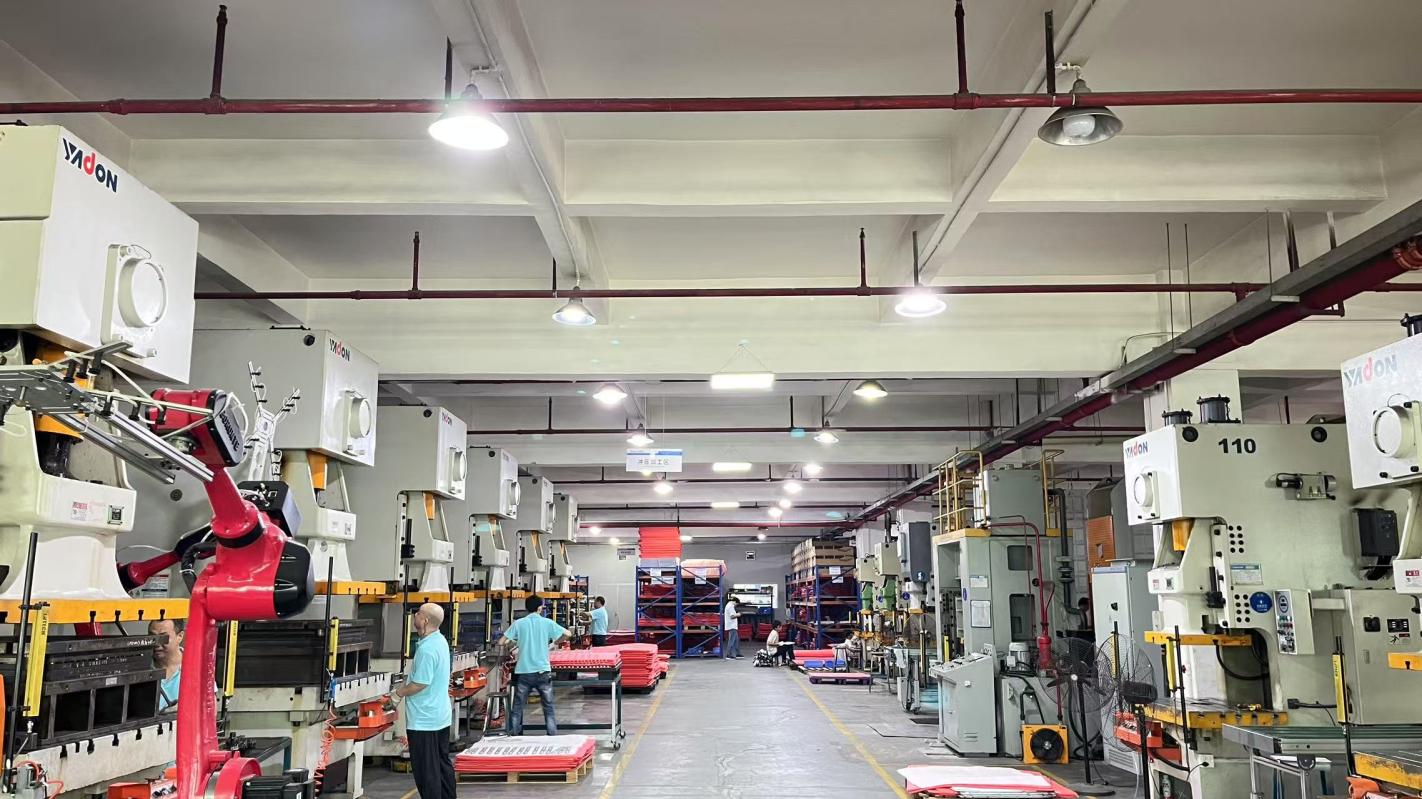
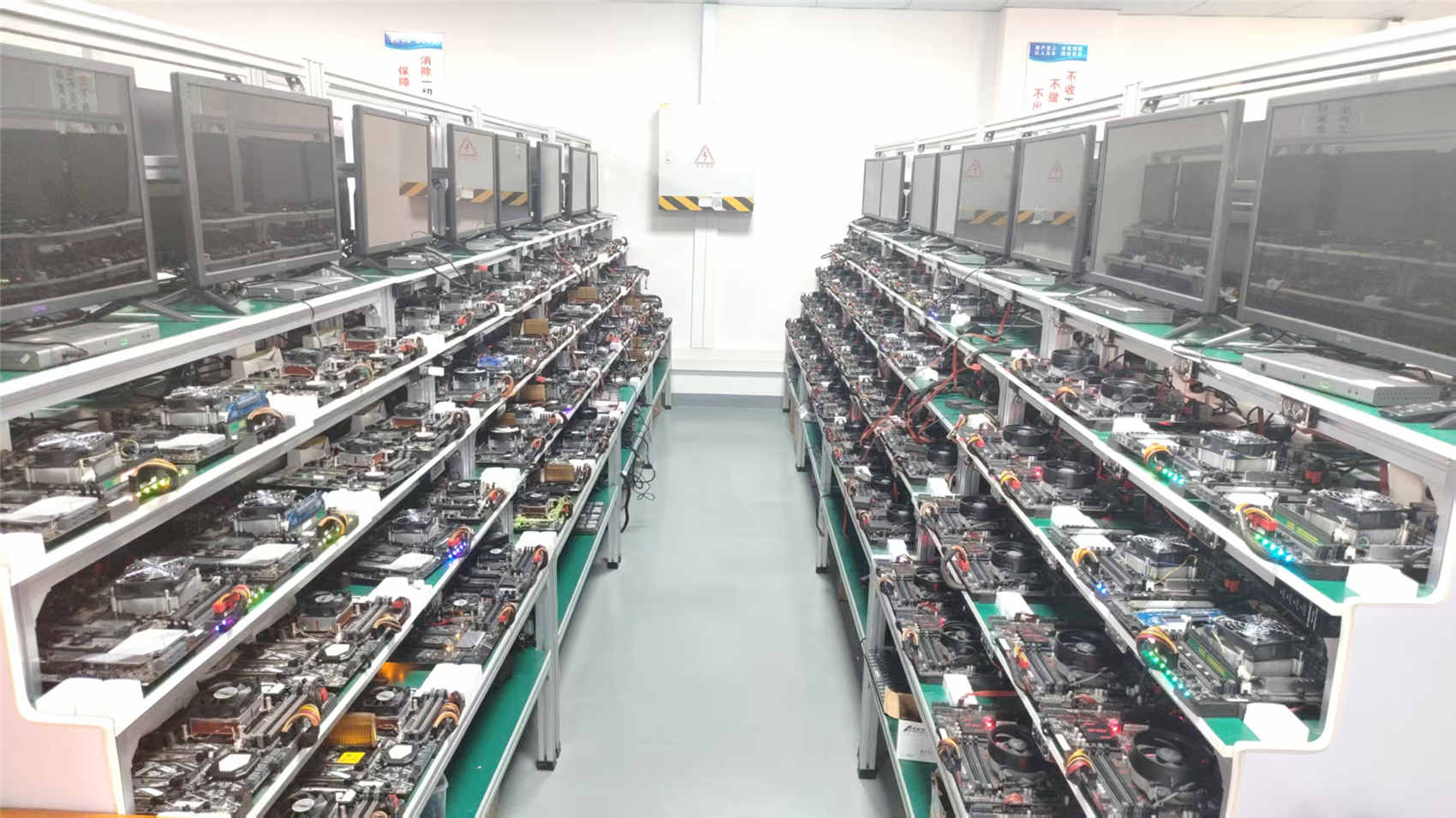
Inside Novram's manufacturing center: high-speed SMT placement machines, continuous burn-in verification ovens, and specialized ESD-safe micro-packaging arrays.
How industrial compute, thermal control, and multi-layer PCBs integrate into specialized, compliance-driven global markets.
High-density GPU nodes require high-frequency RAM (DDR5 5600MHz+) and specialized server coolers (such as 300W LGA 4677 assemblies) to manage thermal output during extended model training and inferencing workloads.
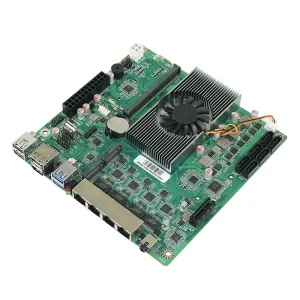
In factory control rooms, systems rely on Mini-ITX motherboards (like N100 systems) paired with custom high-Tg PCB backplanes. These components must be rated to withstand dust, high humidity, and vibration.
Medical imaging systems require low-noise signal processing boards. This demands Rogers 4000 mixed-pressure PCBs to minimize signal noise, alongside FPC keyboard circuits that allow clean, sealed surfaces.
Navigating different markets requires strict compliance with international standards. To ensure trouble-free integration into Western enterprise networks, all products comply with CE, FCC, RoHS, and REACH directives. Novram's R&D department provides full localization documentation, including signal integrity simulation files, thermal maps, and material declaration datasheets. This speeds up safety approvals and helps streamline product verification for clients.
High-performance DDR4 modules, double-sided prototype boards, multilayer circuits, and customized water cooling units for server architectures.
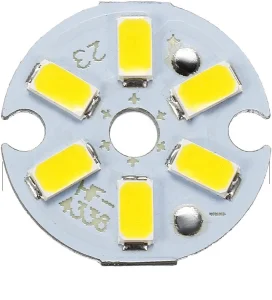
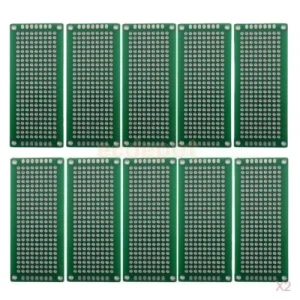
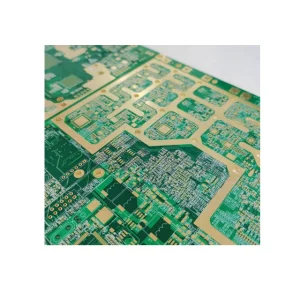
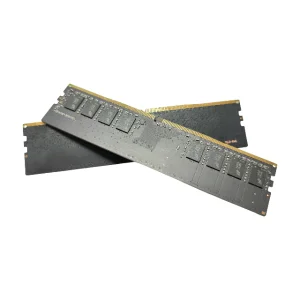
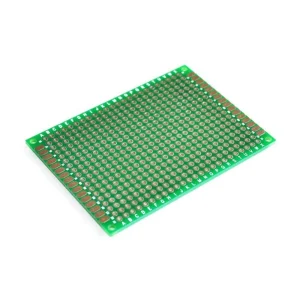
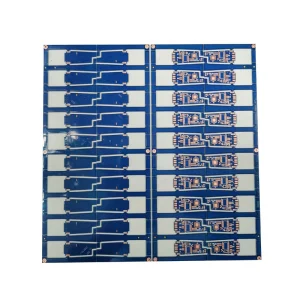
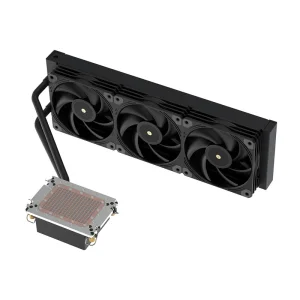
How emerging network demands shape development strategies for cooling technologies, interconnects, and DRAM architectures over the next decade.
As CPU core counts grow, traditional memory slots face bandwith limits. Future industrial memory controllers will adopt the CXL standard. This allows pools of DDR5 RAM to be shared dynamically between CPUs, accelerators, and smart network interfaces (SmartNICs), reducing data latency across clusters.
As cooling demands push past 400W per socket, traditional thermal paste is being replaced by phase-change sheets and direct-contact liquid-metal matrices. These new materials are built directly into customized server heat sinks to prevent thermal degradation over years of operation.
In high-speed PCB fabrication, the shift toward High-Density Interconnects (HDI) is accelerating. By using micro-vias, ultra-thin substrates, and cavity-embedded passive components, engineers can reduce path distances, which minimizes signal loss for high-frequency applications like 5G and 6G devices.
Detailed answers to common engineering questions regarding server thermal limits, high-frequency PCB substrates, and memory stability.