Novram
Novram
Novram
Precision-engineered components serving as the vital backbone for intelligent control systems, thermal management devices, and PDU controller boards.
An authoritative guide detailing global manufacturing topologies, technological evolution, supply chain paradigms, and compliance standards for hardware engineers and infrastructure procurers.
As modern cloud datacenters, high-performance computing (HPC) clusters, and edge networks adapt to dense AI workloads, the humble Power Distribution Unit (PDU) has transitioned from a simple multi-outlet power strip to a sophisticated intelligence node. Intelligent PDUs (iPDUs) are now tasked with real-time telemetry extraction, environmental sensing, branch-level monitoring, and dynamic outlet switching. These features permit operators to isolate faults, run preventative maintenance cycles, and balance phase loads to prevent catastrophic overcurrent scenarios.
Modern PDU development focuses on mitigation of losses at the rack transition point. Because modern graphics processing units (GPUs) and application-specific integrated circuits (ASICs) draw considerable transient currents, today's top PDU factories must implement robust power factor correction mechanisms, state-of-the-art circuit protection (such as hydraulic-magnetic breakers), and high-temperature tolerance components capable of continuous operation up to 60°C (140°F).
Looking toward 2026 and beyond, the PDU technology roadmap is heavily shaped by three distinct trends:
Analyzing what distinguishes high-tier manufacturing facilities in terms of engineering excellence and product reliability.
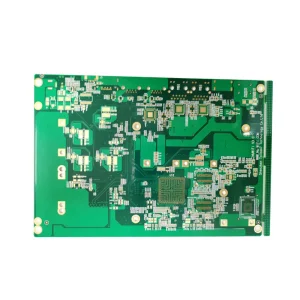
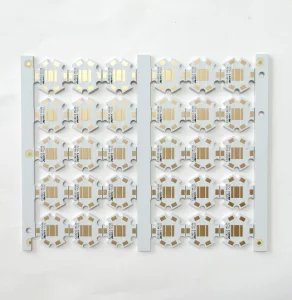
The brain of a smart PDU resides in its control board. Modern PDU factories use high-speed Surface Mount Technology (SMT) lines to place critical ICs, microcontrollers, and communication ports onto multi-layer PCBs, ensuring long-term thermal stability.
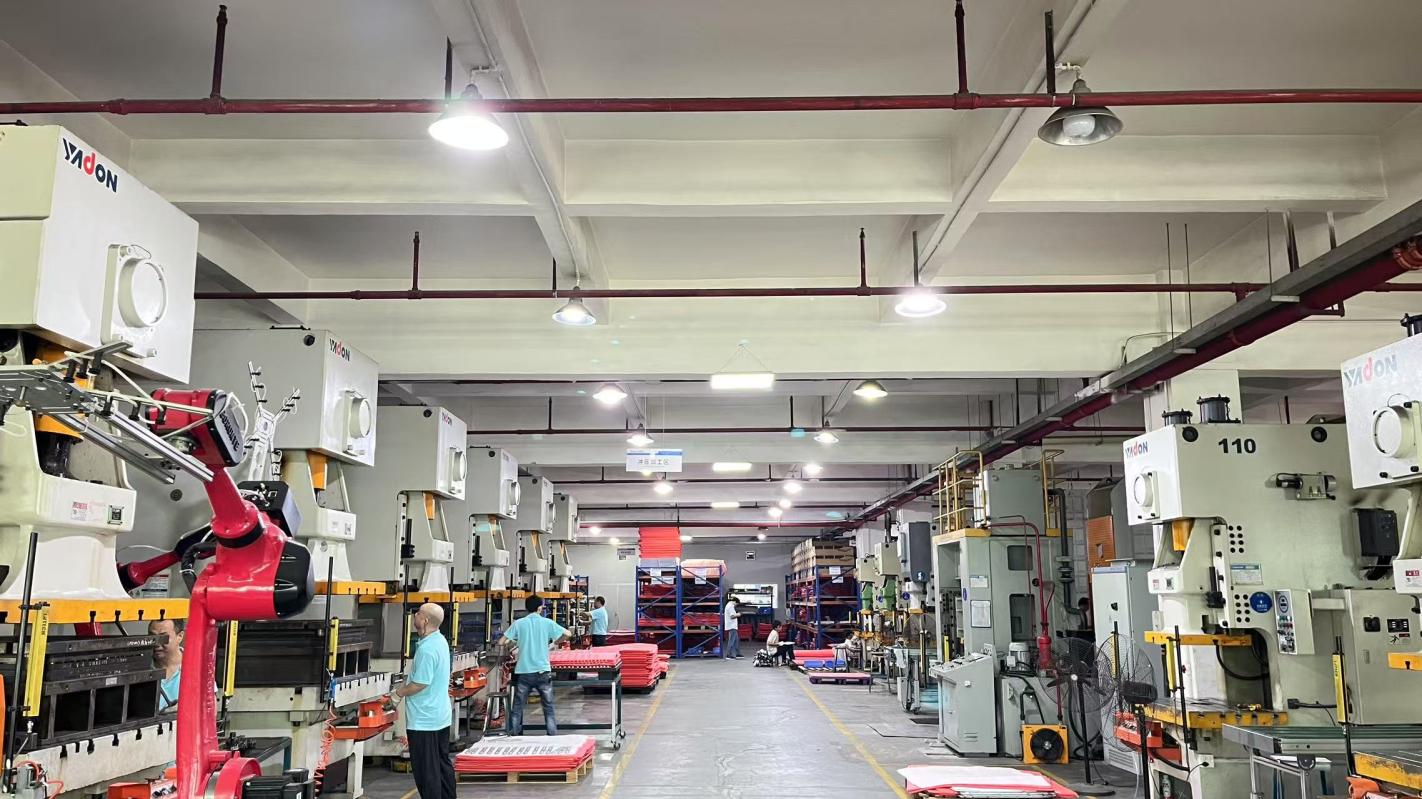
Structural reliability requires precision sheet metal manufacturing. Using CNC laser cutters and automated press brakes, factories construct corrosion-resistant, powder-coated aluminum or steel enclosures that protect inner power buses from physical wear.
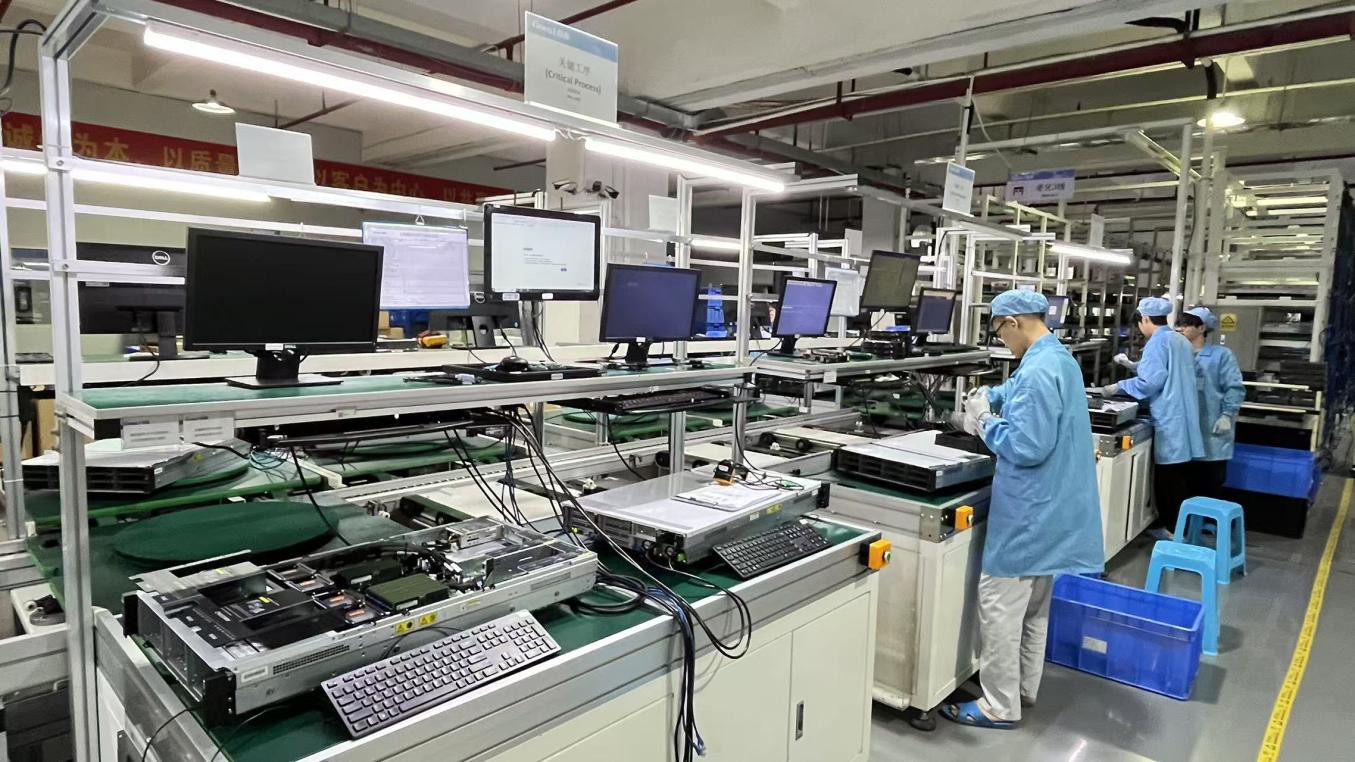
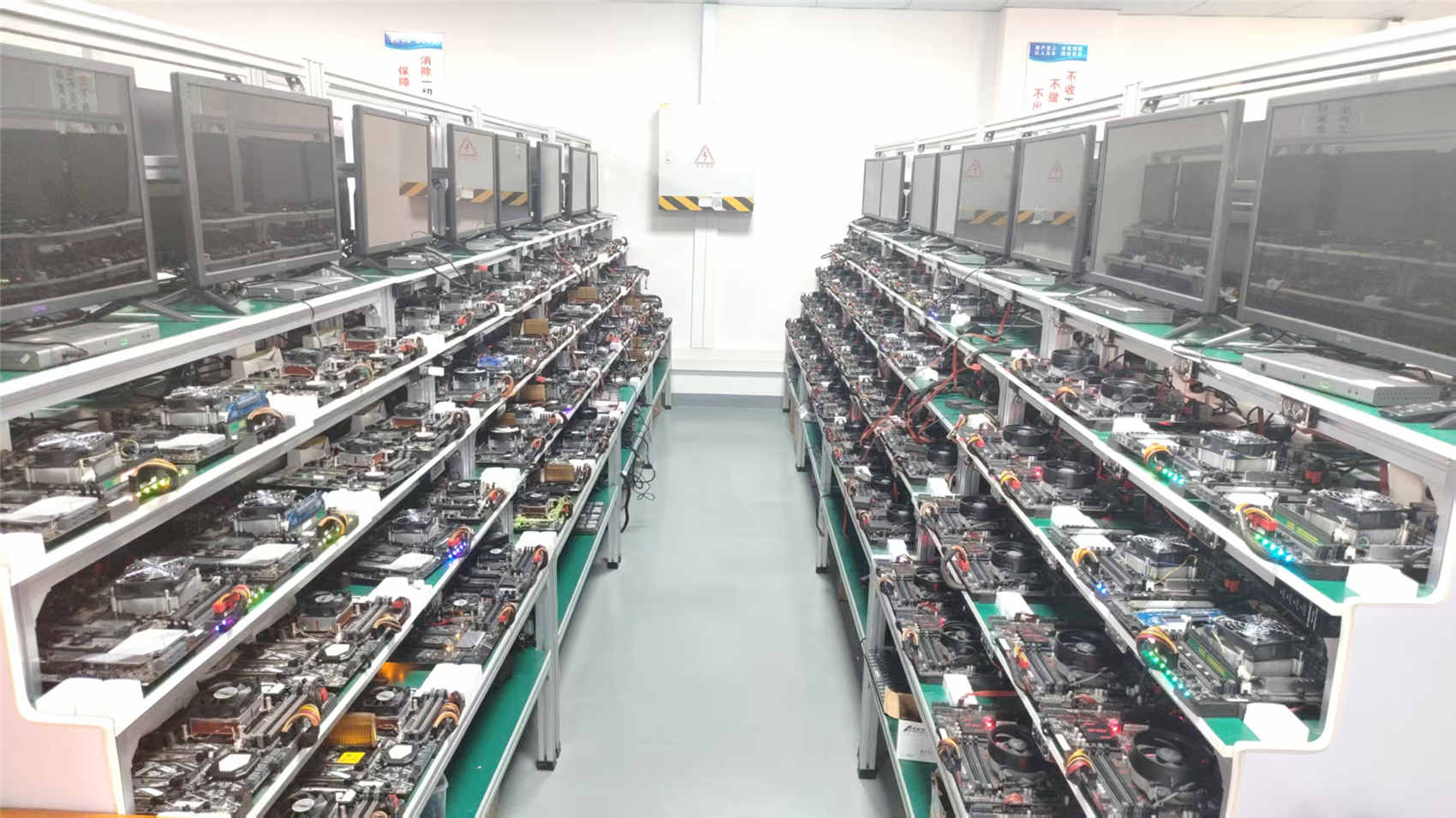
Failures in datacenter power paths can cost millions of dollars. Leading PDU factories utilize automatic test equipment (ATE) to subject every unit to high-voltage isolation tests, earth bonding, voltage drop tests, and ambient burn-in testing.
Depending on the deployment topology, enterprise infrastructure teams must tailor their PDU selection to unique operational realities:
Sourcing PDUs globally demands rigorous adherence to regional safety and emission certifications. A factory's certification footprint is a direct indicator of its engineering pedigree and ability to deliver compliant hardware. Key standards include:
China's specialized high-tech clusters, notably Shenzhen and the Greater Bay Area, represent a critical hub for global power electronics manufacturing. The integration of advanced PCB fabrication, high-speed SMT assembly, automated CNC metalworking, and robust raw copper and aluminum supply chains allows local factories to achieve unparalleled efficiency and customization flexibility.
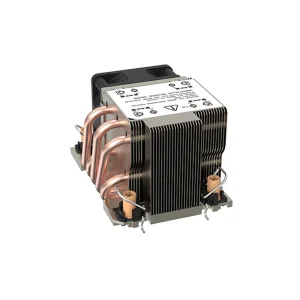
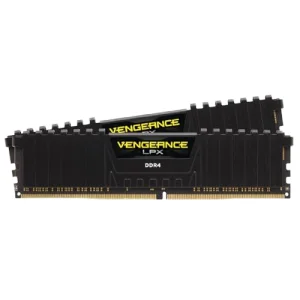
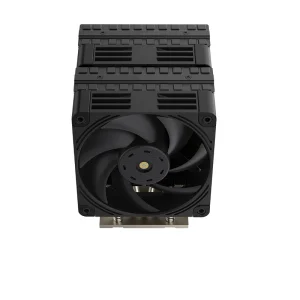
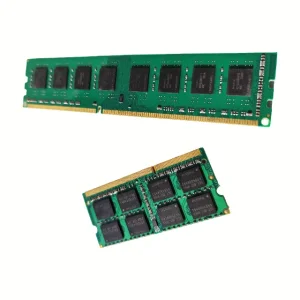
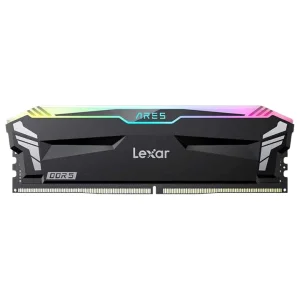
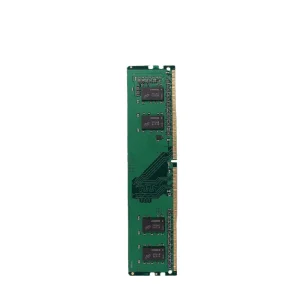
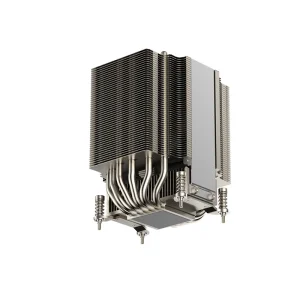
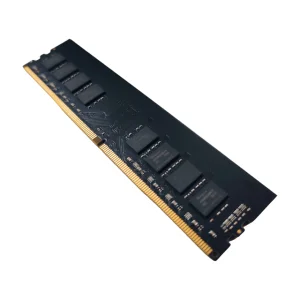
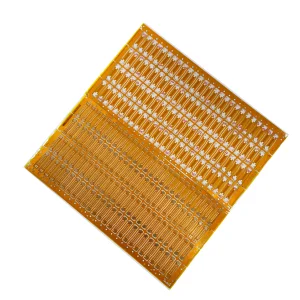
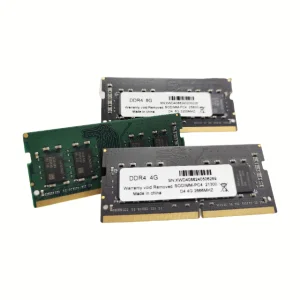
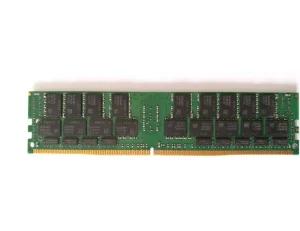
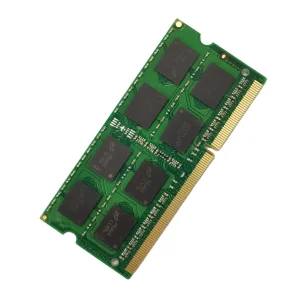
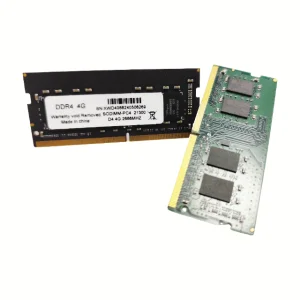
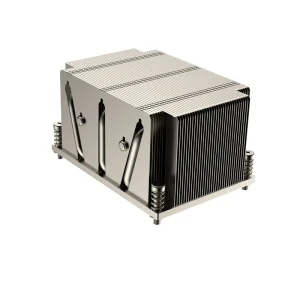
Rather than working in isolation, the top PDU factories in this region draw on a broad ecosystem of semiconductor, thermal mitigation, and high-performance memory manufacturers. High-speed, high-density computing loads require intelligent power units that work closely with the systems they support. For instance, high-performance DRAM modules, complex server heatsinks, and advanced multilayer flexible PCBs play supporting roles in the same overall enterprise datacenter landscape.
Novram Electronics Co., Ltd. is a professional DDR5 memory manufacturer based in Shenzhen, China, dedicated to delivering high-performance DRAM solutions for global OEM, ODM, and industrial customers. Established in 2016, the company has grown into a reliable supplier of DDR5 memory modules, serving partners across consumer electronics, industrial automation, embedded systems, gaming, and enterprise computing.
Operating from a modern 3,860㎡ manufacturing facility, Novram integrates advanced production equipment, strict quality management, and continuous R&D innovation to ensure every memory module meets international performance and reliability standards. Our experienced engineering team focuses on developing high-speed, stable, and energy-efficient DDR5 products for diverse computing applications.
With 9 years of industry experience and 7 years of export experience, Novram exports products to customers in more than 40 countries. The company achieves an annual export revenue of approximately US$18.6 million, supported by an efficient global supply chain and responsive customer service.
Quality is at the core of everything we do. Every DDR5 memory module undergoes 100% functional testing, compatibility testing, burn-in testing, temperature testing, and aging verification before shipment. Our quality control department consists of 42 professional inspectors, ensuring consistent product performance and long-term reliability.
Novram maintains strong partnerships with over 860 qualified supply chain partners, enabling stable production capacity and reliable component sourcing. Our primary customers include memory module brands, computer manufacturers, industrial PC companies, system integrators, distributors, wholesalers, and OEM/ODM partners worldwide.
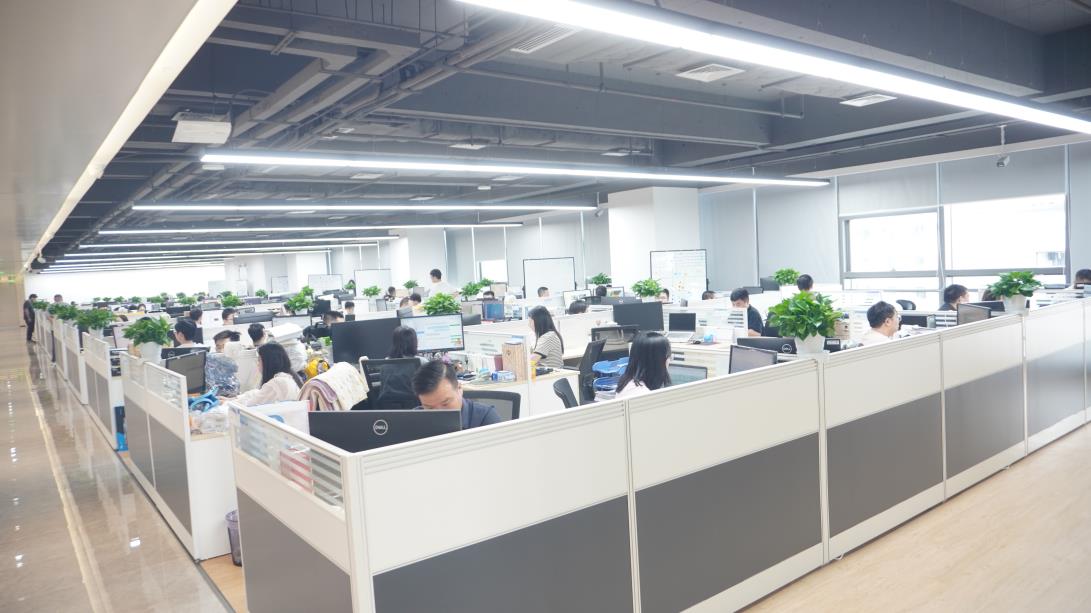
Innovation drives our competitiveness. Our dedicated R&D center is staffed by 76 experienced engineers, allowing us to introduce approximately 138 new products each year. We provide comprehensive OEM, ODM, private label, logo printing, packaging customization, capacity customization, firmware optimization, and product specification customization to meet different market requirements.
Today, Novram continues to invest in advanced manufacturing technologies, strict quality assurance, and customer-focused innovation. Our mission is to become a trusted global partner for high-performance DDR5 memory solutions by delivering reliable products, flexible customization, competitive pricing, and professional technical support.
When selecting a PDU manufacturer, global procurement teams must follow a rigorous Request for Proposal (RFP) process that includes key criteria beyond pricing:
Addressing the technical, operational, and procurement queries common among system integrators and datacenter engineers.
Basic PDUs: Simple distribution strips without monitoring or remote access. They provide robust, unmetered power.
Metered PDUs: Feature local LED displays that show current draw, helping prevent overloaded circuits during installation.
Monitored PDUs: Provide remote network access to track voltage, current, and load metrics, enabling proactive capacity planning.
Switched PDUs: Offer all monitored features plus individual socket-level control, allowing remote power-cycling of equipment and outlet lockout to prevent unauthorized device connections.
Unbalanced phases in a 3-phase system cause neutral line currents to rise, leading to heat buildup, transformer stress, and voltage imbalances. Intelligent PDUs monitor phase loads in real-time, helping technicians allocate server power cords across lines (L1, L2, L3) to maintain system stability and optimize power usage.
Most modern monitored and switched PDUs feature dedicated RJ11 or RJ45 sensor ports. These ports accept plug-and-play sensors to measure temperature, humidity, water presence, and cabinet door access. Sensor data is reported alongside electrical metrics over SNMP or HTTP, helping administrators manage ambient rack conditions.
Locking outlets feature mechanical retention mechanisms (like V-Lock or custom physical latches) that hold server power cords securely in place. This prevents accidental disconnections during routine rack maintenance, equipment sliding, or vibration-induced loosening, protecting systems from sudden power loss.
Supporting components engineered to withstand high temperatures and ensure continuous operational uptime in enterprise settings.