Novram
Novram
Novram
High-reliability compute components, industrial DRAM interfaces, and server-grade thermal management assemblies designed for modern robotic architectures.
Years Industry Experience
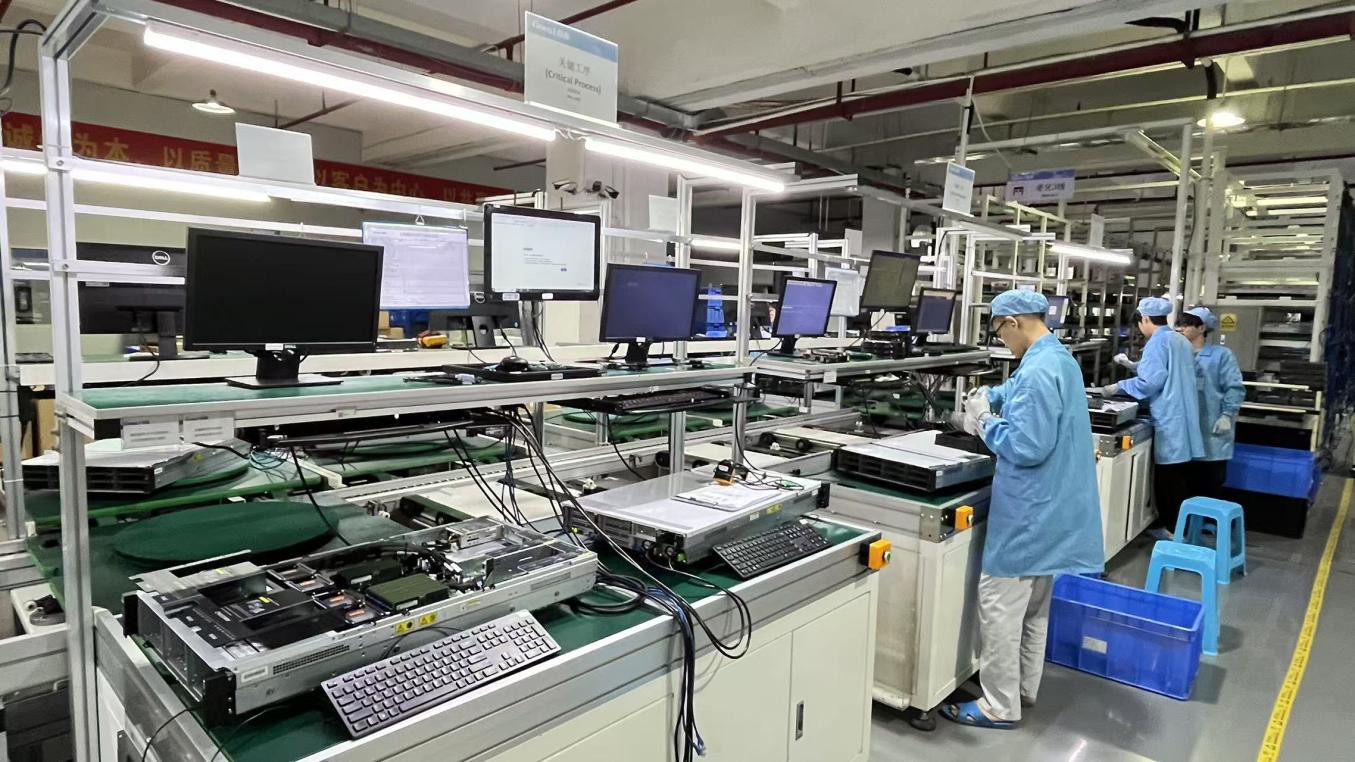
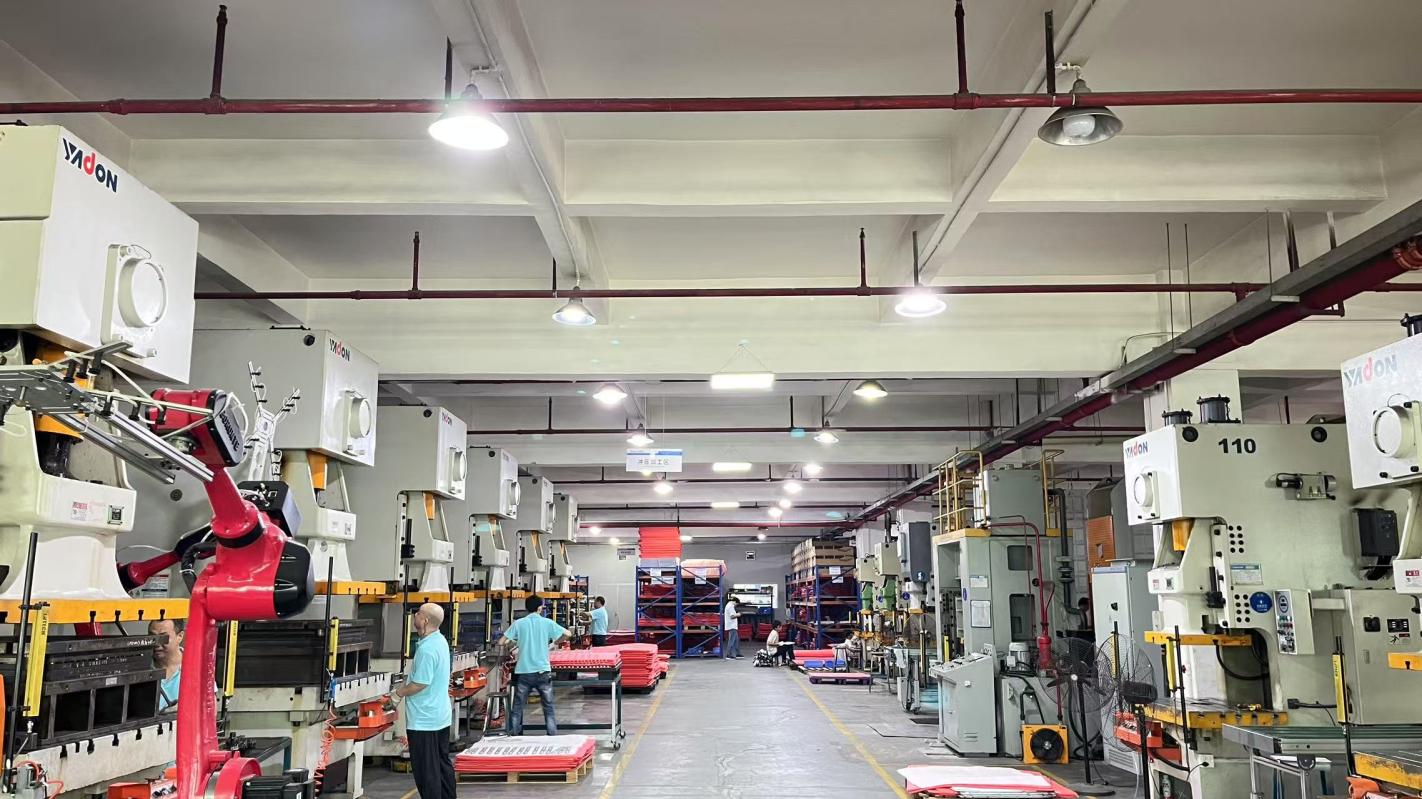
Advanced Production Facility
Annual Export Volume
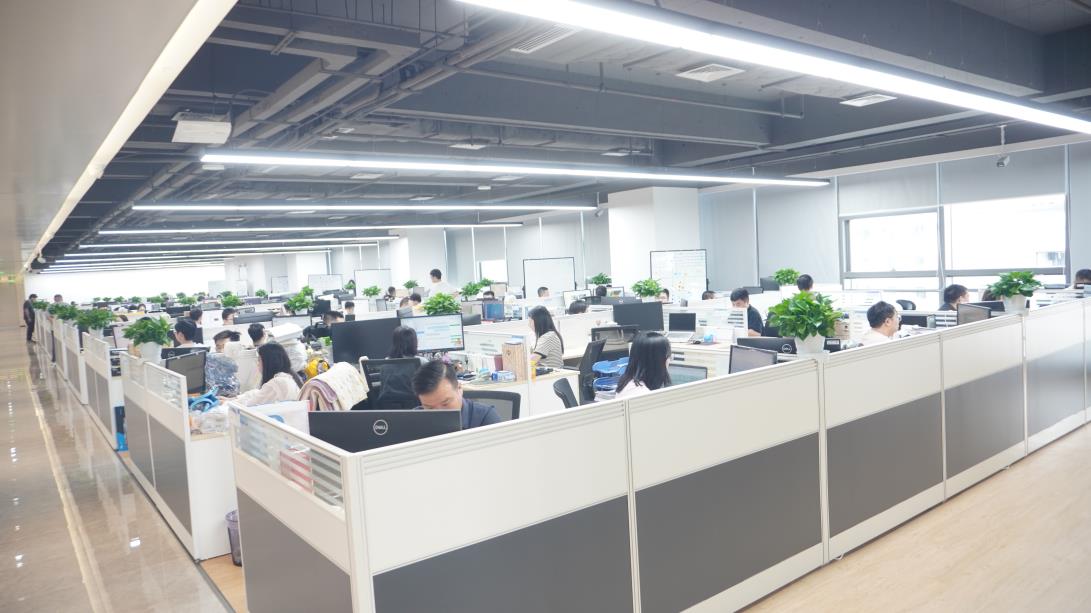
Dedicated R&D Engineers
In the era of autonomous factories, multi-axis cobots, and high-performance Edge AI, the boundaries between general electronics manufacturing and robotics hardware have dissolved. As autonomous systems process gigabytes of sensor feeds, real-time spatial positioning mapping (SLAM), and low-latency computer vision routines, their primary systems require a solid hardware foundation: high-density RAM modules, ultra-reliable computing boards, robust circuit design, and enterprise-grade thermal management setups.
Novram Electronics Co., Ltd. (established in 2016 in Shenzhen, China) has emerged as a critical global hardware partner. Integrating advanced automated production equipment, a strict zero-fault quality assurance matrix, and continuous engineering innovation, Novram manufactures high-speed DDR5/DDR4 memory solutions, customizable embedded computer motherboards, high-frequency PCB assemblies, and industrial CPU cooling kits. Serving partners across industrial automation, robotics integration, and smart manufacturing systems in over 40 countries, we maintain direct engineering partnerships with 860+ supply chain companies to ensure stable delivery even during global chip shortages.
Understanding the technical bottlenecks in autonomous robotic control units and how high-performance subsystems solve them.
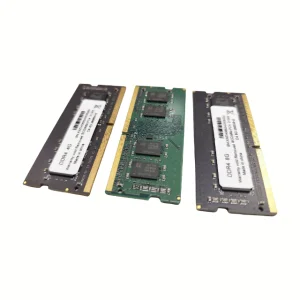
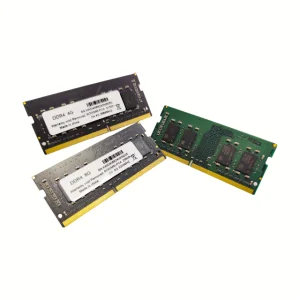
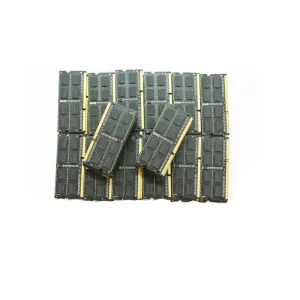
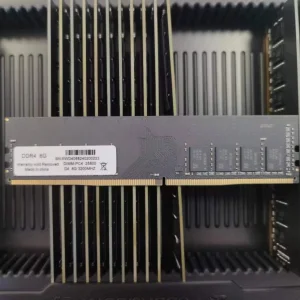
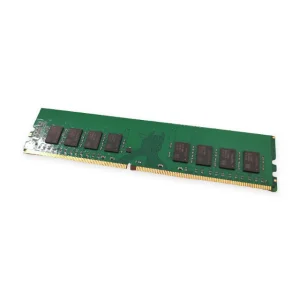
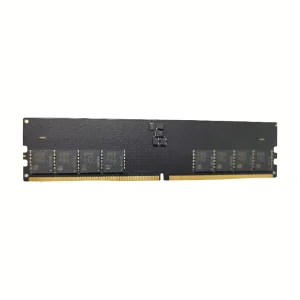
Robotic controllers running on-site machine learning models require high-bandwidth memory (DDR5) with low latencies. Standard RAM cannot withstand the continuous read/write cycles of sensor fusion, making industrial-grade, error-correcting (ECC) memory modules crucial for uninterrupted operation.
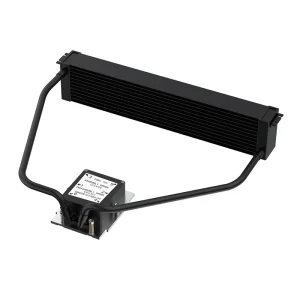
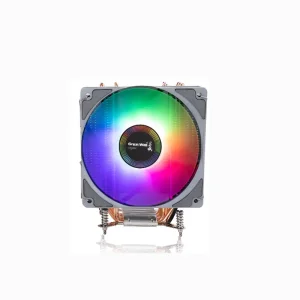
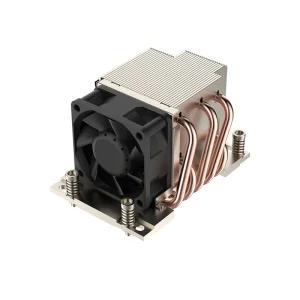
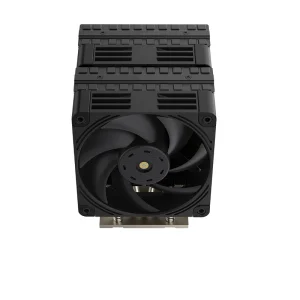
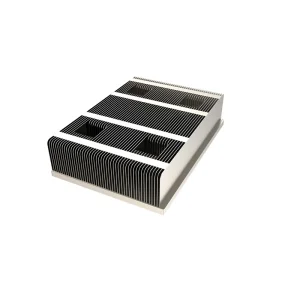
Industrial robots often operate inside completely sealed control cabinets to prevent ingress of dust and moisture. This closed environment creates massive thermal envelopes. Custom 2U CPU server heatsinks and dual-ball bearing active coolers prevent thermal throttling of central control CPUs.
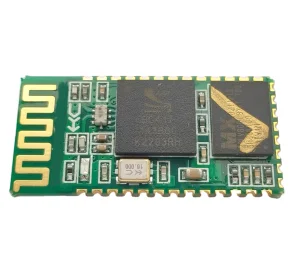
Unlike consumer electronics, robotics require complex sensor interfaces, including multi-sensor arrays and high-sensitivity electronic boards. Factory-level OEM/ODM PCBA services allow robotic developers to lay out customized gold detection circuits, proximity sensors, and power converters.
Shenzhen, China represents the world's most dense ecosystem for high-speed hardware engineering. Factories like Novram Electronics leverage this cluster. By bridging high-capacity raw component supply chains directly with advanced testing machines (such as automatic optical inspection (AOI), high-low temperature chamber tests, and automated aging lanes), we compress development cycles from months to days. This allows robotic OEMs to scale up from prototype boards to high-volume production with extreme speed.
The structural benchmarks procurement directors use to audit and select hardware component suppliers.
Top factories must maintain an in-house engineering team capable of customizing memory layout and thermal sink designs. Novram employs 76 skilled R&D engineers, releasing 138 customized hardware models yearly to match evolving customer designs.
Zero-defect manufacturing is non-negotiable for medical or automotive robotics. Our QC infrastructure is backed by 42 professional quality inspectors managing exhaustive 100% functional, burn-in, compatibility, and thermal stress tests.
DDR5 RAM, boasting frequencies reaching 5600MHz to 6000MHz, is the standard for modern robotics. Factories must possess specialized machinery to print and test these complex high-density modules with maximum stability under continuous thermal cycles.
Auditing the physical space is key for supply chain compliance. Operations located in clean, specialized manufacturing facilities (such as Novram's 3,860 square-meter facility) minimize electromagnetic and particulate defects in advanced electronics.
Advanced CPUs in robotic controllers require targeted heat dissipation. Providers must offer heatsinks ranging from SP3, SP5, to custom BGA styles capable of cooling 120W to 350W thermal loads under harsh operating constraints.
A manufacturer's output is only as strong as its raw material network. Developing direct partnerships with over 860 component suppliers allows Novram to source high-grade DRAM chips, controllers, copper, and raw PCBs steadily.
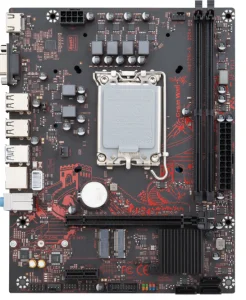
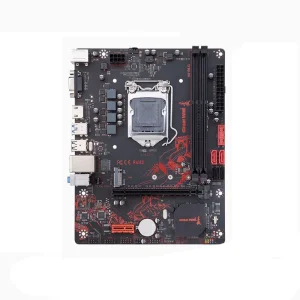
From complex H610 architectures to compact M-ATX formats, having the engineering capability to adapt logic boards to small chassis spaces is crucial for autonomous robotic mobile platforms (AMRs).
Hardware modules must integrate with diverse software operating systems (ROS, ROS2, Linux RT, Windows IoT). All components must undergo systematic universal compatibility validation before shipment.
Robots must function continuously for years without failure. High-quality products must come with extensive assurances, including lifetime warranty options for key memory subsystems and components.
Reliable logistics, customs compliance, and shipping documentation keep assembly lines moving. Over 7 years of direct export experience to 40+ countries validates Novram’s logistics and shipping capabilities.
Where our high-performance memory, cooling, and processing components are deployed globally.
In high-density distribution warehouses, AMRs navigate paths using lidar and vision data. These platforms run continuous SLAM algorithms, processing spatial data directly at the edge. To do this, their controllers require compact, high-frequency DDR4 and DDR5 memory modules. The closed chassis also need high-performance heatsinks to dissipate processor heat, keeping the navigation computer cool and responsive.
Six-axis industrial arms demand precise real-time motion control. The controller cabinets contain specialized motherboards, custom sensor interfaces, and power systems. These computers must run without hardware failure under vibration and electromagnetic interference. Standard memory can suffer from bit-flips due to electromagnetic noise, making Error-Correcting Code (ECC) RAM essential for maintaining system stability.
Modern assembly lines use automated cameras to inspect products at high speeds. These systems process large volumes of image data, demanding high-bandwidth RAM and high-wattage CPUs. The processors require robust server coolers (like the SP5, SP6, or 220W active radiators) to run constantly without thermal throttling or performance drops.

Purchasing managers sourcing for robotics and automated systems face unique supply chain challenges. Unlike consumer electronics, industrial equipment has long product lifecycles. Components must remain available and unchanged for years to avoid costly system redesigns and recertifications. Procurement strategies should prioritize:
By establishing direct ODM and private-label partnerships with flexible manufacturers like Novram, system integrators can secure custom packaging, specialized logo printing, customized bios profiles, and custom thermal designs. This helps lower the Total Cost of Ownership (TCO) while ensuring consistent hardware performance.
Answers to common technical and logistical questions from hardware procurement managers.
Additional high-reliability memory modules, motherboard sockets, and advanced thermal management kits.