Novram
Novram
Novram
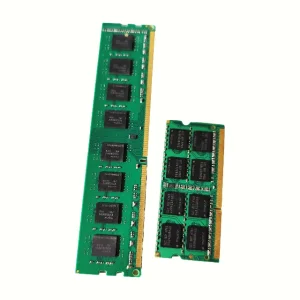
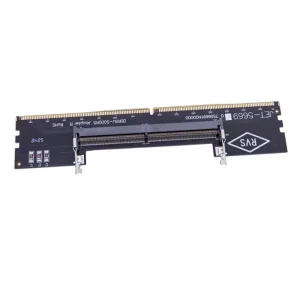
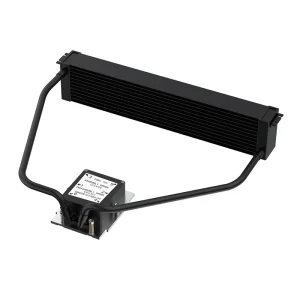
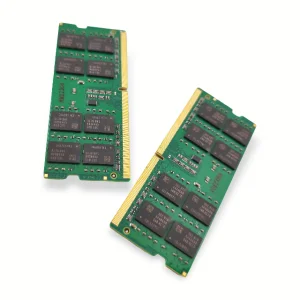
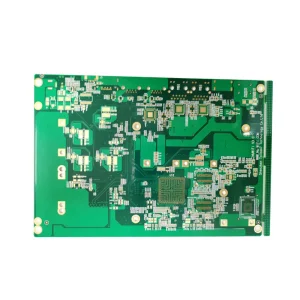
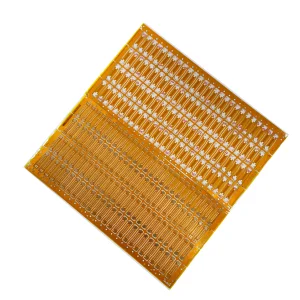
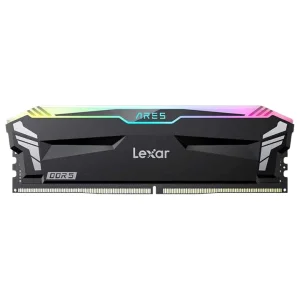
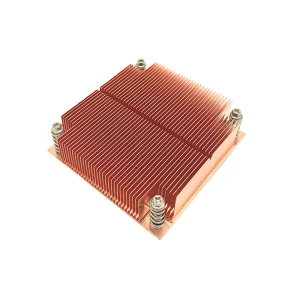
Novram Electronics Co., Ltd. is a globally established DDR5 memory manufacturer and active silicon-solution integration pioneer based in Shenzhen, China. Since our inception in 2016, we have committed ourselves to engineering the next generation of high-density DRAM architectures, multi-layered complex printed circuits, and advanced passive/active cooling systems. Our operations are fully optimized to serve enterprise clients, tier-one OEMs, ODMs, and high-reliability industrial automation suppliers worldwide.
By blending deep materials-science expertise with automated high-speed SMT manufacturing, we deliver critical memory modules and custom thermal dissipation modules that act as the structural framework for contemporary server infrastructure, AI training clusters, and consumer computing systems. Novram’s core philosophy hinges on a zero-defect quality control system, maintaining reliable logistics lanes, and implementing ongoing technology roadmaps alongside industry leaders.
Our expansive production capability, coupled with deep supply chain integration, allows us to remain resilient against material supply shocks and ensure that we deliver customized products exactly aligned with JEDEC standards and target thermal design envelopes.
Leveraging 9 years of industry experience and 7 years of export expertise, we consistently support critical architectures across more than 40 nations. Novram's strategic location in the Shenzhen electronics core ecosystem enables swift component sourcing, immediate technical support, and optimized logistic shipping lanes to major global ports.
The global electronics sector is undergoing a profound paradigm shift driven by massive artificial intelligence deployments, edge-computing nodes, and electric vehicle (EV) systems. Active components, including dynamic random-access memory (DRAM), high-speed logic chips, and high-frequency communication modules, form the cognitive engine of this transformation. As computing needs rise exponentially, passive components are no longer sufficient on their own; they require high-density thermal management and sophisticated substrate solutions to control electromagnetic interference (EMI) and power loss.
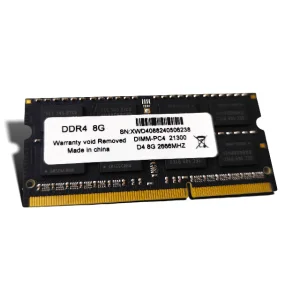
The market is actively migrating from DDR4 to DDR5 platforms to satisfy the bandwidth requirements of multi-core server processors (such as AMD EPYC and Intel Xeon). DDR5 introduces on-board Power Management Integrated Circuits (PMICs) and sub-channel architectures that dramatically reduce voltage drops while doubling performance thresholds, shifting memory from a basic passive storage arrays into highly active, managed silicon blocks.
Modern server microprocessors running heavy machine learning models generate high heat loads, pushing standard thermal structures to their limits. Heat dissipation is shifting from simple aluminum slabs to active, multi-phase systems. The demand for 2U passive/active hybrid CPU water blocks and complex heat pipes with multi-layer copper fin configurations has grown significantly, serving as a critical safeguard for processing integrity.
Signal speeds now regularly exceed tens of gigahertz, making structural layout a vital factor in signal path design. Custom FPC (Flexible Printed Circuit) systems and multi-layered high-frequency PCBs are essential to prevent signal loss. These boards use specific dielectric constants (Dk) and low dissipation factors (Df) to connect dense chip arrays safely.
At Novram Electronics, our R&D engineering division continuously tracks emerging semiconductor architectures. Our product roadmap aligns with high-speed, high-efficiency, and low-latency development directions. Over the next decade, memory modules, multi-layer PCBs, and heat-exchanger modules must operate in tandem to maintain stability and prevent bottlenecking.
To support high-compute environments, standard DRAM needs structural changes. The inclusion of PMICs directly on the memory module (rather than on the motherboard) allows for more precise power control, reducing the primary voltage from DDR4's 1.2V to DDR5's 1.1V. This shift lowers overall energy draw while improving system stability in continuous-run data centers.
In addition, dividing the traditional 64-bit channel into two independent 32-bit channels increases access efficiency, providing faster data flow for complex processing applications.
Our product lineup addresses challenges across multiple sectors, ensuring that components integrate cleanly into larger systems for commercial and industrial partners.
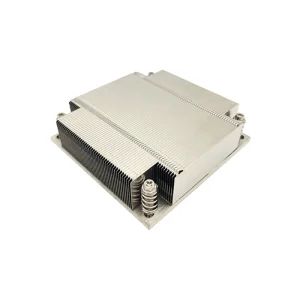
Modern data centers handle heavy virtualized workloads that demand high memory density and stable cooling. Novram provides high-capacity registered DIMMs (REG ECC) paired with passive CPU coolers. These coolers fit into standard 1U and 2U configurations, helping maintain reliable operating temperatures.
Industrial machinery operates in demanding environments subject to dust, vibration, and extreme temperatures. We construct memory modules using selective conformal coating and thermal interface materials, along with custom high-strength PCBs, to help systems withstand continuous operation under tough conditions.
Compact devices require space-saving component layouts. Our flexible FPC keyboard layouts and thin multi-layer PCBs fit easily into tight enclosures without compromising electrical routing, providing reliable connectivity for handheld systems.
For global supply chains, components must adapt to local environments. Our engineering team designs products with local application requirements in mind:
Hot & Humid Climates (Equatorial Edge Deployments): High humidity can accelerate corrosion on standard gold fingers and solder joints. Our components utilize high-grade plating and robust materials to guard against environmental wear in non-climate-controlled setups.
High-Vibration Environments: Devices deployed in transport vehicles or manufacturing facilities experience constant movement. We design memory modules and custom PCB connections with reinforced anchoring structures to keep connections secure over time.
Strict Space Constraints: Modular industrial computing blocks often have limited room. Our low-profile heatsinks and space-efficient FPC routings pack high thermal and electrical capability into compact dimensions, allowing system integrators to maximize performance in small chassis footprints.
Comprehensive Customization Options: Through our OEM and ODM services, we offer personalized options, including custom PCB layouts, adjusted thermal fins, tailored firmware, and branded packaging to fit our partners' specific market requirements.
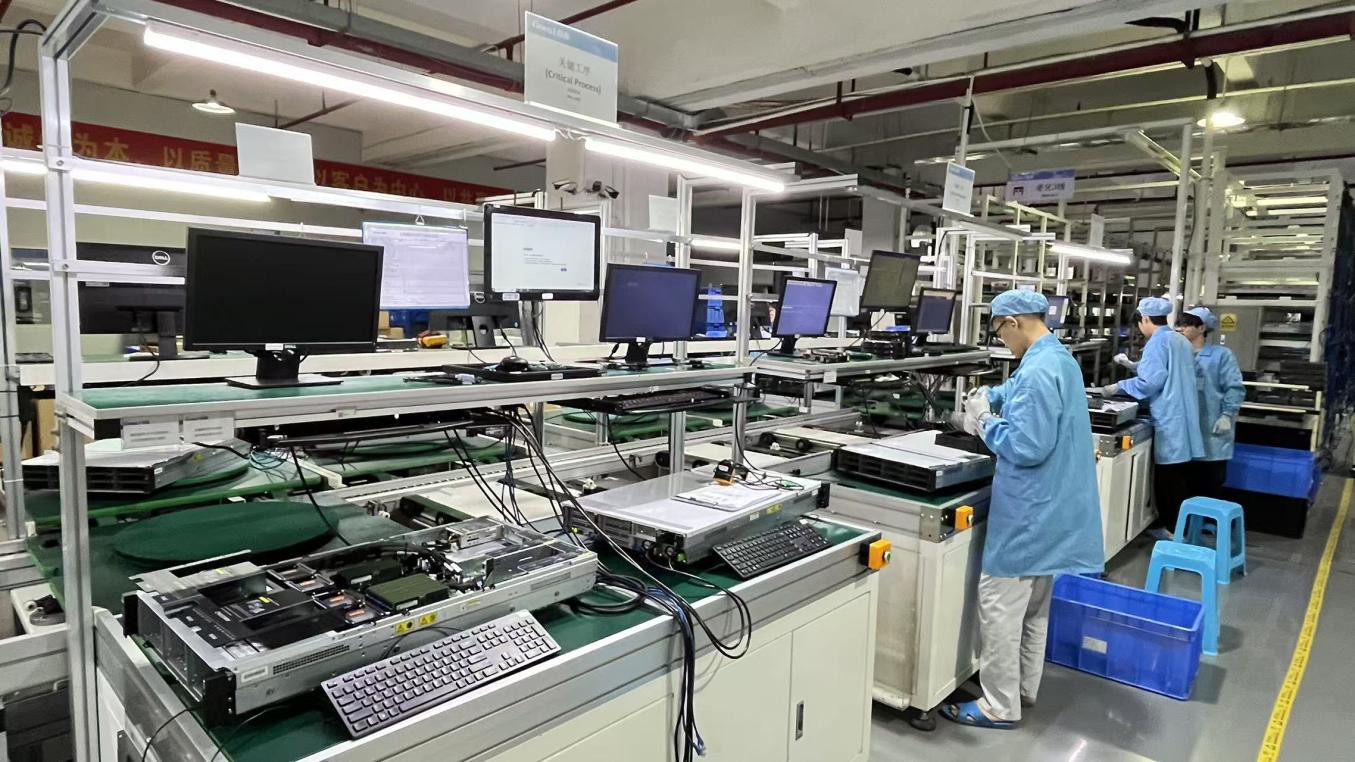
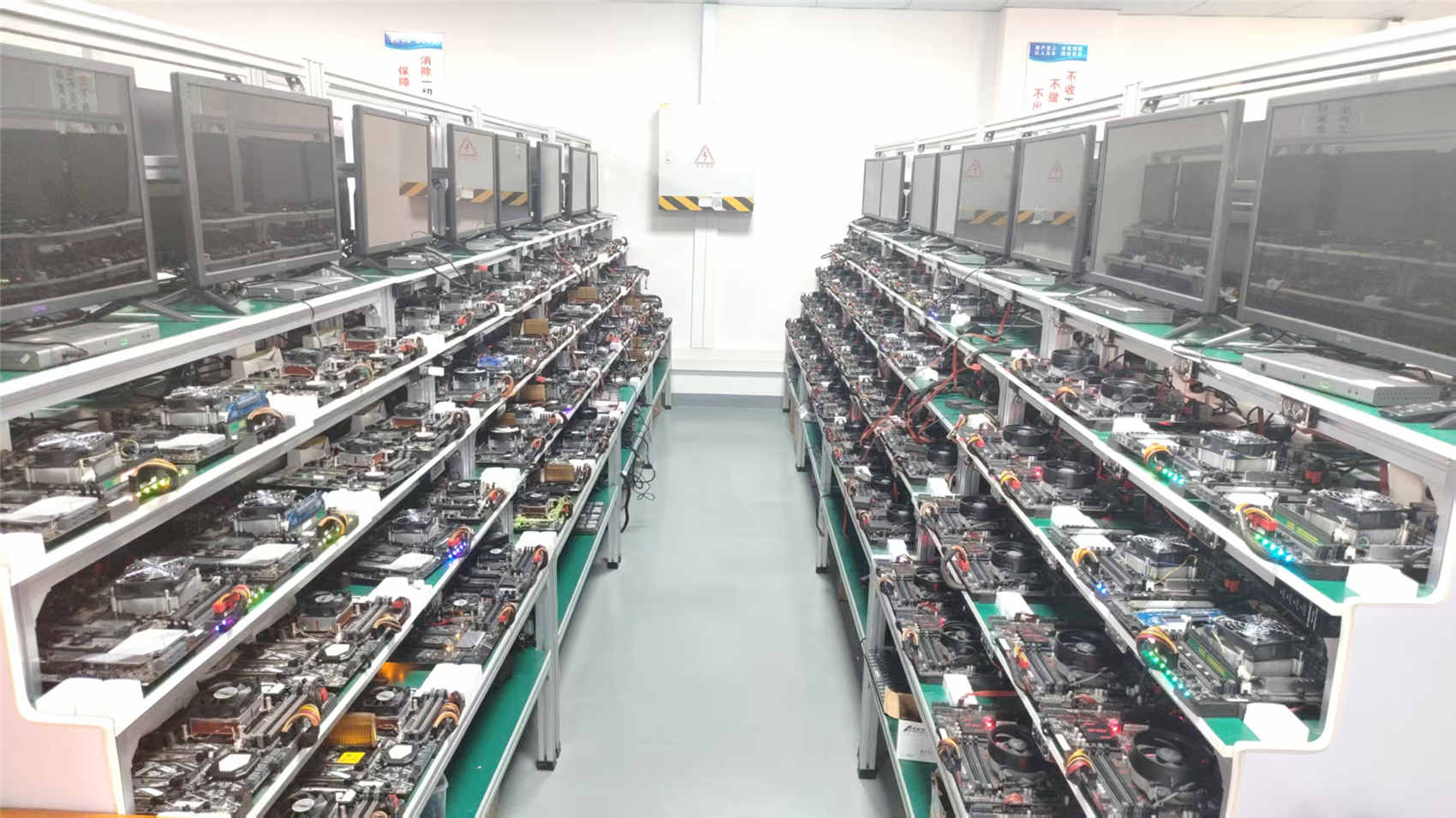
Reliability in hardware manufacturing is built on rigorous testing. At Novram Electronics, we maintain a dedicated QA team of 42 professional inspectors to verify that every batch meets global operational standards. We utilize a multi-stage testing process for our products:
We work closely with 860 qualified supply chain partners to secure high-grade DRAM chips, pure copper sheets, and high-performance polyimides. This deep supply network enables us to maintain stable production runs and minimize delivery disruptions for our clients.
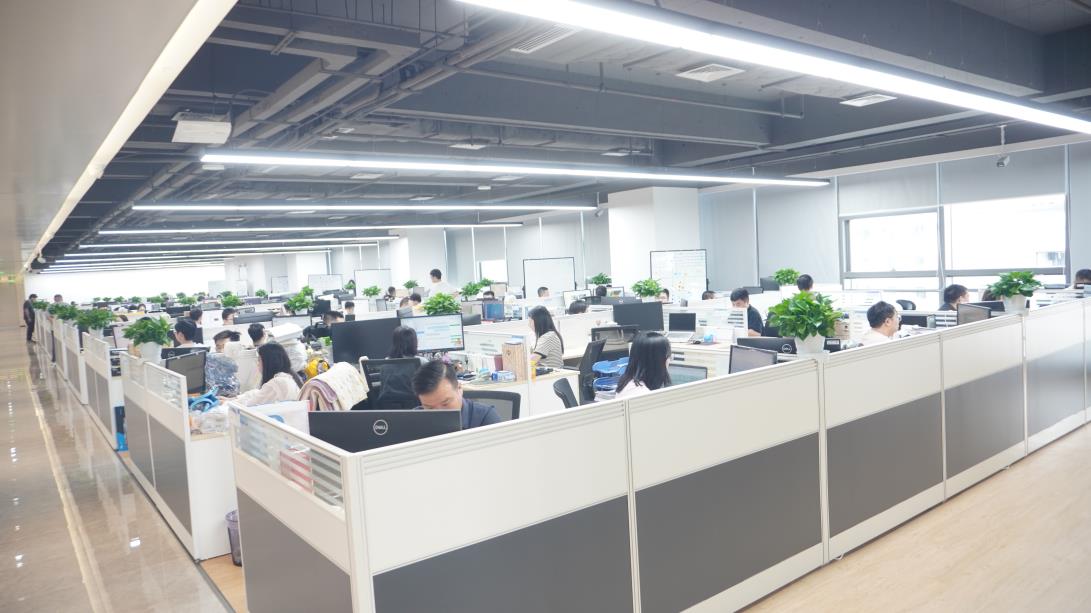
With an annual R&D output of approximately 138 new products, our 76 design engineers continuously adapt our components to meet the requirements of evolving electronic architectures.

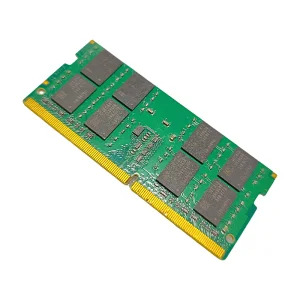
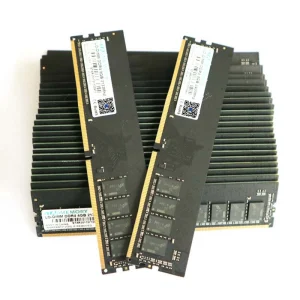
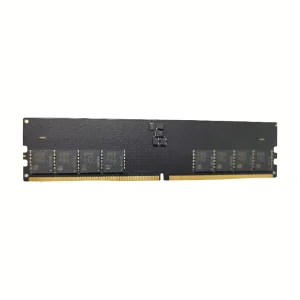
Our DDR5 modules run at a lower base operating voltage (1.1V compared to DDR4's 1.2V) and utilize an on-module Power Management Integrated Circuit (PMIC) to improve electrical efficiency. DDR5 also features dual 32-bit sub-channels and built-in on-die ECC, offering higher data bandwidth and improved system-level reliability for workstation and server setups.
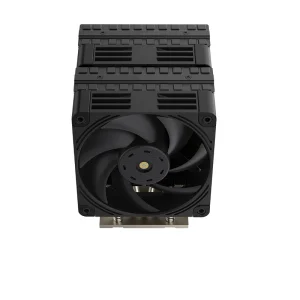
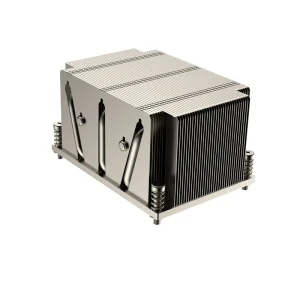
We design our server coolers (including LGA4926, SP5, and SP3 platforms) with high-density copper bases, vapor chambers, and multi-pipe configurations (such as our 5-heat-pipe layouts). This construction lowers thermal resistance and ensures reliable heat dissipation for processors operating at up to 300W TDP, helping prevent thermal throttling in high-demand environments.
Yes. Supported by our R&D team of 76 engineers, we provide complete OEM/ODM solutions, including custom multi-layer PCB design, FPC flex alignments, modified firmware settings, tailored SPD programming, and branded packaging to meet specific client specifications.
Every module undergoes 100% testing, including functional verification, compatibility checks with major motherboards and processors, hot/cold thermal stress tests, and automated optical inspection (AOI) to ensure reliable performance before shipping.
We work with 860 supply chain partners to source high-grade materials and components. This broad vendor network helps us maintain consistent material supplies and keep production running smoothly to meet customer delivery schedules.
Yes. Our ECC Registered DIMMs and standard memory modules are tested across various server platforms, including Intel Xeon (LGA4677/LGA4926) and AMD EPYC (SP3/SP5), to verify seamless integration and reliable data processing.