Novram
Novram
Novram
Explore critical system elements, low-power modules, logic boards, and advanced thermal management components designed for high-density computational systems.

How self-powered technology is transforming industrial IoT, smart grid networks, and micro-power management paradigms.
The global shift toward decentralized, autonomous IoT devices has propelled energy harvesting devices from specialized research applications to mainstream industrial deployment. Energy harvesting—the process of capturing ambient energy from light, heat differentials, kinetic motion, and radiofrequency (RF) waves, and converting it into electrical power—is resolving the critical bottlenecks of battery replacement logistics. In massive monitoring arrays, replacing batteries is physically and financially unsustainable.
In modern industrial landscapes, energy harvesting acts as a core driver of sustainability. Companies are using Piezoelectric, Thermoelectric, and Micro-Photovoltaic generators to power remote asset tracking, infrastructure health sensors, and smart grid automation. By pairing these devices with ultra-low-power management integrated circuits (PMICs) and high-efficiency power regulation circuit boards, operators achieve perpetual system uptimes. This shifts operational models from reactive battery-maintenance schedules to set-and-forget autonomous networks.
Utilizing the Seebeck effect, Thermoelectric Generators convert temperature differences between exhaust pipes, server heat sinks, or engine walls and the ambient environment into reliable electrical energy. These are increasingly integrated alongside server cooling blocks and liquid cooling systems to harvest wasted thermodynamic energy.
Piezoelectric crystals generate voltage when subjected to mechanical strain, vibrations, or periodic shocks. Common applications include installation on transport bridges, industrial machinery, and dynamic structural bearings to feed vibration-based state monitors.
Indoors and outdoors, micro-PV cells capture light energy to power low-consumption sensors. When paired with high-efficiency multi-layer PCB substrates, they manage continuous energy collection for low-power consumer electronics and environmental monitoring.
Why global OEMs partner with Shenzhen-based suppliers to scale hardware design and electronic manufacturing services.
The performance of any energy harvesting module depends heavily on its electronic control circuitry. Because ambient energy is intermittent and small—often in the microwatt to milliwatt range—these systems require extremely efficient circuit paths, high-grade base materials, and specialized components. Shenzhen, China's hardware capital, leads the industry in manufacturing these systems, offering high efficiency, integrated components, and advanced PCB layouts.
A key factor in China's manufacturing edge is the local density of component suppliers. Building energy harvesting systems requires integrating micro-controllers, ultra-low-leakage capacitors, PMICs, and durable carrier boards. In Shenzhen, this supply chain is highly integrated, allowing factories to design, prototype, and manufacture multi-layer FR4 boards and high-conductivity aluminum PCBs in days instead of weeks. This fast turn-around, paired with advanced Surface Mount Technology (SMT) lines, helps reduce manufacturing overheads, giving global procurement managers a distinct cost-to-performance advantage.
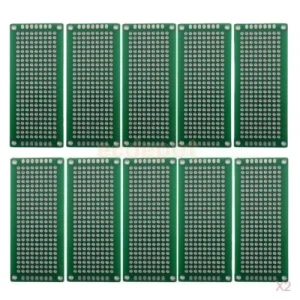
Custom multi-layer FR4 and aluminum-backed PCBs minimize parasitics and electromagnetic interference. This step is critical for protecting tiny amounts of harvested current from board-level energy loss.
Automated high-speed SMT lines quickly place micro-sized passives, low-dropout regulators (LDOs), and specialized PMICs, ensuring clean, high-yield production runs.
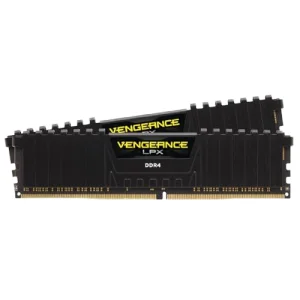
Direct partnerships with DRAM, flash, microcontroller, and passive component suppliers guarantee access to critical raw materials, reducing lead times and stabilizing costs.
Understanding where and how energy harvesting devices are deployed in the real world.
Integrating ambient energy harvesting involves selecting the right conversion method for the specific operating environment. For example, in smart cities, outdoor infrastructure monitors use micro-photovoltaic panels, while sensors inside water mains rely on miniature kinetic turbines powered by water flow. This targeted approach ensures consistent operation across different settings.
In heavy industry and smart manufacturing, energy harvesting relies heavily on vibration and heat gradients. Accelerometers on factory motors capture structural vibrations to monitor machine wear, while thermoelectric generators on hot exhaust vents convert waste heat into electrical power. This harvested energy is managed by custom power-management circuits and routed to ultra-low-power memory storage devices like DRAM and EEPROM. These storage components record telemetry data before transferring it to the cloud via low-power wireless protocols like LoRaWAN, NB-IoT, or Bluetooth Low Energy (BLE).
Piezoelectric sensors collect structural vibrations on highway bridges and rail tracks. This powers low-latency data transmission nodes that help assess long-term concrete stability without requiring external power lines.
Thermoelectric elements mounted directly on machine blocks generate electricity from thermal output. This sustains wireless vibration and temperature sensors, enabling automated predictive maintenance cycles.
Micro-solar harvesting systems keep soil quality, moisture, and temperature sensors running indefinitely, removing the need for manual battery replacement across large farming regions.
The technological convergence shaping the future of autonomous systems and edge intelligence.
The energy harvesting market is evolving toward multi-source systems. Recognizing that one energy source may not be present at all times, designers are building hybrid modules that combine solar, thermal, and kinetic harvesters. These multi-source networks switch between inputs to maintain a steady power output, ensuring reliable performance in changing environments.
At the same time, the transition to edge computing requires low-latency processing directly on self-powered nodes. These units must quickly run inference models, process data, and store information. To prevent data loss during power fluctuations, systems use energy-efficient memory architectures like low-power DRAM and Error-Correcting Code (ECC) modules. These components allow nodes to save state information securely before power drops out, resuming operations smoothly when harvesting begins again.
A professional DRAM and electronic components manufacturer delivering high-performance memory and sub-assembly solutions globally.
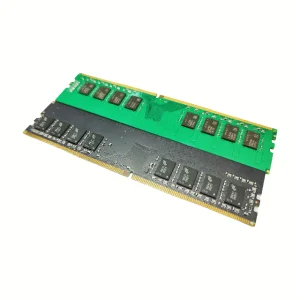
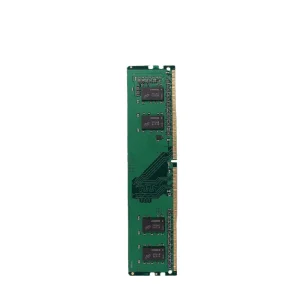
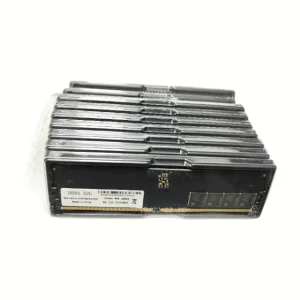
Novram Electronics Co., Ltd. is a professional DDR5 memory manufacturer based in Shenzhen, China, dedicated to delivering high-performance DRAM solutions for global OEM, ODM, and industrial customers. Established in 2016, the company has grown into a reliable supplier of DDR5 memory modules, serving partners across consumer electronics, industrial automation, embedded systems, gaming, and enterprise computing.
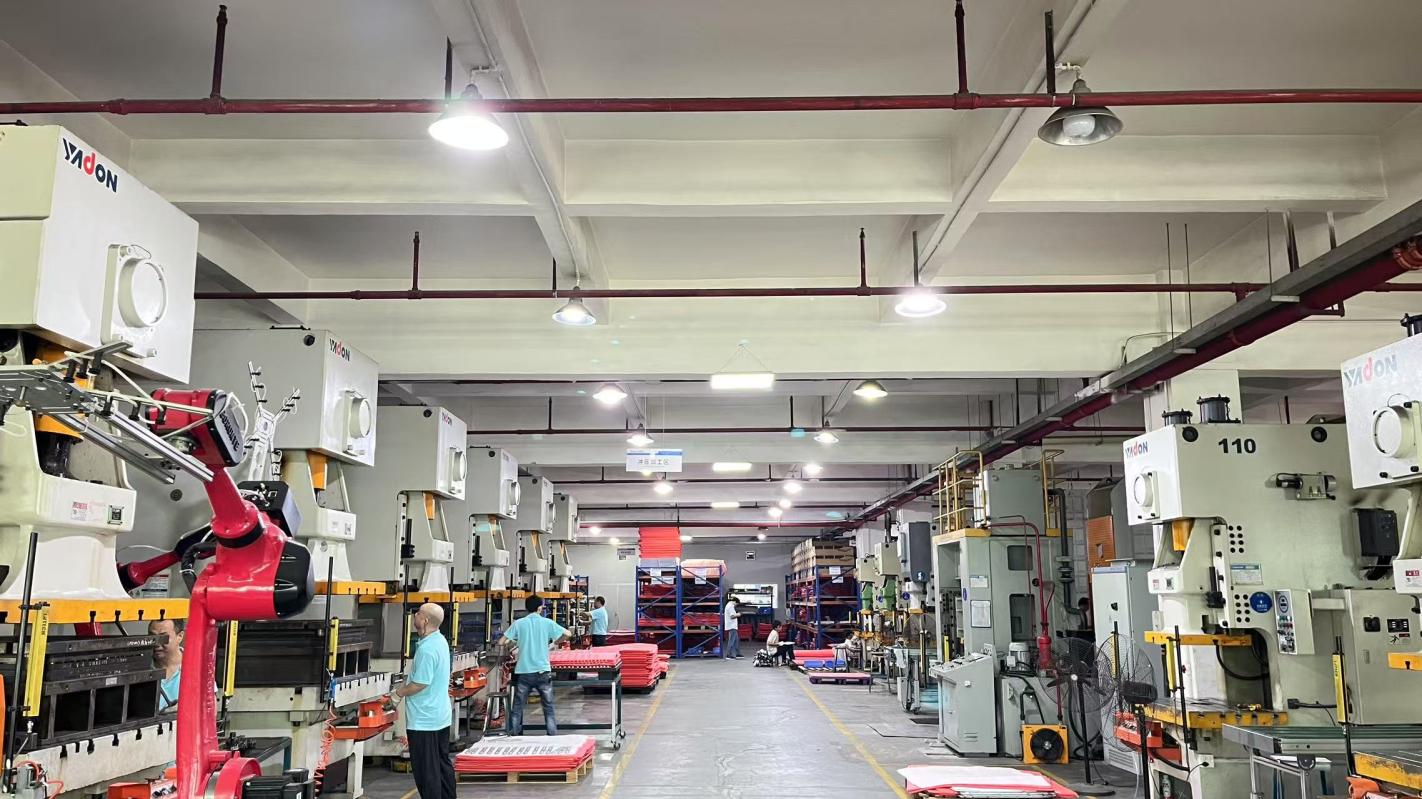
Operating from a modern 3,860㎡ manufacturing facility, Novram integrates advanced production equipment, strict quality management, and continuous R&D innovation to ensure every memory module meets international performance and reliability standards. Our experienced engineering team focuses on developing high-speed, stable, and energy-efficient DDR5 products for diverse computing applications.
With 9 years of industry experience and 7 years of export experience, Novram exports products to customers in more than 40 countries. The company achieves an annual export revenue of approximately US$18.6 million, supported by an efficient global supply chain and responsive customer service.
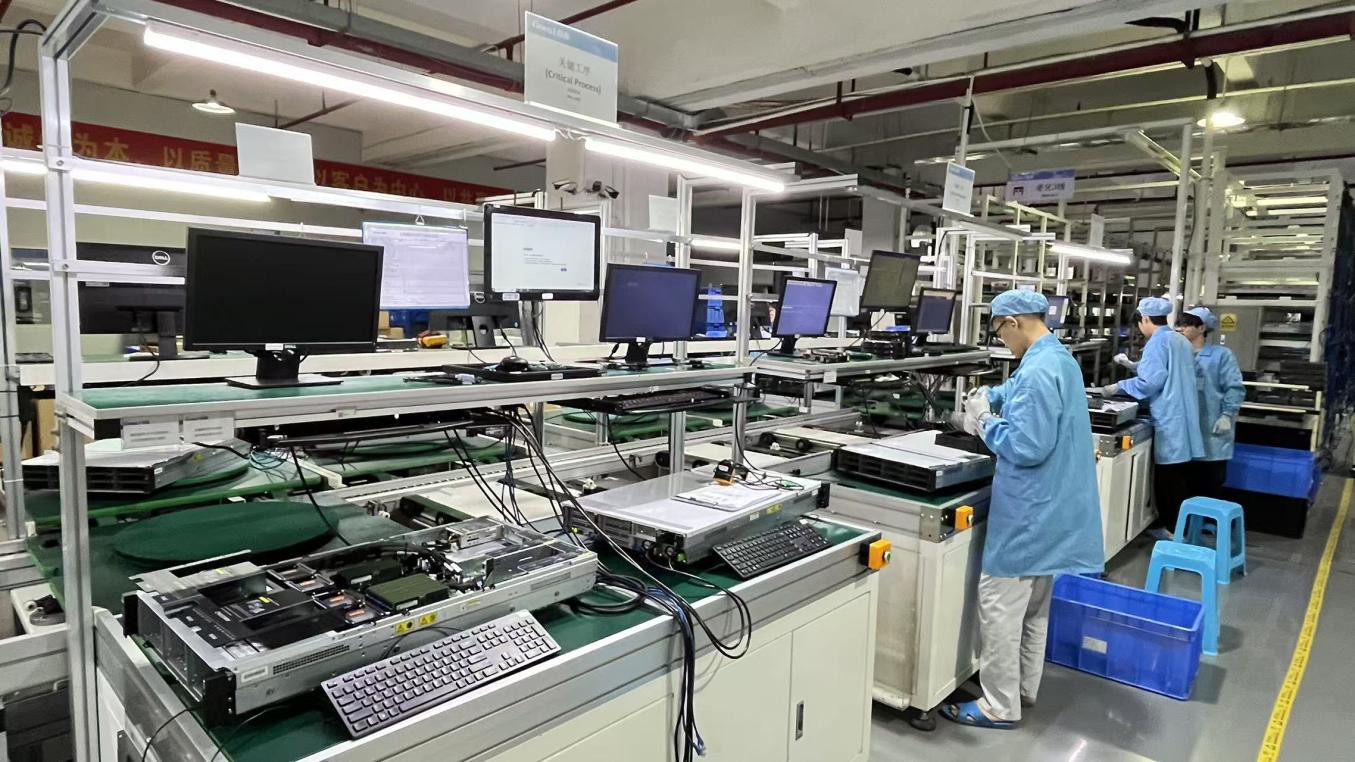
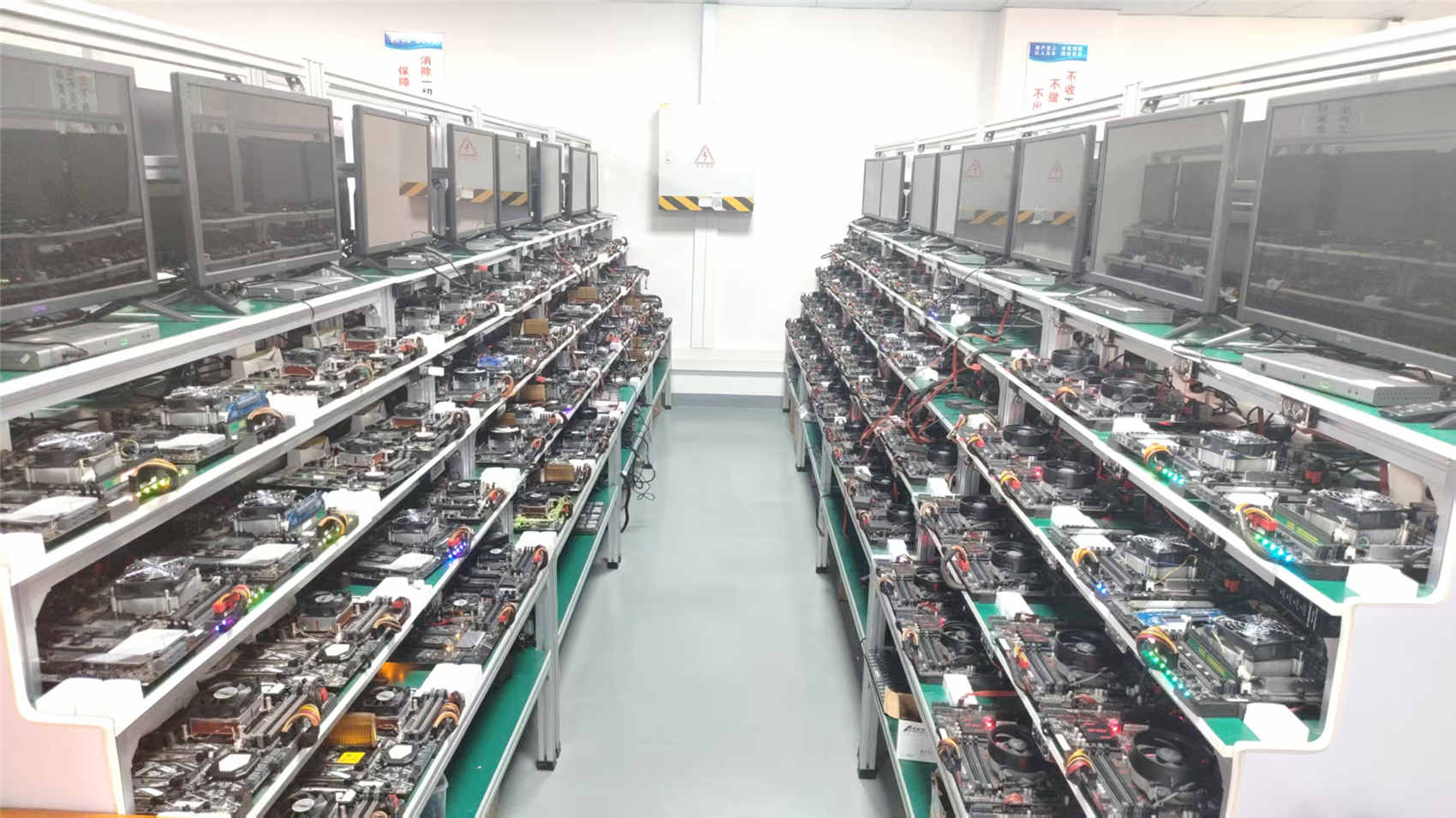
Quality is at the core of everything we do. Every DDR5 memory module undergoes 100% functional testing, compatibility testing, burn-in testing, temperature testing, and aging verification before shipment. Our quality control department consists of 42 professional inspectors, ensuring consistent product performance and long-term reliability.
Novram maintains strong partnerships with over 860 qualified supply chain partners, enabling stable production capacity and reliable component sourcing. Our primary customers include memory module brands, computer manufacturers, industrial PC companies, system integrators, distributors, wholesalers, and OEM/ODM partners worldwide.
Innovation drives our competitiveness. Our dedicated R&D center is staffed by 76 experienced engineers, allowing us to introduce approximately 138 new products each year. We provide comprehensive OEM, ODM, private label, logo printing, packaging customization, capacity customization, firmware optimization, and product specification customization to meet different market requirements.

How suppliers meet strict quality, customization, and supply stability demands from international buyers.
Global electronics buyers, OEM/ODM partners, and system integrators seek reliable production and consistent product quality when sourcing electronic sub-assemblies. To meet these standards, modern factories focus on strict quality control, components traceability, and flexible customizations.
In practice, this requires structured testing protocols. Facilities run boards through automated optical inspections (AOI), functional checks, thermal cycle tests, and burn-in processes. By using high-grade silicon, clean PCB routing, and robust heat management, manufacturers help ensure energy harvesting control units, memory arrays, and power management modules perform reliably in harsh industrial environments.
Key technical and sourcing questions answered by industry experts.
The lifespan of an energy harvesting system often exceeds 10 to 15 years. Unlike batteries, which degrade chemically, solid-state transducers like thermoelectric generators and piezoelectric components experience minimal mechanical wear. System longevity is generally determined by the passive components and the storage unit, such as supercapacitors or thin-film batteries, rather than the harvesting element itself.
Optimization involves selecting high-efficiency Power Management Integrated Circuits (PMICs) with low quiescent currents (often in the nanoampere range). These PMICs manage startup voltage, control charge flow to the storage unit, and route regulated power to active sensors. Using multi-layer FR4 boards with low parasitics helps prevent leakage currents across the circuit.
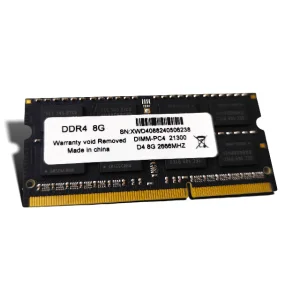
Autonomous sensors operate intermittently to conserve energy. When powered up, they must quickly run diagnostics, process data, and save status details before going back into a sleep state or experiencing a power drop. High-efficiency memory modules, like low-power DRAM and Error-Correcting Code (ECC) components, enable fast read/write cycles, ensuring data is written securely and with minimal power consumption.
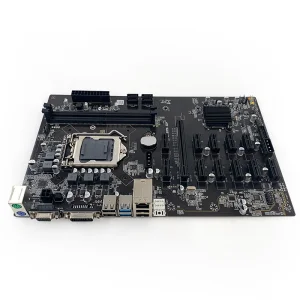
Manufacturers use rigorous testing programs, including automated optical inspections (AOI), functional checks under load, burn-in runs, and thermal cycling. This ensures components like aluminum substrates, logic boards, and memory chips withstand temperature changes and vibrations in industrial and automotive applications.
Yes. Manufacturers offer customized services covering PCB layouts, custom shapes, adjusted electrical profiles, and special housing designs. This flexibility allows engineering teams to integrate harvesting modules directly into existing industrial casings and tight mechanical spaces.
Ensure stable performance and long operational life for edge processing systems with these specialized components.