Novram
Novram
Novram
The global sanitation industry is undergoing a profound structural shift. Driven by international treaties such as the Minamata Convention on Mercury, industries are phasing out legacy low-pressure mercury vapor lamps in favor of solid-state UVC LED (Ultraviolet-C Light Emitting Diode) disinfection modules. These compact, semiconductor-based systems offer instant-on operation, zero toxic heavy metals, and unparalleled structural adaptability.
Historically, UVC technology was restricted by low Wall-Plug Efficiency (WPE) and short diode lifespans. However, breakthroughs in Aluminum Gallium Nitride (AlGaN) epitaxial growth, combined with advanced driver circuitry and robust thermal substrates, have elevated UVC LED modules to industrial-grade components. Today, these systems are integral in applications requiring active pathogens control, including hospitals, municipal water systems, consumer appliances, and large-scale industrial HVAC installations.
At China's leading manufacturing hubs, the integration of semiconductor chip packaging, precision SMT (Surface Mount Technology), and structural thermal engineering has enabled the mass production of modular sterilization arrays. These units operate within the optimal germicidal wavelength band (260nm to 280nm), disrupting the DNA and RNA replication processes of bacteria, viruses, and molds with up to 99.9999% efficacy (Log 6 reduction).
Modern industrial UVC modules must conform to stringent international certifications. Factories in China now design modules that comply with:
Underneath every highly effective UVC module lies a complex engineering challenge: heat management. Standard UVC LED chips convert only 2% to 5% of input electrical energy into germicidal light; the remaining 95%+ is lost as heat. If the junction temperature of the LED exceeds its rated limit (typically 60°C to 80°C), the optical output decays exponentially, and the component's lifespan drops from 20,000 hours to mere hundreds.
We utilize Direct Copper Bonded (DCB) ceramic and Metal Core PCBs (MCPCB) with high thermal conductivity (>380 W/mK) to route the massive heat fluxes away from sensitive AlGaN junctions.
Unstable currents destroy optoelectronic systems. Our specialized driver circuits utilize buck-boost topologies and fast transient protection to maintain stable UV output through variable source voltages.
By optimizing the quartz glass lens profile and reflectors, our modules achieve collimated or 120-degree uniform emission fields, ensuring no dead angles in sterilization zones.
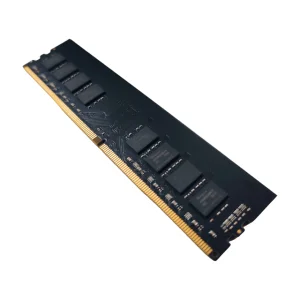
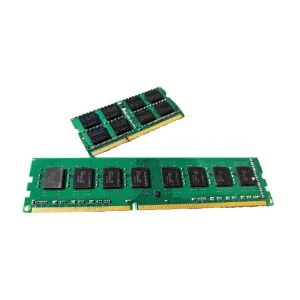
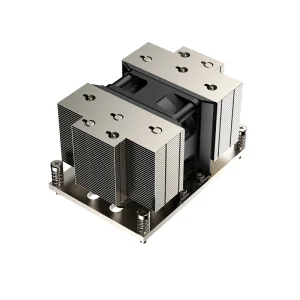
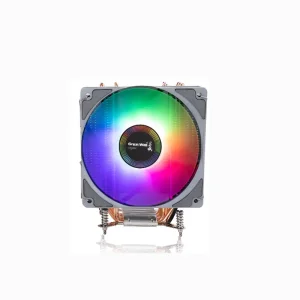
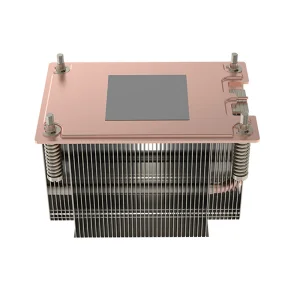
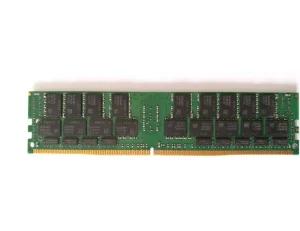
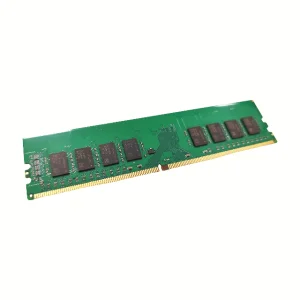
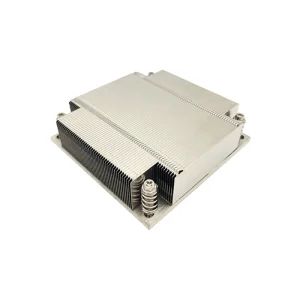
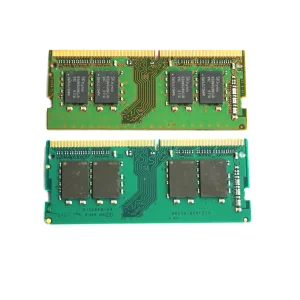
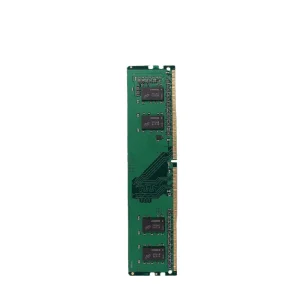
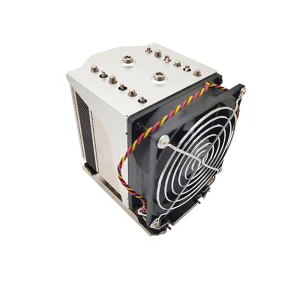
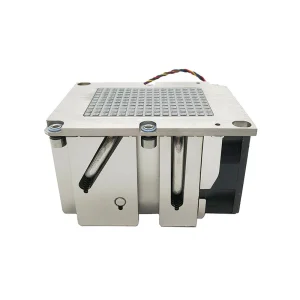
"E-E-A-T manufacturing principle: True optoelectronic reliability requires a synthesis of high-level PCB assembly precision (standard in modern DDR5 module lines) and robust industrial heat sinks (typically engineered for 300W+ server-grade processors). Novram Electronics Co., Ltd. applies this very intersection of hardware engineering to manufacture premium sub-components."
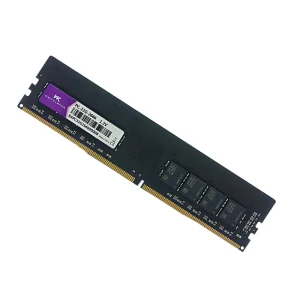
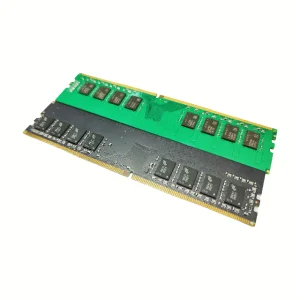
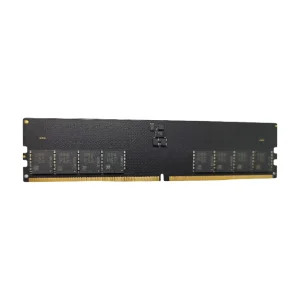
Novram Electronics Co., Ltd. is a professional DDR5 memory manufacturer based in Shenzhen, China, dedicated to delivering high-performance DRAM solutions for global OEM, ODM, and industrial customers. Established in 2016, the company has grown into a reliable supplier of DDR5 memory modules, serving partners across consumer electronics, industrial automation, embedded systems, gaming, and enterprise computing.
Operating from a modern 3,860㎡ manufacturing facility, Novram integrates advanced production equipment, strict quality management, and continuous R&D innovation to ensure every memory module meets international performance and reliability standards. Our experienced engineering team focuses on developing high-speed, stable, and energy-efficient DDR5 products for diverse computing applications.
With 9 years of industry experience and 7 years of export experience, Novram exports products to customers in more than 40 countries. The company achieves an annual export revenue of approximately US$18.6 million, supported by an efficient global supply chain and responsive customer service.
Quality is at the core of everything we do. Every DDR5 memory module undergoes 100% functional testing, compatibility testing, burn-in testing, temperature testing, and aging verification before shipment. Our quality control department consists of 42 professional inspectors, ensuring consistent product performance and long-term reliability.
Novram maintains strong partnerships with over 860 qualified supply chain partners, enabling stable production capacity and reliable component sourcing. Our primary customers include memory module brands, computer manufacturers, industrial PC companies, system integrators, distributors, wholesalers, and OEM/ODM partners worldwide.
Innovation drives our competitiveness. Our dedicated R&D center is staffed by 76 experienced engineers, allowing us to introduce approximately 138 new products each year. We provide comprehensive OEM, ODM, private label, logo printing, packaging customization, capacity customization, firmware optimization, and product specification customization to meet different market requirements.
Unlike traditional bulbs, semiconductor-based UVC disinfection modules are highly localized, structural units optimized for specific media (water, air, surfaces).
Integrated inside residential under-sink water filters and commercial water dispensers. The modules utilize helical water flow channels to maximize UV dosage, achieving log-4 reduction of pathogens in water flowing up to 5 liters per minute without chemical additives.
Positioned along the cooling coils of centralized air systems. Because these modules operate in high-humidity environments, they utilize customized IP68 silicon potting and high-power radiators to prevent mold growth on coils and neutralize airborne viruses in real time.
Deployed in autonomous mobile robots (AMRs), self-checkout kiosks, and medical trays. By leveraging microsecond-pulsed drivers, the modules emit short bursts of intense UVC light, neutralizing surface-borne bacteria within seconds without generating ozone.
As a major manufacturing base, China's optoelectronics R&D focus is moving toward high-efficiency solid-state emitters and human-safe wavelengths.
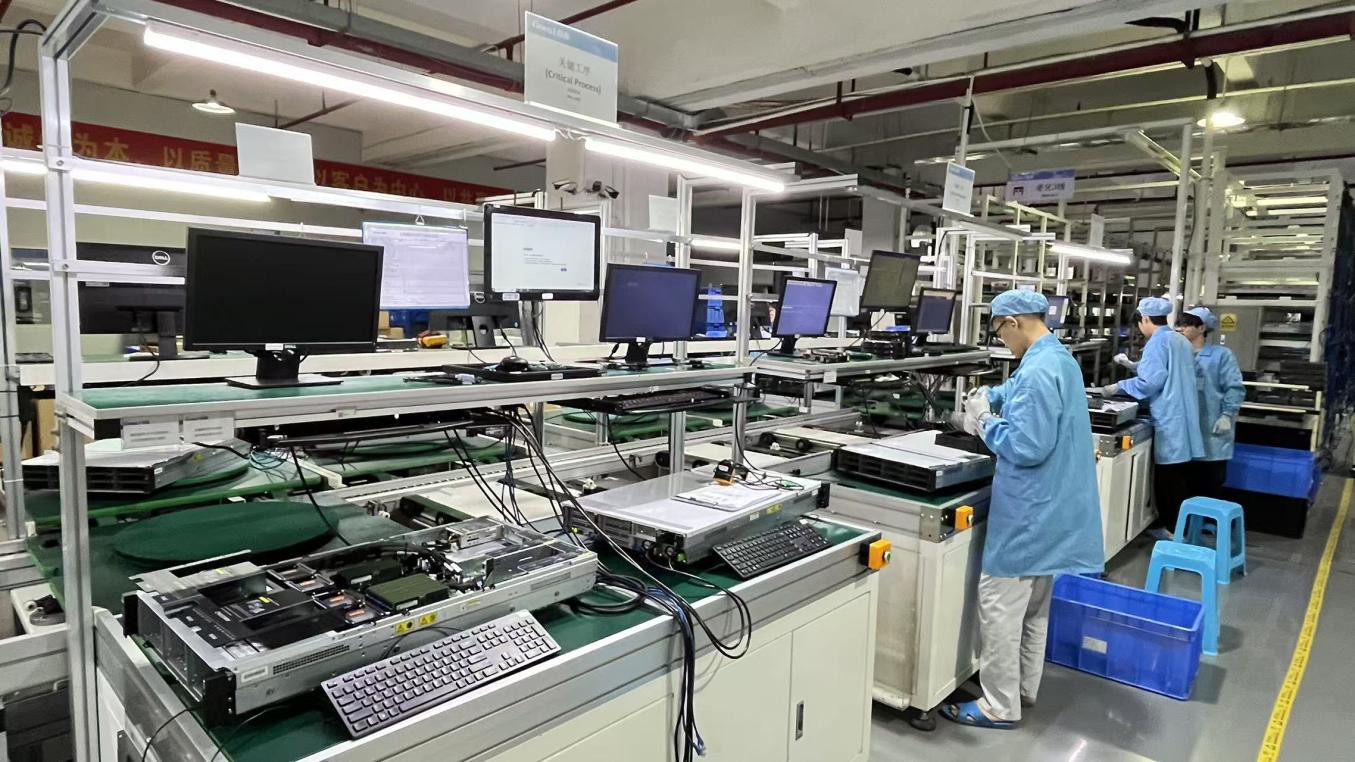

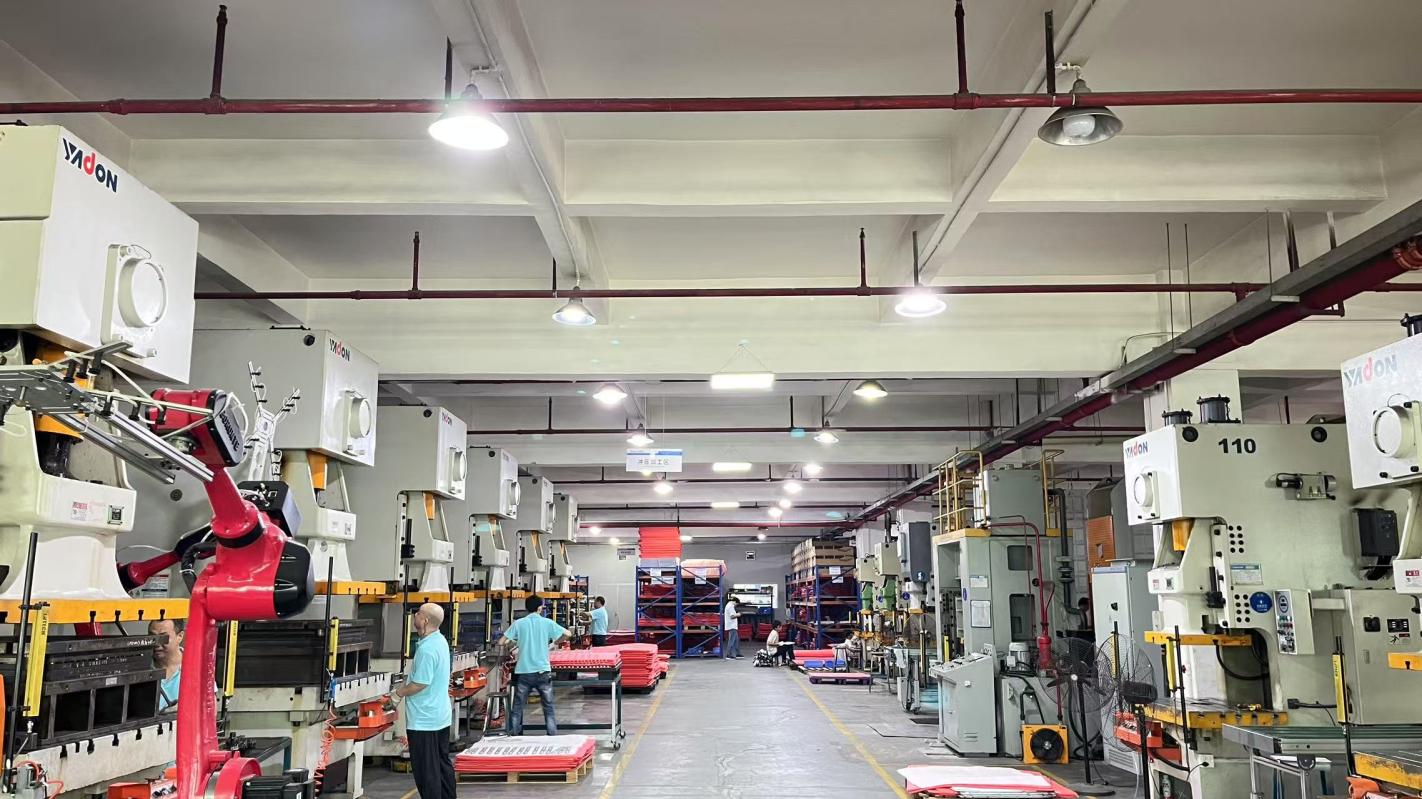
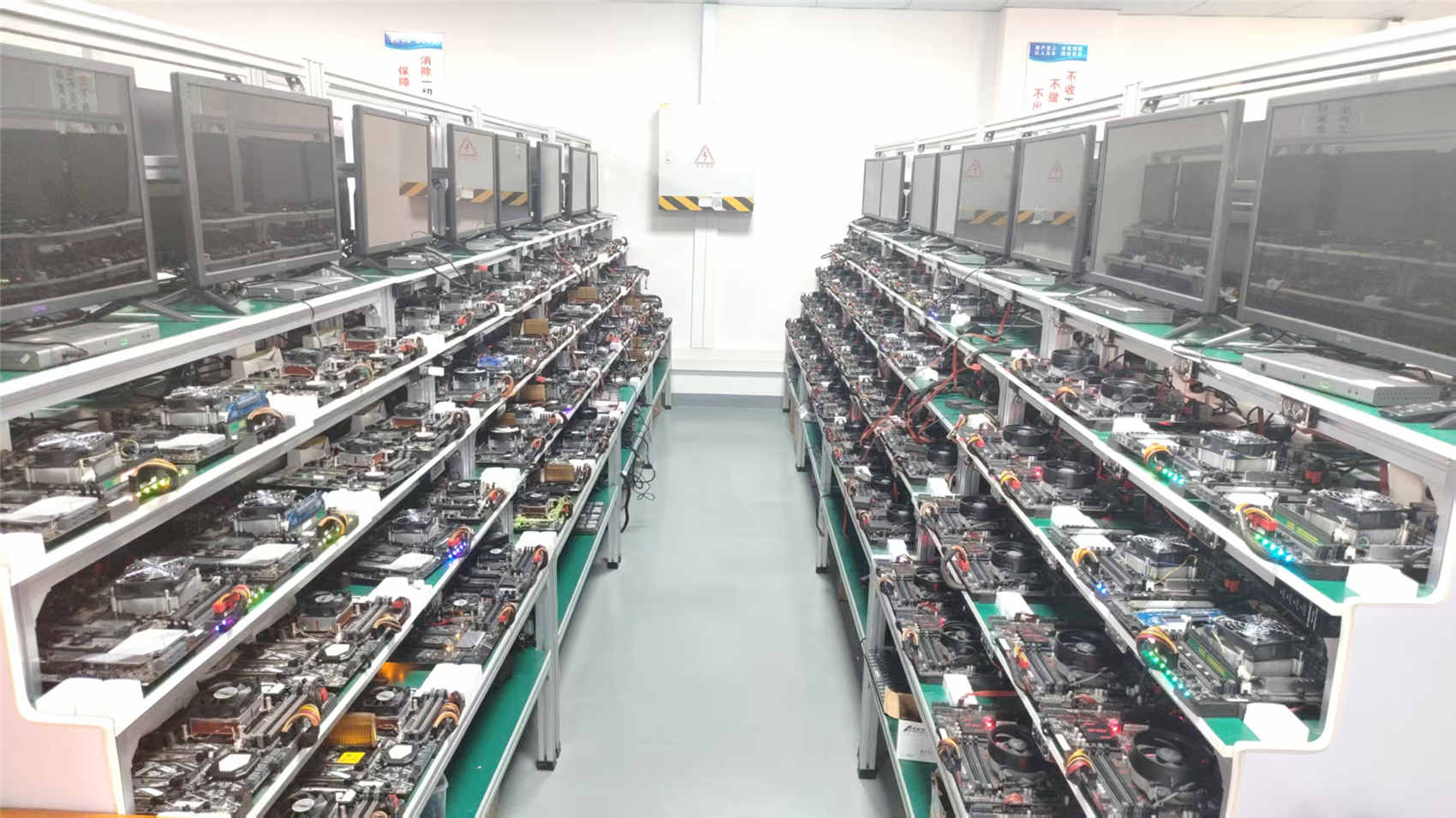
Modern manufacturers are shifting from selling standalone components to supplying fully integrated macro solutions.
For industrial OEMs, standard, off-the-shelf modules rarely match custom housing profiles or specific power-draw limits. Top manufacturers specialize in designing custom driver assemblies and opto-array layouts. This ensures the output radiation pattern matches the physical dimensions of the sterilization chamber, preventing dark zones.
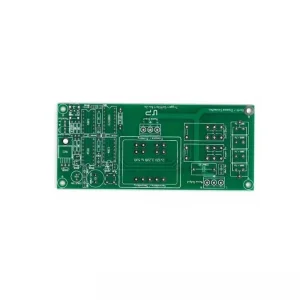
Whether the target is medical sterilization, food processing safety, or cleanroom HVAC systems, our macro design philosophy bridges electrical engineering and physics. We utilize advanced electronic components (like high-quality PCBs and server-grade cooling radiators) to guarantee consistent performance and reliability.
Explore the technical and thermodynamic inquiries related to the design and application of industrial-grade UVC LED disinfection modules.