Novram
Novram
Novram
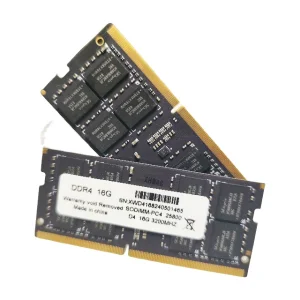
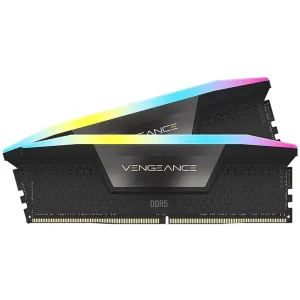
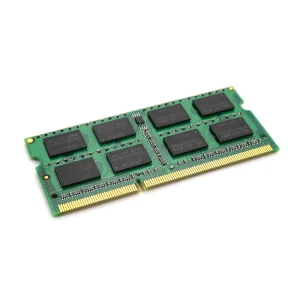
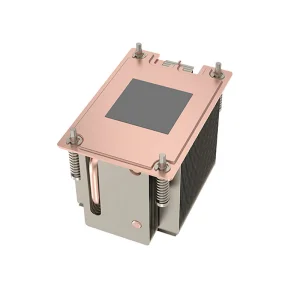
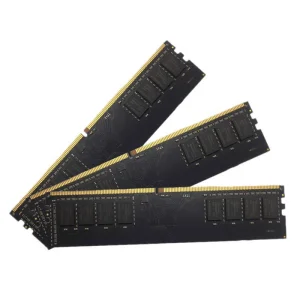
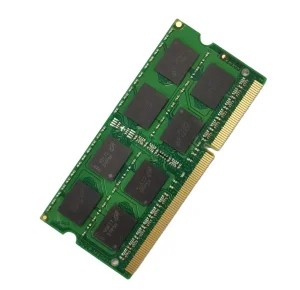
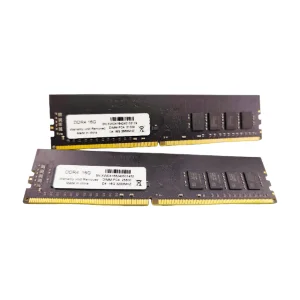
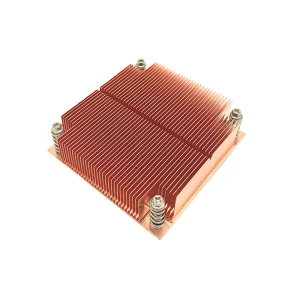
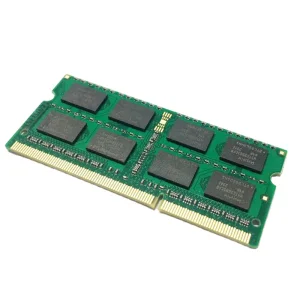
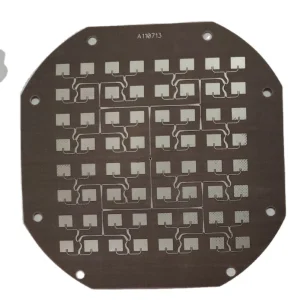
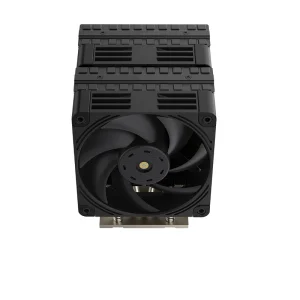
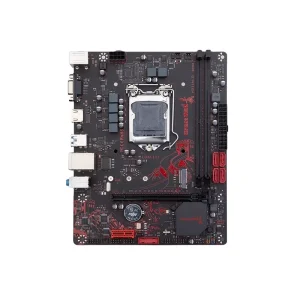
Explore our foundational range of Taconic TLY-5 substrate boards, multi-tier cooling heatsinks, and core memory units for system integration.
In modern telecommunications, the shift toward higher-frequency bandwidths has catalyzed a technical paradigm shift. High-frequency circuit boards are no longer specialty items confined to niche military RF systems; they are now the foundation of commercial millimeter-wave (mmWave) networks, 5G-Advanced and emerging 6G backhauls, advanced automotive ADAS (77GHz radar arrays), and satellite broadband transceivers.
As operating frequencies climb from sub-6 GHz configurations to tens of gigahertz, the limitations of standard dielectric laminates (like conventional FR-4) become critical issues. Signals attenuate rapidly, phase distortion compromises data packets, and electromagnetic coupling between parallel traces degrades overall performance. High-frequency circuit boards combat these signals loss problems by utilizing ultra-low dielectric constant (Dk) and dissipation factor (Df) materials. These specialized PTFE, ceramic-filled hydrocarbon, and liquid crystal polymer (LCP) laminates, such as the industry-trusted Taconic TLY-5, maintain signal integrity at extreme frequencies, preventing signal attenuation and preserving wave geometries across dense trace runs.
High-frequency signals travel predominantly on the outer skin of copper traces (known as the skin effect). At these high frequencies, standard substrates introduce severe capacitive coupling. Using a low-Dk substrate like Taconic TLY-5 (Dk 2.2) minimizes signal transmission delay, while an ultra-low Df (0.0009) keeps signal losses to a minimum.
Additionally, thermal conductivity must match the electrical performance. For components that run hot, such as power amplifiers, pairing high-frequency substrates with aluminum backings helps dissipate heat, preventing thermal breakdown.
Enterprise buyers require more than simple manufacturing services; they need a partner capable of handling complex RF requirements, materials compliance, and strict testing protocols.
Maintaining raw material certificates for specialty laminates (e.g., Rogers, Taconic, Nelco, Megtron) is vital. Genuine laminates prevent variations in dielectric properties across different production batches.
High-frequency lines require strictly controlled track widths, copper weights, and prepreg thickness. Manufacturers must verify these metrics using Time Domain Reflectometry (TDR) test coupons on every panel.
Global logistics demand conformance with RoHS, REACH, and UL94-V0 flammability ratings. A green supply chain is a fundamental requirement for landing contracts with tier-one Western technology brands.
Shenzhen remains the global hub for advanced hardware manufacturing. Moving beyond simple labor advantages, China's Factory 4.0 facilities utilize automated production, AI-driven optical inspection, and integrated supply networks to deliver high-quality products efficiently.
By using laser direct imaging (LDI) machines, high-speed routing systems, and advanced electroplating lines, modern factories can achieve fine trace widths and spacings down to 2/2 mil. These automated processes reduce human error and guarantee consistent electrical characteristics across high-volume production runs.
This automated ecosystem also enables rapid turnaround times. Prototype designs can transition to mass production quickly, ensuring that product launches meet tight market windows without sacrificing design accuracy.
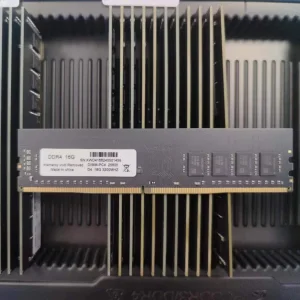
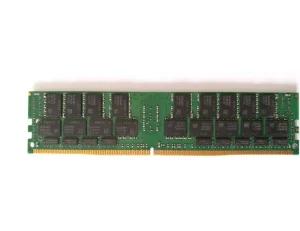
Novram Electronics Co., Ltd. is a professional DDR5 memory manufacturer based in Shenzhen, China, dedicated to delivering high-performance DRAM solutions for global OEM, ODM, and industrial customers. Established in 2016, the company has grown into a reliable supplier of DDR5 memory modules, serving partners across consumer electronics, industrial automation, embedded systems, gaming, and enterprise computing.
Operating from a modern 3,860㎡ manufacturing facility, Novram integrates advanced production equipment, strict quality management, and continuous R&D innovation to ensure every memory module meets international performance and reliability standards. Our experienced engineering team focuses on developing high-speed, stable, and energy-efficient DDR5 products for diverse computing applications.
With 9 years of industry experience and 7 years of export experience, Novram exports products to customers in more than 40 countries. The company achieves an annual export revenue of approximately US$18.6 million, supported by an efficient global supply chain and responsive customer service.
Quality is at the core of everything we do. Every DDR5 memory module undergoes 100% functional testing, compatibility testing, burn-in testing, temperature testing, and aging verification before shipment. Our quality control department consists of 42 professional inspectors, ensuring consistent product performance and long-term reliability.
Novram maintains strong partnerships with over 860 qualified supply chain partners, enabling stable production capacity and reliable component sourcing. Our primary customers include memory module brands, computer manufacturers, industrial PC companies, system integrators, distributors, wholesalers, and OEM/ODM partners worldwide.
Innovation drives our competitiveness. Our dedicated R&D center is staffed by 76 experienced engineers, allowing us to introduce approximately 138 new products each year. We provide comprehensive OEM, ODM, private label, logo printing, packaging customization, capacity customization, firmware optimization, and product specification customization to meet different market requirements.
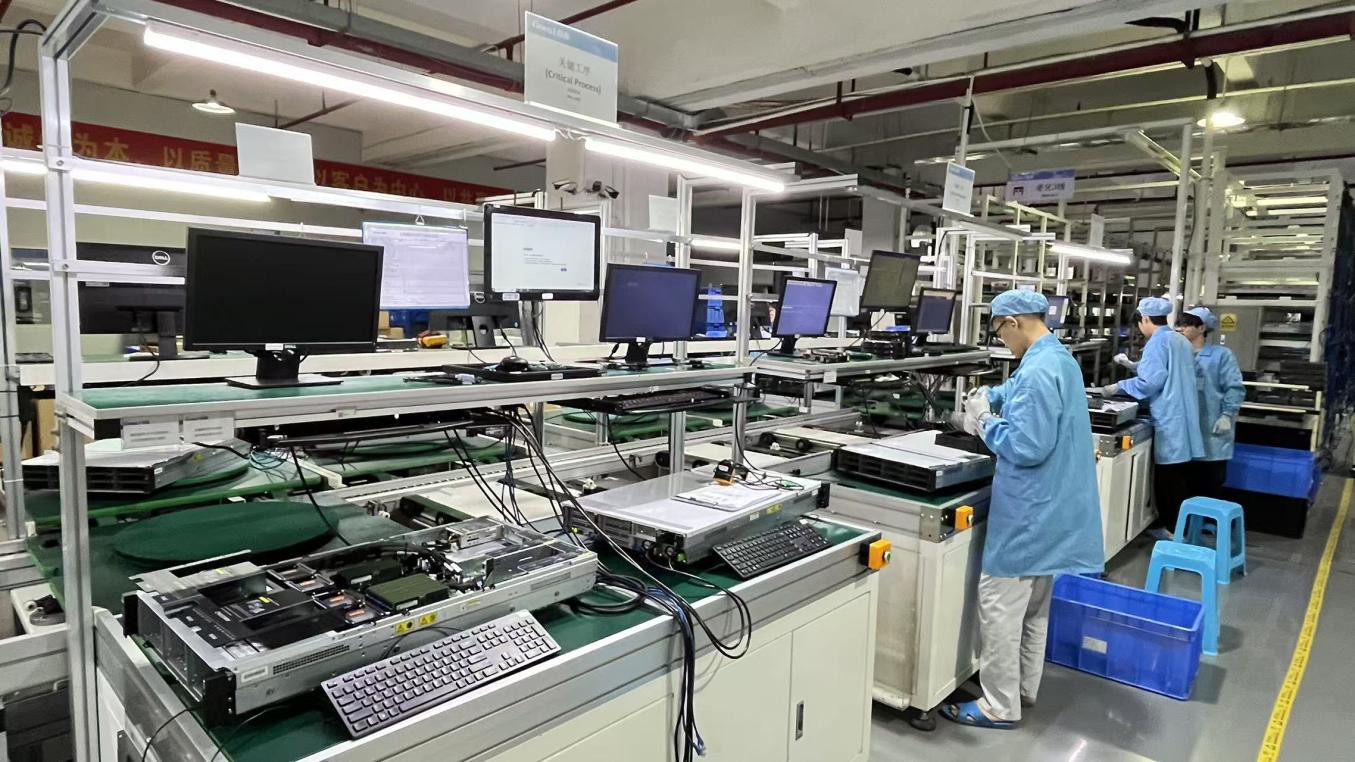
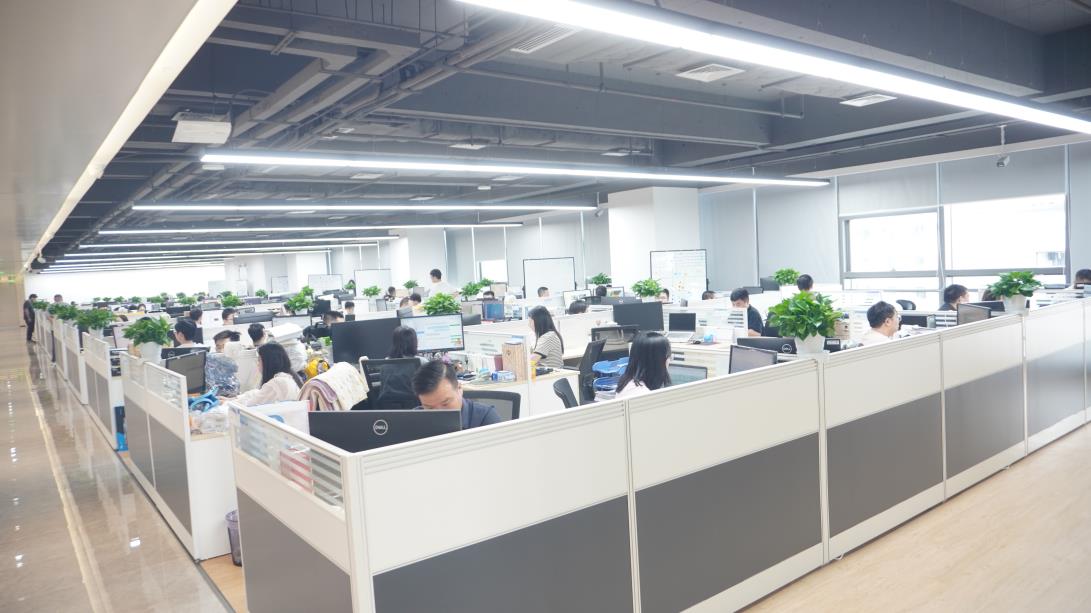
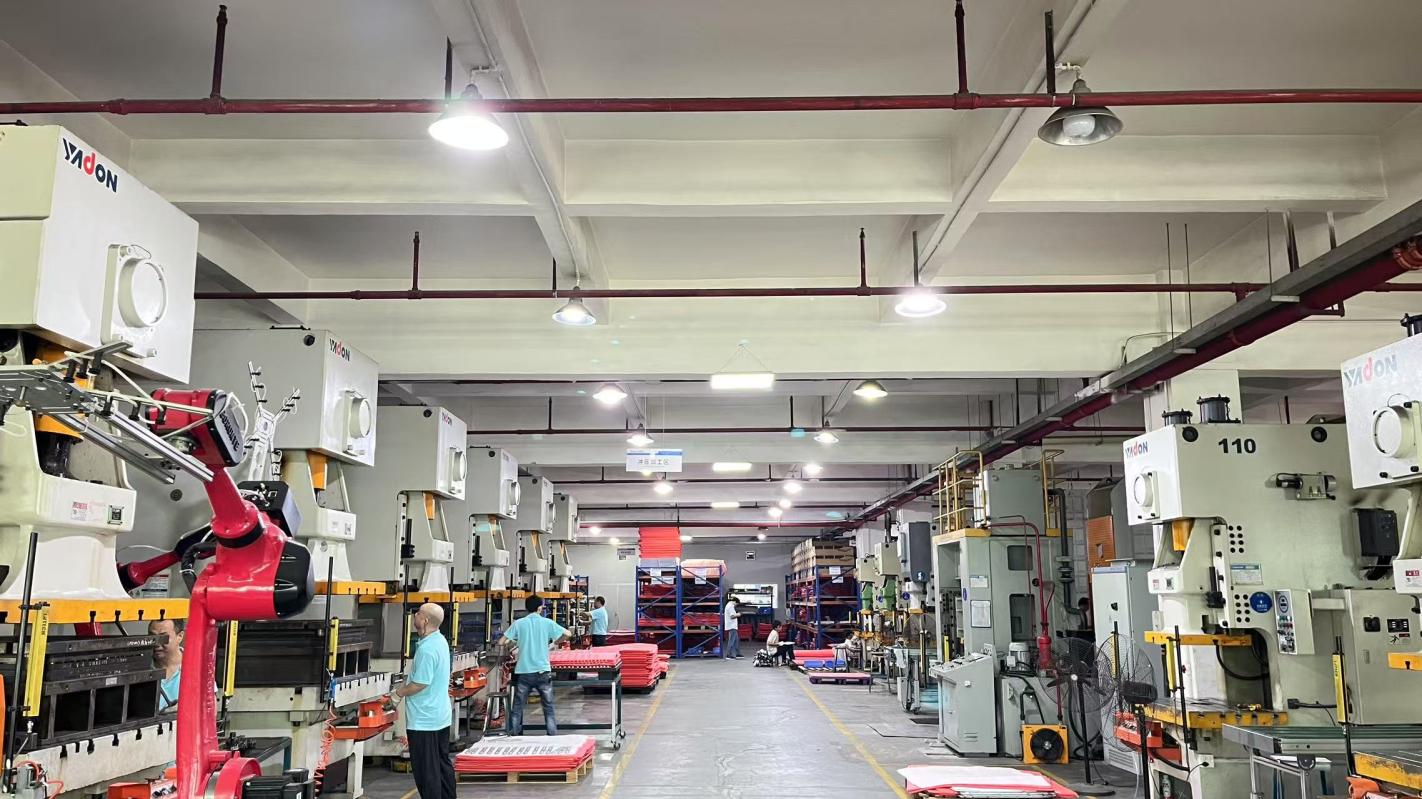
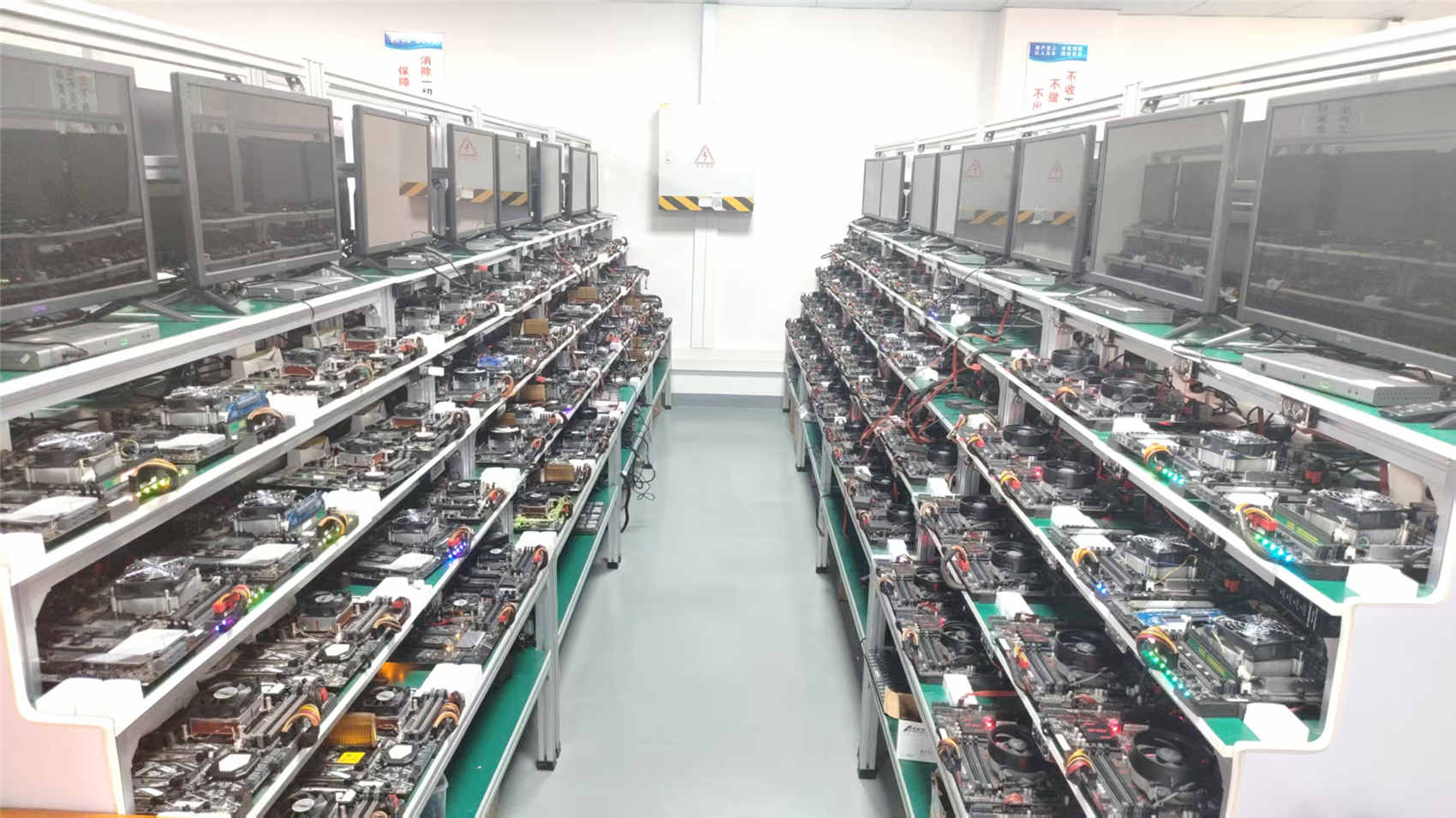
High-frequency substrates and memory architectures are essential components in today's highly connected industrial ecosystems.
Taconic TLY-5 PCBs are key materials for LNB components, VSAT transceivers, and phase array antenna systems. Their low Dk (2.2) and stable electrical performance across changing temperatures help maintain signal clarity in space and aerospace applications.
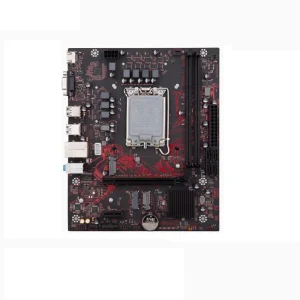
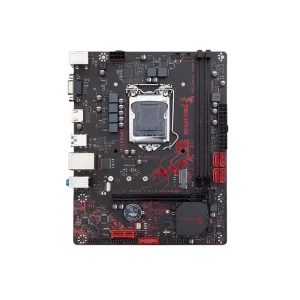
Modern data centers rely on stable DDR5 DRAM modules combined with high-frequency motherboard designs to support data-heavy applications. Proper thermal management, using custom heatsinks, ensures that these servers can process high workloads continuously.
Collision avoidance systems operating at 77GHz require precise and reliable PCB manufacturing. High-frequency RF circuit boards ensure clear radar return signals, helping to improve safety and navigation in modern vehicles.
Technical guidance regarding design guidelines, material selection, and production methods.
Taconic TLY-5 is a woven fiberglass-reinforced PTFE laminate, offering a dielectric constant (Dk) of 2.20 and a low dissipation factor (Df) of 0.0009. This makes it highly suitable for microwave, millimeter-wave, and satellite communications where signal attenuation must be kept to a minimum. Additionally, it offers low moisture absorption and high peel strength, which helps maintain electrical stability in humid or challenging environments.
As memory speeds increase (such as DDR5 running at 6000MHz and higher), signal densities and processing speeds generate more heat. Integrating high-frequency circuit boards with aluminum substrates or dedicated metal heat sinks allows for faster heat dissipation. Proper thermal management prevents heat buildup in active components, avoiding thermal throttling and maintaining signal integrity.
Yes, hybrid multilayer stackups are a common way to manage production costs. We can laminate high-frequency Taconic materials on the outer layers to handle high-speed RF routing, while using standard, cost-effective FR-4 for the inner layers to carry low-speed control lines and power distribution. This approach balances performance requirements with project budgets.
We employ a comprehensive testing suite for both PCBs and memory modules. For our DRAM products, we run 100% functional tests, compatibility sweeps, burn-in validation, temperature cycling, and aging tests under high stress levels. For high-frequency circuit boards, we perform automated optical inspection (AOI), electrical continuity checks, and controlled impedance tests to ensure they meet customer design specifications.
Our complete range of high-frequency components, enterprise-class DRAM, and cooling hardware designed for stable, long-term operation.