Novram
Novram
Novram
An Industrial Deep Dive into the Micro-Processing Systems, Ultra-Compact PCBs, and Memory Modules Powering the Next Generation of Global Wearables.
Modern wearable technology has transcended basic pedometers to become complex, real-time data analytical nodes. From medical-grade continuous glucose monitors (CGMs) to industrial smart helmets and enterprise-grade VR headsets, the demand for hardware miniaturization without compromising computational power is at an all-time high. Behind every lightweight smartwatch is a highly integrated printed circuit board (PCB) and an optimized, high-density memory array designed to handle processing under extreme thermal and space limits.
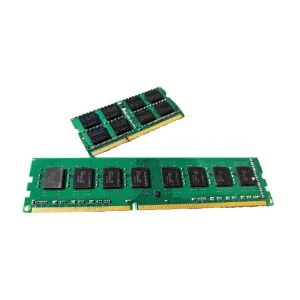
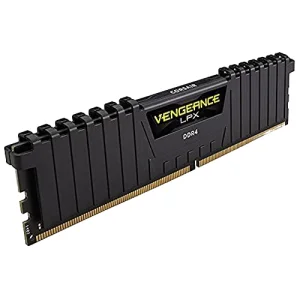
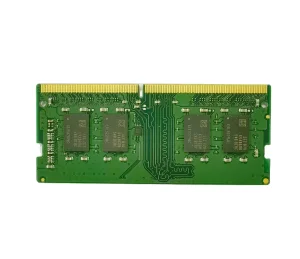
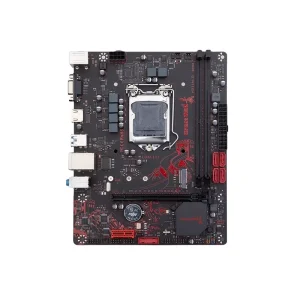
As a leading hardware ecosystem developer, Novram Electronics Co., Ltd. bridges the gap between raw computing components—such as high-speed DDR4/DDR5 memories, high-frequency aluminum substrate PCBs, and high-performance server architectures—and localized consumer or industrial wearable designs. Our manufacturing processes ensure that the core computational units driving modern wearable sensors operate with maximum uptime and structural durability.
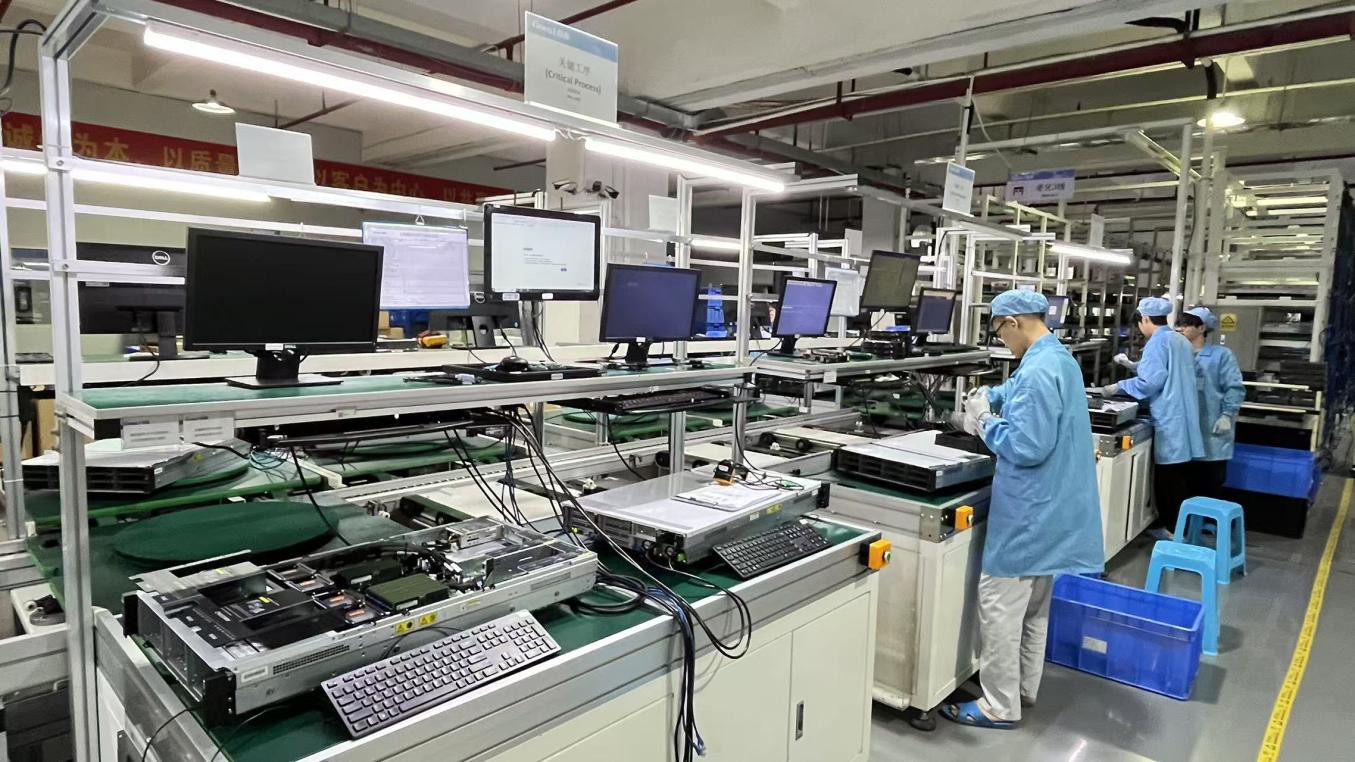

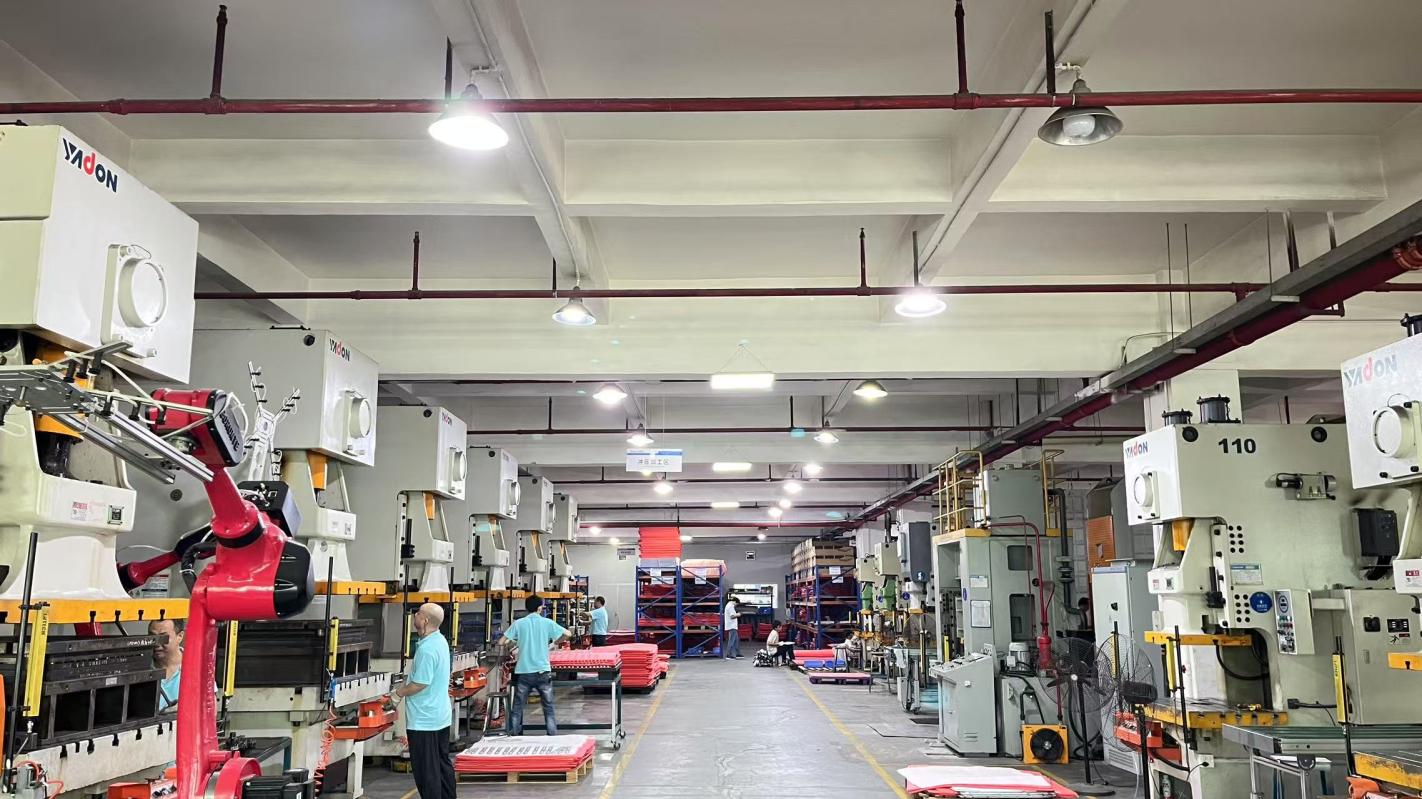
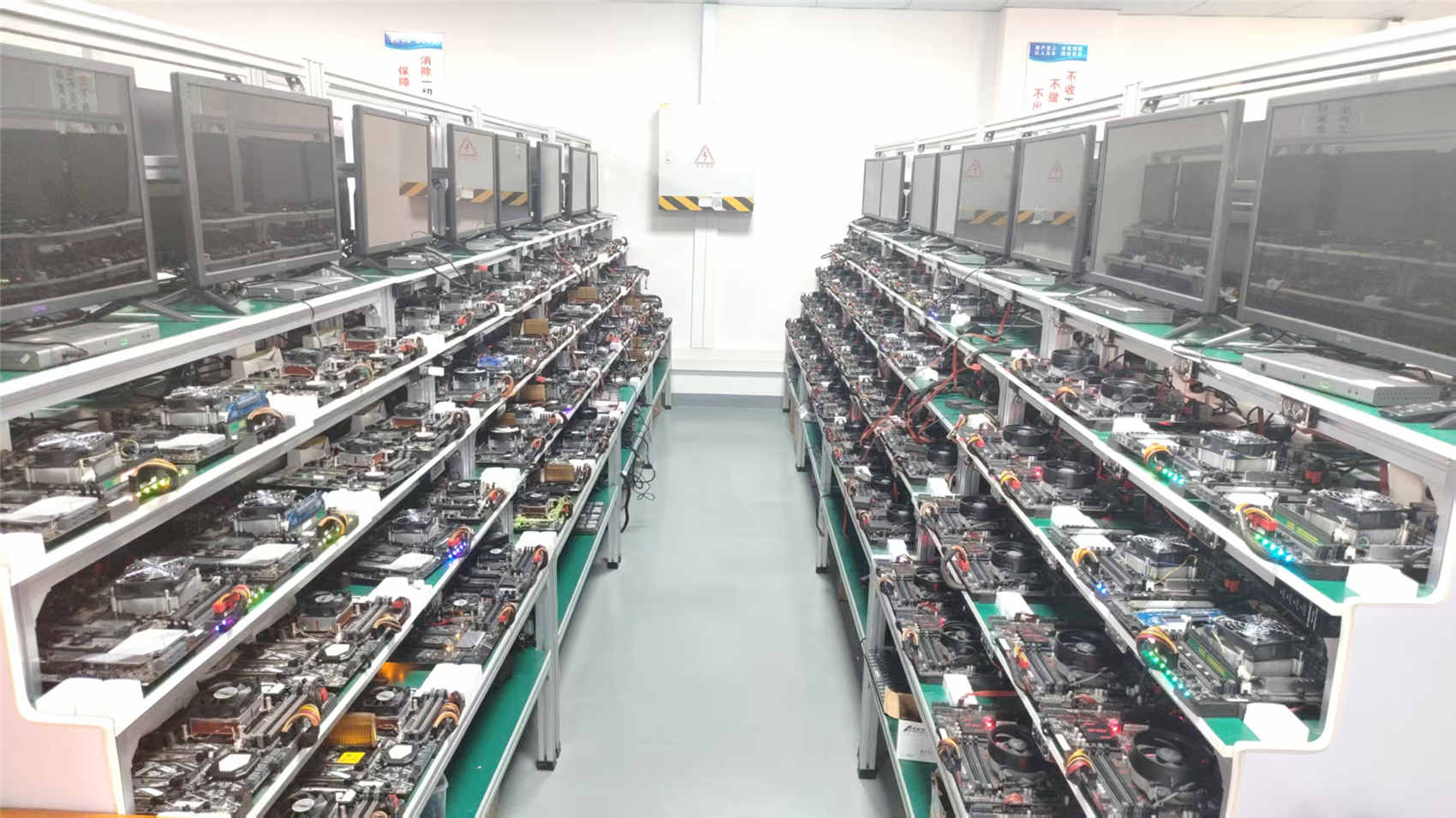
Established in 2016 in Shenzhen, China, Novram Electronics Co., Ltd. is a high-technology DDR5 and high-frequency PCBA manufacturer. We specialize in producing reliable, ultra-compatible memory components and customized circuit designs. Over the past 9 years of industry experience, accompanied by 7 years of direct export experience, we have built a solid reputation as a global hardware OEM/ODM partner.
Our operation is based in a 3,860㎡ state-of-the-art facility utilizing advanced high-speed SMT assembly lines, automated optical inspection (AOI), and comprehensive dynamic testing platforms. We export our specialized hardware to over 40 countries, providing customized computing and board-level layouts that serve as the backbone for complex industrial IoT systems and wearable sensor clusters.
At Novram, quality controls are meticulously applied to every batch of products. We utilize 42 professional quality assurance inspectors who run 100% functional tests, comprehensive compatibility analysis across platforms, burn-in validation, extreme temperature tolerance testing, and long-term aging verification.
To gain a competitive edge, wearable solutions must be adapted for specific industrial use cases and regional challenges. Below are key deployment scenarios where Novram's high-speed memory and structural SMT technologies provide high-performance support:
In North America and Europe, healthcare systems rely on real-time wearable telemetry. These devices demand highly compact PCBAs and power-efficient embedded systems. Novram's high-performance memory chips and PCBA designs support local medical compliance by maintaining absolute signal integrity and low latency for continuous patient tracking.
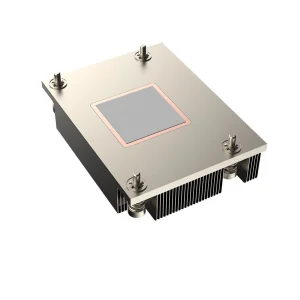
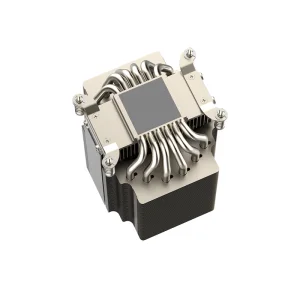
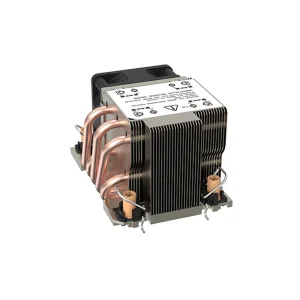
Heavy industries in regions like Germany and Australia deploy smart helmets, AR safety goggles, and biometric vests. These devices operate in harsh thermal environments, requiring copper-based passive heatsinks and robust PCB layout architectures to ensure stable operation under high temperatures and strong physical shocks.
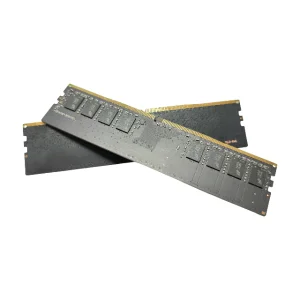
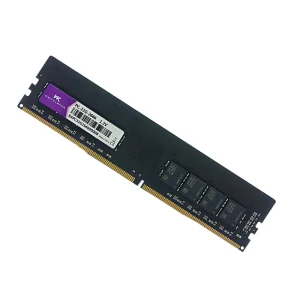
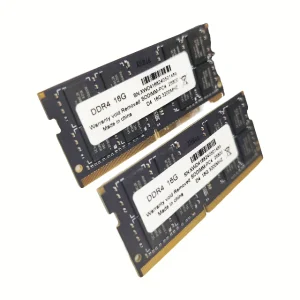
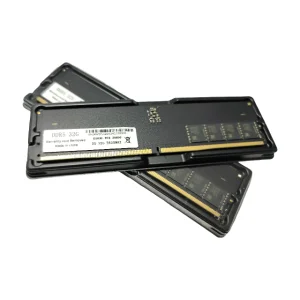
Professional athletic clubs employ high-density sensor arrays to track performance. The huge volumes of data collected need quick storage and processing. Novram's ultra-reliable DDR4 and DDR5 memory modules enable localized edge servers to process high-frequency biometric data quickly during active training sessions.
As the industry moves toward Edge AI, wearable architectures must adapt to handle real-time processing, low-power storage, and extreme component density. Our R&D center is leading development in four key hardware categories:
To reduce wearable footprint by 40%, we are developing integrated PCBA substrates that embed microprocessors, Bluetooth modules, and high-density LPDDR memory chips onto a single silicon layout, reducing power loss and structural trace lengths.
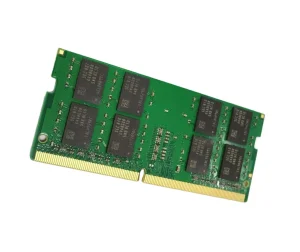
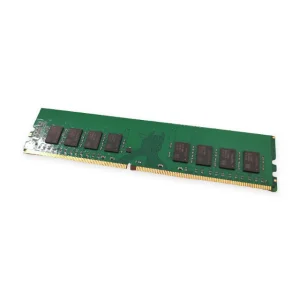
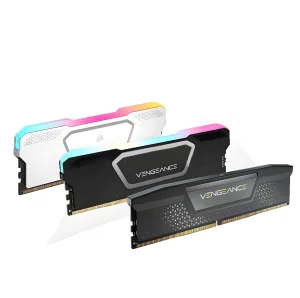
Consumer devices require faster processing at lower voltages. Our DDR5 modules operating up to 6000MHz feature improved power management ICs (PMICs), shifting power regulation directly from the mainboard to the memory module to lower thermal output.
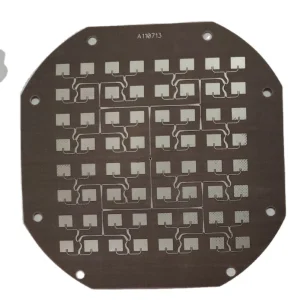
To reduce dependency on cloud servers, wearable computers process algorithms locally. Our high-frequency PCB architectures incorporate specialized processing cores that quickly move sensor data through high-bandwidth memory pipelines.
The manufacturing cluster in Shenzhen offers unmatched advantages for global technology exporters and OEM buyers. Novram leverages this localized infrastructure to deliver premium hardware with speed and reliability.
From initial design files to SMT prototypes, Shenzhen's electronics ecosystem allows Novram to source components, fabricate multi-layer high-frequency PCBs, and finalize testing in record time. Our 860 verified supply chain partners ensure that even during component shortages, we keep production schedules steady and reliable.
Operating out of a modern 3,860㎡ facility, our processes are highly automated. This automation lowers manufacturing costs while keeping defect rates near zero. These cost savings are passed to our partners, allowing us to export to over 40 countries at competitive price points.
Wearable technology has evolved from a consumer accessory into a critical enterprise and industrial tool. In smart warehousing and logistics, hands-free wearable scanners improve fulfillment speeds by up to 30%. In heavy manufacturing, AR headsets stream direct guidance to field technicians. These intensive commercial setups demand high-reliability components that operate 24/7 without performance drops or thermal throttling.
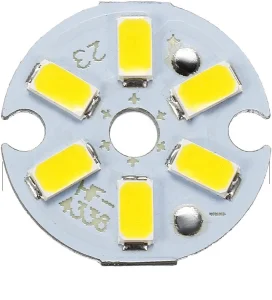
Our industrial-grade hardware, including high-heat-dissipation aluminum substrate PCBs and server-level DDR4/DDR5 modules, provides the processing power and thermal stability required by corporate and industrial applications.
Compliance is essential for entering global markets. Novram ensures all hardware products meet local regulatory, environmental, and safety frameworks before export:
Everything you need to know about our industrial capability, wearable component integration, and global supply logistics.