Novram
Novram
Novram
Explore the essential control architectures, high-performance logic modules, and flexible circuits designed to configure your UVC LED arrays for the Houston market.
How high-density solid-state disinfection is replacing legacy low-pressure mercury vapor lamps across Texas commercial and municipal sectors.
Over the last decade, the global disinfection sector has experienced a profound shift from mercury-based discharge lamps to UV-C light-emitting diodes (LEDs). Among the array of wavelengths available, the 270nm to 280nm band has emerged as the global industrial gold standard. At this specific spectral range, photon energy matches the absorption spectrum of nucleic acids (DNA and RNA) in pathogens, causing pyrimidine dimer formation that effectively deactivates viruses, bacteria, and spores.
In the Houston market—defined by massive industrial complexes, municipal water challenges, high-humidity HVAC environments, and the world’s largest healthcare ecosystem at the Texas Medical Center (TMC)—the demand for highly reliable, long-lasting UV-C emitters is soaring. The 3535 surface-mount device (SMD) ceramic package, combined with AlGaN (Aluminum Gallium Nitride) epitaxial structures, represents the pinnacle of thermodynamic and optical efficiency required to withstand these demanding local environments.
Tailoring solid-state ultraviolet systems for the unique climate, environmental regulations, and critical industrial sectors of Houston, Texas.
Houston’s humid subtropical climate subjects building HVAC systems to constant condensation, turning evaporator coils into breeding grounds for mold, mildew, and biofilms. Integrating 270nm-280nm 3535 UVC arrays directly on coil surfaces prevents biofilm aggregation, lowering static pressure and optimizing building energy performance.
With massive refineries and industrial ports along the Houston Ship Channel, the need for chemical-free biocidal water treatment is critical. 3535 UVC LEDs offer instantaneous water treatment without introducing harmful chlorinated byproducts, facilitating process water recycling and meeting local EPA discharge mandates.
For research labs, hospitals, and bio-containment zones, standard sanitation is insufficient. High-output 3535 UVC LEDs are built into autonomous disinfection robots and dynamic wall-mount air sanitizers to achieve 99.99% (log-4) inactivation of drug-resistant pathogens in sensitive medical environments.
Advanced manufacturing capacity, structural R&D expertise, and strict quality control at Novram Electronics Co., Ltd.
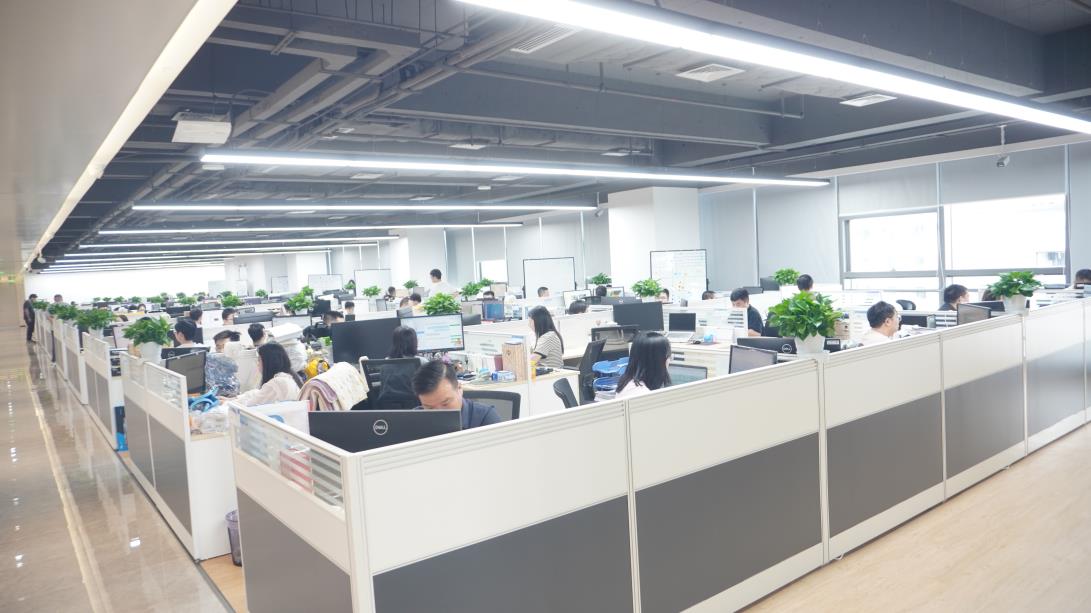
As a premier manufacturer with deep roots in high-performance electronics, Novram Electronics Co., Ltd. bridge the gap between cutting-edge Chinese semiconductor packaging technology and the rigorous performance requirements of Houston's industrial sectors. Established in 2016 and utilizing a state-of-the-art 3,860㎡ factory in Shenzhen, China, we export advanced components to partners across 40 countries, driving over US$18.6 million in annual global export revenue.
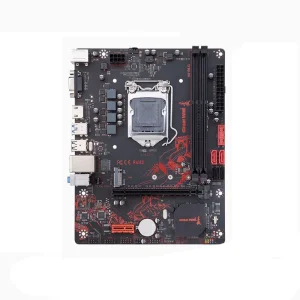
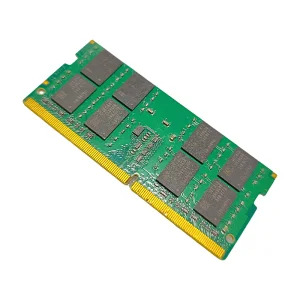
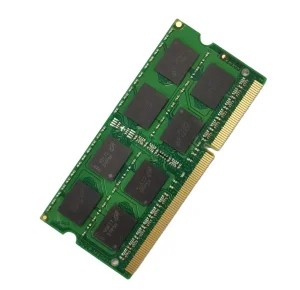
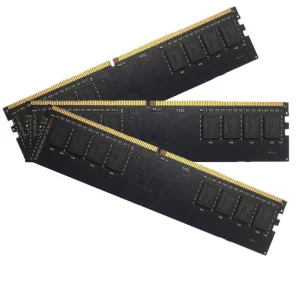
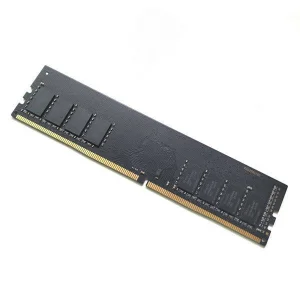
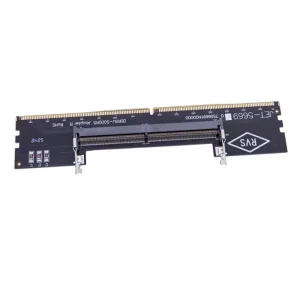
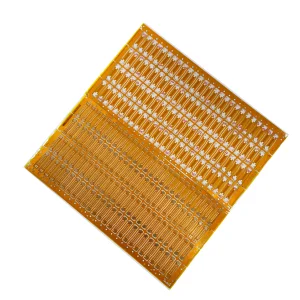
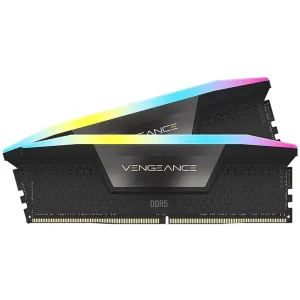
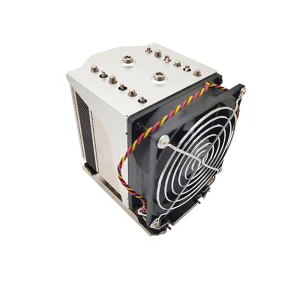
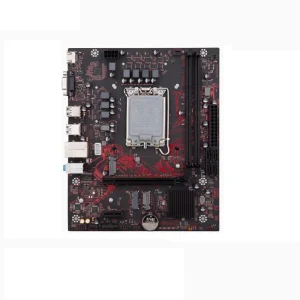
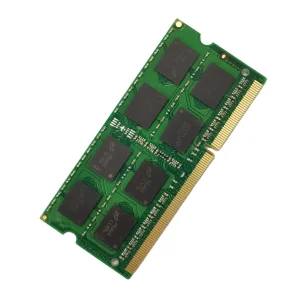
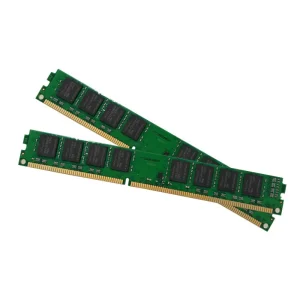
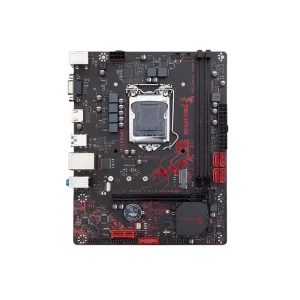
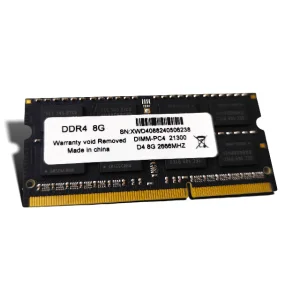
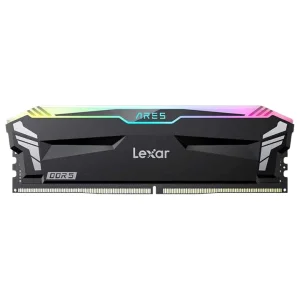
While our legacy lies in robust high-speed memory modules, computer motherboards, and complex FPC PCB assemblies, our engineering expertise has naturally scaled to high-power LED integration. Our R&D facility features 76 specialized engineers who work closely with top-tier AlGaN wafer foundries. This synergy allows us to design high-thermal-conductivity metal-core PCBs (MCPCBs), advanced power control motherboards, and customized 3535 ceramic UVC LED packages optimized specifically for heat-intensive industrial applications.
| Parameter Specification | Typical Value (270nm - 280nm 3535 UVC) | Houston Industry Advantage |
|---|---|---|
| Radiant Flux (Optical Power) | 10mW - 15mW @ 100mA | 100mW @ 600mA | High output reduces the number of LEDs required per fixture. |
| Forward Voltage (Vf) | 5.0V - 7.5V | Compatible with standard industrial constant current drivers. |
| Thermal Resistance (Rth) | 4.5°C/W - 6.5°C/W (Ceramic Substrate) | Rapid heat dissipation preventing thermal runaway in warm environments. |
| L90 Lifespan Estimation | >10,000 Hours (Junction Temperature < 65°C) | Lower maintenance costs and less down-time for continuous HVAC systems. |
| Viewing Angle Options | 60° (Quartz Lens) or 120° (Flat Window) | Flexibility for focused water disinfection or wide-angle air disinfection. |
Meeting stringent United States regulatory standards, certification protocols, and logistical requirements.
Deploying optical disinfection technology in the USA requires compliance with several regulatory frameworks. To ensure seamless adoption, our manufacturing systems and partners conform to international safety protocols, assuring Houston-based clients that every product line is compliant with regional codes:
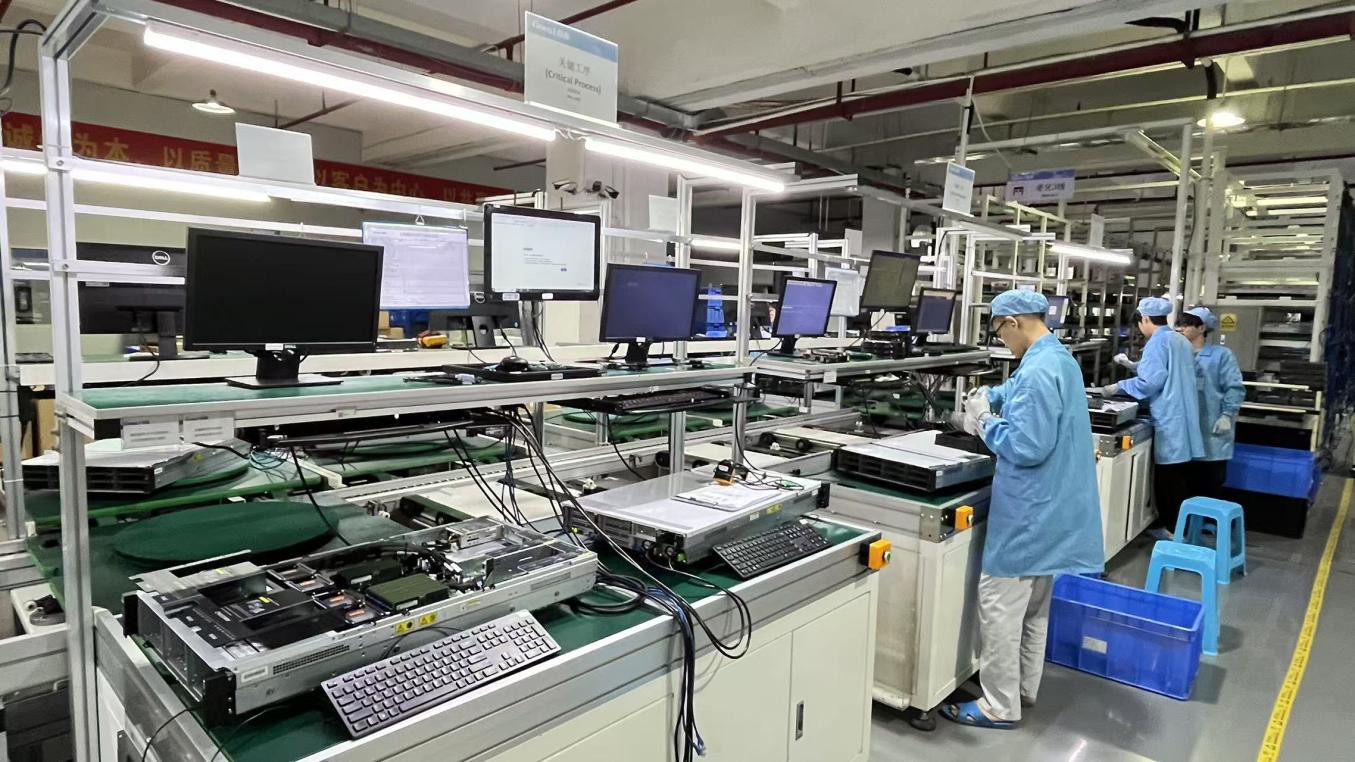

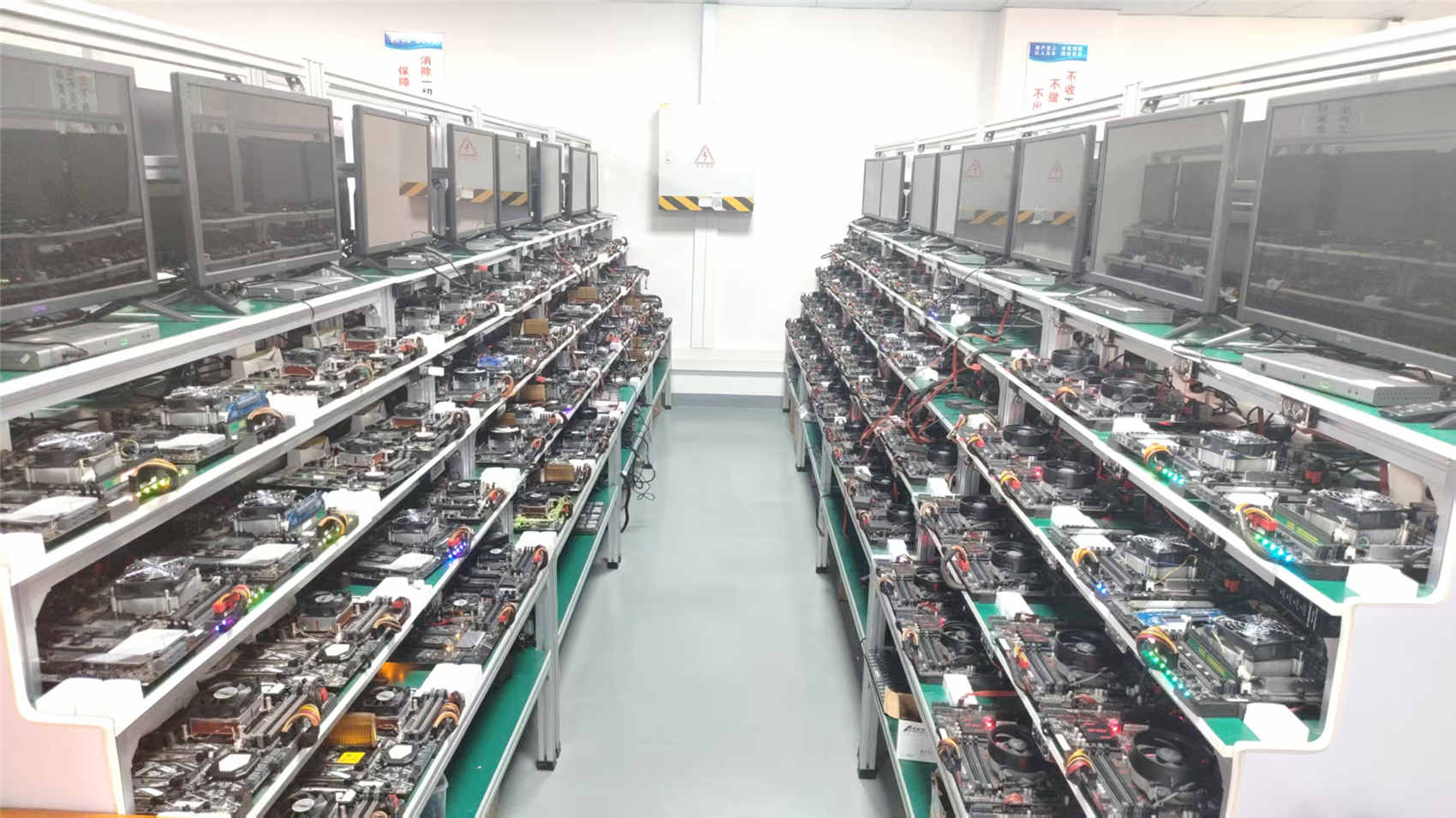
Ensure complete system compatibility. We supply matching thermal management assemblies, processing units, and high-frequency PCBA solutions.
Critical technical and logistical inquiries frequently raised by optical system designers, HVAC contractors, and procurement managers in Texas.
Contact our optoelectronic engineering and supply chain teams. We provide technical support, custom driver designs, and high-volume manufacturing capabilities for the Houston and North American markets.