Novram
Novram
Novram
Optimized Aluminum Cores for Maximum Thermal Efficiency and Rigorous High-Performance Loads
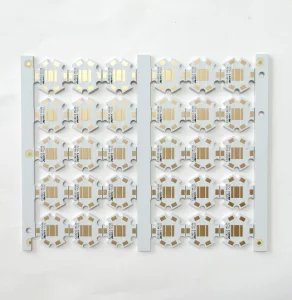
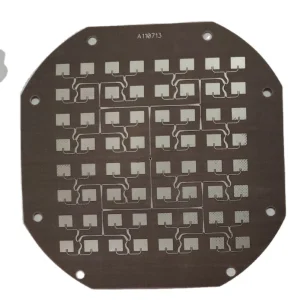
Kenya is rapidly solidifying its status as East Africa's leading technology hub, colloquially known as the "Silicon Savannah." As the nation progresses towards its Vision 2030 development objectives, there is an unprecedented surge in the domestic demand for durable, energy-efficient electronics. Rapid urbanization, combined with rural electrification initiatives and the expansion of solar power mini-grids, has created a critical demand for robust, high-performance printed circuit board assemblies.
Aluminum PCBs (Metal Clad PCBs or MCPCBs) have emerged as the foundational backbone for high-power LED installations, off-grid solar storage kits, and telecommunications power distribution units throughout Kenya. The unique climatic profile of East Africa—characterized by high solar irradiation levels, elevated ambient temperatures, and coastal humidity in regions like Mombasa—demands electronic systems designed for optimal thermal management. Standard FR-4 materials risk premature thermal failure when exposed to these conditions, making aluminum-backed substrates a structural necessity.
Why Thermal Conductivity and Advanced Insulating Dielectric Layers Define Operational Reliability
Aluminum alloys like the 5052 and 6061 series offer superior mechanical stability and heat dissipation over traditional fiberglass, making them ideal for high-vibration applications.
Our proprietary ceramic-polymer dielectric layer ensures minimal thermal impedance while maintaining robust electrical insulation ratings up to 6KV AC.
Available in weights ranging from 1oz to 3oz to accommodate high-current loads, mitigating thermal trace fatigue in long-term field deployments.
| Substrate Parameter | Standard Specification Range | Advanced Capabilities (Novram) | Kenya Field Relevance |
|---|---|---|---|
| Thermal Conductivity | 1.0 - 1.5 W/m-K | 2.0 - 3.0 W/m-K (Up to 8.0 W/m-K) | Critical for high-output solar street lanterns |
| Dielectric Thickness | 50μm - 150μm | 38μm - 100μm (Ultra-low impedance) | Assures efficiency in solar charge controllers |
| Breakdown Voltage | 2.0 - 4.0 KV AC | > 6.0 KV AC (High dielectric barrier) | Protects telecom grids from grid fluctuations |
| Peel Strength | 1.2 N/mm | > 1.5 N/mm (Enhanced copper adhesion) | Prevents trace lifting during manual repairs |
| Solder Mask Options | Standard Green, Matte Black | Super-white reflective (Reflectivity > 89%) | Maximizes light extraction in LED installations |
For Kenyan enterprises, sourcing high-performance components directly from Shenzhen presents clear operational advantages. As the world's primary hardware ecosystem, Shenzhen allows for rapid raw material sourcing, prototype generation, and immediate manufacturing scaling. Novram Electronics Co., Ltd. bridges this geographic distance with dedicated shipping channels designed to streamline delivery directly to East Africa.
By bypassing third-party trading entities, African importers gain access to original factory pricing, comprehensive technical support from the manufacturing engineers, and strict quality assurance checks. Whether shipping via air freight to Jomo Kenyatta International Airport (JKIA) for quick turnaround prototyping or sea freight to Mombasa Port for high-volume commercial runs, we manage the technical documentation required to clear customs efficiently.
To ensure smooth imports into Kenya, we assist with obtaining necessary import documentation, including Certificate of Conformity (CoC) filings under the Pre-Export Verification of Conformity (PVoC) program. This prevents customs delays at entry points, assuring that imported electronic components meet all Kenya Bureau of Standards (KEBS) requirements.
Every production batch undergoes meticulous checks in our 3,860㎡ facility in Shenzhen, China, utilizing automated optical inspection (AOI) and thermal cycle testing.
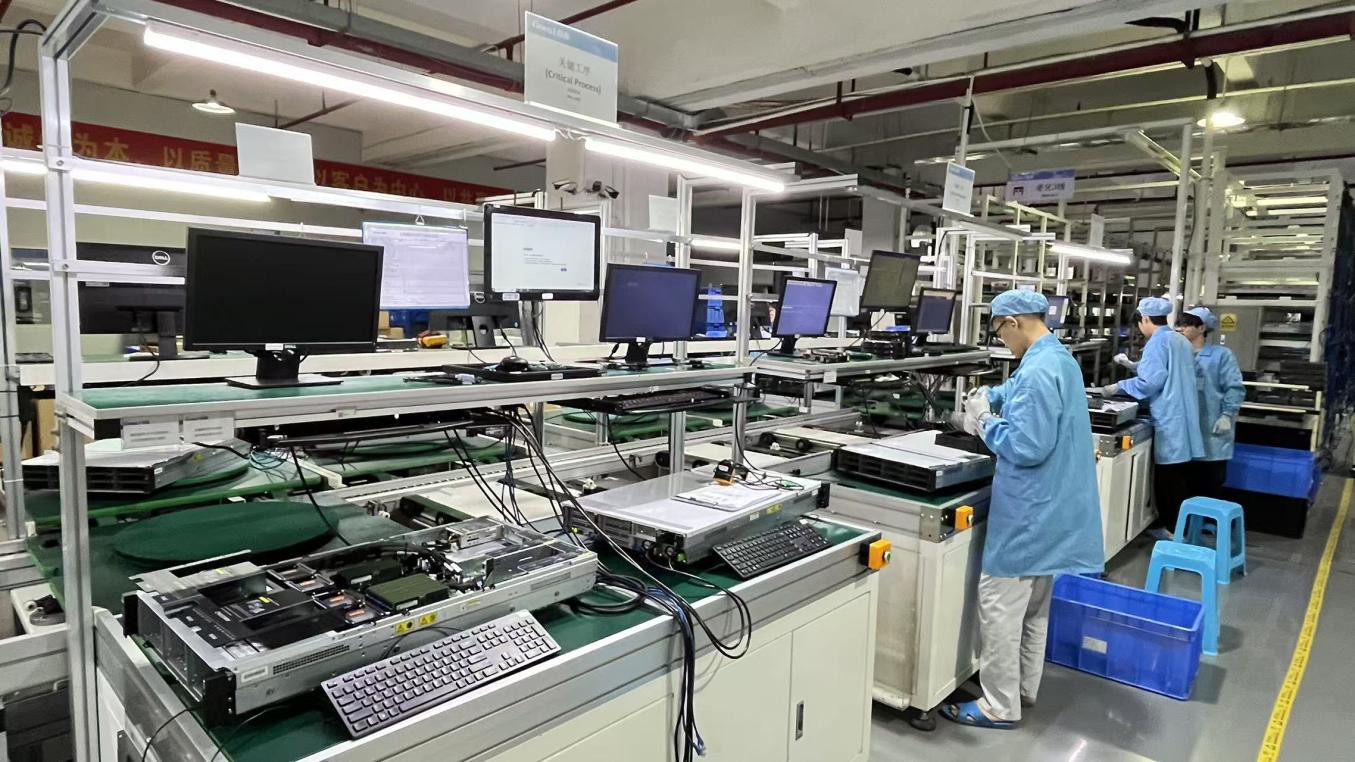

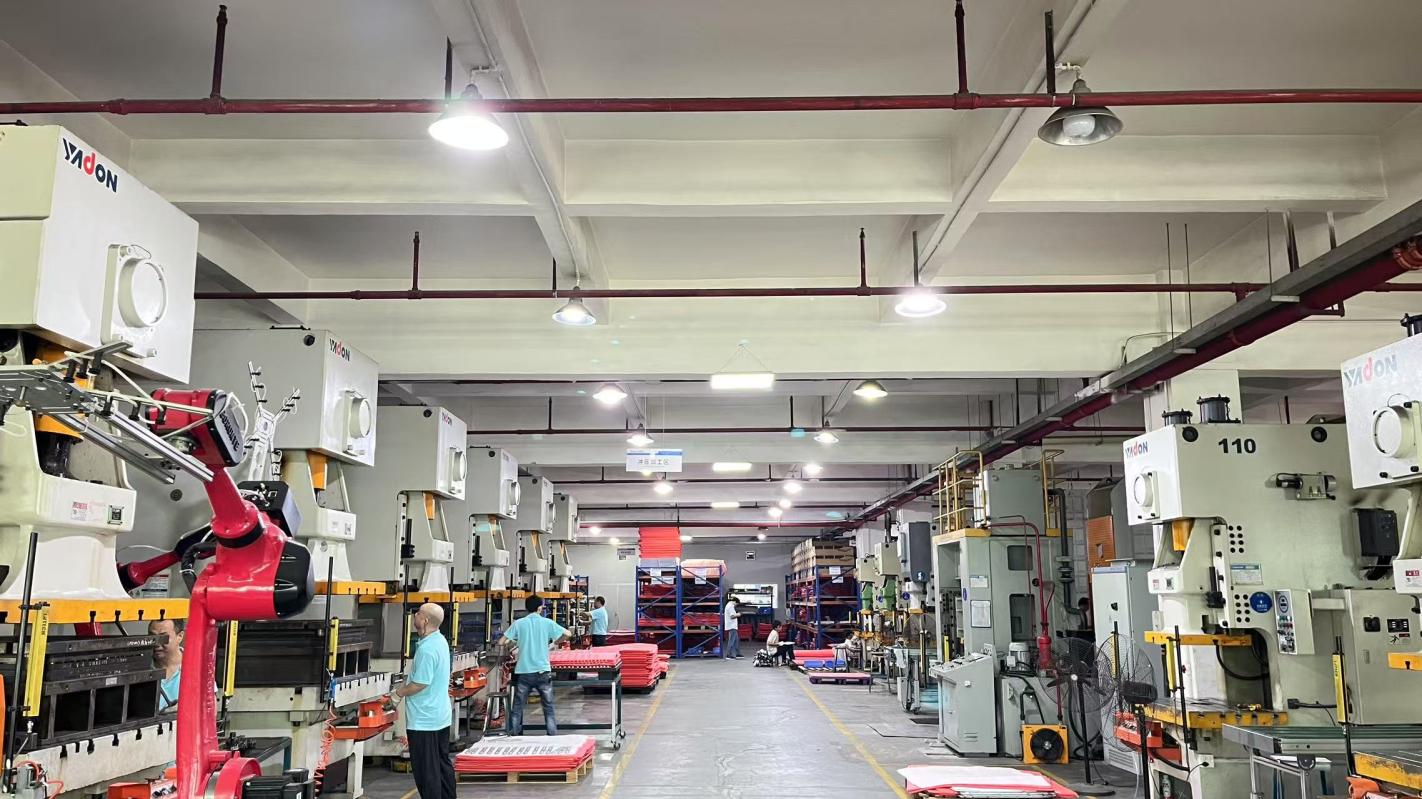
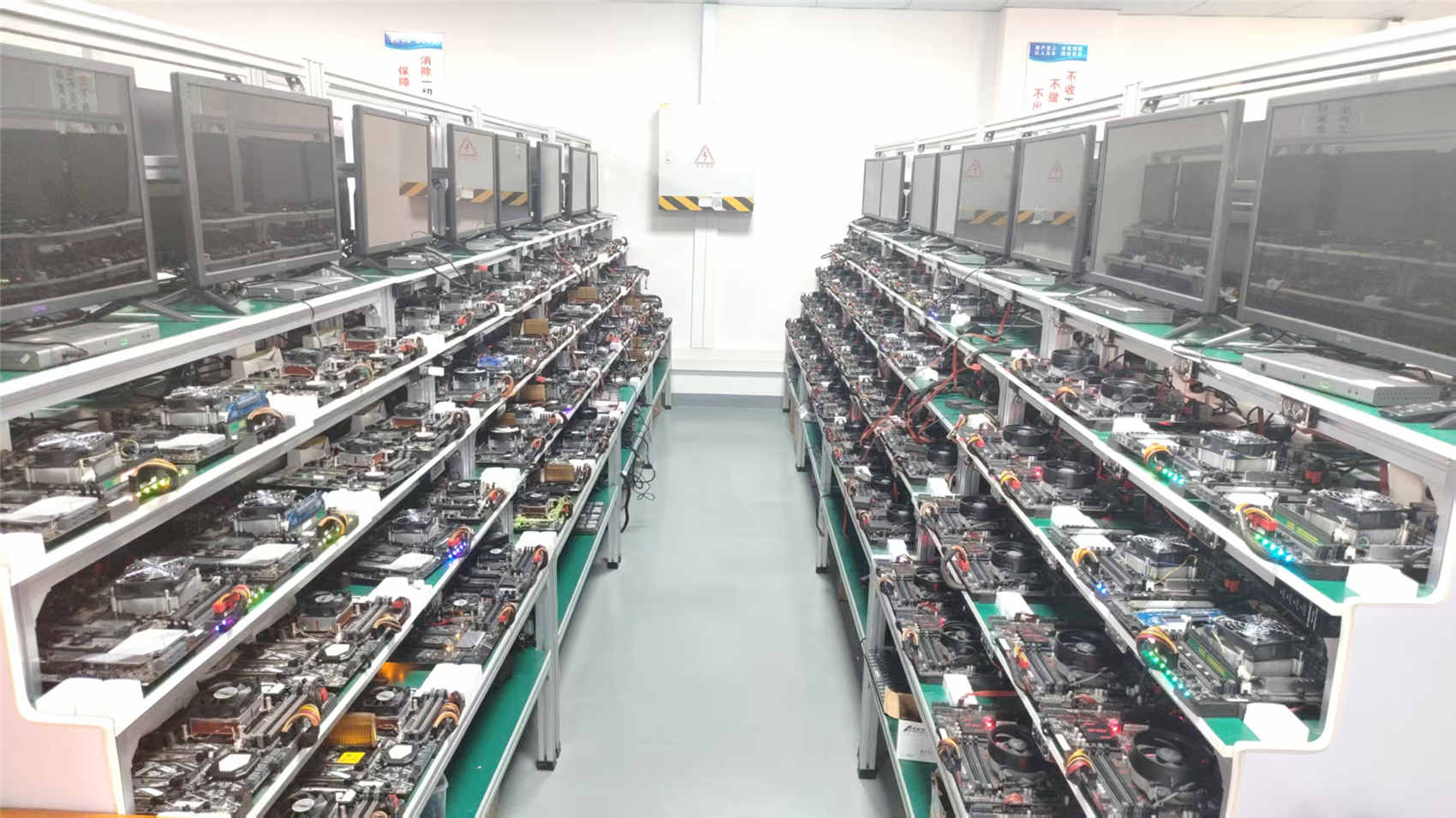
*Actual production lines, testing laboratories, and inventory warehouse facilities at our Shenzhen manufacturing plant.
Tailoring Material Properties to Match Regional Industrial Projects and Local Climatic Demands
Municipal road expansions in Nairobi, Kisumu, and Eldoret rely on high-intensity LED systems. Our T6 5050/3535 aluminum star PCBs protect LEDs from thermal degradation, preventing mid-term lumen depreciation.
Decentralized off-grid systems (pay-as-you-go solar systems) utilize heavy-copper, metal-clad boards. These support the high-current demands of power switches, ensuring continuous operation in remote off-grid locations.
High-frequency base station components require advanced dielectric options like Taconic TLY-5. These hybrid structures support both RF signaling and the necessary heat dissipation in remote telecom towers.
Explore Our Expanded Selection of Motherboards, Memory Upgrades, and Thermal Management Components
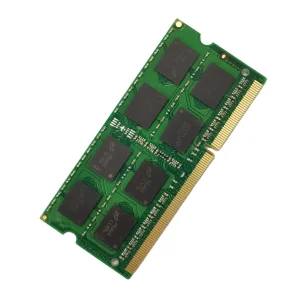
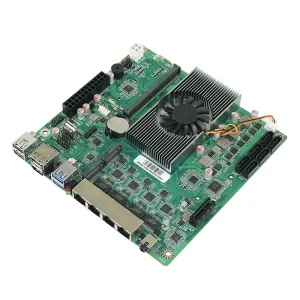
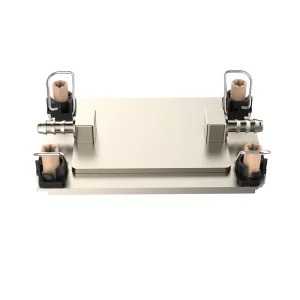
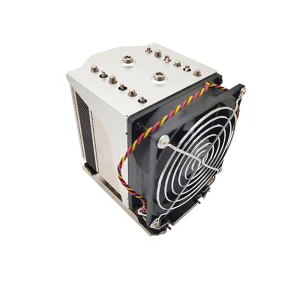
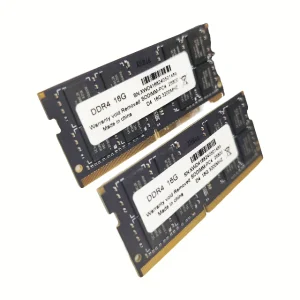
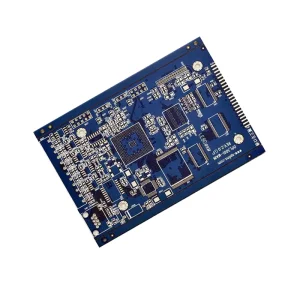
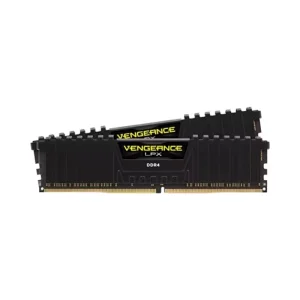
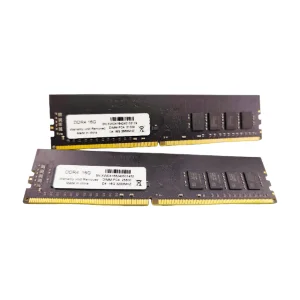
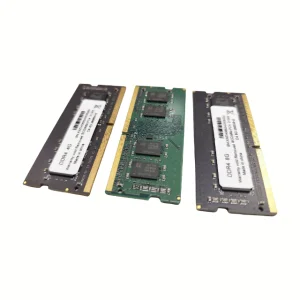
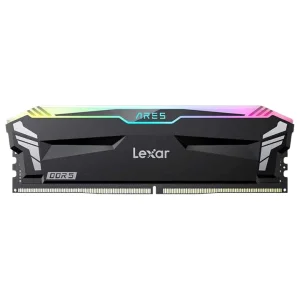
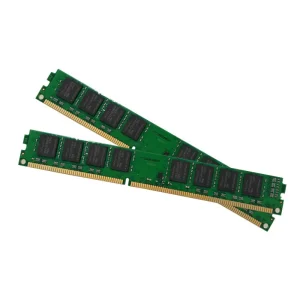
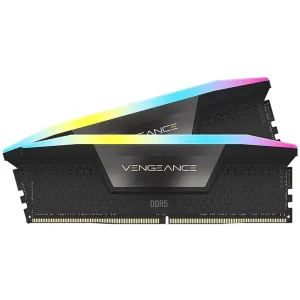
Novram Electronics Co., Ltd. is a high-performance DDR5 memory manufacturer based in Shenzhen, China, dedicated to delivering reliable DRAM and custom metal clad printed circuit board (MCPCB) solutions for global OEM, ODM, and industrial customers. Established in 2016, the company has grown into a key partner, serving electronics manufacturers, telecom agencies, and industrial system integrators in key developing regions, particularly across Kenya and East Africa.
Operating from our modern 3,860㎡ manufacturing facility, Novram integrates automated SMT placement equipment, precise CNC routing, and strict environmental testing chambers. These tools ensure that every memory module and aluminum substrate meets international durability parameters. Our experienced engineering team focuses on developing fast, low-impedance, and energy-efficient products tailored to the needs of modern telecom networks and clean energy grids.
With 9 years of industry experience and 7 years of export experience, Novram exports products to customers in more than 40 countries, achieving an annual export revenue of approximately US$18.6 million. Our robust relationships with over 860 qualified supply chain partners ensure components remain stable and supply lines remain reliable during periods of global logistics volatility.
Consistent quality forms the core of our daily production processes. Before any batch departs our facility, it undergoes intensive inspections, including AOI, visual microscope checks, and thermal stress testing to identify potential micro-fractures in the dielectric layer.
Technical Clarifications, Order Logistics, and Design Compliance for Kenyan Importers
Prototype production typically takes 3 to 5 business days, while volume manufacturing requires 7 to 12 days, depending on trace complexity. Transit times to Kenya range from 5 to 7 days via air freight to JKIA, or 25 to 30 days via sea freight to Mombasa Port.
We provide all necessary product test data sheets, safety certifications, and material safety data reports (MSDS). We work closely with international verification agencies (such as SGS, Intertek, or BV) to facilitate the issuance of the Certificate of Conformity (CoC) required for import clearance in Kenya.
Yes. We specialize in bonding PTFE high-frequency laminates, such as Taconic TLY-5, directly to an aluminum backing. This setup supports high-frequency RF transmissions while utilizing the aluminum base to manage heat generation in power amplifiers and telecom hardware.
To accommodate prototype testing and developmental projects in East Africa, our MOQ starts at 5 to 10 pieces for engineering samples. For volume commercial production, we offer tiered pricing structures to reduce unit costs on larger batches.
We use automated optical inspection (AOI) on all SMT assemblies. For functional validation, we run in-circuit testing (ICT), customized test jigs, and environmental burn-in trials to simulate peak operating temperatures, ensuring reliability before shipment.
Ready to optimize your product's thermal management?