Novram
Novram
Novram
Custom-engineered server architecture components designed to withstand the strict standard operational envelopes of Oceanic infrastructure.
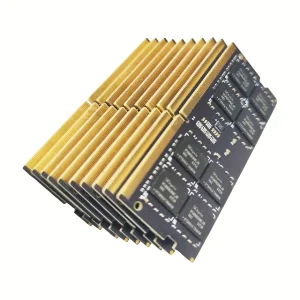
While mainstream computing has rapidly shifted toward DDR4 and high-bandwidth DDR5 interfaces, New Zealand’s core industrial sectors rely heavily on established DDR3 technology infrastructures. Operating far from central global production hubs, New Zealand businesses face specific logistics and component sourcing challenges.
Key industries—such as geothermal power stations in the Taupō volcanic zone, massive automated dairy processing plants in Waikato and Canterbury, and logistics hubs at the Port of Tauranga—use robust legacy PLC, SCADA, and embedded computers. These systems operate continuously in harsh, remote conditions and rely on specialized, durable DDR3 modules.
Sourcing reliable DDR3 replacements in New Zealand is challenging due to component obsolescence, long shipping times, and strict compliance standards. This guide provides insight into how Novram Electronics supplies certified, long-term DDR3 memory solutions directly to New Zealand's industrial, municipal, and OEM sectors.
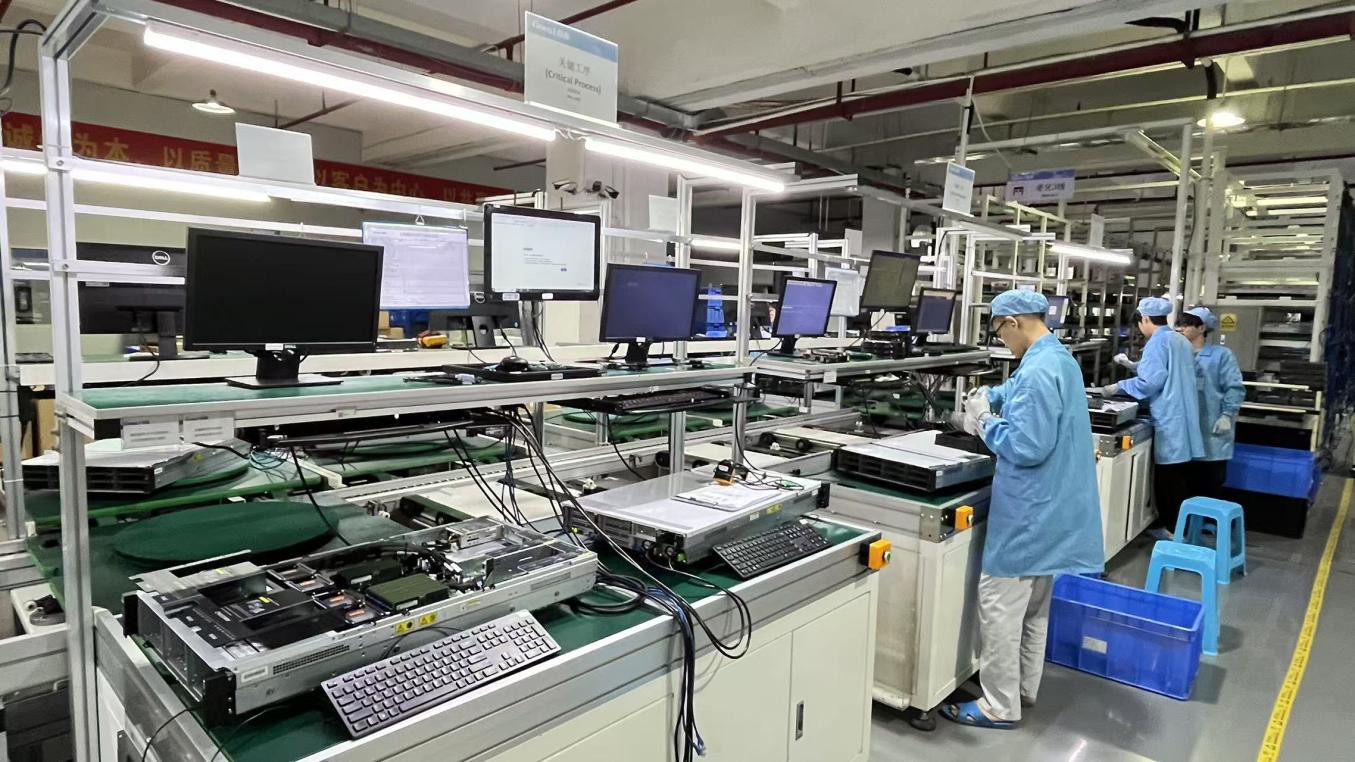
Sourcing DDR3 components for industrial use requires understanding signal integrity and power management. Industrial networks must distinguish between standard DDR3 (1.5V) and low-voltage DDR3L (1.35V) interfaces to ensure system compatibility and hardware safety.
Standard DDR3 operates at 1.5V, whereas DDR3L runs at 1.35V. DDR3L is backward-compatible with 1.5V systems, but using standard DDR3 in a low-voltage motherboard will cause boot failure or system degradation.
For critical infrastructure like SCADA and network appliances, Error-Correcting Code (ECC) prevents single-bit data errors, avoiding system crashes. Non-ECC memory is reserved for standard industrial PCs.
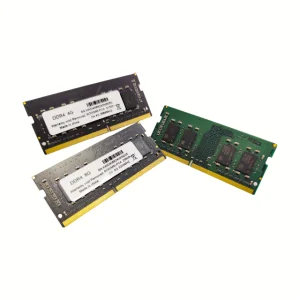
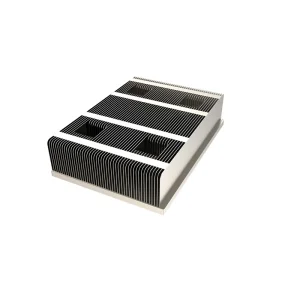
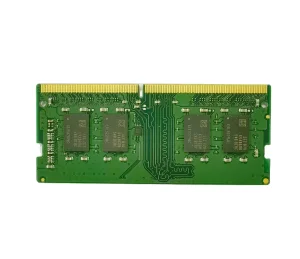
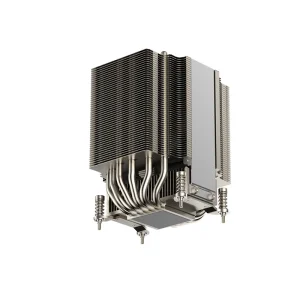
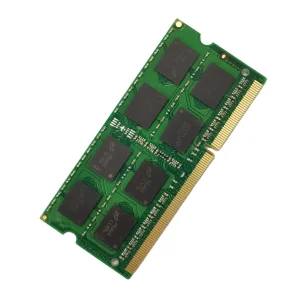
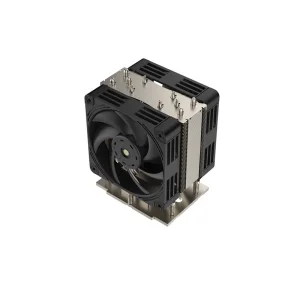
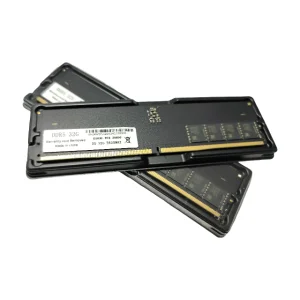
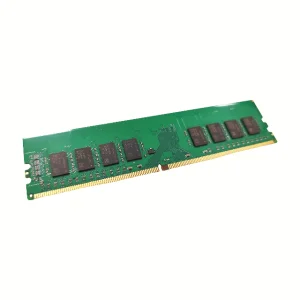
We supply standard 240-pin UDIMMs/RDIMMs for desktop/rackmount systems and 204-pin SO-DIMMs for rugged, small form-factor embedded computers. Custom heatsinks are available to manage thermal performance in sealed enclosures.
| DRAM Standard | Operating Voltage | Data Transfer Rate | Primary Industrial Use-Case | Max Unit Density |
|---|---|---|---|---|
| DDR3 Standard | 1.5V Nominal | 800 MT/s to 1866 MT/s | Legacy SCADA, Factory HMIs, Automation Controllers | 8 GB |
| DDR3L Low Voltage | 1.35V / 1.5V Dual | 1333 MT/s to 1600 MT/s | Embedded PC, Outdoor Sensor Hubs, Agritech Gateways | 8 GB |
| DDR3 ECC Registered | 1.5V Nominal | 1333 MT/s to 1866 MT/s | Rack Server Storage Node, Rural ISP Edge Servers | 16 GB |
Standard consumer DRAM is not built to withstand the high humidity, temperature swings, and chemical exposure typical of industrial operations in New Zealand. Our manufacturing processes address these environments directly:
New Zealand's dairy processing plants operate 24/7. System downtime can lead to significant financial loss. Our DDR3 modules undergo dynamic thermal testing (from -40°C to 85°C) to ensure reliability in automated production facilities.
Turbine control rooms and telemetry networks in the Central North Island require high thermal stability. We configure our industrial modules with thick gold fingers and heavy-duty PCBs to resist atmospheric sulfur corrosion.
Marine logistics hubs require electronics that resist salt spray and high humidity. Conformal coating is available on our memory modules to protect circuitry from moisture, dust, and corrosive elements.
Integrating high-reliability components is essential for prolonging the lifecycle of older IT infrastructure while managing the transition to current standards.
Major DRAM chip manufacturers (Samsung, SK Hynix, and Micron) have shifted their primary production lines to DDR4 and DDR5. As a result, global supply of original DDR3 chips has decreased, leading to price volatility and unpredictable lead times for companies seeking standard memory upgrades.
Novram Electronics manages obsolescence by securing long-term component stock and maintaining relationships with wafer suppliers. This allows us to offer New Zealand OEMs and system integrators a reliable source of DDR3 memory. We guarantee the continuous supply of industrial-grade modules to support the typical 10 to 15-year lifecycle of critical systems.
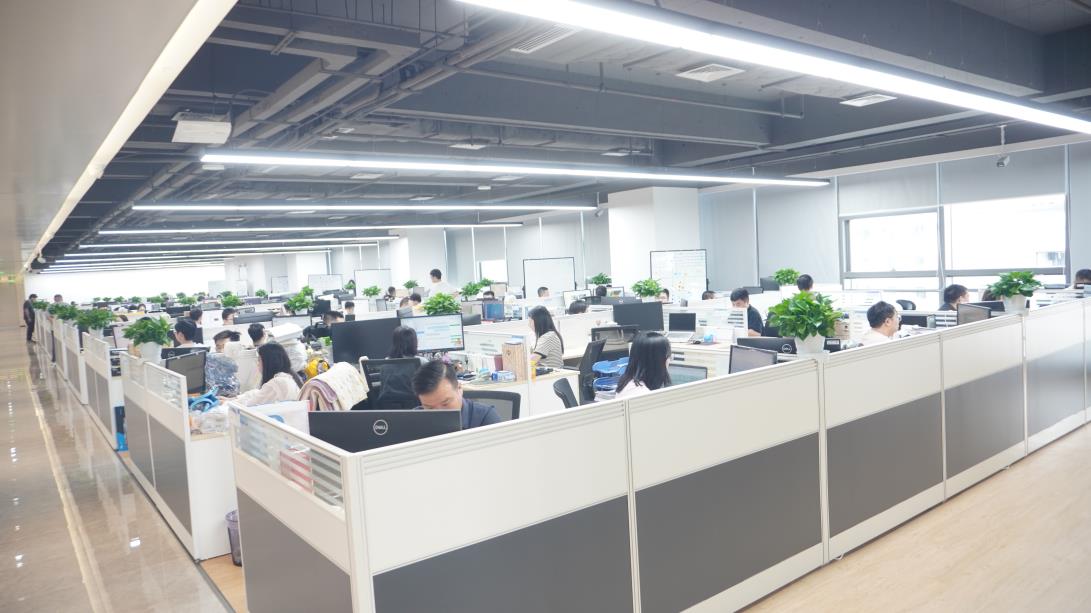
Our engineering team designs legacy system modules with strict adherence to electrical specifications. We focus on optimizing power distribution networks (PDN) and timing parameters, minimizing electromagnetic interference (EMI) and signal degradation.
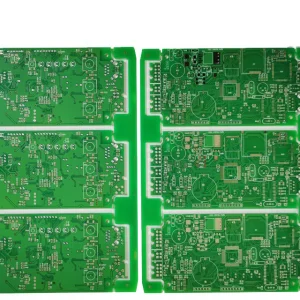
Each batch of memory is produced using lead-free, high-quality PCBs and features thicker gold plating (up to 30 micro-inches). This ensures secure contacts and stable signal transmission under continuous vibration and thermal stress.
Novram Electronics Co., Ltd. is a specialized DRAM memory manufacturer based in Shenzhen, China. We design and deliver high-performance memory solutions for global OEMs, industrial customers, and system integrators, with a focus on Oceania and the New Zealand market.
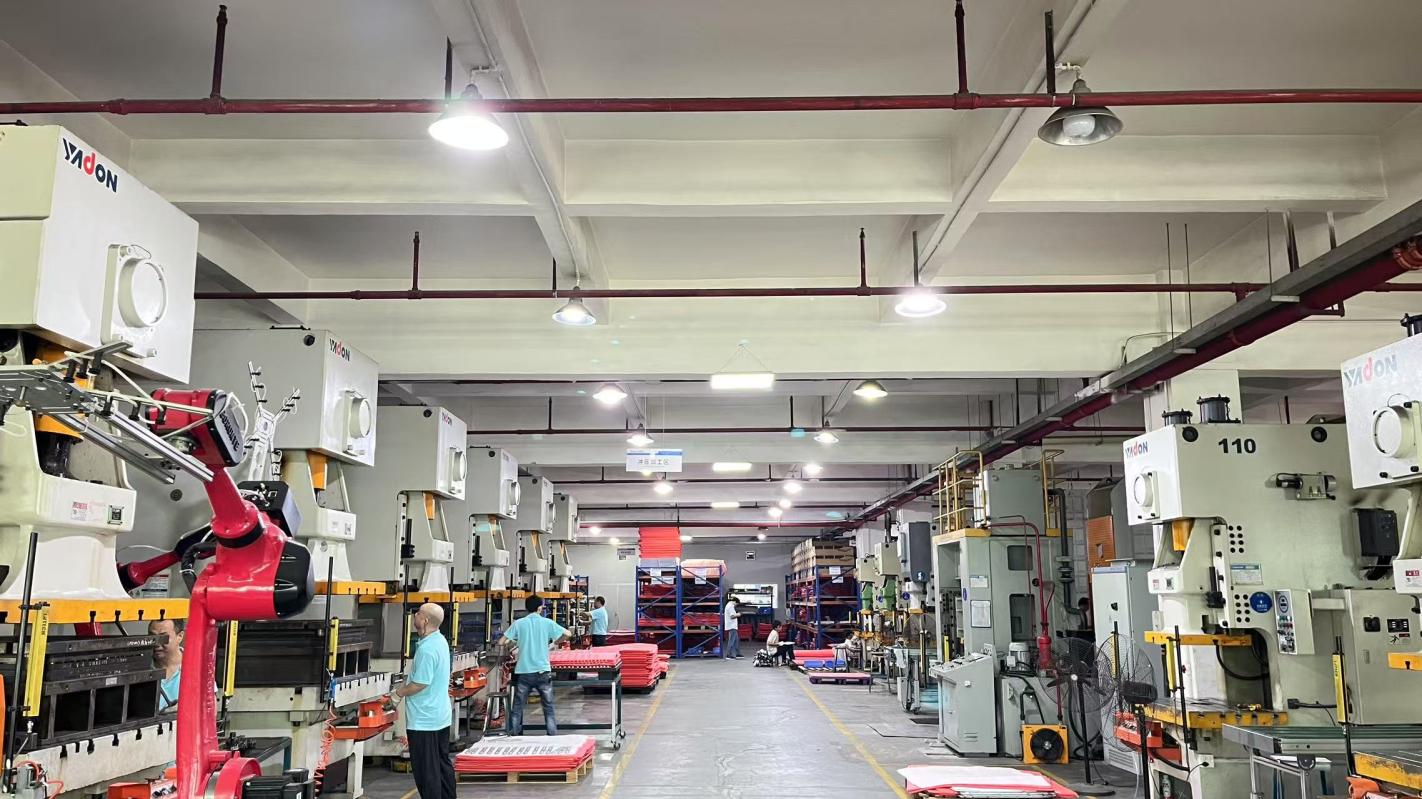
Established in 2016, our modern 3,860㎡ manufacturing facility houses SMT production lines and automated testing equipment. With 9 years of industry experience and 7 years of export history, we ship to partners in over 40 countries, generating an annual export revenue of approximately US$18.6 million.
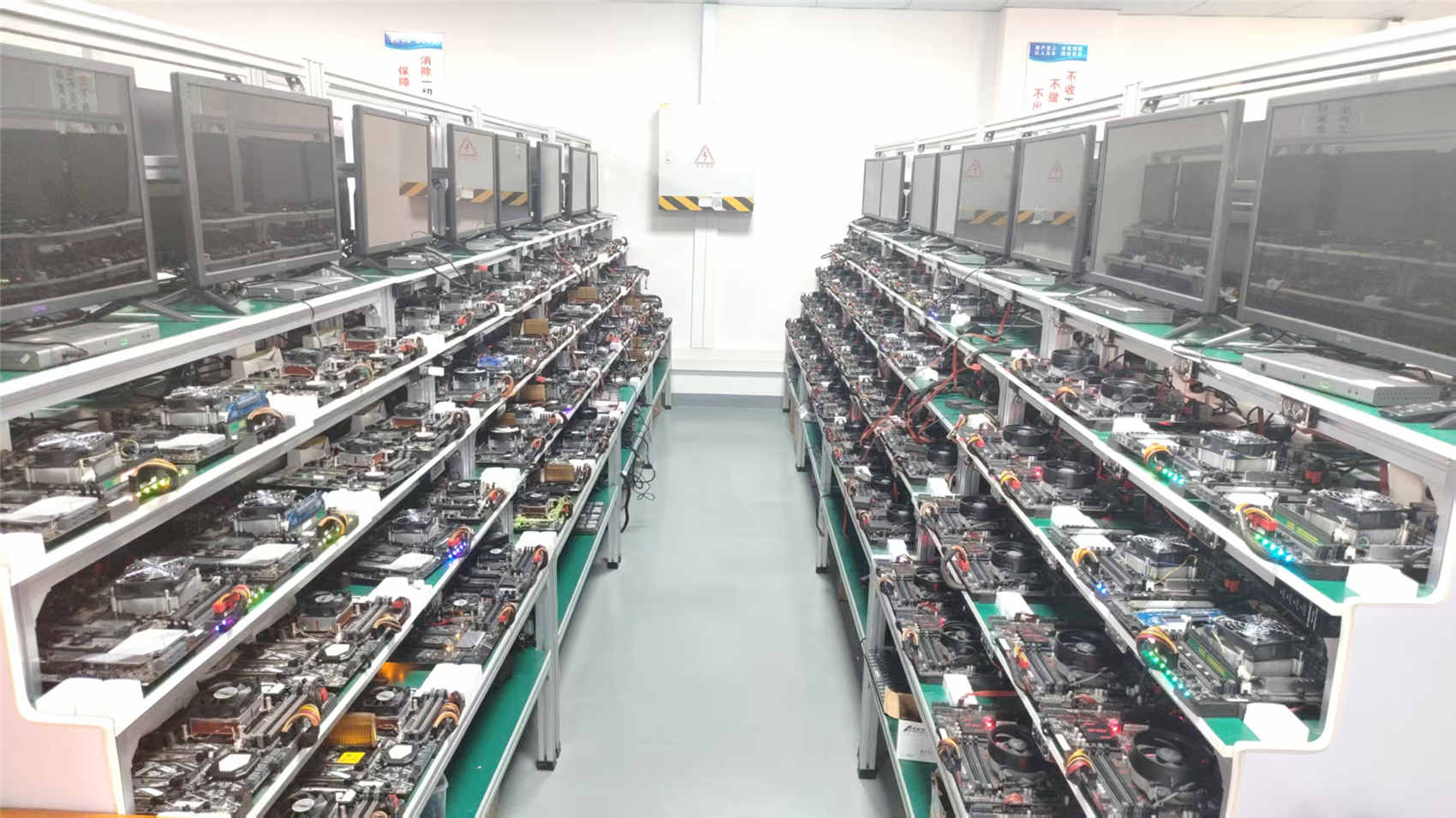
Our quality assurance process includes 100% functional testing, motherboard compatibility checks, thermal chamber stress tests, and automated burn-in verification. Backed by 42 quality inspectors and 76 R&D engineers, we introduce approximately 138 new products annually. We also offer customization options including OEM/ODM private labeling, custom capacity configurations, and specific firmware settings.
We work with regional freight hubs in Auckland, Wellington, and Christchurch to coordinate fast shipping options, including DHL Express, FedEx, and direct air cargo. This helps minimize typical transport delays to New Zealand.
Our technical support team assists system design engineers throughout the integration process. We help resolve hardware compatibility issues, troubleshoot timing differences on older motherboards, and ensure all imported modules comply with local New Zealand and Australian regulatory requirements.
Importing electronic components into New Zealand requires compliance with strict environmental and safety regulations. Novram products are engineered to meet these local standards:
Our modules are designed to limit electromagnetic emissions, meeting the requirements of the Regulatory Compliance Mark (RCM) for both New Zealand and Australia.
We manufacture our memory modules in line with RoHS standards, using lead-free processes to support eco-friendly assembly and disposal in New Zealand.
All DDR3, DDR3L, DDR4, and DDR5 components comply with JEDEC specifications, ensuring standard timing compatibility across various motherboard brands.
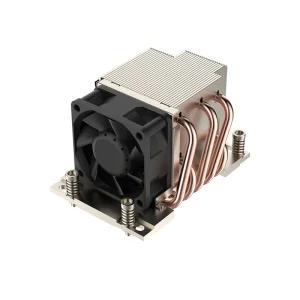
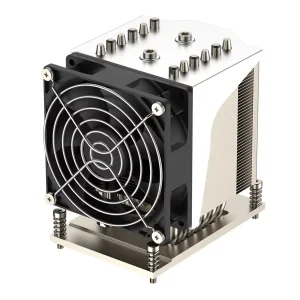
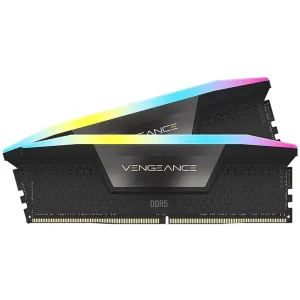
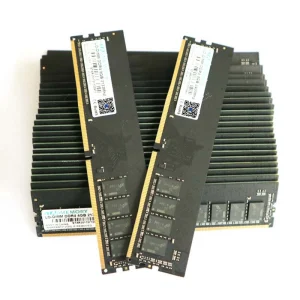
Browse our selection of DRAM modules and server-grade cooling systems, configured for critical industrial operations.
Novram Electronics provides reliable, certified memory components designed for long-term industrial use. Contact our engineering and sales teams to request a quote or custom configuration.