 Novram
Novram
Novram
Architectural-grade substrates and optimized computing modules designed for demanding telecommunications and industrial deployments.
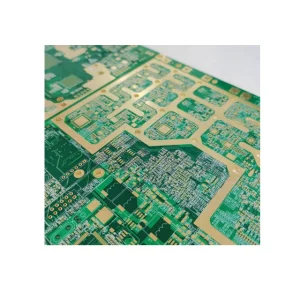
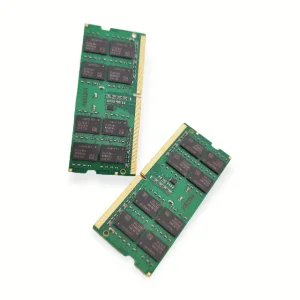
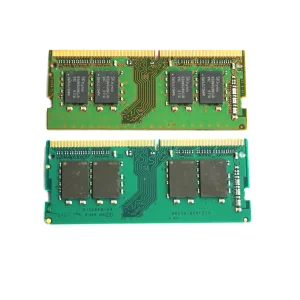

Analyzing Nepal's digital infrastructure expansion, RF spectrum utilization, and mountain microclimate engineering challenges.
The Kathmandu Valley—encompassing Kathmandu, Lalitpur, and Bhaktapur—is experiencing an unprecedented acceleration in digital infrastructure modernization. As Nepal transitions toward a robust digital economy, the demand for sophisticated electronics manufacturing services and specialized Printed Circuit Board (PCB) substrates has intensified. In particular, High-Frequency PCBs (HF PCBs) operating in the microwave and millimeter-wave spectrums (3 GHz to 300 GHz) have become the fundamental bedrock for next-generation telecommunications, satellite communication backhauls, hydrological sensor arrays along the Bagmati and Trishuli river basins, and UAV spatial survey hardware.
Nepal Telecom (NTC) and Ncell are actively expanding 4G LTE-Advanced networks while laying the structural groundwork for 5G trials across Kathmandu's high-density urban geography. Base station transceivers, active antenna units (AAUs), and small-cell repeaters demand low-loss RF substrates like Rogers 4000 series to maintain signal integrity across complex urban topographies.
Kathmandu serves as the national hub for environmental R&D. Hydrologic telemetry systems, mountain hazard early-warning radars, and UAV terrain mappers operating at elevations above 1,400 meters encounter low atmospheric pressure, extreme thermal swings, and high UV exposure—requiring heat-resilient Taconic and Shengyi FR4 High TG170 hybrid stackups.
Institutions like Tribhuvan University (TU) Institute of Engineering (IOE) and Kathmandu University (KU), combined with a burgeoning hardware startup ecosystem in Kupondole and Jhamsikhel, are accelerating rapid prototyping for localized IoT, smart grid meters, and satellite ground transceiver equipment.
Sourcing high-frequency circuit boards in Nepal historically involved long procurement cycles and variable quality control. As a dedicated partner to the Nepalese engineering sector, our factory bridges this gap by delivering custom-engineered, multi-layer high-frequency PCBs manufactured to stringent international IPC Class 2 and Class 3 standards, supported by robust logistics routes into Kathmandu.
Understanding Dielectric Constant (Dk), Dissipation Factor (Df), and phase stability in high-frequency multilayer stackups.
Designing PCBs for gigahertz-frequency applications requires moving beyond standard FR-4 laminates. Standard FR-4 suffers from significant signal attenuation, erratic dielectric constant fluctuation over frequency, and high moisture absorption—factors that corrupt high-speed signals in Kathmandu’s humid monsoon seasons and dry winter freezes. Below is a comparative engineering evaluation of substrate materials supplied to our Kathmandu clients:
| Substrate Material Class | Dielectric Constant ($D_k$ @ 10GHz) | Dissipation Factor ($D_f$ @ 10GHz) | Thermal Coeff. of $D_k$ (ppm/°C) | Target Application in Nepal Market |
|---|---|---|---|---|
| Rogers RO4003C / RO4350B | 3.38 – 3.48 ± 0.05 | 0.0021 – 0.0037 | +40 to +50 | 5G Small Cells, Microwave Links, RF Transceivers |
| Taconic TLY-5 (PTFE Woven) | 2.20 ± 0.02 | 0.0009 | -160 | Aerospace, Satellite Ground Terminal Antennas, Radar |
| Shengyi FR4 High TG170 (Hybrid) | 4.50 ± 0.10 | 0.0150 | +120 | Hybrid Stackup Power/Control Layers, Industrial IoT |
| Panasonic MEGTRON 6 / 7 | 3.10 – 3.40 | 0.0015 – 0.0020 | +30 | High-Speed Data Servers, AI Computing Edge Nodes |
To optimize budget constraints for Kathmandu enterprises without compromising RF performance, we specialize in Hybrid Layer Stackups. By utilizing high-cost Rogers or Taconic laminates exclusively on the outer signal layers (where RF microstrips reside) and low-cost Shengyi High-TG FR4 for inner core and power distribution layers, we achieve superior signal integrity at a reduced total BOM cost.
Key technical considerations during hybrid lamination include matching the Coefficient of Thermal Expansion (CTE) along the Z-axis to prevent Plated Through-Hole (PTH) micro-cracking under altitude-induced temperature cycles, and controlling resin flow during prepreg curing to ensure zero void formation.
Overcoming reduced air density and extreme ambient temperature gradients for outdoor telecommunications gear.
Kathmandu sits at an average altitude of approximately 1,400 meters (4,600 feet) above sea level. At this altitude, atmospheric density is roughly 14% lower than at sea level. Reduced air density directly impacts natural convective heat transfer coefficients ($\approx 10-15\%$ reduction), causing high-power RF power amplifiers (PAs) and high-density computing modules to operate at elevated junction temperatures ($\Delta T_j$).
For high-power radio modules deployed on hills surrounding the valley (such as Nagarkot and Phulchowki stations), we integrate embedded copper coins and heavy copper planes (up to 4 oz outer layers) directly beneath thermal pads. This transfers heat away from power amplifiers directly to cast aluminum enclosure heatsinks.
Temperature swings in Nepal between summer monsoons ($35^\circ\text{C}$) and winter nights ($0^\circ\text{C}$) can cause dielectric drift. Our ceramic-filled hydrocarbon laminates guarantee a stable $D_k$ variance within $\pm 0.02$, preventing operational frequency shifting in narrow-band microwave radios.
A trusted global supplier of high-speed memory modules, high-frequency PCBs, and embedded computing solutions.
Novram Electronics Co., Ltd. is a professional electronics manufacturer based in Shenzhen, China, dedicated to delivering high-performance DRAM memory solutions and high-frequency PCB fabrications for global OEM, ODM, and industrial customers. Established in 2016, the company has grown into a reliable supplier serving partners across telecommunications, industrial automation, embedded systems, gaming, and enterprise computing.
Operating from a modern 3,860㎡ manufacturing facility, Novram integrates advanced production equipment, strict quality management, and continuous R&D innovation to ensure every product meets international performance and reliability standards. Our experienced engineering team focuses on developing high-speed, stable, and energy-efficient hardware for diverse computing and RF applications.
With 9 years of industry experience and 7 years of export experience, Novram exports products to customers in more than 40 countries. The company achieves an annual export revenue of approximately US$18.6 million, supported by an efficient global supply chain and responsive customer service.
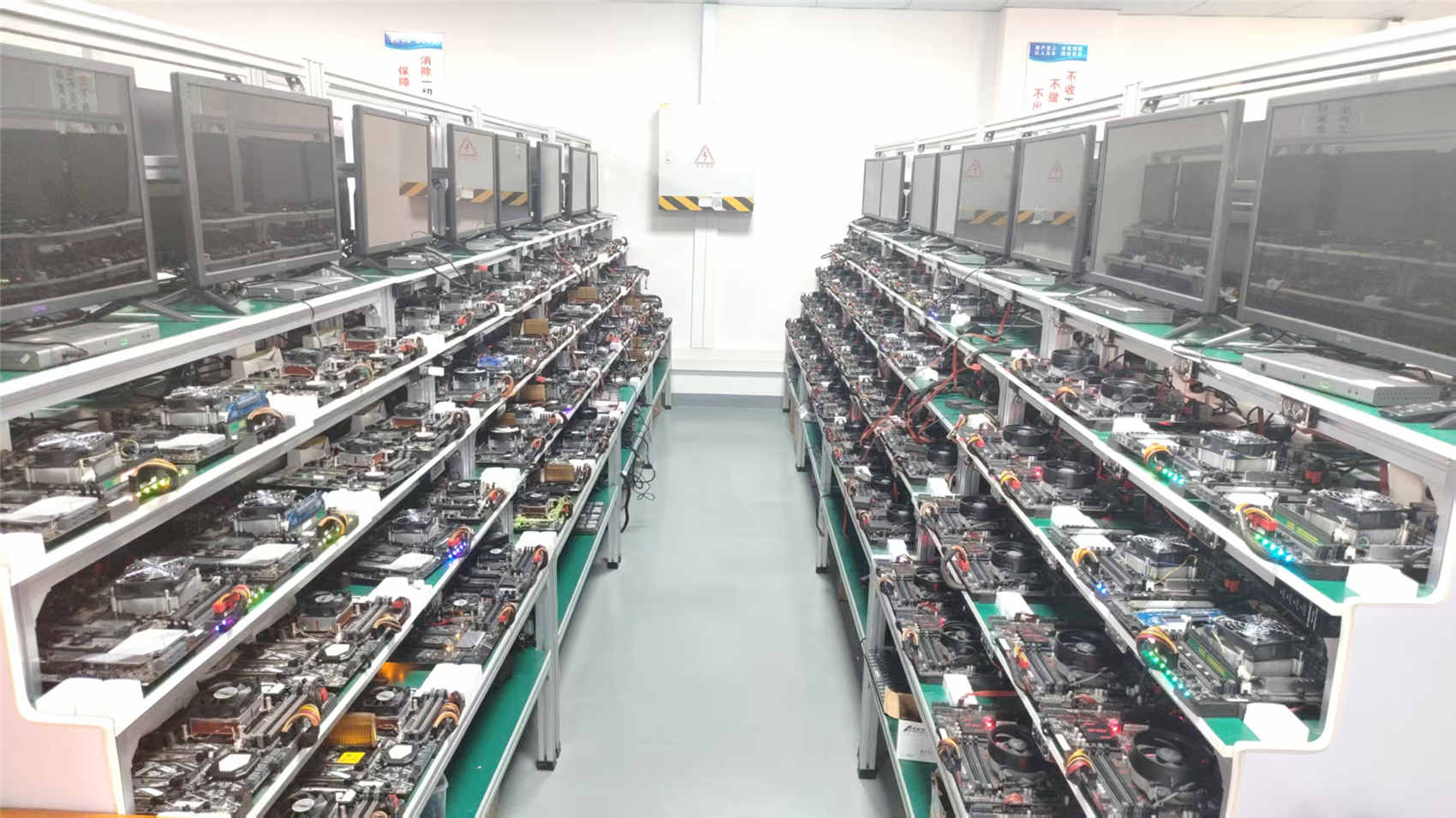
Quality is at the core of everything we do. Every high-frequency board and memory module undergoes 100% functional testing, signal integrity verification, compatibility testing, burn-in testing, thermal cycling testing, and aging verification before shipment. Our quality control department consists of 42 professional inspectors, ensuring consistent product performance and long-term reliability.
Novram maintains strong partnerships with over 860 qualified supply chain partners, enabling stable production capacity and reliable component sourcing. Our primary customers include memory module brands, computer manufacturers, telecom equipment providers, industrial PC companies, system integrators, distributors, wholesalers, and OEM/ODM partners worldwide.
Innovation drives our competitiveness. Our dedicated R&D center is staffed by 76 experienced engineers, allowing us to introduce approximately 138 new products each year. We provide comprehensive OEM, ODM, private label, logo printing, packaging customization, capacity customization, firmware optimization, and PCB layer stackup customization to meet different market requirements.



Seamless freight routes connecting Shenzhen manufacturing hubs to Kathmandu tech districts.
Procuring specialized high-frequency PCBs and industrial memory modules for projects in Nepal requires not only precision fabrication, but also predictable, reliable international logistics. Novram Electronics has established a streamlined logistics framework tailored to the specific customs and transit requirements of the Kathmandu Valley.
For urgent prototype engineering runs and rapid repair projects, we utilize direct air freight corridors from Shenzhen (SZX) / Guangzhou (CAN) directly into Kathmandu’s Tribhuvan International Airport (KTM), delivering sample batches within 3 to 5 business days.
For high-volume production orders, cost-effective overland truck freight operates through the Keyrung (Gyirong) and Tatopani border posts via Tibet directly into Kathmandu, offering significant freight savings for large equipment manufacturers.
We provide full documentation—including Harmonized System (HS) code classification, Certificate of Origin (CO), RoHS compliance reports, and commercial invoices compliant with Nepal Department of Customs guidelines.
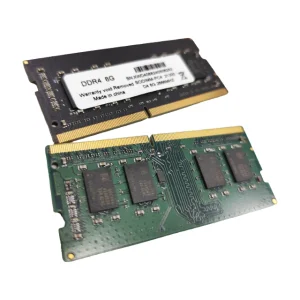
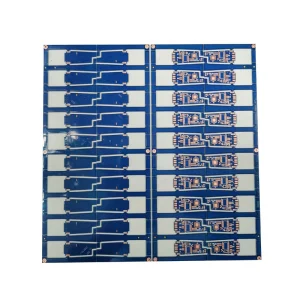
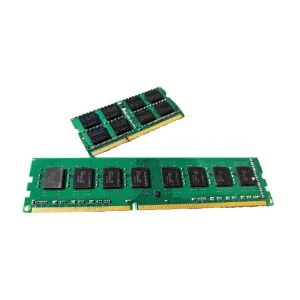
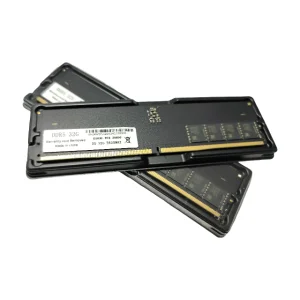
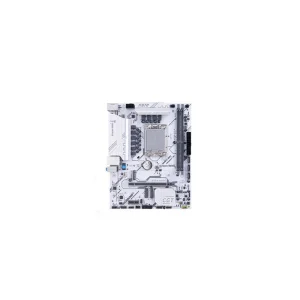
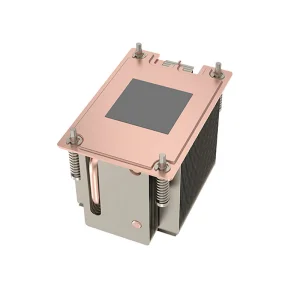
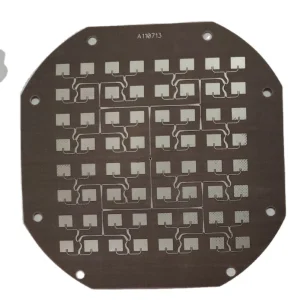
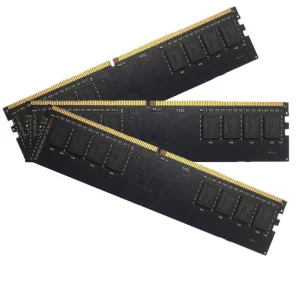
Explore our complete catalog of precision thermal, high-frequency PCB, and computing hardware modules available for shipment to Kathmandu.
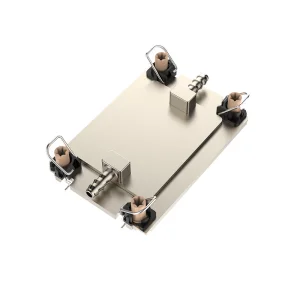
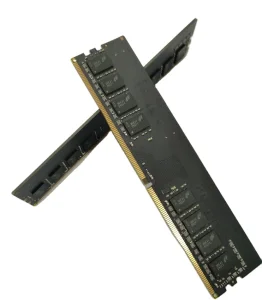
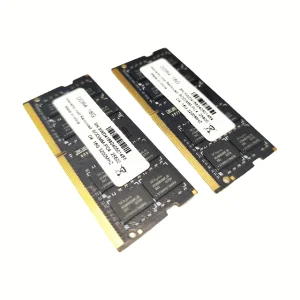
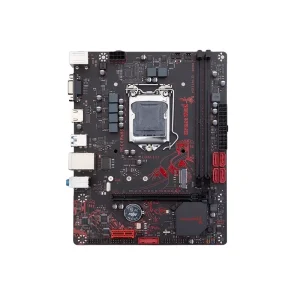
Expert engineering answers to common procurement, design, and manufacturing questions.
Standard FR-4 exhibits a relatively high dielectric dissipation factor ($D_f \approx 0.02$) and a variable dielectric constant ($D_k \approx 4.2 - 4.7$) that shifts significantly above 1 GHz. At higher operational frequencies (such as 5G spectrums or satellite telemetry), standard FR-4 causes severe signal attenuation, insertion loss, and phase distortion. Furthermore, Kathmandu’s monsoon moisture can be absorbed by standard FR-4 (water absorption up to 0.15%), further altering $D_k$. High-frequency substrates like Rogers RO4000 series or Taconic TLY-5 maintain stable $D_k$ ($\pm 0.05$) and extremely low $D_f$ ($< 0.002$), preserving signal integrity.
For quick-turn prototypes, manufacturing takes approximately 3 to 5 working days, followed by 3 to 5 days of express air freight to Tribhuvan International Airport (KTM). Total turnaround time for urgent prototypes is typically 7 to 10 days. Mass production orders shipped via overland truck cargo (via Gyirong/Tatopani border channels) take approximately 12 to 18 days door-to-door, balancing freight cost efficiency with schedule control.
Hybrid lamination involves bonding ceramic/PTFE substrates with high-TG FR-4 prepregs. Because Rogers and FR-4 materials have different glass transition temperatures ($T_g$) and Coefficients of Thermal Expansion (CTE), our production line utilizes precise multi-stage vacuum press cycles with calibrated ramp-up and cool-down rates. This eliminates micro-delamination, reduces bow and twist ($< 0.5\%$), and ensures copper-plated via integrity under extreme thermal shock testing.
Yes. Novram Electronics operates advanced Surface Mount Technology (SMT) lines capable of mounting 0201 component sizes, fine-pitch BGA packages, active RF transceivers, and specialized heatsinks. We also provide component sourcing, memory IC integration, automated optical inspection (AOI), 3D X-ray inspection, and full functional testing prior to export.
Partner with Novram Electronics for expert stackup advice, DFM engineering reviews, and reliable high-speed PCB fabrication. Contact our engineering support team today.