Novram
Novram
Novram
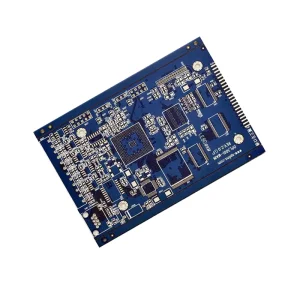
Melbourne has rapidly emerged as a premier hub for advanced manufacturing, aerospace technology, green energy infrastructure, and smart transportation within the Asia-Pacific region. From the aerospace facilities in Fishermans Bend to the thriving defense and biomedical engineering corridors in Clayton and Dandenong, local electronics development demands components capable of withstanding extreme environmental stresses.
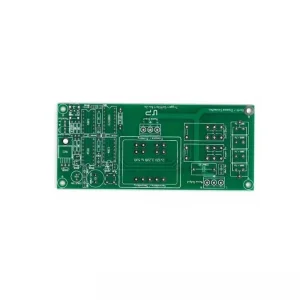
Unlike consumer-grade circuit boards, advanced industrial applications in Melbourne operate under severe conditions. Heat dissipation and mechanical stability under high-thermal load are non-negotiable. This is where High-TG (Glass Transition Temperature) PCBs become critical. A High-TG board (typically defined as having a TG rating of 170°C or above) retains its physical structure, rigidity, and dimensional stability long after standard FR-4 materials would have begun to soften, expand, or delaminate.
For instance, Melbourne’s commercial smart grid and railway signaling networks are exposed to harsh external Australian environments, where temperatures can climb significantly inside metal housing cabinets. Standard circuit boards run a high risk of failure under continuous high thermal loads, which can lead to costly downtime. By integrating High-TG PCBs into design standards, Australian engineers can guarantee consistent CTE (Coefficient of Thermal Expansion) performance along the Z-axis, ensuring that vias, multi-layer connections, and delicate micro-vias remain structurally sound.
To understand the value of High-TG PCBs, one must examine the molecular structure of the substrate material. The "Tg" or glass transition temperature is the point at which the polymer matrix of the base material changes from a rigid, glassy state into a flexible, rubbery state. Standard FR-4 typically has a Tg between 130°C and 140°C. Medium-Tg sits around 150°C, whereas High-TG FR-4 boasts a Tg of 170°C, 180°C, or higher.
When operating temperatures approach the Tg limit, the substrate undergoes significant thermal expansion. Because copper has a different thermal expansion rate than the epoxy resin matrix, this expansion disparity causes immense mechanical stress on the plated-through holes (PTH) and multi-layer copper connections. In High-TG boards:
| Property Parameter | Standard FR-4 | High-TG FR-4 (Tg ≥ 170°C) | Typical Benefit to Melbourne OEMs |
|---|---|---|---|
| Glass Transition Temp (Tg) | 130°C - 140°C | 170°C - 180°C+ | Maintains mechanical rigidity under heavy thermal loads |
| Decomposition Temp (Td) | ≥ 300°C | ≥ 340°C | Prevents substrate decay during lead-free SMT reflow |
| Z-Axis CTE (Before Tg) | 60 - 80 ppm/°C | 40 - 50 ppm/°C | Protects copper plated through-holes (PTH) from cracking |
| Thermal Stress resistance (288°C) | 10 - 20 seconds | 60 - 100+ seconds | Allows multi-layer reflow and complex rework without damage |
As Australian technology businesses scale, finding local fabrication facilities with the capacity for advanced high-volume SMT, multi-layer pressings, and high-frequency testing becomes a challenge. The modern supply chain strategy involves partnering with specialized Chinese factories in Shenzhen that possess the equipment, supply chain access, and engineering resources to handle fast-turn prototyping as well as high-volume production.
For Melbourne-based exporters shipping products internationally, leveraging Chinese PCB manufacturing offers a massive cost-to-performance ratio. Modern factories in Shenzhen, such as Novram Electronics Co., Ltd., bring together decades of manufacturing optimization, strategic material sourcing partnerships, and strict quality control measures to reduce production timelines from weeks to days.
By sourcing High-TG PCBs directly from a specialized factory, Melbourne engineering firms bypass intermediate brokerage costs while gaining direct access to technical support. This allows for layout modifications, copper weight optimizations, and material stack-up reviews to occur in real-time, preventing DFM (Design for Manufacturability) issues before the physical boards hit the assembly line.
High-TG substrates find application across diverse local industries in Victoria. The following scenarios highlight where these high-reliability boards are critical:
In high-stakes industries, a minor hardware defect can trigger catastrophic failure. Therefore, top-tier High-TG exporters implement a rigorous, multi-tiered inspection protocol. Adherence to standards like IPC-A-610 Class 3 (for aerospace, medical, and military electronics) guarantees that internal board alignment, soldermask application, and solder joint integrity are flawlessly executed.
Before shipping any batch of PCBs to Melbourne, professional exporters run comprehensive physical and electrical tests. This includes Automatic Optical Inspection (AOI) to verify component positioning and traces, X-ray inspection for multi-layer via alignment and BGA void detection, and thermal shock chambers to simulate real-world environmental transitions. With specialized testing, manufacturers can guarantee that PCBs remain structurally sound for decades under harsh field conditions.
Novram Electronics Co., Ltd. is a professional DDR5 memory and high-reliability SMT/PCBA manufacturer based in Shenzhen, China. We are dedicated to delivering high-performance DRAM and customized electronics solutions for global OEM, ODM, and industrial computing clients. Established in 2016, the company has grown into a key supplier of advanced memory modules and custom PCB assemblies, serving critical partners across consumer electronics, industrial automation, embedded computing, aerospace systems, and enterprise servers.
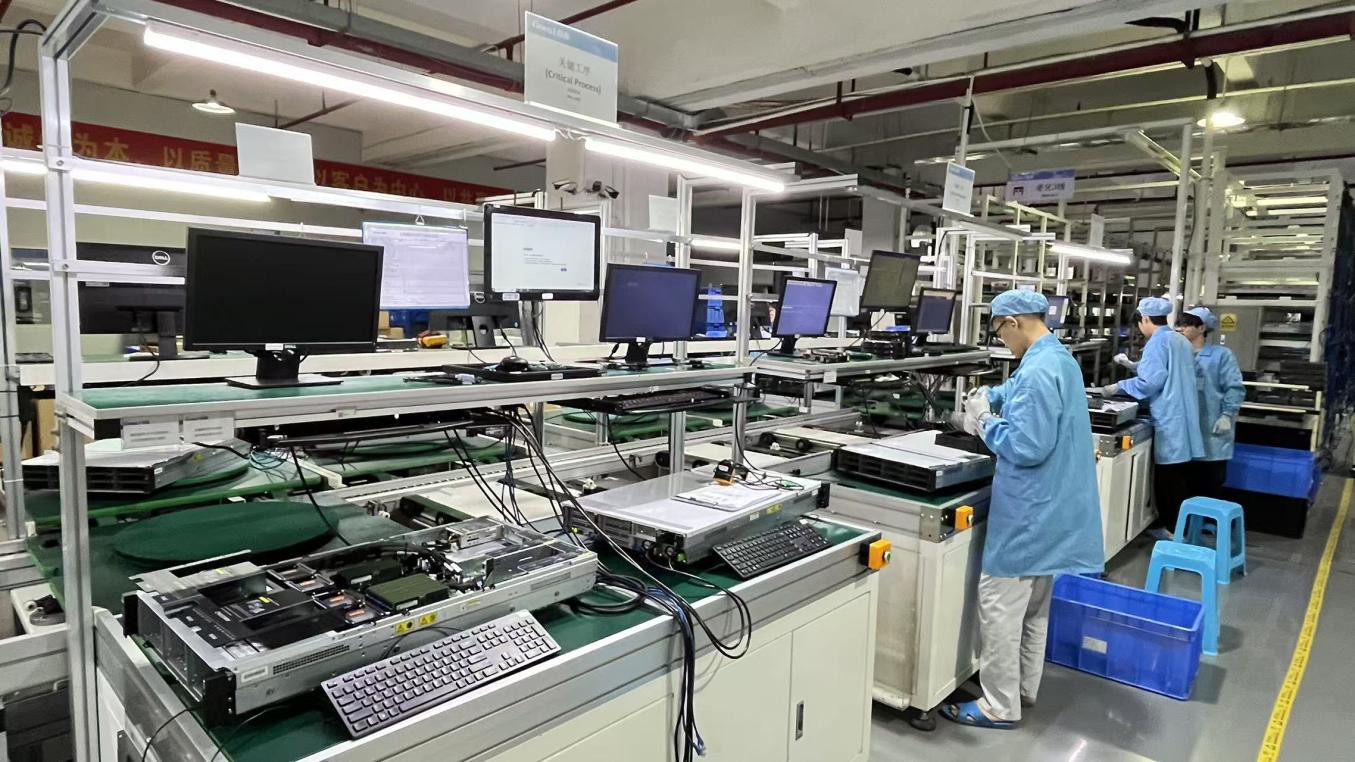
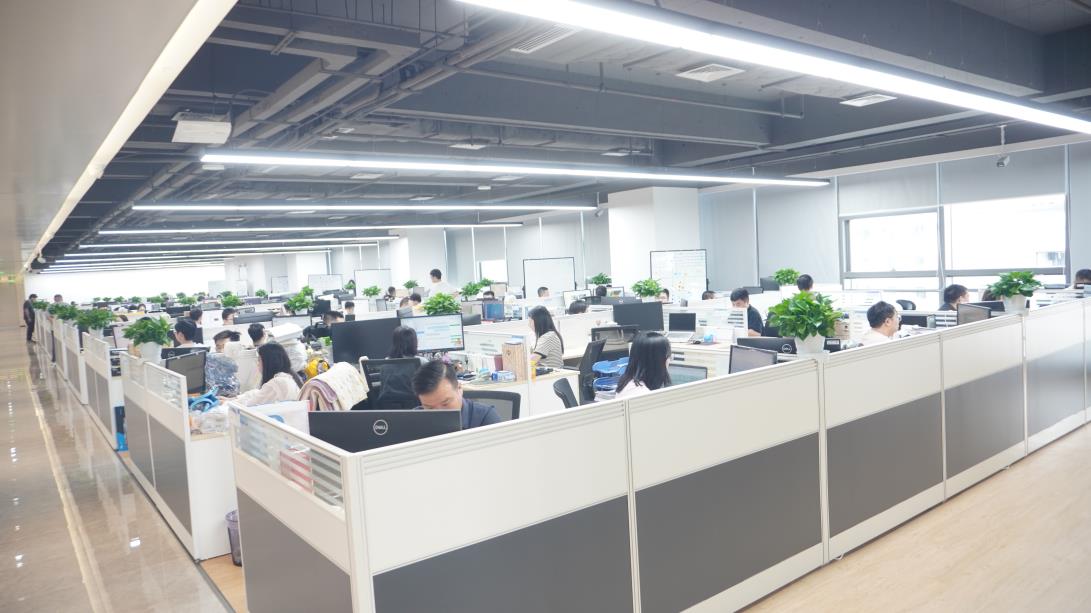
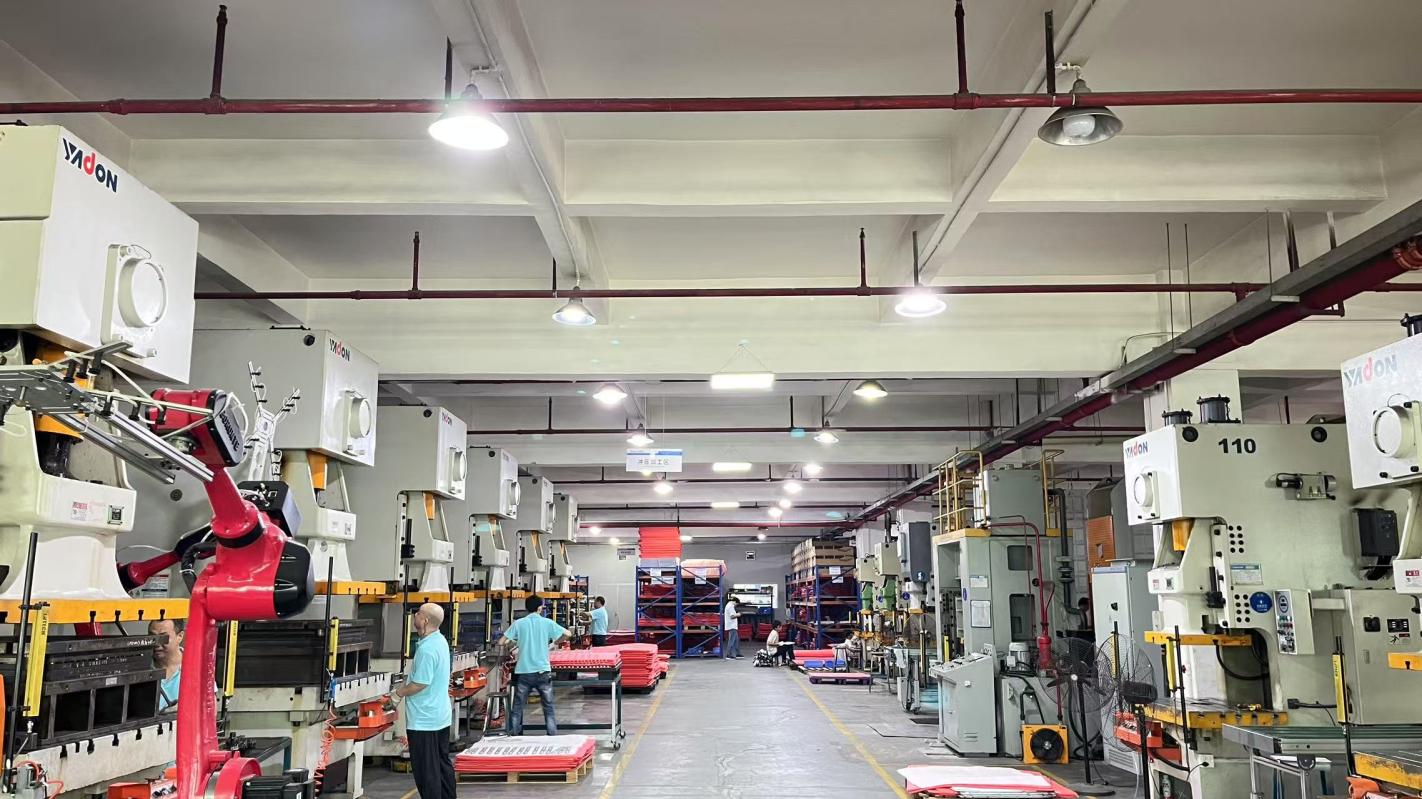
Operating from a modern 3,860㎡ manufacturing facility, Novram integrates state-of-the-art high-speed SMT lines, automated optical inspection, and continuous R&D innovation. This setup ensures every memory module and circuit assembly meets strict international quality, performance, and durability standards. Our experienced engineering team focuses on developing high-speed, stable, and heat-tolerant products for demanding industrial environments.
With 9 years of industry experience and 7 years of export experience, Novram exports products to customers in more than 40 countries, including Australia, the USA, and Germany. The company achieves an annual export revenue of approximately US$18.6 million, supported by an efficient global supply chain and responsive customer service.
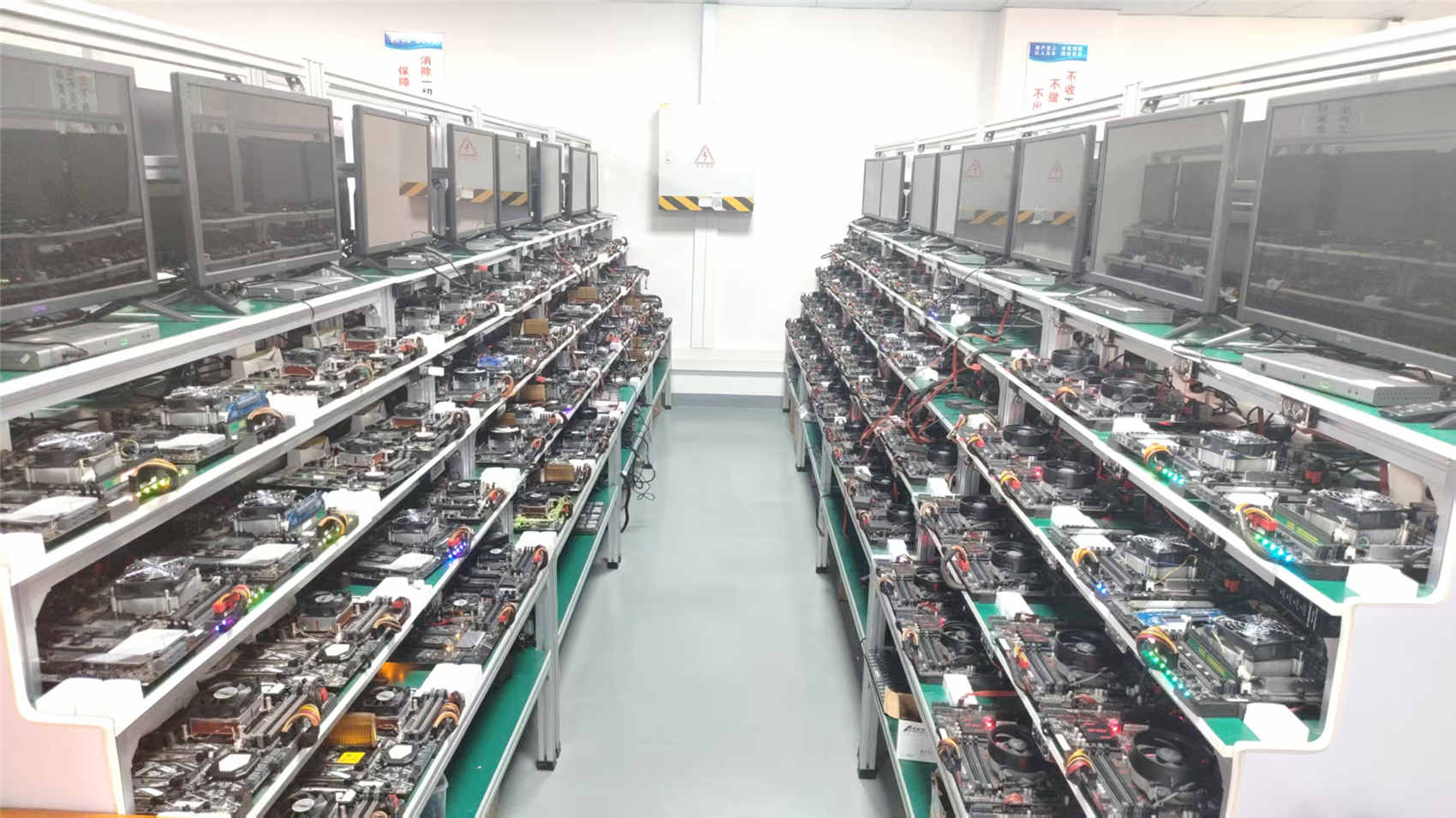
Quality is at the core of our operations. Every assembly and DDR5 memory module undergoes 100% functional testing, compatibility testing, burn-in testing, temperature testing, and aging verification before shipment. Our quality control department consists of 42 professional inspectors, ensuring consistent product performance and long-term reliability.
Novram maintains partnerships with over 860 qualified supply chain partners, enabling stable production capacity and reliable component sourcing. Our primary clients include computer manufacturers, industrial PC builders, system integrators, and OEM/ODM partners worldwide looking for premium SMT and High-TG PCB assembly services.
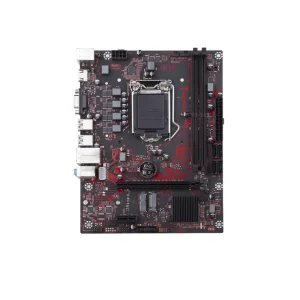
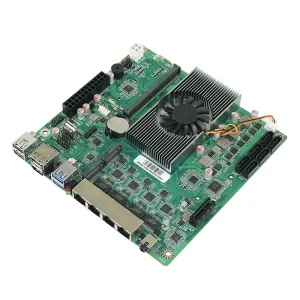
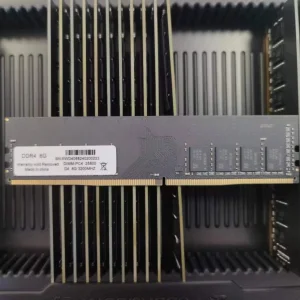
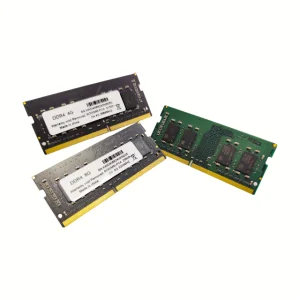
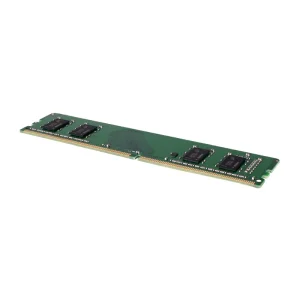
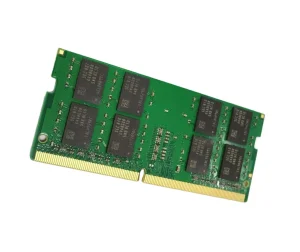
DDR4 8GB 3200HZ Desktop RAM Memory Module Compatible with RAM 1600MHz 2666mHz 2400MHz 3200MHz
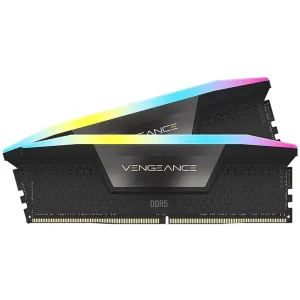
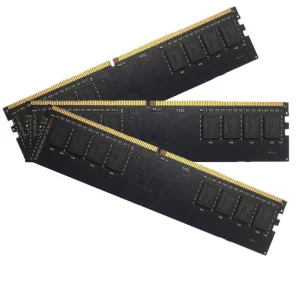
Wholesale DDR5 Avengers Desktop RGB Memory Bar 16G/32G/64G/ 6000MHZ 6400MHZ 6800 MHZ Computer