Novram
Novram
Novram
Rugged, high-reliability PCBs and compute interfaces designed to withstand severe thermal demands and continuous operations.
Poland has emerged as the premier Electronics Manufacturing Services (EMS) powerhouse in Central and Eastern Europe (CEE). With highly integrated transport routes connected to Germany and Western Europe, cities such as Wrocław, Kraków, Gdańsk, and Poznań have become focal points for industrial automation, automotive electronics, green energy solutions, and high-performance server assemblies.
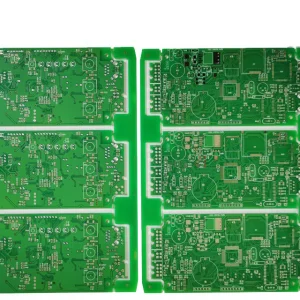
The modernization of Poland's electric vehicle (EV) infrastructure, renewable smart grids, and heavy automation machinery demands electronic subsystems that can operate reliably under thermal load extremes. Traditional FR-4 printed circuit boards lack the structural stability required at higher thermal margins. This has led to a major industry shift towards High-TG (Glass Transition Temperature) PCBs, which sustain their dimensional integrity even when operating temperatures exceed 170°C to 180°C.
As a trusted manufacturing partner, we combine advanced Shenzhen fabrication capabilities with optimized shipping routing to service the expanding Polish market directly, ensuring your designs comply with both EU RoHS standards and strict local quality metrics.
The Glass Transition Temperature (TG) defines the threshold temperature at which the base epoxy resin matrix transitions from a hard, glassy state to a ductile, rubbery state. Standard FR-4 materials typically demonstrate a TG of 130°C to 140°C. High-TG PCBs are categorized by a TG value greater than 170°C. Operating a board near or above its TG causes drastic changes in mechanical properties, leading to via failures, copper traces separation, and board delamination.
High-TG substrates feature enhanced glass weave reinforcement and specialized chemical curing agents. The benefits include:
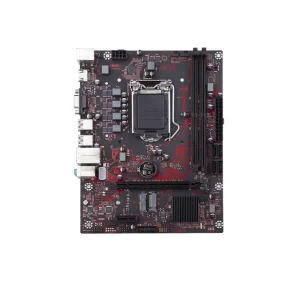
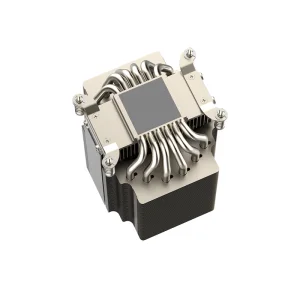
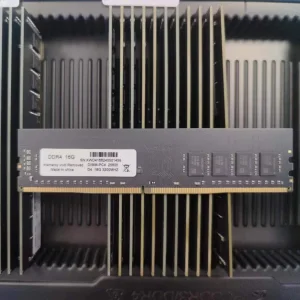
Reliability is a multi-dimensional system property. In modern Polish data centers and IoT routing clusters, High-TG boards work hand-in-hand with robust thermal dissipation mechanics and high-speed processing components:
Operating out of Shenzhen, the silicon capital of the world, Novram Electronics Co., Ltd. provides Polish clients with rapid prototyping, high-volume scalability, and strict compliance assurance.
As a trusted global manufacturer, we have shipped to over 40 countries, generating an annual export revenue of over US$18.6 million. Our engineering core specializes in high-speed, high-density DRAM architectures, active server thermal cooling configurations, and multi-layer High-TG PCBs.
Every single component undergo rigorous 100% functional testing, compatibility testing, burn-in testing, temperature profiling, and aging verification inside our quality lab before dispatch. Our collaboration with 860+ raw material supply chain partners secures reliable PCB resin materials (such as Shengyi or Rogers) even during tight supply phases.
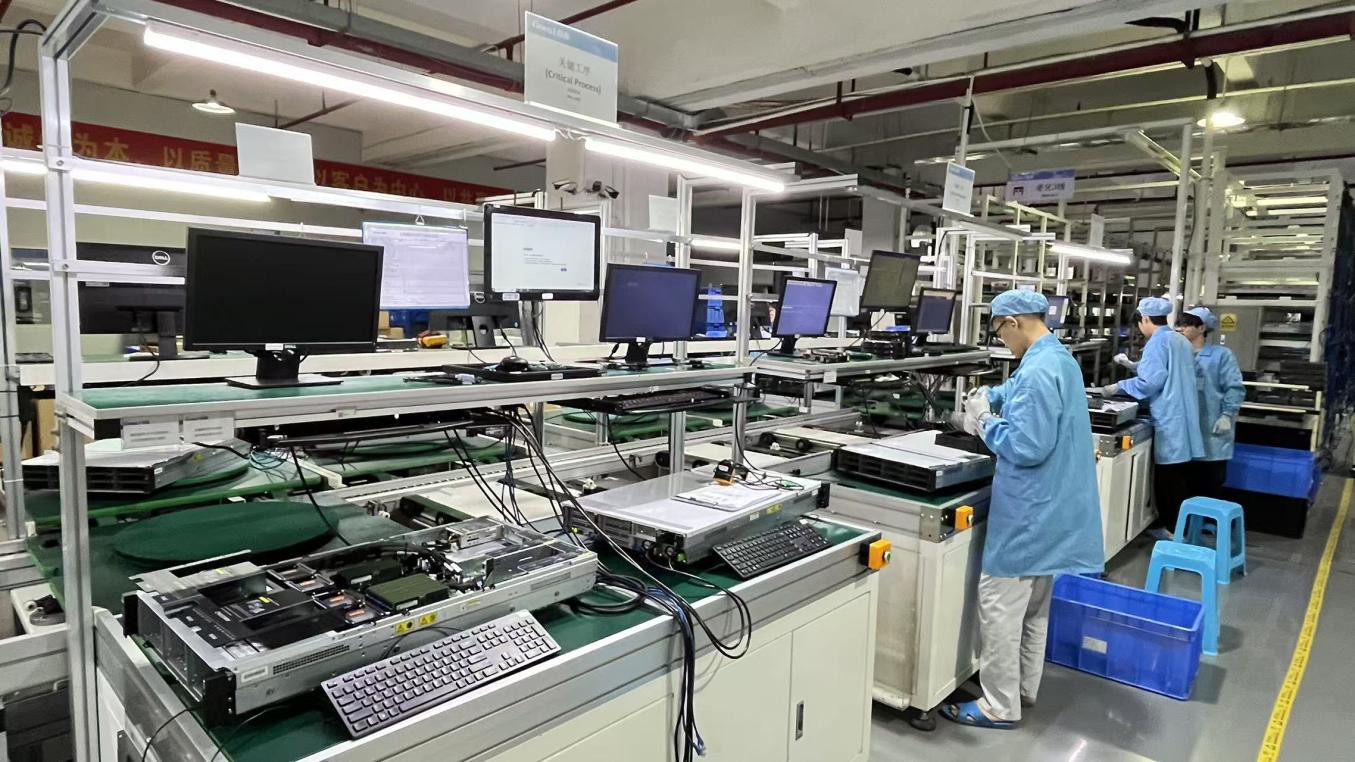
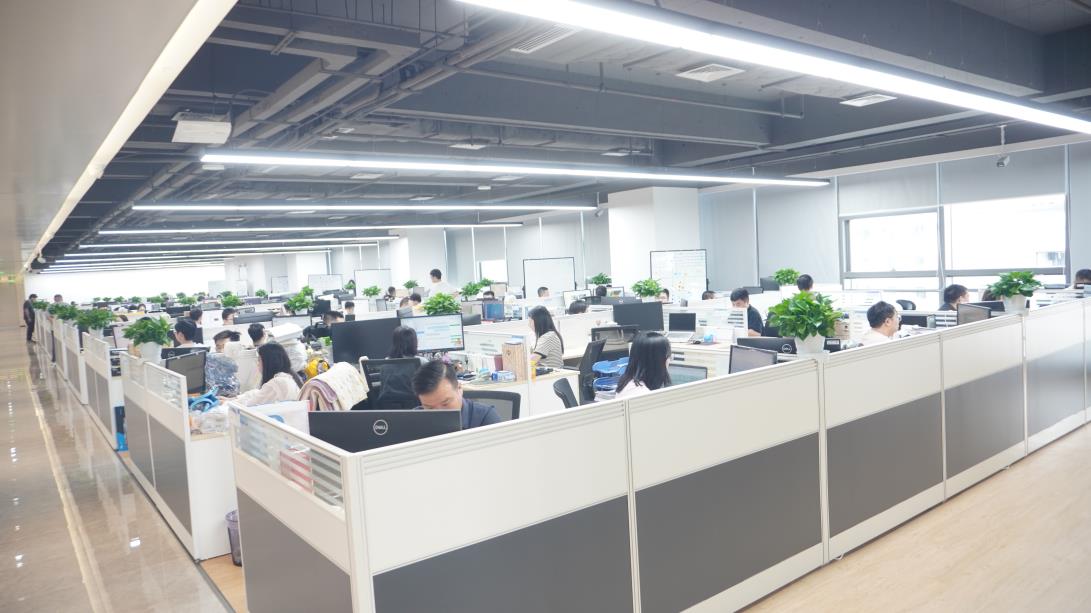
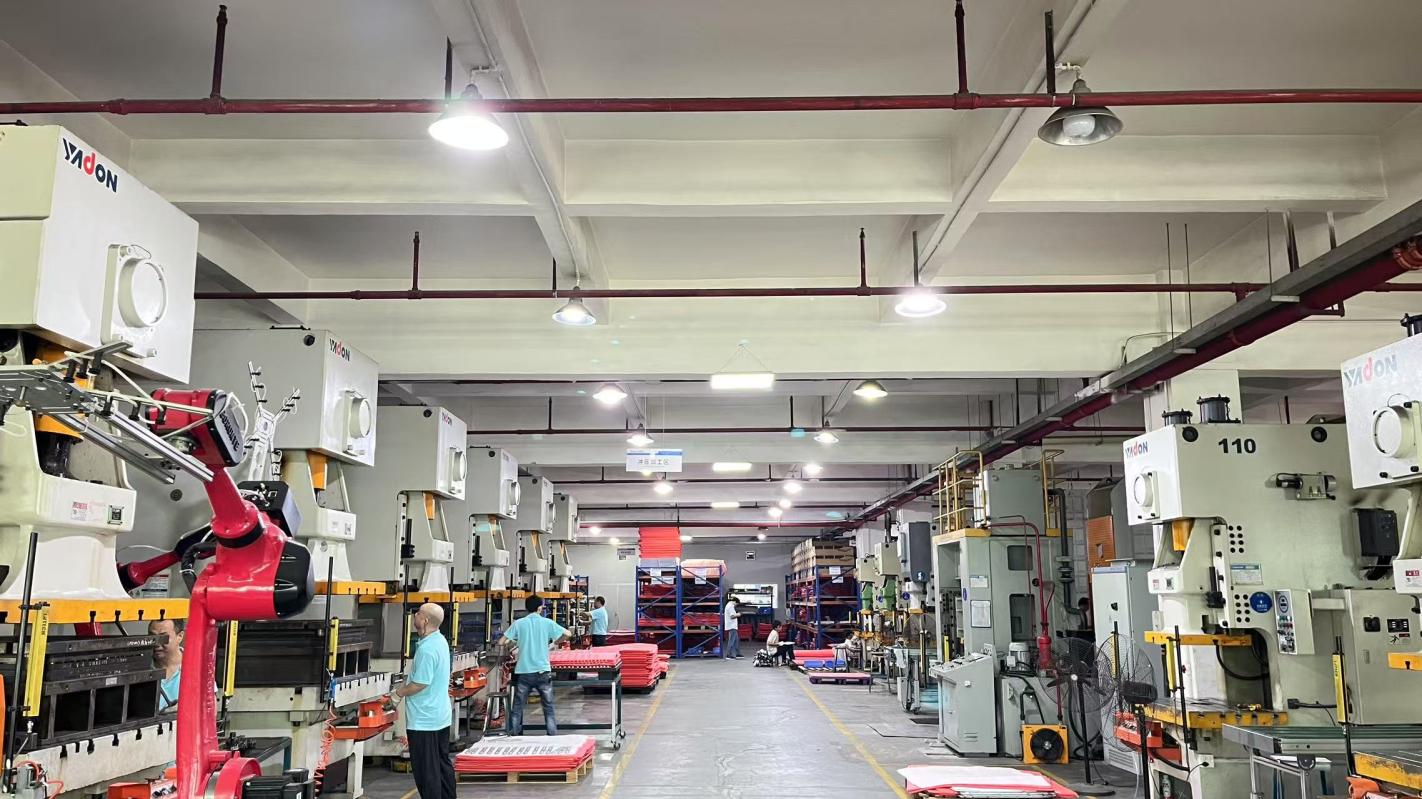
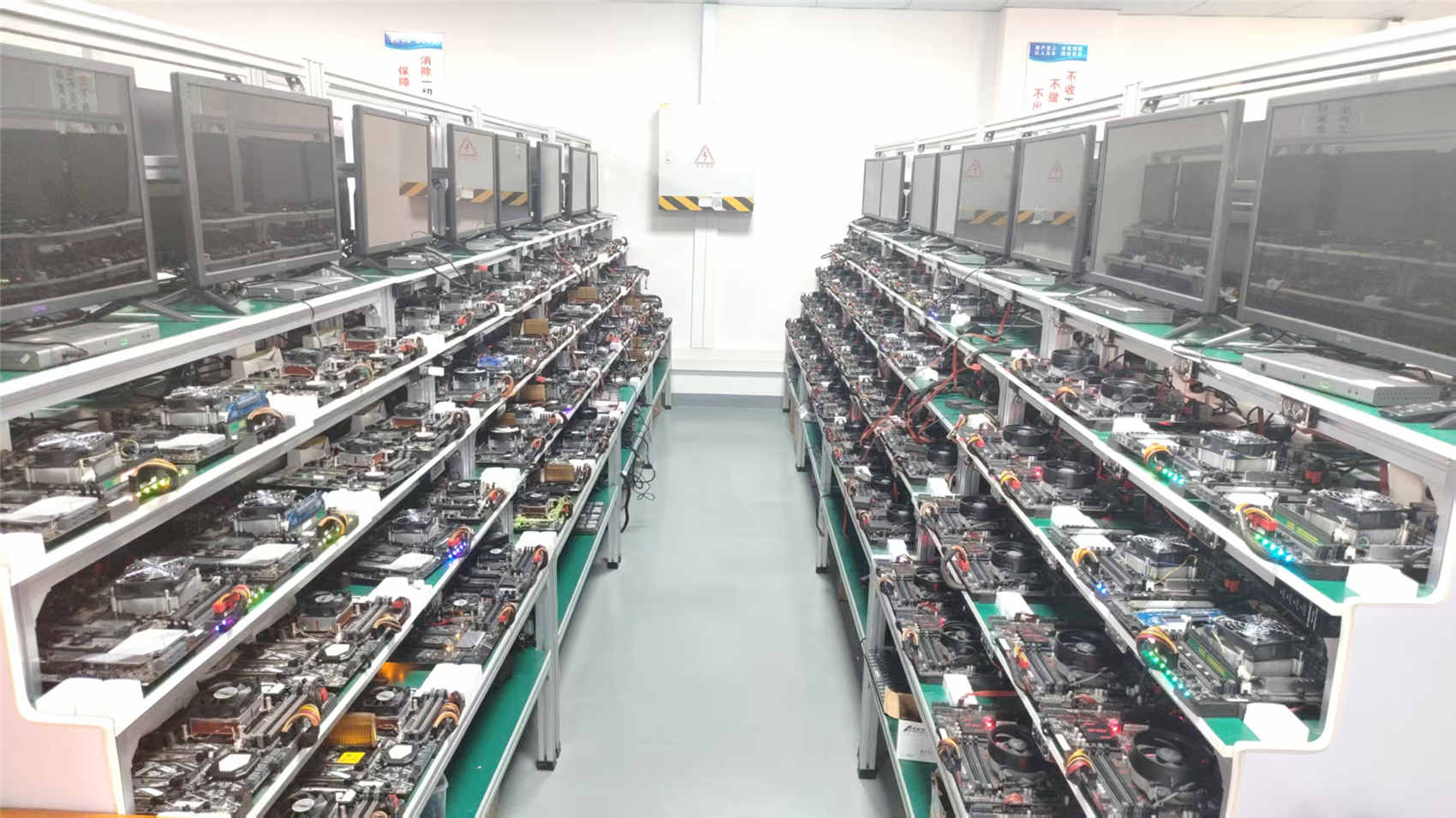
Customized layouts and architectures to integrate with your local high-tech applications.
With Poland's major EV highway expansion projects, we supply high-TG power distribution boards for fast DC chargers. These designs must manage temperatures up to 180°C to handle high-voltage charging requirements without electrical failure.
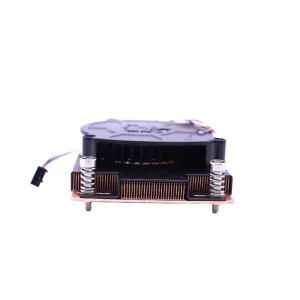
Heavy-duty automation PLC modules operating in smelting, logistics warehouses, and assembly plants require robust, thermal-resistant circuitry. Our high-TG boards paired with specialized cooling heatsinks prevent industrial PC failures under constant thermal cycles.
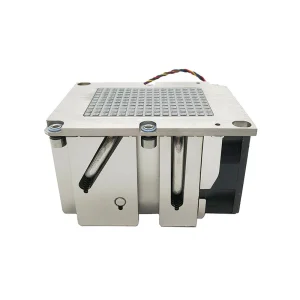
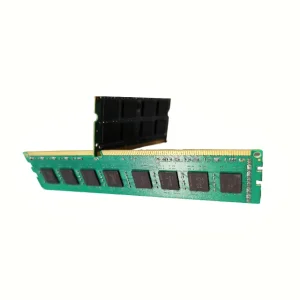
High-intensity computing servers require highly efficient, ultra-reliable active water coolers and custom DRAM architectures to sustain large-scale database operations and cloud hosting configurations.
For aviation and defense manufacturing systems located in Southeastern Poland, we produce high-reliability, lead-free HASL boards with advanced resin process controls that maintain thermal stability under violent mechanical vibrations.
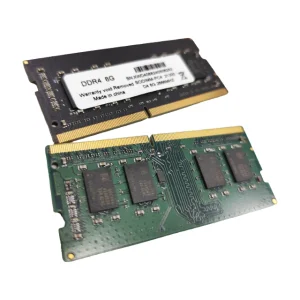
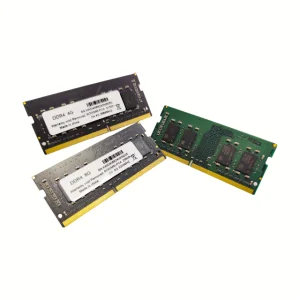
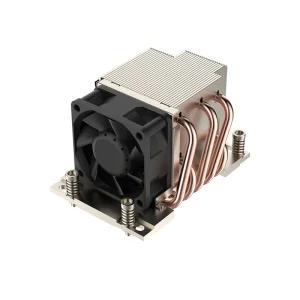
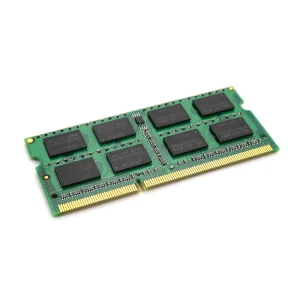
Select from our extensive catalog of DRAM modules, active/passive cooling fans, and high-performance hardware configurations for immediate shipping to Poland.
Additional High-Performance Components in our Catalog:
Find answers to technical specifications, manufacturing standards, and export logistics to Poland.
What minimum TG threshold should I specify for industrial control systems operated in Polish assembly factories?
For basic automation controls, a mid-TG of 150°C is acceptable. However, for machinery subjected to localized high power heat loads, continuous operations, or heavy moisture, we strongly advise specifying High-TG (TG ≥ 170°C) to maintain via structure integrity and avoid epoxy cracking from thermal shock.
How does your factory ensure compliance with European Union environmental standards such as RoHS and REACH?
We employ lead-free HASL (Hot Air Solder Leveling) and ENIG (Electroless Nickel Immersion Gold) surface finishes. All base substrates, solder masks, and chemical materials are certified lead-free, halogen-free, and REACH compliant. Relevant compliance documentation is supplied with every export shipment.
What is the typical shipping timeline from your Shenzhen factory to locations in Poland?
For urgent prototypes and small production batches, we utilize air express (DHL/FedEx/UPS), which takes 4-7 business days to reach Warsaw or Kraków. For high-volume production orders, cargo can be sent via sea freight to the port of Gdańsk (approx. 30-35 days) or rail freight via the New Silk Road (approx. 15-20 days) directly to terminal dry ports in Poland.
Do you support custom impedance matching and trace calculations for high-frequency signal lines?
Yes. Our engineering department includes 76 hardware R&D specialists who calculate trace width and stack-up adjustments according to your target impedance requirements (e.g., 50-ohm single-ended, 90-ohm USB, or 100-ohm differential signals) based on the dielectric constants of the high-TG material chosen.
How does Novram Electronics manage hardware compatibility verification for client motherboards and customized memory architectures?
We perform 100% functional and compatibility testing across a broad test matrix of industrial motherboard platforms. Custom EEPROM profiles are programmed during production, and memory modules undergo extreme thermal cycling stress tests to verify they maintain data integrity inside localized industrial compute environments.
Connect with our design engineers to review your High-TG Gerber files, layout parameters, and system requirements. Get a reliable, cost-effective quote within 24 hours.
Send Inquiry Now