Novram
High-TG PCB Applications & Hardware Engineering in Romania's Industrial Sectors
An in-depth white-paper analyzing technical standards, regional industrial growth, and supply chain synergy with China’s smart manufacturing.
1. Romania's Advancing Industrial and Electronics Landscape
In recent years, Romania has emerged as one of Central and Eastern Europe’s leading hubs for high-technology development, industrial automation, and automotive electronics. Major industrial zones across Cluj-Napoca, Timișoara, Brașov, and Bucharest host advanced manufacturing units that require reliable electronic architectures capable of running in intensive thermal conditions. With the EU’s accelerating transition towards electric vehicles (EVs) and local factories upgrading to Smart Factory standards, the demand for High Glass Transition Temperature (High-TG) PCBs has reached unprecedented levels.
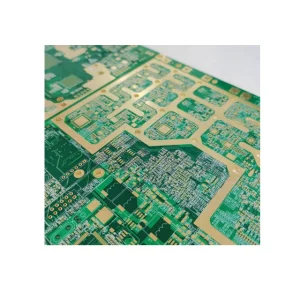
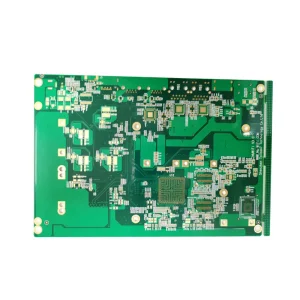
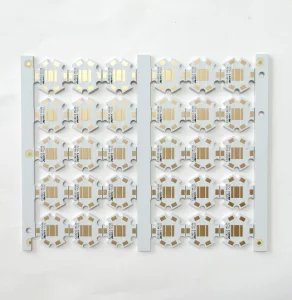
Historically, standard FR4 substrates were adequate for general consumer systems. However, Romanian automotive tier-1 suppliers and local automation designers are facing harsher thermal profiles inside engine compartments, power grids, and dense high-performance computing centers. High-TG PCBs, which feature glass transition temperatures exceeding 170°C, provide critical structural stability, minimal z-axis thermal expansion, and optimal mechanical integrity under cyclical thermal stresses. Our operations as a major factory and exporter to Romania ensure that local engineering firms receive raw materials that meet strict European safety and reliability regulations.
Automotive & EV Infrastructure Hubs
Cities like Timișoara and Sibiu host global automotive electronics development centers. PCBs inside vehicle control systems, high-voltage battery management systems (BMS), and charging piles rely heavily on TG170+ materials and advanced thermal heatsinks to endure extreme temperature shifts without system failures.
Data Centers and IT Telephony
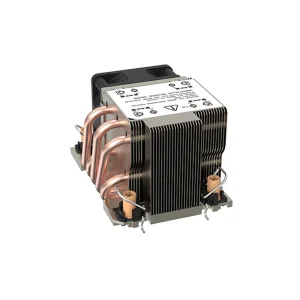
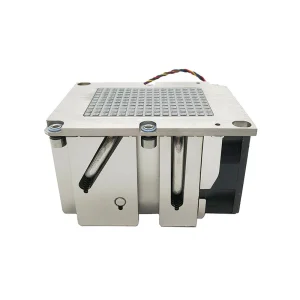
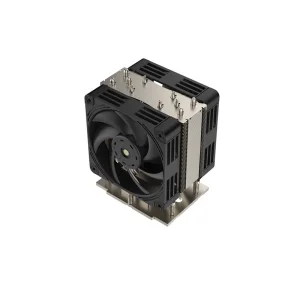
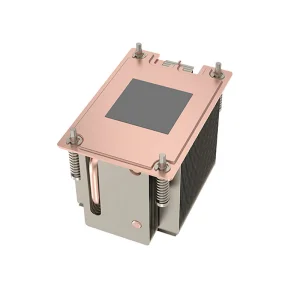
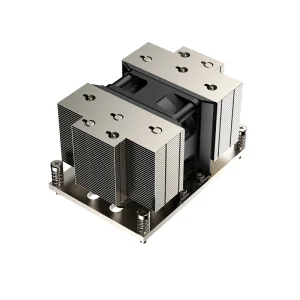
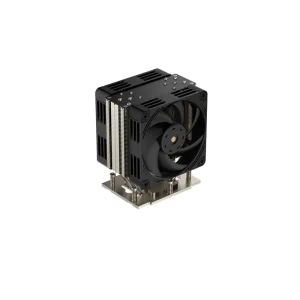
Cluj-Napoca and Bucharest host scaling data centers and telecommunications networks. As processing speeds escalate, components release massive amounts of localized heat, requiring server CPU coolers, heatsinks, and heavy-duty multilayer boards to sustain continuously high operation times.
2. What is High-TG and Why Does It Matter for Romanian Electronics?
Glass Transition Temperature (Tg) defines the point at which a printed circuit board’s base resin transitions from a hard, glassy state into a soft, flexible material. When the operating temperature of a system approaches or surpasses its Tg limit, the physical structure of the substrate loses rigidity. This leads to trace fractures, delamination of copper foils, and severe pad lifting, rendering complex components useless. For high-speed lines, industrial power regulators, and systems deployed in Romania’s extreme continental seasonal temperatures (ranging from sub-zero winters to hot summers), High-TG boards (Tg > 170°C to 180°C) are crucial.
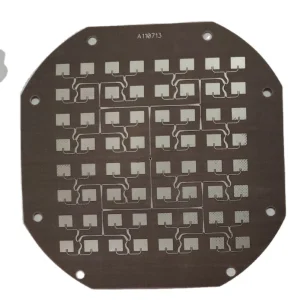
Using premium substrates like Shengyi FR4 TG170 or Rogers 4000 series mixed pressure constructions allows designs to handle high wattage density. The benefits include:
- Lower Coefficient of Thermal Expansion (CTE): Lower dimensional expansion rate under heat prevents stress on microvias and surface mount solder joints.
- Exceptional Heat Endurance: High-TG boards tolerate multi-cycle lead-free soldering and reflow processes without internal micro-cracking.
- Chemical and Moisture Resistance: Enhanced resin formulations prevent delamination in high humidity regions along the Danube valley and southern industrial zones.
3. Supply Chain Resilience: China Industry 4.0 Partnering with European Integration
In today's volatile economic landscape, European procurement managers prioritize supply chain resilience and regulatory compliance. Novram Electronics Co., Ltd., based in Shenzhen, China, represents the next generation of smart manufacturing (Industry 4.0). Operating out of a state-of-the-art 3,860㎡ factory, we employ automated layout systems, robotic testing stations, and advanced optical scanners to eliminate defects at the source. This ensures that every high-performance PCB and thermal heatsink exported to Romania aligns with international quality standards.
Our deep integrations with leading material houses such as Shengyi, Rogers, and Taconic guarantee access to reliable raw materials, preventing supply delays. Additionally, our specialized thermal division produces matched CPU coolers, active dual-ball bearing fans, and heavy aluminum heatsinks. This allows Romanian engineers to source complete, pre-tested thermal and electronic modules from a single vendor, simplifying procurement and reducing assembly times.
4. Novram Electronics: A Legacy of Engineering Excellence
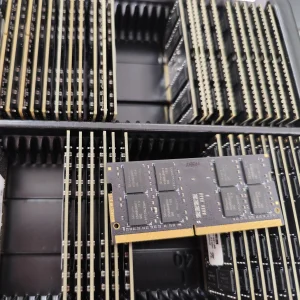
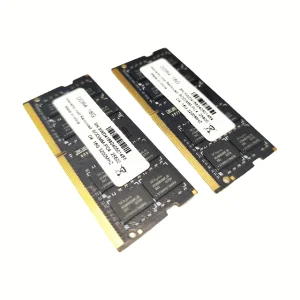
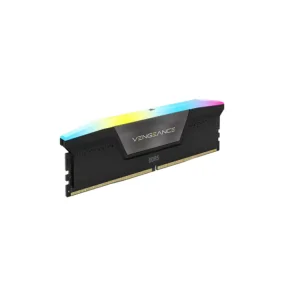
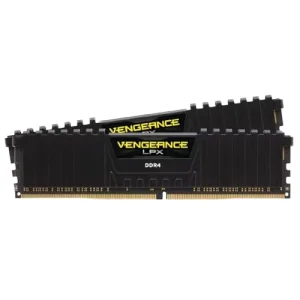
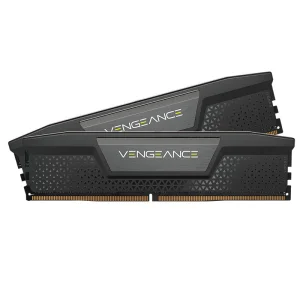
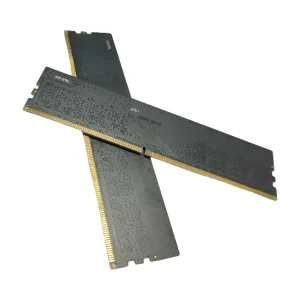
Founded in 2016, Novram Electronics Co., Ltd. has established itself as an innovative manufacturer of memory architectures, server heat solutions, and high-performance PCB systems. Over nine years of research and production experience, we have developed a broad global outreach, shipping premium hardware to partners in over forty countries. Our annual export revenues exceed US$18.6 million, demonstrating our credibility in international trade.

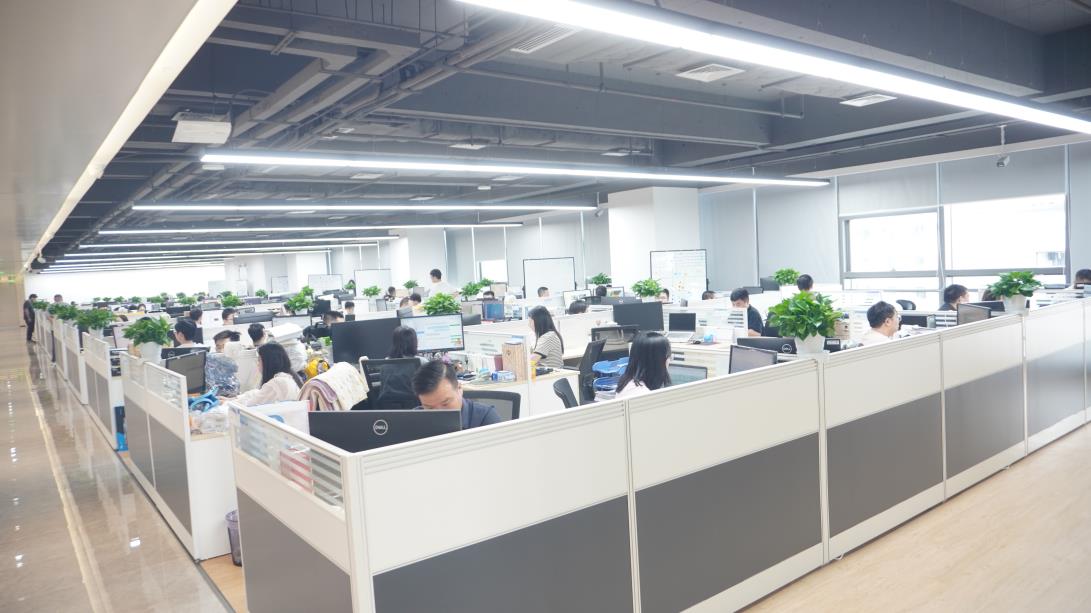

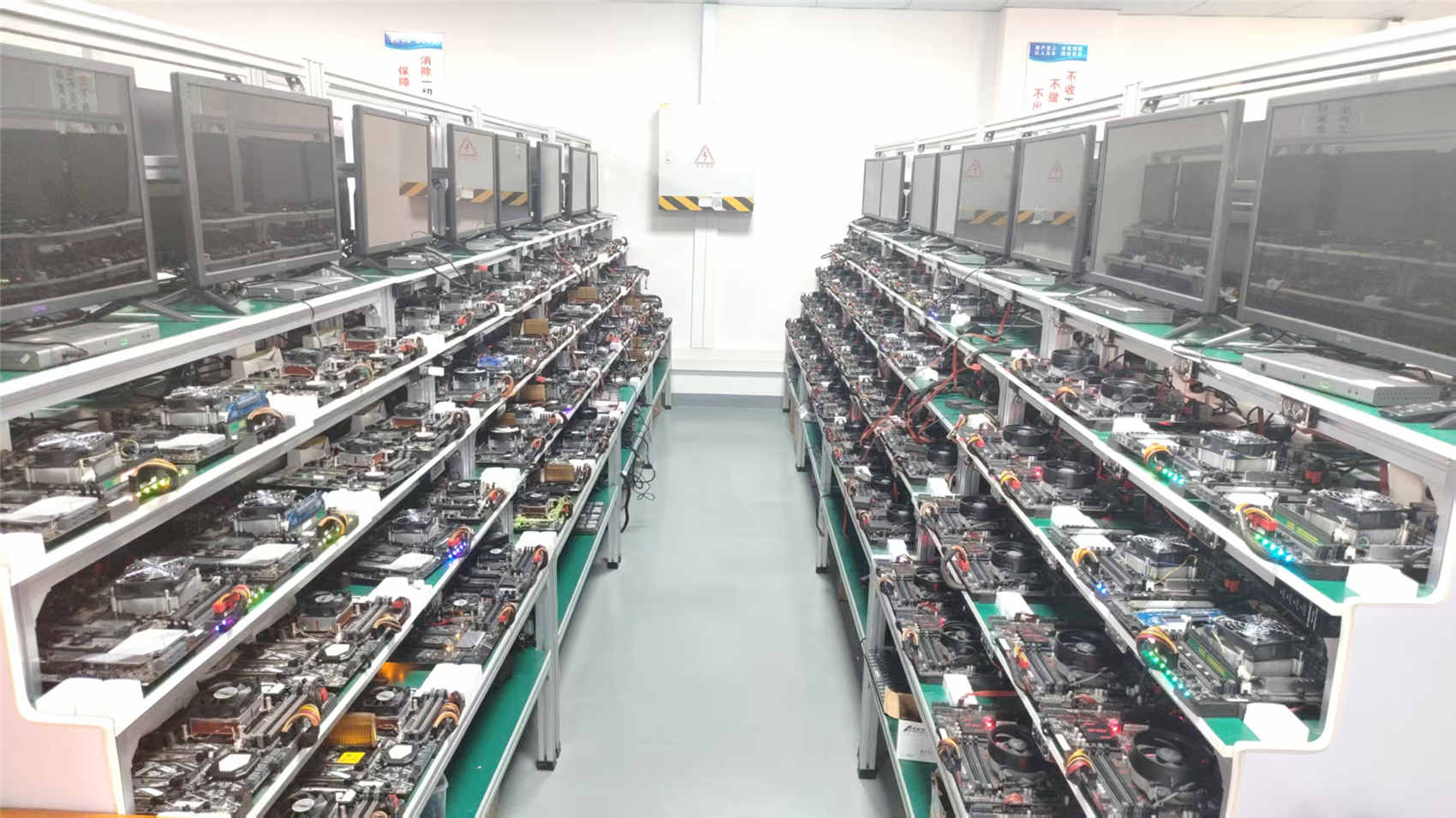
Our manufacturing workflow is overseen by 42 QA inspectors who manage continuous reliability tests, thermal cycle evaluations, and impedance tests. Backed by 76 professional R&D engineers, we release approximately 138 customized product variations each year. This robust capability allows us to support custom layouts, precise multi-layer pile stack-ups, and specialized server requirements tailored to the Romanian industrial market.