Novram
Novram
Novram
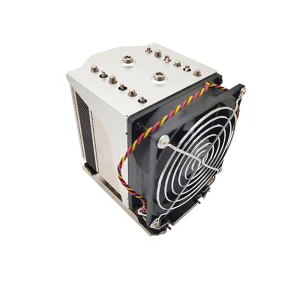
Premium server-grade thermal hardware and critical system modules engineered for high-density heavy copper systems.
A Definitive Engineering Whitepaper for the Marmara Region Industrial Base
In modern electrical design, managing high-current densities and optimizing thermal pathways are crucial design constraints. Thick Copper Printed Circuit Boards (PCBs)—defined by trace thicknesses ranging from 3 oz/ft² (105 µm) up to over 10 oz/ft² (350 µm)—are essential for high-power electronics. They provide the structural and electrical performance needed to support large currents without sacrificing thermal stability.
By using heavy copper, engineers can merge high-power circuits with low-voltage control paths on a single board, reducing wiring complexity and point-to-point connections. In industrial centers like Istanbul, Gebze, and the wider Marmara region, utilizing heavy copper PCBs is key to improving reliability in power supplies, motor drives, EV charging systems, and solar energy inverters.
"Using heavy copper circuits changes how we handle thermal management. Instead of adding bulky, external copper bars to carry high current, we embed the power distribution directly inside the PCB structure. This reduces mechanical stress, improves thermal transfer, and lowers manufacturing costs."
Globally, the demand for thick copper PCBs is driven by energy storage systems (ESS), automotive electrification (EVs/HEVs), and high-density computing infrastructure. The shifts toward 48V bus architectures in AI data centers, 800V drivetrains in EVs, and high-efficiency solar inverters require PCB solutions that handle significant current and heat. The global market is expanding rapidly, with manufacturers moving away from traditional, bulky wire harnesses toward compact, automated PCB solutions.
Istanbul, positioned between European markets and Middle Eastern distribution corridors, has emerged as a major hub for electronics manufacturing. The Marmara region, including industrial parks like Tuzla OSB, Gebze GOSB, and İkitelli OSB, is home to key companies producing home appliances, industrial power systems, railway controls, and defense technologies.
In Turkey's manufacturing sector, localization is driving the demand for specialized components. The domestic electric vehicle sector, represented by projects like Togg, has created a supply chain for localized power electronics. This shift has turned the Istanbul market into a key growth area for high-reliability heavy copper PCB components, forcing engineers to move past standard 1 oz or 2 oz designs to meet strict European quality standards.
Designing heavy copper boards requires a thorough understanding of materials and fabrication processes. It is not as simple as increasing copper weight; larger copper tracks present unique manufacturing challenges:
| Copper Weight (oz/ft²) | Copper Thickness (µm) | Min. Trace Width (mil) | Min. Air Gap (mil) | Primary Industrial Applications |
|---|---|---|---|---|
| 3 oz | 105 µm | 8 mil | 8 mil | Power supplies, automotive controllers, LED lighting drivers |
| 4 oz | 140 µm | 10 mil | 10 mil | EV battery management systems (BMS), solar inverters, telecom switchboards |
| 6 oz | 210 µm | 12 mil | 14 mil | Industrial motor drives, heavy-duty welding equipment, train traction controls |
| 10+ oz | 350+ µm | 18 mil | 22 mil | Military power grids, primary power distribution, heavy machinery control |
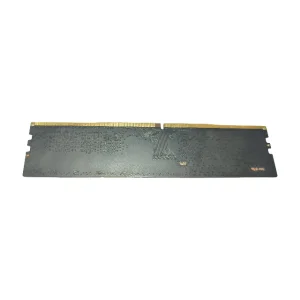
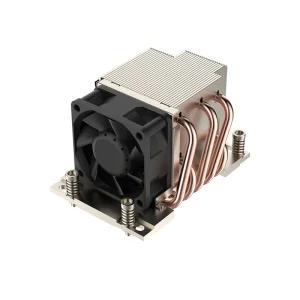
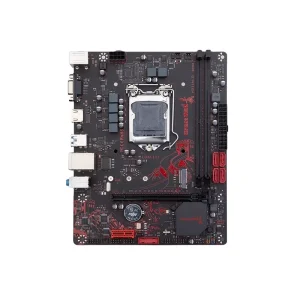
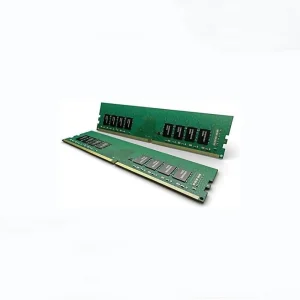
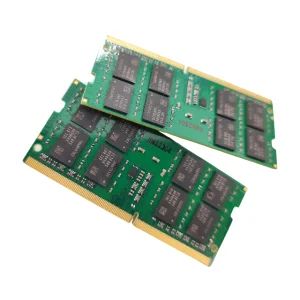
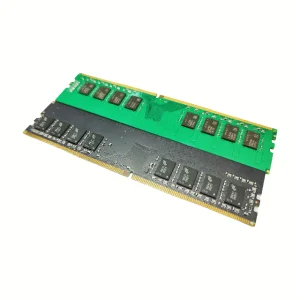
Essential sub-components supporting high-voltage operations, providing system control and high-performance heat dissipation.
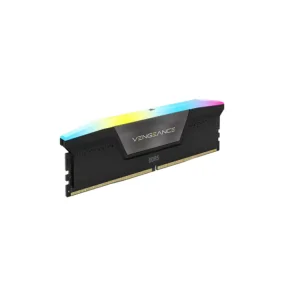
Your Global Manufacturing Partner for Advanced Computing, High-Performance DRAM Modules, and Embedded Systems Solutions.
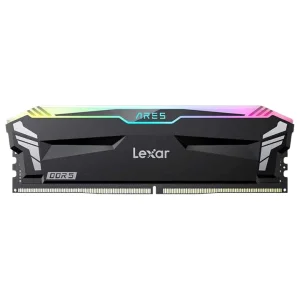
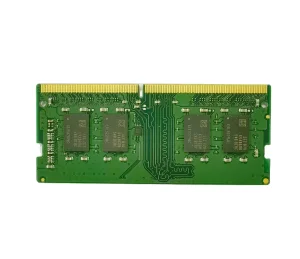
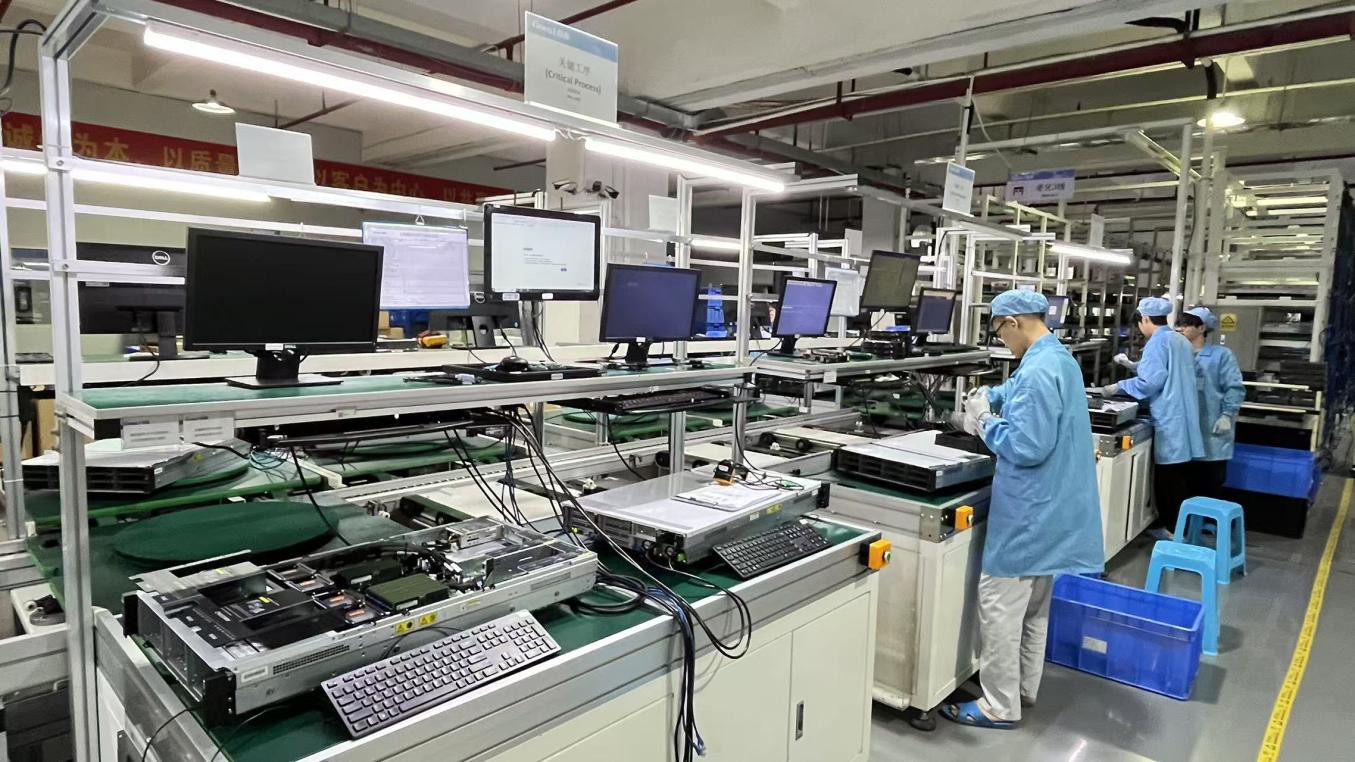
Novram Electronics Co., Ltd. is a professional DDR5 memory manufacturer based in Shenzhen, China, dedicated to delivering high-performance DRAM solutions for global OEM, ODM, and industrial customers. Established in 2016, the company has grown into a reliable supplier of DDR5 memory modules, serving partners across consumer electronics, industrial automation, embedded systems, gaming, and enterprise computing.
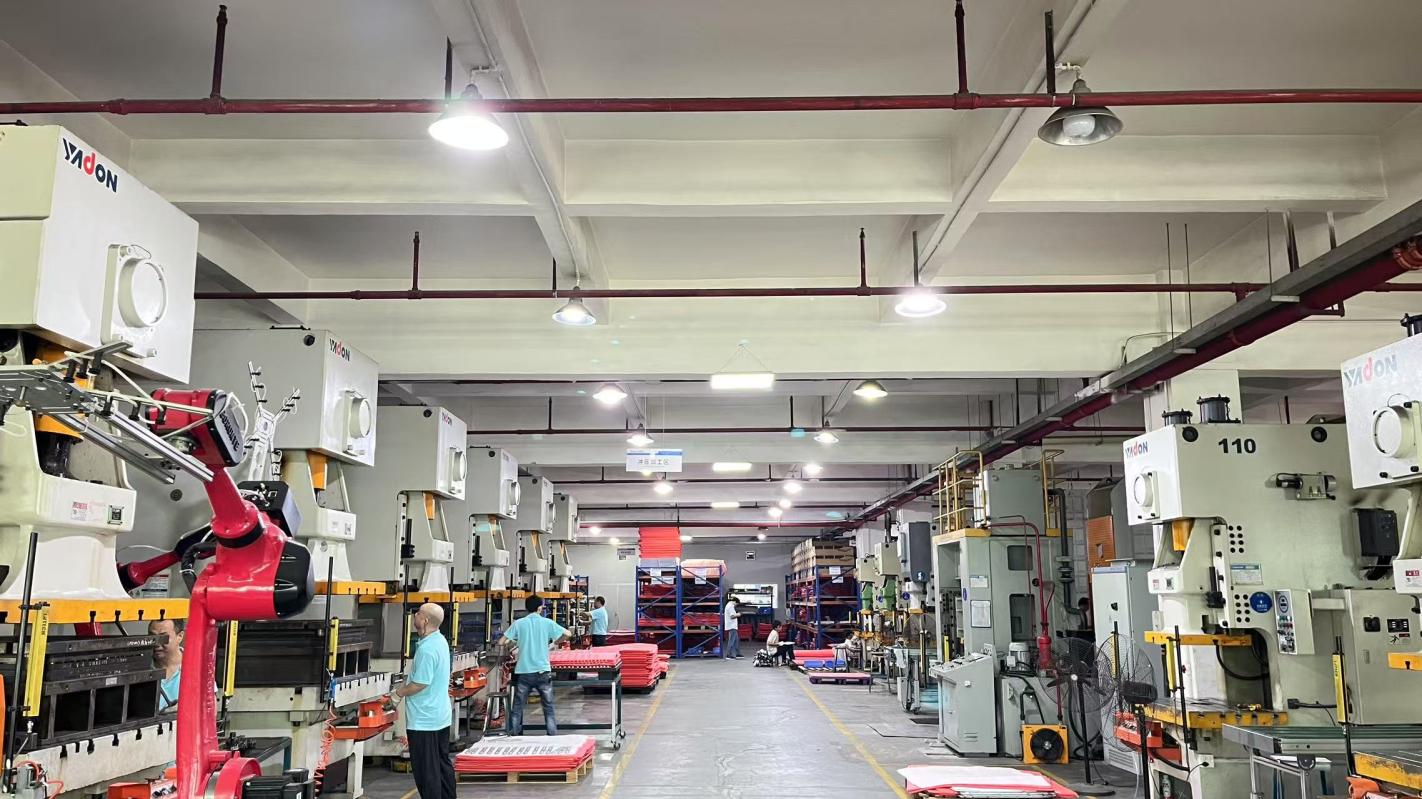
Operating from a modern 3,860㎡ manufacturing facility, Novram integrates advanced production equipment, strict quality management, and continuous R&D innovation to ensure every memory module meets international performance and reliability standards. Our experienced engineering team focuses on developing high-speed, stable, and energy-efficient DDR5 products for diverse computing applications.
With 9 years of industry experience and 7 years of export experience, Novram exports products to customers in more than 40 countries. The company achieves an annual export revenue of approximately US$18.6 million, supported by an efficient global supply chain and responsive customer service.
Quality is at the core of everything we do. Every DDR5 memory module undergoes 100% functional testing, compatibility testing, burn-in testing, temperature testing, and aging verification before shipment. Our quality control department consists of 42 professional inspectors, ensuring consistent product performance and long-term reliability.
Novram maintains strong partnerships with over 860 qualified supply chain partners, enabling stable production capacity and reliable component sourcing. Our primary customers include memory module brands, computer manufacturers, industrial PC companies, system integrators, distributors, wholesalers, and OEM/ODM partners worldwide.
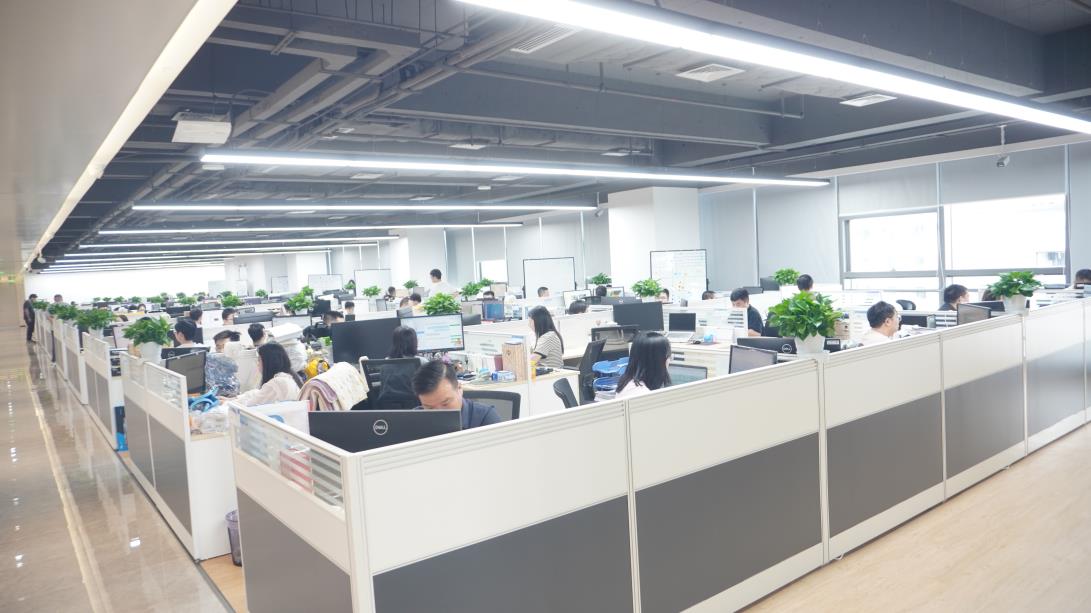
Innovation drives our competitiveness. Our dedicated R&D center is staffed by 76 experienced engineers, allowing us to introduce approximately 138 new products each year. We provide comprehensive OEM, ODM, private label, logo printing, packaging customization, capacity customization, firmware optimization, and product specification customization to meet different market requirements.
Today, Novram continues to invest in advanced manufacturing technologies, strict quality assurance, and customer-focused innovation. Our mission is to become a trusted global partner for high-performance DDR5 memory solutions by delivering reliable products, flexible customization, competitive pricing, and professional technical support.

In Turkey's rapidly industrializing zones, thick copper PCBs are increasingly used to meet harsh operating conditions. Key regional applications include:
With municipal governments expanding high-power DC fast-charging networks (up to 150 kW and 350 kW), electrical distribution boards must handle currents exceeding 400A. Thick copper PCBs, often featuring 6 oz to 8 oz copper layers, serve as the primary power plane in rectifiers and converter control modules. This design helps minimize thermal stress during fast charging.
Turkey's solar capacity expansion relies on robust inverters that convert variable DC power from solar arrays into clean AC power. Heavy copper boards are used in the primary power stages of these inverters, ensuring low trace resistance and efficient thermal pathways. This configuration reduces energy losses and prevents overheating in high-temperature environments.
The manufacturing plants in Gebze require high-power motor drivers and variable frequency drives (VFDs) to run assembly lines and heavy machinery. Heavy copper PCBs allow designers to place high-current lines and logic circuits on the same board, reducing electromagnetic interference (EMI) and improving vibration resistance compared to traditional busbars.
The next generation of heavy copper PCBs will feature more integration. Technology is moving toward embedded copper busbars, where solid copper bars are set within the PCB core rather than etched on the outer layers. This allows for extremely high currents in a thin, multi-layer design.
In addition, advanced hybrid setups are becoming more common. Fabricators are combining high-Tg FR-4 materials with direct bond copper (DBC) or ceramic substrates. This approach helps optimize thermal dissipation in high-density components, like server power supplies, where heavy-duty electronics and high-speed processors sit on the same board assembly.
Common questions answered by our engineering and supply chain teams.
Premium modules and system accessories optimized for enterprise architectures and heavy copper designs.